



The Rise of the Two-Wheel Electric Scooter
Urban gridlock is no longer an unsolvable puzzle. The solution is rolling silently onto city streets, offering a swift, smart, and sustainable way to navigate the concrete jungle. Two-wheel electric scooters, or e-scooters, have evolved from niche gadgets to mainstream mobility tools, directly addressing the chronic pains of urban living. This article will dissect their rapid adoption, evaluate their core advantages, and provide a detailed guide on selecting and safely operating a reliable model. We will explore whether two-wheel electric scooters represent a genuine paradigm shift in how we move or merely a passing trend.
Their proliferation is a data-driven response to urban inefficiency. Cities worldwide are grappling with congestion, pollution, and the high cost of car-centric infrastructure. The two-wheel electric scooter emerges as a compelling micro-mobility solution, slotting perfectly into journeys under five miles. It bypasses traffic, eliminates parking fees, and operates with near-silent, zero-direct-emission efficiency.
The market's growth is staggering. From shared scooter systems to personal ownership, adoption rates have soared as commuters seek autonomy from crowded buses and expensive ride-shares. This isn't just about convenience; it's a fundamental rethinking of personal transportation for short trips. The core question we answer is not if they are popular, but why they are becoming indispensable.
Understanding this shift requires looking beyond the hardware. It involves analyzing urban planning, behavioral economics, and environmental policy. The two-wheel electric scooter sits at the intersection of all three, acting as a catalyst for cleaner, more livable cities. We will examine the evidence that positions this vehicle not as a toy, but as a serious transport modality.
Why Two-Wheel E-Scooters Are Dominating City Streets
The dominance of two-wheel electric scooters is built on a trifecta of benefits: unmatched convenience, significant economic savings, and a tangible positive environmental impact. Compared to the alternatives—sitting in traffic, waiting for delayed transit, or walking long distances—the e-scooter offers a superior user experience for short urban trips.
From a practical standpoint, it provides door-to-door travel without the hassles associated with cars or the rigidity of fixed-route public transit. This flexibility is paramount in modern, dynamic cities. The economic argument is equally powerful, offering a low-barrier entry into private mobility without the ongoing financial drain of car ownership.
Environmentally, the impact is clear and immediate. Every trip taken on an e-scooter instead of a gasoline-powered car reduces local air pollutants and carbon emissions. When adopted at scale, this can meaningfully contribute to a city's sustainability goals. The following sections break down these advantages in detail.
Unbeatable Convenience for the "Last Mile"
The "first and last mile" problem has long plagued public transit systems. How do you efficiently get people from their front door to a train station, and from a bus stop to their office? Two-wheel electric scooters provide the perfect bridge. They collapse what would be a 15-20 minute walk into a 5-minute ride.
This transforms the viability of public transit for many, expanding the radius of homes and jobs accessible via train or subway. For errands, meetings, or social visits within a neighborhood, the scooter becomes the default vehicle. There's no need to circle blocks for parking; secure it to a bike rack or take it inside with you.
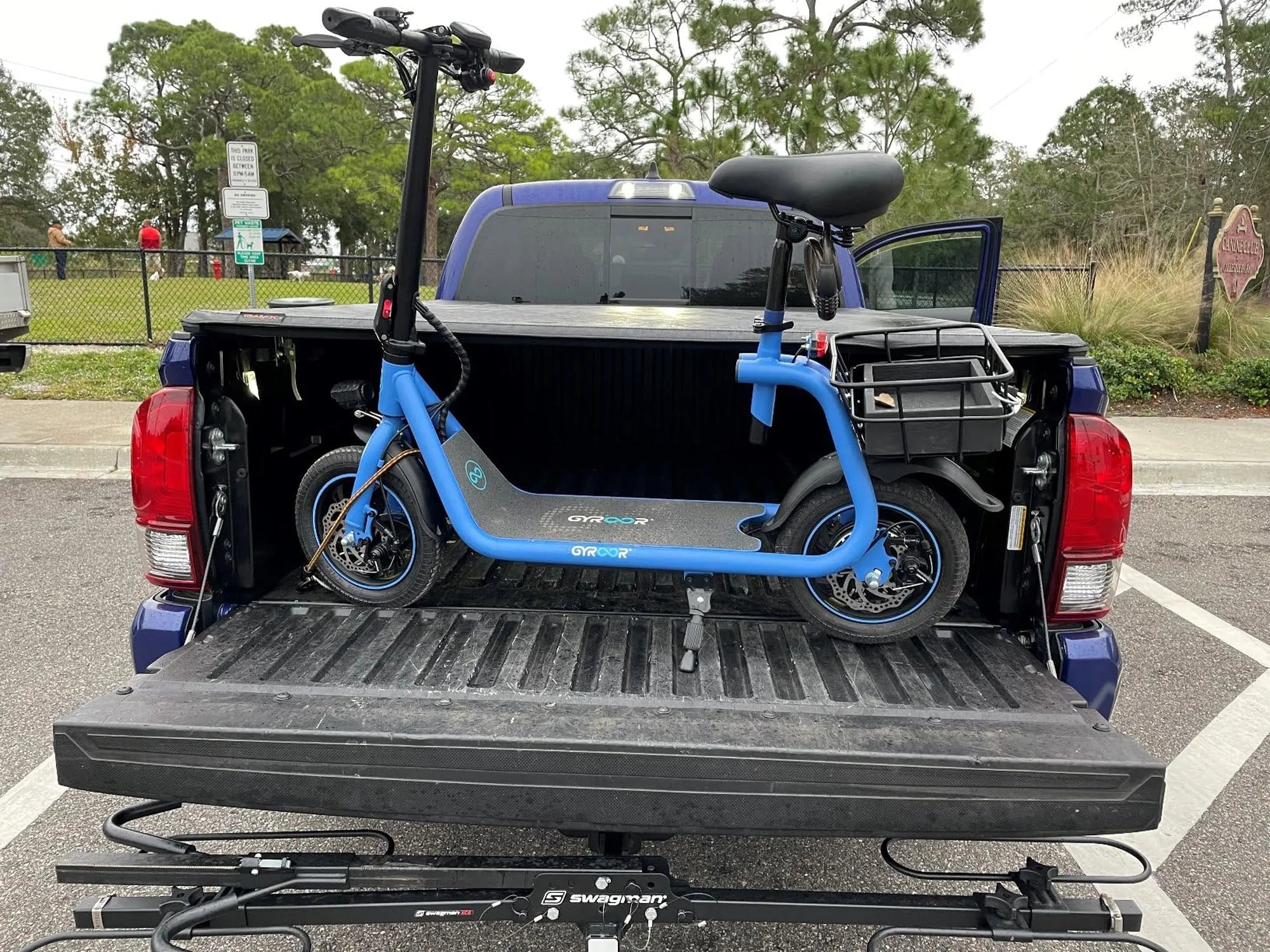
The convenience factor is amplified by portability. Many modern models are foldable, allowing for easy carrying onto trains or storage under a desk. This seamless integration into multi-modal journeys is a key driver of adoption. It turns a fragmented commute into a fluid, efficient chain of movement.
The Economics of Personal E-Mobility
The cost savings of owning a two-wheel electric scooter are dramatic when compared to a private car. The analysis goes far beyond the sticker price. Consider the total cost of ownership: purchase, fuel, insurance, parking, maintenance, and depreciation.
A quality personal e-scooter from a trusted brand represents a one-time investment of a few hundred to a couple thousand dollars. The "fuel" cost is negligible—approximately $0.10 to $0.30 for a full charge, granting 15-40 miles of range. There is no insurance mandate, no parking fees, and minimal maintenance.
| Cost Factor | Personal Car (Annual Estimate) | Two-Wheel Electric Scooter (Annual Estimate) |
|---|---|---|
| Purchase / Finance | $5,000 - $9,000 | $500 - $1,500 |
| Fuel / Electricity | $1,200 - $2,500 | $20 - $50 |
| Insurance & Registration | $1,000 - $2,500 | $0 (typically) |
| Parking & Tolls | $500 - $3,000+ | $0 - $100 (secure lock) |
| Maintenance & Repairs | $500 - $1,000 | $50 - $150 (tires, brakes) |
| Total Annualized Cost | $8,200+ | $570 - $1,800 |
This financial logic makes e-scooters accessible to a broad demographic, including students, urban professionals, and anyone seeking to reduce their monthly transport budget. The payback period against public transit passes or ride-share expenses is often less than a year.
A Clear-Cut Green Advantage
The environmental case for two-wheel electric scooters is robust. They produce zero tailpipe emissions, immediately improving local air quality in densely populated areas. Reducing the number of short, cold-start car trips—which are notoriously inefficient and high-polluting—has a disproportionately positive effect.
Studies from transport research institutes consistently show that micro-mobility options can reduce a city's overall carbon footprint when they replace car trips. The lifecycle carbon emissions of an e-scooter, including manufacturing and electricity generation, are a fraction of those from an internal combustion engine vehicle.
Furthermore, they contribute to noise reduction, making cities quieter and more pleasant. Their small physical footprint also means less space is required for parking, freeing up public areas for green spaces, wider sidewalks, or outdoor dining. This shift supports broader urban sustainability and livability initiatives.
Key Features to Look for in a Reliable E-Scooter
Not all two-wheel electric scooters are created equal. For daily, reliable use, certain features are non-negotiable. Investing in a well-constructed scooter from a reputable brand ensures safety, longevity, and a better riding experience. The core components to scrutinize are the battery system, the build quality, and the performance specifications.
Prioritizing these elements helps avoid the pitfalls of unreliable models that may pose safety risks or fail prematurely. A reliable scooter is an asset; a poorly made one can be a liability. This guide focuses on the technical benchmarks that separate premium products from substandard ones.
Brands like Gyroor, a leading electric scooter and e-bike brand trusted by over 100,000 riders across North America and Europe, engineer their models around these critical features. Their commitment to UL-certified batteries, IPX5 water-resistant designs, and a reliable 1-year warranty sets a standard for what consumers should expect.
Battery Safety and Range: The Heart of the Scooter
The battery is the most critical safety and performance component. Always insist on models with UL-certified lithium-ion battery packs. This certification means the battery has undergone rigorous independent testing for electrical, mechanical, and fire safety—a must for peace of mind, especially when charging at home.
Range is often the first question from buyers. Advertised ranges are based on ideal conditions: a light rider on flat ground at low speed. Real-world range is affected by rider weight, hills, frequent acceleration, temperature, and tire pressure. A good rule is to deduct 25-40% from the manufacturer's claim for practical planning.
For a typical urban commuter, a real-world range of 15-20 miles is often sufficient. Look for batteries with high energy density (measured in Watt-hours, Wh) from reputable cell manufacturers. Proper care, like avoiding full 0-100% charge cycles and storing in moderate temperatures, will maximize battery life over its 500+ cycle lifespan.
Build Quality and Durability for Daily Grind
An urban scooter must withstand potholes, curbs, and all weather conditions. Build quality starts with the frame; aircraft-grade aluminum alloys offer the best strength-to-weight ratio. Welds and folding mechanisms should be robust and rattle-free.
Water resistance is rated by the IP Code. An IPX5 rating, common in Gyroor's lineup, means the scooter can withstand water jets from any direction, making it safe for riding in rain and on wet roads. This is essential for a reliable daily commuter.
Suspension is another key differentiator. Dual spring or hydraulic suspension absorbs impacts from rough pavement, providing a smoother, more controlled ride and reducing stress on the frame and rider. Combined with pneumatic (air-filled) tires, good suspension dramatically improves comfort and safety on imperfect city streets.
Performance Metrics: Speed, Motor Power, and Braking
Motor power, measured in watts (W), determines acceleration and hill-climbing ability. A 350W motor is adequate for flat terrain and lighter riders. For cities with hills or for heavier riders, a 500W or higher motor is recommended to maintain a safe speed on inclines.
Top speed is often regulated locally (commonly capped at 15-20 mph). While higher speeds may be possible, safety in mixed traffic should be the priority. A scooter that can comfortably maintain 15-18 mph is ideal for most urban settings.
The braking system is your primary safety feature. A dual-braking system is essential. The best combination is a front electronic regenerative brake (which also recovers some energy) and a rear mechanical disc brake. This provides balanced, reliable stopping power in all conditions, including wet pavement. Always test brakes regularly.
Navigating the Urban Landscape: Safety, Laws, and Etiquette
Responsible ownership is key to the long-term success of two-wheel electric scooters as a transport solution. This means understanding and adhering to local laws, practicing defensive riding, and being a courteous user of public space. Safety is a shared responsibility between the rider, the city, and other road users.
Ignorance of regulations can lead to fines, confiscated scooters, or accidents. Proactive riders who operate safely and respectfully help build positive public perception, encouraging cities to invest in better micro-mobility infrastructure like protected bike lanes.
The following guidelines form a foundation for safe and lawful scooter operation. Always prioritize these practices to ensure your commute is not only efficient but also secure for you and those around you.
Understanding Local Regulations and Helmet Laws
E-scooter laws vary dramatically by city, state, and country. It is the rider's absolute responsibility to know the rules where they operate. Key areas to research include: Where are you allowed to ride (bike lanes, roads, sidewalks)? What is the speed limit? Is there a minimum age? Are helmets mandatory?
Many cities prohibit sidewalk riding for safety reasons, directing scooters to bike lanes or roads. Helmet laws, while sometimes only mandatory for minors, should be followed by all riders as a critical safety measure. A helmet is the single most effective way to prevent serious head injury in a fall.
Resources for this information include your local Department of Transportation website, city council ordinances, or the websites of reputable scooter brands that often provide regulatory summaries. Regulations are evolving rapidly, so periodic checks are advisable.
Defensive Riding Techniques for City Traffic
Assume you are invisible to drivers. Defensive riding is about anticipating hazards before they become emergencies. Always be hyper-aware of your surroundings: scan for opening car doors, pedestrians stepping into the bike lane, vehicles turning across your path, and road surface hazards like potholes or streetcar tracks.
Visibility is crucial. Use your scooter's front and rear lights at all times, even during the day. Consider adding reflective strips to your helmet or clothing. Use hand signals to indicate turns and stops clearly.
Maintain a safe speed appropriate for the environment, especially in crowded areas or when visibility is poor. Never ride under the influence of alcohol or drugs. Your reaction time and judgment are your best defenses.
Scooter Parking and Shared Space Etiquette
Irresponsible parking is a major source of public frustration with scooters. Never block sidewalks, especially for people with disabilities, building entrances, bus stops, or access ramps. The goal is to be invisible when parked—not an obstacle.
Use designated bike parking racks whenever possible. If you must park on the sidewalk, leave a minimum clear path of at least 36 inches (about 1 meter) for pedestrians. Fold your scoter if space is tight. For shared scooters, always end your ride in a responsible, upright position as per the app's instructions.
Good etiquette extends to riding. Yield to pedestrians, keep your speed low on shared paths, and use a bell or verbal cue politely when passing. Being a considerate rider fosters community acceptance and ensures continued access to public spaces.
The Road Ahead: Innovations and the Integrated Mobility Ecosystem
The evolution of the two-wheel electric scooter is far from over. Technological advancements and deeper integration into city transport networks promise to make them even more convenient, safe, and essential. The future points toward smarter vehicles within a connected mobility ecosystem.
We are moving beyond the basic scooter toward an intelligent mobility device. Innovations will focus on enhancing the user experience, improving safety through technology, and creating seamless connections with other forms of transit. This integration is vital for reducing private car dependency at a systemic level.
Technological Advancements on the Horizon
Several key innovations are on the cusp of mainstream adoption. Swappable battery systems could eliminate range anxiety, allowing riders to exchange a depleted pack for a charged one in seconds at kiosks. Enhanced connectivity through dedicated apps will offer features like precise GPS tracking, ride statistics, firmware updates, and robust anti-theft locking systems.
Advanced safety features are also in development. These include integrated, bright LED turn signals, automatic brake lights, and even collision warning systems using sensors. Improved display technology will provide better visibility of speed, battery level, and navigation cues in direct sunlight.
Finally, materials science will lead to lighter, stronger frames and more efficient motors, extending range and durability. The goal is a maintenance-free, ultra-reliable vehicle that fits effortlessly into daily life.
E-Scooters and Public Transit: A Synergistic Future
The true potential of two-wheel electric scooters is unlocked when they are formally integrated with public transit. Forward-thinking cities are already working on this. The vision is a single mobility app that plans, books, and pays for a trip combining a bus, subway, and e-scooter leg.
Transit agencies can partner with scooter operators to place share fleets strategically at major transit hubs, solving the last-mile problem at scale. Physical infrastructure, such as secure parking and charging docks at stations, will support this integration.
This multi-modal approach makes car-free living viable for more people. It increases the effective catchment area of every transit stop, potentially boosting ridership on core public transport lines while reducing overall vehicle miles traveled and congestion. The scooter becomes a feeder system for the larger transit network.
Choosing the Right Scooter for Your Needs
With numerous models available, selecting the right two-wheel electric scooter requires matching specifications to your specific use case. A commuter's needs differ from a student's or a recreational rider's. Breaking down the decision by primary use case clarifies the choice.
Consider your daily distance, the presence of hills, the need for portability (folding and weight), and storage options at home and destination. Budget is a factor, but it's wiser to view a scooter as a transportation investment rather than a disposable gadget. Spending more upfront on quality and safety features pays off in reliability and longevity.
Brands with a proven track record, clear warranties, and accessible customer support, like Gyroor, offer significant value. Their range typically includes models tailored for different rider profiles, from compact commuters to more powerful all-terrain options.
The Urban Commuter
Priority: Range, durability, water resistance, and a comfortable ride. Look for a real-world range exceeding your round-trip commute by at least 30%. IPX5 water resistance is a must. Features like suspension, pneumatic tires, and a bright headlight are critical for daily comfort and safety. A manageable weight for carrying up stairs or onto a train is also important.
The Student or Campus Rider
Priority: Portability, weight, and compact storage. A lightweight, easily foldable model is ideal for carrying between classes or storing in a dorm room. Good braking and a lower top speed may be preferable for crowded campus pathways. A balance of sufficient range (10-15 miles real-world) and affordability is key.
The Recreational or Weekend Explorer
Priority: Power, range, and off-road capability. For longer rides on varied terrain, look for a higher wattage motor (500W+), a larger battery for extended range, and features like wider, treaded tires and enhanced suspension. These models are built for adventure beyond smooth city pavement.
Conclusion: Embracing a Smarter, Cleaner Commute
The evidence is overwhelming. Two-wheel electric scooters are a cornerstone of future urban mobility. They offer a pragmatic, efficient, and sustainable answer to the chronic problems of congestion, cost, and pollution that plague our cities. Their success is not a matter of chance but a result of delivering tangible user benefits where traditional transport falls short.
The future of this technology hinges on a three-part foundation: continued rider responsibility and education, proactive and sensible urban planning that includes micro-mobility infrastructure, and the commitment of manufacturers to produce safe, reliable, and innovative hardware. As these elements align, the role of the e-scooter will only expand.
This is more than a trend; it's a shift toward personalized, on-demand, and environmentally conscious transportation. By choosing a quality scooter and riding responsibly, you are not just buying a product—you are investing in a smarter way to move and contributing to a cleaner, less congested urban future. The journey toward better cities starts with a single, silent, electric ride.
Ready to transform your commute? Explore a range of durable, high-performance models engineered for the real world. Browse the full Gyroor collection, featuring UL-certified batteries, IPX5 water-resistant designs, and a reliable 1-year warranty, at gyroorboard.com.
Frequently Asked Questions (FAQ)
1. Are electric scooters legal in my city?
Laws vary significantly. You must check with your local city transportation department or government website for the most current ordinances. Regulations cover where you can ride (sidewalks, bike lanes, roads), speed limits, age requirements, and helmet mandates. Never assume the rules are the same as in another city.
2. How far can a typical e-scooter go on a single charge?
Advertised ranges are 15-40 miles, but real-world range is typically 10-25 miles. It depends heavily on the scooter's battery capacity (Wh), rider weight, terrain (hills), riding speed, and temperature. For accurate planning, consider a model whose advertised range is at least 50% more than your daily need.
3. Is it safe to ride an e-scooter in the rain?
Scooters with a high water resistance rating (IPX5 or higher) are designed to withstand rain and wet roads. Brands like Gyroor build their commuter models to this standard. However, always exercise extra caution: reduce speed, avoid deep puddles (to protect electronics), and allow for longer braking distances. Do not ride in thunderstorms or flooded areas.
4. What kind of maintenance does an e-scooter require?
Regular maintenance is simple but crucial. Key tasks include: checking and maintaining proper tire pressure weekly, inspecting brake pads for wear and adjusting tension, ensuring all bolts and folding mechanisms are tight, and cleaning the deck and wheels. For the battery, avoid extreme temperatures and try to keep charge between 20-80% for daily use to prolong its life.
5. Why is a warranty important for an e-scooter?
A comprehensive warranty (like a 1-year coverage on the battery, motor, and frame) is a sign of manufacturer confidence and protects your investment. It guarantees repair or replacement for defects in materials or workmanship. Given the stresses on critical components like the battery and motor, a warranty from a brand with accessible customer support provides essential long-term peace of mind and value.
6. Can I carry an e-scooter on public transit?
Policies vary by transit agency. Many buses and trains allow folded e-scooters, often treating them like luggage or bicycles. It's best to check the specific rules of your local bus or rail operator. Generally, you should fold the scoter, avoid blocking aisles or doors, and be considerate of other passengers during peak hours.
2025 Electric Scooters: The Future of Urban Mobility
Top Ten Electric Scooters: The Ultimate Guide to Choosing the Best Ride