

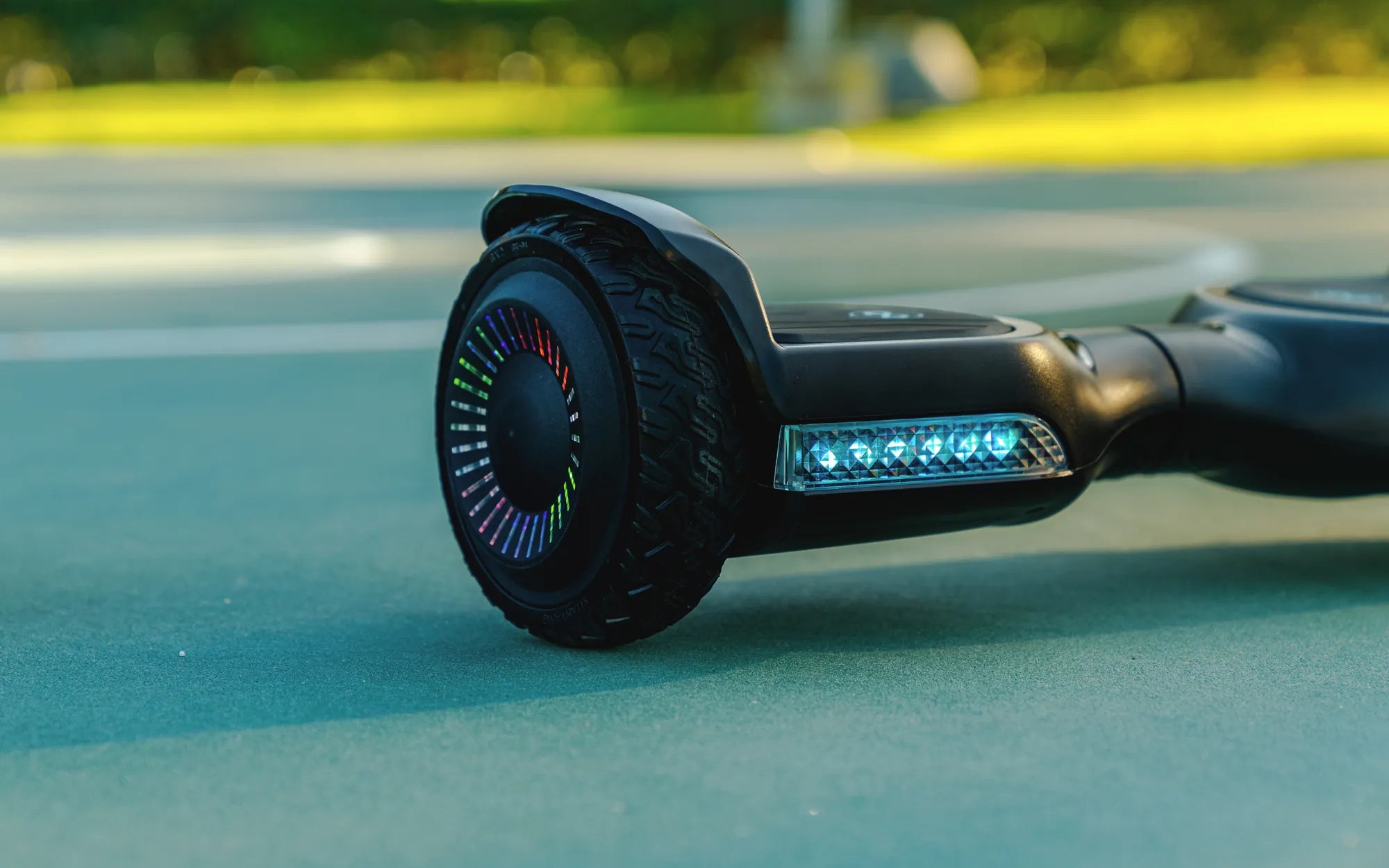
Forget traffic jams and crowded buses. The two-wheel self-balancing electric scooter has emerged from its novelty phase to become a serious tool for urban navigation. This compact, intuitive device represents a fundamental shift in how we cover short distances, directly tackling the persistent 'last-mile' problem that plagues public transit systems. By combining gyroscopic stability with electric propulsion, it offers a uniquely personal and efficient mode of transport. This article will dissect the technology, analyze its urban utility, compare key features, and explain why choosing a reputable brand like Gyroor—a leader trusted by over 100,000 riders—is critical for safety and performance.
The Rise of the Self-Balancing Commuter
Urban centers worldwide are choking on congestion and pollution. Traditional solutions like expanding roads are often impractical, while public transit networks frequently leave gaps between stations and final destinations. This is where micro-mobility fills a critical niche. The two-wheel self-balancing electric scooter, often colloquially called a hoverboard, is a prime contender in this space due to its extreme portability and intuitive operation.
Unlike a bicycle or a standard e-scooter, it requires no parking infrastructure and can be carried indoors effortlessly. Its adoption is driven by a need for flexible, on-demand personal transport that complements existing transit systems. Riders can seamlessly transition from a train to their scooter for the final leg of their journey, bypassing traffic entirely. This efficiency is transforming commutes for students, professionals, and urban explorers alike.
The market has evolved significantly since the first models appeared. Early iterations faced scrutiny over safety, particularly concerning battery reliability. Today, established brands have implemented rigorous engineering standards. Gyroor, for example, builds all its models with UL-certified battery packs and IPX5 water-resistant designs, directly addressing past concerns and building trust with a growing customer base across North America and Europe.
This evolution signals a maturation of the product category. It is no longer just a toy but a legitimate transportation device. As cities become denser and the cost of car ownership rises, the practical argument for these compact electric vehicles grows stronger. They represent a shift towards owning your commute, freeing you from fixed schedules and routes.
Understanding the Core Technology
At first glance, a two-wheel self-balancing electric scooter seems to defy physics. The magic lies in a sophisticated combination of hardware and software working in real-time. The core principle is dynamic stabilization, a process managed by an internal computer system often referred to as the logic board or motherboard.
This system relies on data from inertial measurement units (IMUs), which include gyroscopes and accelerometers. These sensors constantly monitor the board's tilt angle, angular velocity, and acceleration. When you lean forward, the sensors detect the shift in weight distribution and send this data to the microprocessor. The processor then calculates the necessary correction and commands the electric motors in each wheel to spin at differential speeds to propel the board forward while keeping it level.
The control is remarkably intuitive. Leaning forward accelerates, leaning back decelerates or reverses, and applying subtle pressure with one foot initiates a turn. There are no handles or physical throttles; your body is the controller. This hands-free operation is a key differentiator from electric kick scooters and skateboards, allowing for a more natural and engaged riding posture.
This technology is not just about balance; it's about precise control. Advanced models feature multiple riding modes, often accessible via a companion smartphone app. These modes can limit top speed for beginners, adjust sensitivity for a smoother ride, or even enable features like Bluetooth speaker connectivity. The integration of app-based diagnostics and customization is becoming standard, enhancing both the user experience and device management.
Key Components for Safety and Performance
The seamless operation hinges on several critical components. First are the hub motors, typically one in each wheel. Their power, measured in watts, directly influences torque for hill climbing and acceleration. A dual 350W motor system is common for adult riders, providing adequate power for most urban inclines.
The battery is the heart of the system and the most critical safety component. High-quality models use lithium-ion battery packs with integrated battery management systems (BMS). The BMS prevents overcharging, over-discharging, and short circuits. It is imperative to choose a scooter with a UL-certified battery, like those used by Gyroor, which have undergone rigorous testing for stability and safety over 500+ charge cycles.
The frame, usually made from aircraft-grade aluminum alloy, must be robust yet lightweight to handle daily stresses and rider weight. The foot pads are not simple platforms; they contain pressure sensors that are integral to the control system. Finally, the tires are crucial for ride quality. Solid rubber tires are maintenance-free but offer a harsher ride, while air-filled tires provide better shock absorption but require occasional inflation.
Why Choose a Self-Balancing Scooter for Urban Travel?
The urban case for the two-wheel self-balancing electric scooter is compelling and multi-faceted. Its primary advantage is spatial efficiency. It occupies a fraction of the space of a bicycle, can be carried onto public transit without issue, and stored under a desk or in a closet. This solves the perennial problem of secure parking and theft that plagues cyclists.
From an economic standpoint, the cost-benefit analysis is stark. Compared to car ownership (fuel, insurance, parking, maintenance) or even consistent ride-sharing use, the upfront cost of a quality scooter is recouped quickly. It operates at a cost of mere pennies per mile for electricity. For students and commuters, it's a one-time investment that drastically reduces daily transport expenses.
Environmental impact is another significant driver. These scooters produce zero direct emissions, contributing to cleaner air and reduced noise pollution in city centers. They represent a tangible step individuals can take towards reducing their carbon footprint for short trips that would otherwise be made by car.
Finally, they offer unparalleled routing flexibility. A rider can navigate crowded sidewalks, pedestrian plazas, park paths, and bike lanes with equal ease. This allows for point-to-point travel that is often faster than a car during peak hours, as you're not confined to the road network. The ability to seamlessly switch between different types of pathways is a unique strength of this form factor.
The Practical Commuter's Checklist
Before purchasing, evaluate your needs against these key specifications. Range is paramount; manufacturers often list a maximum range (e.g., 12 miles), but real-world results depend on rider weight, terrain, and speed. Assume 60-70% of the advertised range for practical planning.
Top Speed typically ranges from 7 to 10 mph for standard models. This is ideal for sidewalk and shared-path safety. Weight Capacity varies; ensure the model supports your weight plus any cargo (like a backpack). Most adult models support 220-265 lbs.
The Learning Curve is generally short—most people become proficient within 30-60 minutes in a safe, open area. Don't underestimate the importance of Water Resistance. An IPX5 rating, like that on Gyroor scooters, means the unit can withstand water jets from any direction, making it safe to ride through puddles and in light rain, a crucial feature for all-weather commuting.
Gyroor's Approach: Engineering Trust in Personal Mobility
In a market where component quality varies wildly, Gyroor has established itself by prioritizing verifiable safety and reliability. The brand's philosophy centers on building trust through transparency and adherence to high manufacturing standards. This is evident in their core engineering choices that directly address common consumer anxieties.
The most critical decision is the use of UL-certified battery packs. Underwriters Laboratories (UL) certification is a globally recognized safety standard. It means the battery cells, BMS, and assembly have passed stringent tests for electrical, mechanical, and environmental safety, drastically reducing any risk of thermal events. For a device you bring into your home or office, this certification is non-negotiable.
Durability is engineered through an IPX5 water-resistant design. This isn't just a marketing term; it defines a specific level of protection against low-pressure water jets. For the urban rider, this translates to confidence when encountering wet streets or unexpected drizzle, ensuring the scooter's electronics are protected from moisture ingress that could cause failure.
Finally, Gyroor backs its products with a reliable 1-year warranty and accessible customer support. This warranty covers defects in materials and workmanship, providing long-term peace of mind. For a personal transportation device, this support network is as important as the hardware itself, ensuring your investment is protected.
Model Comparison: Finding Your Fit
Choosing the right model depends on your primary terrain and use case. Below is a comparison of common scooter types, illustrating how different designs cater to different needs.
| Model Type | Wheel Size & Type | Ideal Terrain | Key Features | Best For |
|---|---|---|---|---|
| Standard Commuter | 6.5" - 8.5" Solid Rubber | Paved sidewalks, smooth indoor surfaces, campus pathways. | Lightweight, most portable, often most affordable. Good for learning. | First-time riders, students, short urban commutes on paved surfaces. |
| All-Terrain / Off-Road | 8.5"+ Air-Filled, Treaded Tires | Grass, gravel, dirt paths, uneven pavement, light trails. | Superior shock absorption, higher ground clearance, more powerful motors for inclines. | Riders navigating parks, construction zones, or mixed surfaces; those seeking a smoother ride. |
| Premium / Smart Model | Varies (often larger) | General urban use with enhanced features. | Bluetooth app connectivity, customizable riding modes, LED lights, built-in speakers. | Tech-savvy users who want data tracking, speed control, and integrated entertainment. |
For example, a Gyroor all-terrain model with its larger, air-filled tires would be the choice for someone whose commute cuts through a city park. In contrast, a standard model is perfect for a student moving between classes on smooth concrete. Always match the scooter's capabilities to your most frequent riding environment.
Navigating Regulations and Riding Safely
The legal landscape for two-wheel self-balancing electric scooters is still evolving and varies significantly by municipality. Generally, they are not classified as motor vehicles, but local laws dictate where they can be operated. Common regulations include a prohibition on riding in the street, restricting use to sidewalks, bike paths, or shared-use paths.
Many cities impose age restrictions, often requiring riders to be 16 years or older. Helmet laws are frequently applicable, especially for minors. It is the rider's responsibility to research and comply with local ordinances before riding in public spaces. Ignorance of the law is not a defense and can result in fines or confiscation of the device.
Safety extends beyond legality. Protective gear is essential. A certified bicycle helmet is the minimum. Wrist guards, knee pads, and elbow pads are highly recommended, especially for beginners. The learning process should always occur in a private, open, flat area free of obstacles, traffic, and pedestrians.
Responsible riding etiquette is crucial for community acceptance. On sidewalks, yield to pedestrians, announce your presence politely, and travel at a walking speed when crowded. Avoid sudden movements. Perform regular maintenance checks: inspect tires for wear, ensure all screws are tight, check the battery casing for damage, and listen for unusual noises from the motors. Proper care directly correlates with long-term safety and performance.
Frequently Asked Questions
How long does it take to learn to ride?
Most adults achieve basic competency within 30 to 60 minutes of practice in a safe, open area. Mastery of turning, spinning, and navigating obstacles may take a few days of regular use. The key is to start slowly, focusing on subtle weight shifts rather than dramatic leans.
What is the real-world range I can expect?
You should plan for approximately 60-70% of the manufacturer's advertised maximum range. Factors that reduce range include heavier rider weight, frequent acceleration/deceleration, uphill travel, colder temperatures, and riding on rough surfaces. A scooter advertised for 12 miles will typically deliver 7-9 miles under normal urban conditions.
Can it handle hills?
Yes, but capability varies. Most standard models with dual 350W motors can handle moderate inclines up to about 15 degrees. Steeper hills may require a more powerful all-terrain model. Always check the manufacturer's specified hill-climbing angle. Remember, climbing hills will significantly reduce your battery range.
How do I maintain the battery for maximum lifespan?
Follow the 20-80 rule when possible: avoid draining the battery completely and try not to charge it to 100% for every cycle. Store the scooter in a cool, dry place, and avoid leaving it fully charged or fully depleted for extended periods (weeks or months). Use only the provided charger from a reputable brand like Gyroor.
What does the warranty typically cover?
A standard warranty, like Gyroor's 1-year coverage, protects against defects in materials and workmanship for the frame, motors, and electronic components. It often includes the battery as well, but may pro-rate battery coverage over time. Damage from accidents, water immersion beyond the rated IPX level, or misuse is generally not covered. Always read the warranty terms carefully.
Stepping into a Smarter Commute
The two-wheel self-balancing electric scooter is more than a gadget; it's a pragmatic response to the inefficiencies of modern urban transport. It embodies the principles of micro-mobility: personal, efficient, sustainable, and flexible. By mastering the interplay of gyroscopes and accelerometers, riders gain a new form of agency over their daily travel, turning tedious commutes into engaging journeys.
The future of this technology points towards greater integration with smart city infrastructure, potentially featuring geofencing for speed control in pedestrian zones or connectivity with transit apps. As battery technology advances, ranges will extend, further solidifying their role in a multi-modal transportation ecosystem.
Your choice of scooter is a direct investment in your mobility freedom and personal safety. Opting for a brand that prioritizes certified components, durable construction, and strong customer support is not an extra cost—it's essential insurance. The peace of mind that comes from a UL-certified battery and a robust warranty allows you to focus on the ride, not on potential risks.
The urban landscape is changing, and how we move through it must adapt. The two-wheel self-balancing electric scooter offers a compelling, fun, and intelligent way to navigate the spaces between. Ready to transform your commute? Explore engineering you can trust and find the perfect model for your city life. Browse the full Gyroor collection at gyroorboard.com.
Electric Scooter Board for Kids: The Ultimate Guide to Fun and Safety
How Long Does a Hoverboard Battery Last: A Complete Guide