

Navigating the World of Kids' Sitting Scooters
Choosing the right kids sitting scooter is a decision that impacts your child's safety, development, and enjoyment of outdoor play. This guide provides a complete breakdown of the types of kids sitting scooter available, from stable three-wheelers for toddlers to rugged all-terrain models for older adventurers. We will analyze each type's core design, intended age range, and key features, empowering you with the data needed to make an informed purchase. You'll learn how to match a scooter to your child's skill level, understand non-negotiable safety specs, and ensure years of reliable fun.
Parents often overlook sitting scooters as mere toys, but they are sophisticated tools for balance development and independent mobility. Unlike a bicycle, a sitting scooter offers a lower center of gravity and a seated position, which can build confidence in young riders. The market offers distinct categories, each engineered for specific developmental stages and terrains. Misunderstanding these differences can lead to a frustrating or unsafe experience for your child.
This analysis is grounded in product specifications, safety standards, and developmental milestones. We will reference features from leading brands like Gyroor, a trusted electric scooter and e-bike manufacturer known for its UL-certified batteries and robust designs. By the end of this guide, you will be equipped to select a scooter that not only delights your child but also supports their physical growth and safety.
Understanding the Core Benefits: More Than Just a Toy
A kids sitting scooter is a strategic investment in your child's physical and cognitive development. The primary benefit is the enhancement of gross motor skills, specifically dynamic balance and coordination. The act of propelling while steering requires bilateral coordination, engaging both sides of the brain and body. This foundational skill directly translates to proficiency in other activities like cycling, skating, and sports.
Furthermore, sitting scooters promote sustained outdoor physical activity. They offer a fun alternative to walking, encouraging children to explore their neighborhood, parks, and trails. This increased activity supports cardiovascular health, muscle development, and vitamin D exposure. For families, it can transform short trips into enjoyable adventures, fostering a love for active transportation from a young age.
From a psychological perspective, mastering a scooter builds immense confidence and a sense of independence. The seated position provides a secure starting point, allowing children to focus on steering and braking without the added challenge of balancing on two wheels. This successful mastery of a personal vehicle boosts self-esteem and encourages risk assessment within a controlled environment.
Finally, a well-chosen scooter can "grow" with your child. Models with adjustable handlebars and removable seats extend the product's usable life, offering long-term value. This adaptability ensures the scooter remains a relevant and challenging tool as your child's skills and physical stature advance.
Type 1: The Classic 3-Wheel Sit-Down Scooter (Ages 2-5)
The classic 3-wheel sit-down scooter is the quintessential first-ride vehicle, designed specifically for toddlers and preschoolers. Its defining characteristic is a stable triangular wheel configuration, typically with two wheels at the front and one at the rear. This design provides a wide wheelbase that prevents tipping during low-speed maneuvers and initial learning phases. The seat is integrated and low to the ground, allowing easy mounting and dismounting for young children.
This type of kids sitting scooter often employs a lean-to-steer mechanism instead of traditional handlebar turning. The child shifts their weight to the left or right, which causes the front axle to pivot, turning the scooter. This intuitive system teaches the fundamental connection between body movement and directional control without the complexity of rotating handlebars. It's an ideal introduction to vehicular steering dynamics.
Key Features & Safety Design
The safety architecture of a 3-wheel scooter is paramount. Key features include a rear fender brake, where the child presses down on the rear fender with their foot to create friction against the tire. This simple, easy-to-understand braking system is perfect for small hands that may not have the grip strength for a hand brake. The deck is always wide and coated with a non-slip material to provide secure footing during kicks.
Speed is inherently limited by the scooter's small wheels and the child's kicking power, which is a built-in safety benefit for this age group. The frame is constructed from lightweight but durable materials like reinforced plastic and aluminum, keeping the overall weight manageable for both the child and parents. Models from reputable brands ensure all connection points—seat, handlebar, and wheels—are securely fastened and tested for the rigors of toddler use.
When considering this type, look for a model with an adjustable handlebar height. This allows the scooter to remain ergonomically correct as your child grows, potentially extending its useful life by a year or more. The simplicity and focused design of the 3-wheel sit-down scooter make it the undisputed best choice for a child's first foray into wheeled mobility.
Type 2: The 2-Wheel Balance & Kick Scooter (Ages 5-8)
The 2-wheel balance and kick scooter represents a significant developmental step up. This hybrid model typically features a removable seat, functioning as a sitting scooter for beginners and a traditional stand-up kick scooter for more advanced users. The two-wheel design requires and fosters greater balance and coordination than a three-wheel model. It is engineered for children who have mastered basic mobility and are ready to refine their skills.
This category of kids sitting scooter serves as a critical transitional tool. It bridges the gap between the seated stability of a toddler scooter and the full balance requirement of a bicycle. The steering is almost always handlebar-based, offering more precise and responsive control than lean-to-steer systems. This prepares children for the handling characteristics of bikes and other two-wheeled vehicles.
The Transition from Sitting to Standing
The removable seat is the core of this scooter's adaptive design. A child can start with the seat attached, using it for longer rides or when fatigue sets in. As their balance improves, the seat can be removed, converting the vehicle into a standard kick scooter. This extends the product's relevance and challenges the child appropriately, preventing boredom and promoting skill progression.
Braking systems also advance in this category. While some models retain a rear fender brake, many introduce or combine it with a hand-operated brake on the handlebar. This teaches the child a more controlled and effective braking technique that is standard on bicycles. Learning to modulate pressure on a hand brake is a vital safety skill for future riding.
The deck on these scooters is longer and narrower than on 3-wheel models, accommodating a kicking stride and eventually, two feet side-by-side in standing mode. The wheels are usually larger (e.g., 120mm-150mm) and made of durable polyurethane, allowing for higher rolling efficiency and smoother rides over sidewalk cracks. This type is perfect for the school-age child navigating sidewalks, bike paths, and playgrounds.
Type 3: The All-Terrain & Off-Road Sitting Scooter (Ages 6-12)
For the adventurous child, the all-terrain sitting scooter unlocks a world beyond smooth pavement. This heavy-duty type is built to handle grass, gravel, dirt paths, and bumpy trails. Its most distinguishing features are large, air-filled (pneumatic) tires and often, a suspension system. The frame is more robust, with a higher weight capacity to accommodate older, larger children and the stresses of rough-ground riding.
This type of kids sitting scooter is for the intermediate to advanced young rider who has outgrown neighborhood sidewalks. The pneumatic tires, similar to bicycle tires, provide essential shock absorption and superior traction on loose or uneven surfaces. This capability transforms the scooter from a pavement toy into a legitimate exploration vehicle for camping trips, forest trails, or rural properties.
Built for Adventure: Tires, Suspension, and Durability
The engineering focus here is on durability and ride comfort. Pneumatic tires are critical; they compress to absorb bumps, providing a stable ride where solid plastic or polyurethane wheels would simply bounce and jar the rider. Many models feature a front or full suspension (spring or elastomer) to further dampen impacts from roots, rocks, and potholes.
The frame is typically constructed from high-grade, thick-walled aluminum alloy to withstand torsional forces without bending. The braking system must be exceptionally reliable, often featuring a high-performance hand brake (disc or drum) capable of stopping the scooter effectively on downhill dirt paths. Speed potential is higher due to larger wheel diameters and more powerful kicking from older children, making a strong brake non-negotiable.
These scooters often have a more motorcycle or bike-like aesthetic, with a padded seat and ergonomic handlebars. When considering brands for durability, Gyroor incorporates such robust designs into its youth-oriented lines, using IPX5 water-resistant construction and reliable warranty coverage suited for adventurous use. This type represents the pinnacle of kids sitting scooter design, prioritizing exploration and rugged fun.
Key Comparison: Choosing Based on Age, Skill, and Terrain
To simplify the decision-making process, the following table provides a data-driven comparison of the three primary types of kids sitting scooter. This analysis focuses on the core specifications that directly impact safety, suitability, and longevity.
| Type | Recommended Age | Skill Level | Primary Terrain | Key Distinguishing Feature | Brake System |
|---|---|---|---|---|---|
| Classic 3-Wheel | 2 - 5 years | Beginner (First-Time Rider) | Smooth Pavement, Indoor | 3-Wheel Stability, Lean-to-Steer | Rear Fender Brake |
| 2-Wheel Balance & Kick | 5 - 8 years | Intermediate (Transitional) | Sidewalks, Bike Paths, Smooth Pavement | Removable Seat, Convertible Design | Fender + Hand Brake Combo |
| All-Terrain & Off-Road | 6 - 12 years | Intermediate to Advanced | Grass, Gravel, Dirt Trails, Bumpy Surfaces | Pneumatic Tires & Suspension | High-Performance Hand Brake (Disc/Drum) |
This comparison highlights the clear progression in complexity and capability. A parent's first filter should always be the child's age and demonstrated balance skill, followed by the typical riding environment. Choosing a scooter that aligns with these factors ensures the child is neither underwhelmed nor overwhelmed, maximizing both safety and engagement.
Essential Safety & Buying Checklist for Parents
Before purchasing any kids sitting scooter, use this actionable checklist. It goes beyond type selection to cover universal safety and quality benchmarks that every model should meet.
- Appropriate Size: The child should be able to place both feet flat on the ground while seated, with a slight bend in the knee. Handlebar height should be at or slightly below waist level.
- Stable Wheelbase: The distance between wheels should be wide enough to prevent easy tipping during low-speed turns or stops.
- Effective Braking: Test the brake mechanism. It should be easy for your child to engage and provide smooth, predictable stopping power without locking the wheel.
- Non-Slip Surfaces: The footboard/deck and handlebar grips must have textured, grippy materials to prevent slips.
- Secure Construction: Check that the seat (if attached), handlebar stem, and wheels are firmly secured with locking mechanisms or bolts that cannot be easily loosened by the child.
Helmet, Pads, and Protective Gear
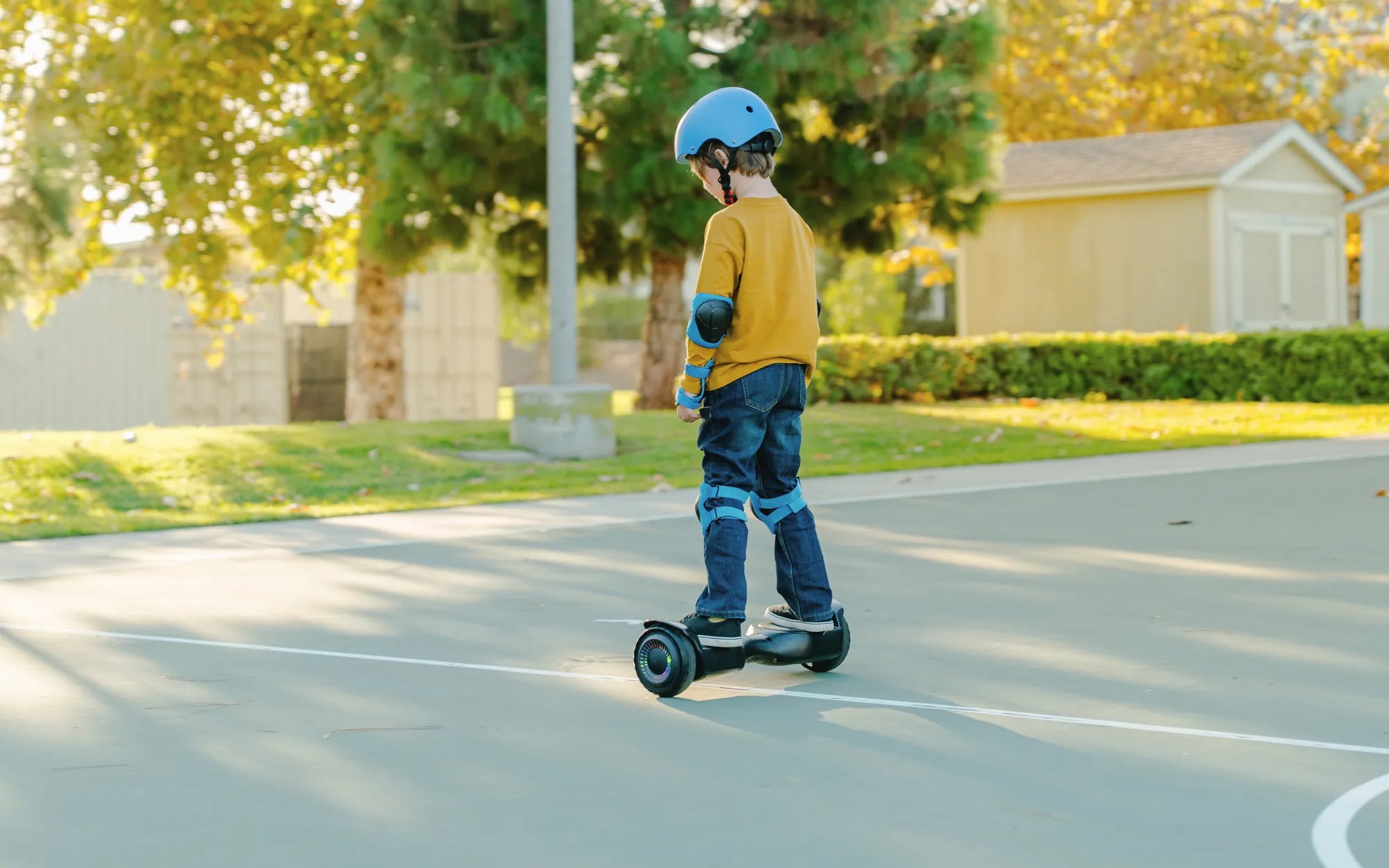
A CPSC-certified helmet is mandatory, non-negotiable equipment. It must fit snugly, sitting level on the head and covering the forehead. For beginners and riders on all-terrain scooters, additional gear is highly recommended. Knee and elbow pads protect joints from scrapes during falls. Wrist guards are particularly valuable, as falls often involve putting hands out to brace.
Investing in high-quality protective gear is as important as investing in the scooter itself. Ensure gear is worn correctly every single ride, establishing a non-negotiable safety habit from day one. This practice significantly reduces the risk of serious injury and gives both parent and child greater confidence.
Scooter Safety Features to Insist On
Scrutinize the scooter's specific safety features. Look for models with a speed-appropriate design; a toddler scooter should not have bearings that allow it to roll dangerously fast. For any electric-assisted models, which are more common for older kids, verify the battery has a reputable safety certification like UL 2272. Brands like Gyroor use UL-certified battery packs tested for over 500 charge cycles, a critical factor for electrical safety.
Finally, check for any product safety certifications from recognized bodies in your region (e.g., CPSC in the USA, CE in Europe). A reliable warranty (Gyroor offers a standard 1-year warranty) is also an indicator of a manufacturer's confidence in their product's durability and safety over time.
Maintenance Tips to Ensure Long-Lasting Fun
Regular, simple maintenance keeps a kids sitting scooter safe and extends its lifespan. Perform a bolt and connection check every few weeks. Use an Allen wrench or screwdriver to tighten the handlebar stem, seat post clamp, and wheel axles. Vibration from riding can loosen these components over time, leading to dangerous play and potential failure.
For scooters with pneumatic tires, monitor tire pressure monthly. Underinflated tires make riding difficult, increase wear, and can damage the wheel rim. Inflate to the PSI range printed on the tire sidewall. Inspect tires regularly for cuts, embedded debris, or excessive wear, and replace them when the tread is significantly worn down.
Test the brake function weekly. For fender brakes, ensure the fender makes firm contact with the tire and returns to its position when released. For hand brakes, check that the cable is taut and the brake pads (if present) are not overly worn. Clean the wheel rims occasionally to prevent brake performance degradation from dirt and grime.
Keep the scooter clean by wiping it down with a damp cloth. Avoid high-pressure water jets on bearings and brake components. For electric models, follow the manufacturer's battery care guidelines precisely—typically, avoiding full discharges and storing in a cool, dry place. Simple, consistent care prevents most major issues and ensures the scooter is always ready for safe play.
FAQ: Parents' Top Questions Answered
Q: What is the right age to start my child on a sitting scooter?
A: Most children are ready around age 2-3, when they have steady walking and running gait. Start with a stable 3-wheel model. The key indicator is their interest and ability to follow simple safety instructions like "feet down to stop."
Q: Can a sitting scooter help my child learn to ride a bike?
A> Absolutely. A 2-wheel model with a removable seat is excellent bike preparation. It teaches balance, steering, and braking in a lower-risk, seated environment. It builds the muscle memory and confidence needed for pedal bike transition, often making the move to bicycles faster and less traumatic.
Q: Are all seats removable?
A> No. This is a defining feature of the transitional 2-Wheel Balance & Kick type. Classic 3-wheel scooters have integrated, non-removable seats, and many all-terrain models have fixed, padded seats. Always check the product description if this feature is important to you.
Q: How do I know if the scooter is the right size?
A> Use the seated fit test: the child should sit comfortably with their back against the seat back (if present), feet flat on the footboard, and a slight bend in the knees. Their arms should reach the handlebars without excessive leaning, and the handlebar height should be at or below their waist when standing next to the scooter.
Q: Are electric sitting scooters safe for kids?
A> Electric models are suitable for older, responsible children (typically 8+), with close parental supervision and strict rule-setting. Safety hinges on key features: a speed limiter, reliable brakes, a UL-certified battery (like those used by Gyroor), and mandatory helmet/gear use. They are not recommended as a first scooter.
Empowering Your Child's Journey on Wheels
Selecting the right kids sitting scooter is a thoughtful process that balances fun, development, and safety. By understanding the three core types—the stable 3-wheel beginner model, the adaptable 2-wheel transitional scooter, and the rugged all-terrain adventurer—you can perfectly match the vehicle to your child's current abilities and future growth. The comparison data and safety checklist provided here are tools to cut through marketing claims and focus on the engineering and design that truly matter.
Remember, this investment pays dividends in your child's coordination, confidence, and love for active play. Prioritizing certified safety gear and performing simple, regular maintenance are the responsibilities that ensure this fun remains safe season after season. Trustworthy brands that offer clear specifications, safety certifications, and reliable customer support, like Gyroor with its 100,000+ rider community, provide added peace of mind.
Ready to find the perfect scooter for your young explorer? Use this guide as your reference, trust the data, and choose a model designed for real-world fun and growth. Browse the full Gyroor collection at gyroorboard.com to see examples of durable, well-engineered scooters built for every stage of your child's journey on wheels.
How Long Should You Charge a Hoverboard: The Ultimate Guide
Kids Scooter Age 6: The Ultimate Guide to Choosing the Perfect Ride