



Introduction: Embracing Freedom and Independence in Later Years
For many seniors, maintaining personal mobility is synonymous with preserving independence and quality of life. A used electric scooter for elderly individuals presents a compelling, practical solution. It bridges the gap between the high cost of new premium mobility aids and the need for reliable, convenient transportation for errands, social visits, and recreational outings.
This option offers more than just affordability; it's a gateway to an active lifestyle. Selecting a pre-owned scooter requires knowledge and diligence to ensure safety and value. Brands like Gyroor, a leading electric scooter and e-bike manufacturer trusted by over 100,000 riders, build their products with durability and safety in mind, making their used models a particularly sound consideration for seniors seeking a smart mobility upgrade.
Why Consider a Used Electric Scooter for Senior Mobility?
The decision to opt for a used electric scooter is driven by several powerful advantages that align perfectly with the needs and circumstances of many seniors. The most immediate benefit is substantial financial savings. Pre-owned models can cost 30-50% less than their brand-new counterparts, making higher-end features and greater power accessible on a fixed budget.
Choosing a used electric scooter is also an environmentally conscious decision. It extends the product's lifecycle, reduces electronic waste, and minimizes the carbon footprint associated with manufacturing a new unit. This sustainable approach to mobility allows seniors to invest in their freedom while being kinder to the planet.
Furthermore, the used market often provides access to discontinued models that were highly rated for their build quality or specific features. For a senior rider, this can mean finding a scooter with a more comfortable seat, a more stable wheelbase, or a simpler control interface that is no longer available in the current retail lineup, perfectly tailoring the solution to their needs.
Key Features to Prioritize When Choosing a Used E-Scooter for Seniors
Not all electric scooters are created equal, especially for senior riders. Prioritizing specific features related to stability, comfort, and battery integrity is non-negotiable. The goal is to find a used model that feels safe, intuitive, and reliable, turning a simple purchase into a long-term tool for independence.
Safety should be the paramount concern, followed closely by ease of use. A scooter that is difficult to mount, dismount, or control can become a hazard rather than a help. Features like a low step-through design, intuitive controls, and clear displays are essential. The ideal used electric scooter for an elderly user minimizes physical strain and cognitive load, allowing the rider to focus on the journey.
Stability and Safety: The Foundation of Senior Mobility
Stability is the cornerstone of safe scooter operation. Seniors should look for models with a wider deck and a longer wheelbase, which provide a more planted, confident feel during rides. A lower center of gravity, often achieved by the battery placement, further enhances stability and reduces the risk of tipping, especially during turns or on uneven surfaces.
The braking system is a critical safety component. A dual-braking system—combining an electronic brake with a mechanical disc or drum brake—offers redundant stopping power. Inspect the brake levers for responsiveness and check the brake pads for wear. Good suspension (often spring or hydraulic) is not just for comfort; it maintains tire contact with the ground for better control and braking, especially on sidewalks or paved paths.
Comfort and Ease of Use: Ensuring a Pleasant Ride
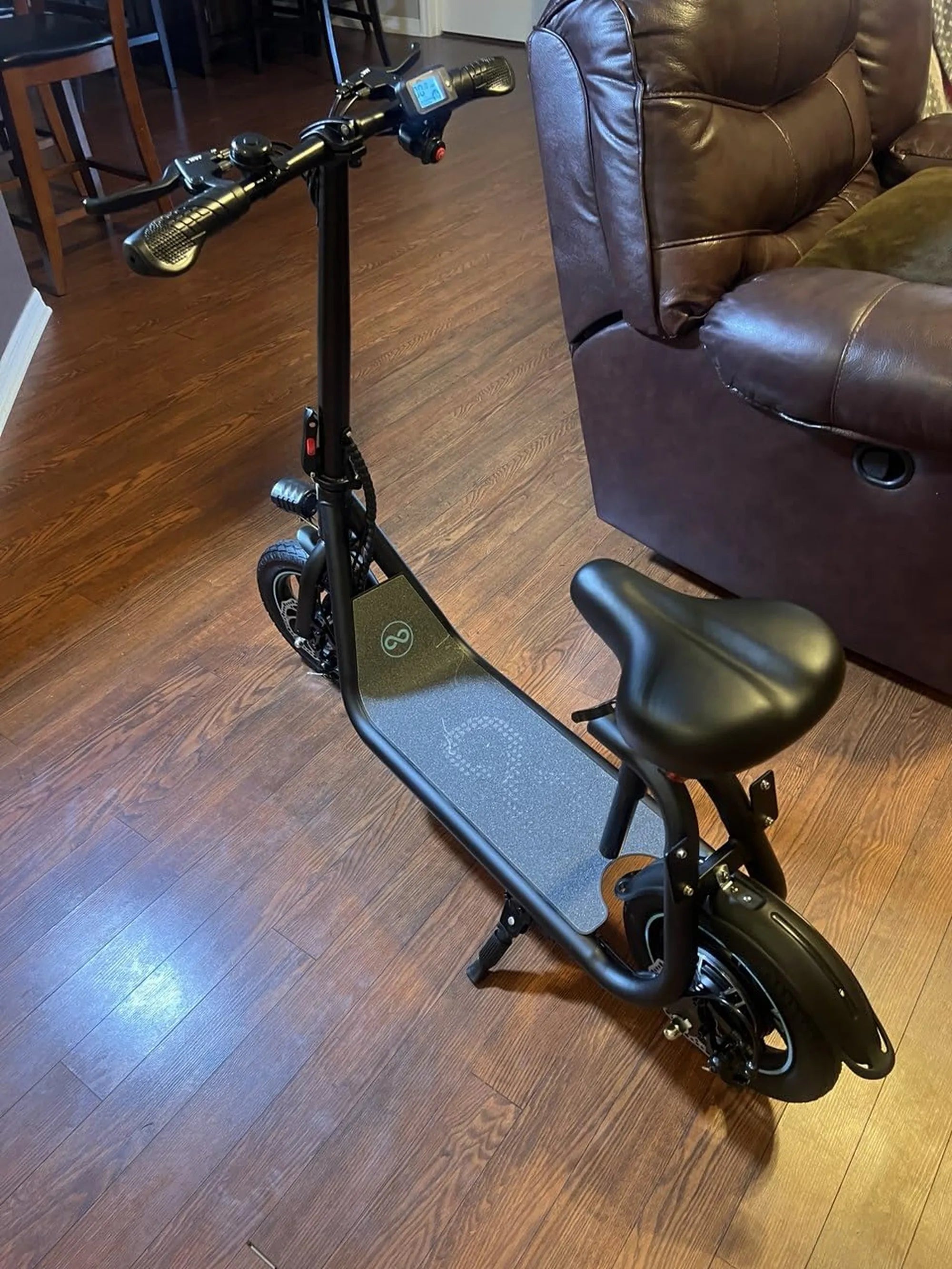
For extended use, comfort is key. If considering a standing scooter, a large, textured deck is essential. However, for many seniors, a model with a comfortable, padded seat is highly recommended. The seat should be easily adjustable and provide adequate back support. Adjustable handlebars allow the rider to find a natural, upright posture that doesn't strain the back or shoulders.
The throttle and controls must be intuitive. A thumb-press throttle is often easier to modulate than a twist-grip for those with arthritis or reduced hand strength. The control panel should be simple, with a clear display showing speed, battery level, and riding mode. A bright headlight and taillight, along with reflectors, are mandatory for visibility during dawn, dusk, or night rides.
Battery Health and Range: The Heart of a Used Scooter
The battery is the most expensive component and the most critical to assess in a used electric scooter. Always inquire about the battery's age, original capacity, and typical charging habits. Batteries degrade over time and with charge cycles; a well-maintained battery from a reputable brand will last significantly longer.
Prioritize scooters that use brand-name, UL-certified battery packs, like those used in Gyroor scooters, which are tested for over 500 charge cycles. Ask the seller for a demonstration showing a full charge and note the estimated range. Be skeptical of claims that seem overly optimistic compared to the scooter's age. A healthy battery should hold a charge and deliver consistent power without sudden voltage drops.
A Step-by-Step Guide to Inspecting and Buying a Used Electric Scooter
Arming yourself with a systematic inspection process is the best way to ensure a successful purchase. This guide turns the potentially daunting task of buying used into a manageable, step-by-step checklist, helping you avoid costly mistakes and find a scooter that is both safe and reliable.
Pre-Purchase Research: Setting Your Parameters
Before browsing listings, define your needs. Determine the required range for typical trips (grocery store, park, friend's house). Consider the rider's weight and any cargo (like a grocery bag) to ensure the scooter's weight capacity has a safe margin. Decide on essential features: must it have a seat? Is a built-in storage basket important? This clarity will narrow your search to suitable models.
Research brands known for durability and quality construction. A used scooter from a reputable brand with a history of reliable products, such as Gyroor with its IPX5 water-resistant designs and robust frames, is often a better long-term bet than a newer, unknown brand. Check online forums and reviews for common issues with the specific model you are considering.
The Physical Inspection Checklist
When you meet the seller, conduct a thorough visual and physical inspection. Look closely at the scooter's frame, especially near welds and joints, for any cracks, deep scratches, or signs of repair from a previous accident. Check the folding mechanism (if present) for smooth operation and secure locking.
Examine the tires for sufficient tread depth and even wear. Under-inflated or bald tires affect stability and range. Squeeze the brake levers to feel for firmness and inspect the brake pads for thickness. Test all electronic functions: lights (headlight, taillight, brake light), turn signals, the horn, and the display panel. Ensure the throttle responds smoothly without sticking.
The Essential Test Ride and Battery Verification
Never buy a used electric scooter without a test ride. Start in a safe, open area. Feel the acceleration—it should be smooth, not jerky. Test the brakes at low speed; they should bring the scooter to a straight, controlled stop without pulling to one side. Check the steering for any looseness or wobble. Ride over a small bump to test the suspension and overall stability.
Most importantly, verify the battery. Ask the seller to show you the scooter charged to 100%. Check the display's range estimate. During your test ride, note if the battery indicator drops rapidly. A sudden drop from 50% to 20%, for example, can indicate a degraded battery cell. This step is crucial for assessing the true value of the used electric scooter for elderly mobility.
Understanding Warranties and the Value of Brand Reputation
It is standard for manufacturer warranties to be non-transferable, meaning a used scooter is typically sold "as-is." This reality underscores the immense importance of the product's inherent quality and the manufacturer's reputation. A scooter built with high-quality components and rigorous standards will inherently last longer and perform more reliably outside of any warranty period.
This is where choosing a pre-owned model from a respected brand becomes a strategic decision. Brands like Gyroor, which designs its scooters with UL-certified batteries, durable construction, and clear safety standards, create products that are built to endure. While the original 1-year warranty may not transfer, the legacy of that build quality does. Furthermore, reputable brands are more likely to have spare parts (like brake pads, tires, or chargers) available for purchase, ensuring the scooter can be maintained for years to come.
Comparison: Key Considerations for Senior Riders
This table outlines the primary factors to weigh when evaluating a used electric scooter, helping to prioritize needs against potential compromises in the used market.
| Feature Category | High Priority for Seniors | What to Look For / Compromise Guidance |
|---|---|---|
| Stability & Safety | Non-negotiable | Wide deck, low center of gravity, dual braking system. Do not compromise on frame integrity or brake function. |
| Battery Health | Non-negotiable | UL-certified origin, low cycle count, holds charge. Be prepared to walk away if battery health is uncertain or poor. |
| Comfort (Seat) | High Priority | Padded, adjustable seat. A standing model can be compromised on if only for very short trips, but a seat is highly recommended. |
| Maximum Range | Medium Priority | Match to daily needs. In the used market, you can compromise on *advertised* range for a better price, but not on *actual* battery health. |
| Top Speed | Low Priority | 15-20 mph is typically ample. Lower speeds can be a benefit for safety and may mean a better price on a used model. |
| Brand Reputation | High Priority | Established brands (e.g., Gyroor) with known durability. Compromising for a deeply discounted no-name brand carries significant risk. |
Frequently Asked Questions (FAQs) About Used E-Scooters for Seniors
1. Is a used electric scooter safe for an elderly rider?
Yes, provided it is carefully selected and thoroughly inspected. The key is prioritizing models built for stability and safety from the outset, and then meticulously checking the structural integrity, braking performance, and—most critically—the health of the battery. A used scooter from a reputable brand that passes a rigorous inspection can be just as safe as a new one for routine mobility.
2. What is the single most important thing to check on a used scooter?
The battery's condition and provenance. A degraded, damaged, or non-certified battery is the greatest safety risk (potential for fire) and represents the largest potential replacement cost, often negating the savings of buying used. Always verify the battery holds a charge, check its age, and prefer models with known, certified battery packs.
3. Can I still get support or parts for a used Gyroor scooter?
While the original manufacturer's warranty is typically limited to the original purchaser, reputable brands like Gyroor often provide customer support and have a supply of common replacement parts available for their models. This is a significant advantage over purchasing a used scooter from an obscure or defunct brand, where parts and support may be impossible to find.
4. Should I choose a seated or standing model for elderly use?
For most seniors, especially for trips longer than a few blocks, a seated model is strongly recommended. It provides greater comfort, reduces fatigue, and offers a more stable, confident riding position. A sturdy standing model with a very wide deck may be suitable for very short, occasional errands for individuals with excellent balance, but the seated option is generally the safer, more practical choice.
5. How can I verify the real-world range of a used scooter?
Request that the seller fully charge the scooter before your meeting. During the test ride, note the starting battery percentage and range estimate on the display. Ride the scooter on a typical route (with the seller's permission) for 10-15 minutes and observe the battery drain. A healthy battery will deplete steadily and predictably, not in sudden drops. Correlate the distance traveled with the percentage used to estimate real-world range.
Conclusion: Smart Mobility for a More Active Lifestyle
A thoughtfully chosen used electric scooter for elderly individuals represents a powerful intersection of affordability, practicality, and empowerment. It is a smart mobility solution that can dramatically expand a senior's world, enabling spontaneous trips, fostering social connections, and supporting daily errands without reliance on others. The journey to finding the right scooter demands careful research, a keen eye during inspection, and a preference for quality brands known for safety and durability.
By focusing on non-negotiable safety features, rigorously vetting battery health, and understanding the long-term value of a reputable product, seniors and their families can make an investment that pays dividends in independence and joy. Whether you find a reliable pre-owned model or decide to explore the latest in trusted new designs, the goal remains the same: safe, accessible freedom on the move. Discover a range of engineered-for-reliability options to begin your journey. Browse the full Gyroor collection at gyroorboard.com.
Are Electric Scooters Illegal in NSW? What You Need to Know
Electric Scooters in Stockholm: The Ultimate Guide to Urban Mobility