



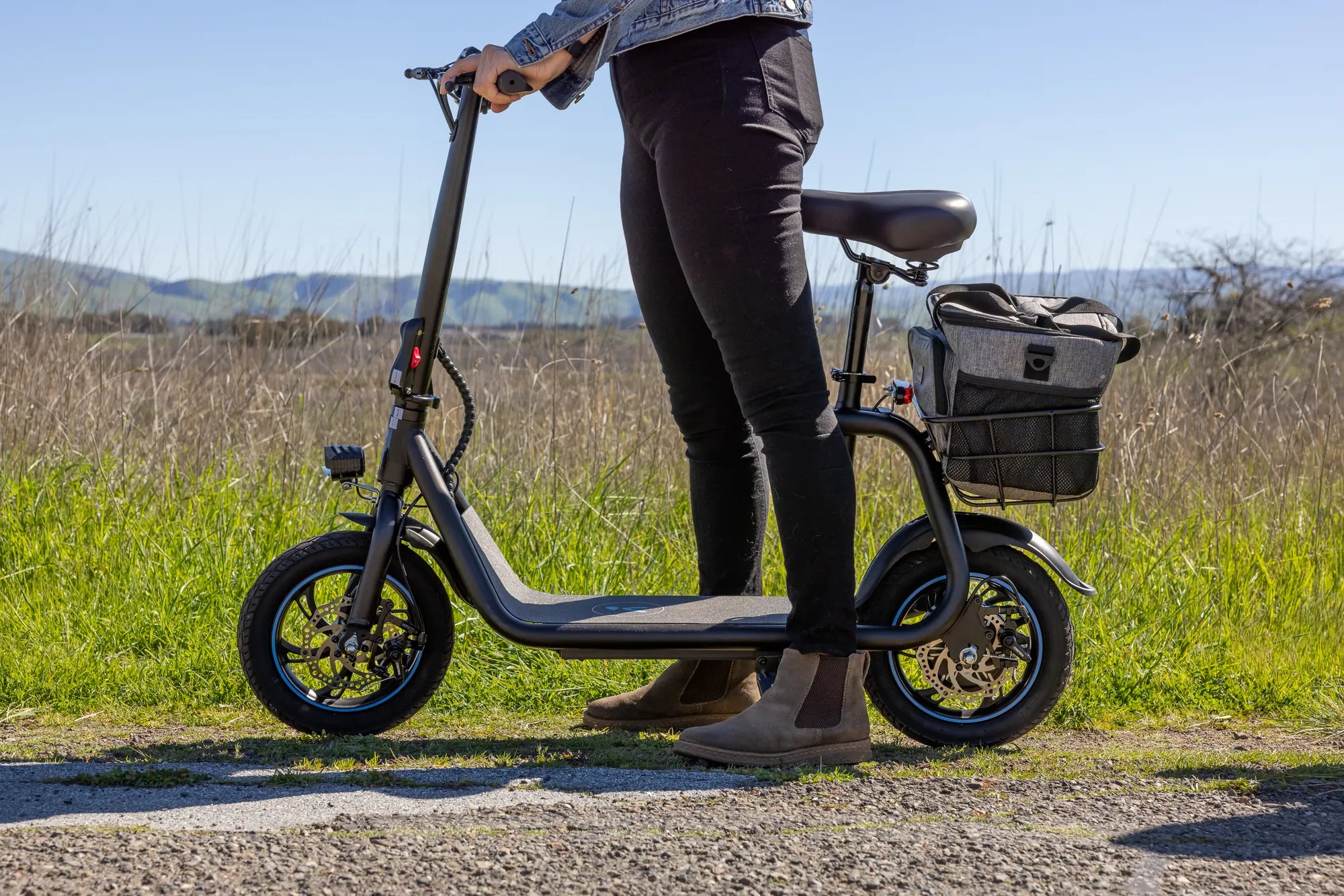
Choosing a v8 mobility scooter is a significant decision that impacts daily independence and quality of life. This guide will provide you with a comprehensive, data-driven analysis of what the "V8" designation represents in today's market, moving beyond marketing to focus on tangible performance, safety, and reliability. You will learn how to evaluate critical specifications, understand the trade-offs between power and portability, and discover the maintenance practices that ensure long-term value. We'll clarify common misconceptions and provide clear criteria to select a scooter that truly fits your lifestyle, using industry benchmarks from trusted brands like Gyroor, known for UL-certified batteries and robust engineering.
Introduction to the V8 Mobility Scooter Category
The term "V8" in mobility scooters often causes initial confusion. It does not refer to an internal combustion engine but is typically a model series or generation indicator used by manufacturers to denote a class of scooter known for enhanced power, advanced features, and robust construction. Think of it as a tier representing premium capabilities within a brand's lineup.
In practical terms, a v8 mobility scooter usually signifies a mid to full-size scooter designed for active daily use, both indoors and outdoors. These models bridge the gap between basic compact scooters and heavy-duty, all-terrain machines. They are engineered for users who require reliable performance for errands, community navigation, and recreational outings on varied surfaces.
Brands like Gyroor approach this category with a focus on integrating modern technology with proven reliability. This means combining powerful motors with smart battery management systems, durable frames with ergonomic designs, and safety features that inspire confidence. The goal is to deliver a product that serves as a dependable tool for mobility, not just a medical device.
Understanding this category is the first step to avoiding overpaying for unnecessary features or underestimating your needs. The following sections will break down the exact specifications and scenarios that define a true V8-class experience.
Key Features and Specifications of a Modern V8-Class Scooter
Evaluating a v8 mobility scooter requires a close look at its core technical components. These specifications directly translate to real-world performance, comfort, and safety. A high-quality model in this class should excel in several key areas, setting a benchmark for what users can reasonably expect.
First, consider the overall design ethos. A V8-level scooter should feature a stable, yet maneuverable frame, often with a delta or tiller steering system. The seating should be adjustable and supportive, with ample legroom. The control panel should be intuitive, with clear displays for speed and battery level. These elements combine to create a user-friendly experience from the moment you step on.
Beyond the basics, advanced models incorporate features like digital displays, USB charging ports, and customizable speed settings. Suspension systems, either in the front or rear, become more common in this class to absorb shocks from pavement cracks and minor uneven terrain. These features collectively enhance the daily usability and comfort of the scooter.
It's crucial to compare specifications across brands using a standardized framework. The table below outlines the typical range you should expect from a reputable V8-class mobility scooter, using industry-standard benchmarks for comparison.
| Specification | Typical V8-Class Range | Importance for the User |
|---|---|---|
| Motor Power | 500W - 800W Continuous | Determines hill-climbing ability and acceleration on slopes. |
| Max Weight Capacity | 300 lbs - 400 lbs | Ensures stability and performance for a wide range of users. |
| Max Range (Per Charge) | 15 miles - 25 miles | Defines how far you can travel on a single charge for errands or outings. |
| Top Speed (Outdoor Mode) | 10 mph - 15 mph | Affects travel efficiency; often adjustable for safety. |
| Battery Type | UL-Certified Lithium-Ion | Critical for safety, longevity, and reduced weight compared to lead-acid. |
| Water Resistance Rating | IPX5 or higher | Protects against rain and splashes, increasing usability in various weather. |
Motor Power and Hill Climbing Ability
The motor is the heart of any v8 mobility scooter. Power, measured in watts (W), directly correlates with torque—the force that gets you moving, especially uphill. A motor in the 500W to 800W range provides sufficient torque to handle common urban inclines like driveway ramps, grocery store parking lots, and moderate hills in parks.
Hill climbing ability is often expressed as a gradeability percentage. A capable V8 scooter should manage gradients of 10-15%. This means it can climb a hill that rises 10-15 feet for every 100 feet of horizontal distance. This performance is essential not just for hills but for maintaining stable, controlled speed on any incline.
A robust motor also contributes to overall stability. It prevents the scooter from lagging or stuttering on slopes, which can be disconcerting for the rider. When testing or researching, look for specific mentions of hill performance, not just wattage, as gear ratios and controller programming also play a significant role.
Brands that prioritize performance, like Gyroor, engineer their drive systems to deliver smooth, consistent power. This ensures the scooter feels responsive and secure, whether navigating a crowded sidewalk or a sloping pathway.
Battery Life, Range, and Charging
Battery technology is arguably the most critical advancement in modern mobility scooters. A true V8-class model should be equipped with a high-capacity, UL-certified lithium-ion battery pack. This certification from Underwriters Laboratories is a non-negotiable safety standard, indicating the battery has passed rigorous tests for electrical and fire safety.
The advertised range—often between 15 and 25 miles—is a theoretical maximum under ideal conditions. Real-world range depends heavily on user weight, terrain, frequency of stops and starts, use of lights, and ambient temperature. A practical rule is to estimate 70-80% of the advertised range for daily planning. For a 20-mile claim, expect a reliable 14-16 miles.
Charging time is another vital factor. Most lithium-ion batteries in this class require 4 to 8 hours for a full charge from empty. Many scooters offer convenient onboard charging, meaning you plug the charger directly into the scooter without removing the battery. Some models also feature removable batteries, allowing you to charge separately or keep a spare.
Proper battery care extends its lifespan well beyond 500 charge cycles. Practices include avoiding complete discharge, storing in a cool, dry place, and using only the manufacturer-provided charger. This focus on battery integrity is a cornerstone of brands that build for longevity, ensuring your v8 mobility scooter remains reliable for years.
Build Quality, Comfort, and Water Resistance
Build quality determines durability. The frame should be constructed from welded steel or high-grade aluminum, offering rigidity without excessive weight. Components like the tiller, seat post, and basket attachments should feel solid, with minimal wobble or play. This structural integrity is essential for safety and long-term cost of ownership.
Comfort is subjective but quantifiable. Look for a seat with adequate padding, contoured design, and multiple adjustment points (height, swivel, possibly angle). Armrests should be adjustable and padded. The floorboard should provide ample space for your feet. A comfortable rider is a confident rider, able to use the scooter for longer periods without fatigue.
Water resistance, rated via the IP (Ingress Protection) code, is a key feature for a v8 mobility scooter designed for outdoor use. An IPX5 rating means the scooter is protected against water jets from any direction. In practical terms, this makes the scooter safe to use in light rain, through puddles, or when being cleaned. It protects the electrical components from moisture-related damage.
This combination of a durable frame, ergonomic seating, and environmental protection defines a scooter built for daily life. It’s the difference between a device that limits you and one that empowers you to engage with your community regardless of the weather.
Comparing V8 Mobility Scooters: What to Look For
With an understanding of key features, the next step is comparison. The "V8" label alone is not a guarantee of quality. You must develop a checklist to evaluate different models side-by-side, focusing on how the specifications align with your personal needs and environment.
Start by identifying your non-negotiable requirements. What is your weight? What is the maximum incline you encounter daily? What is the farthest round-trip distance you plan to travel? These answers will immediately filter out models that lack the necessary capacity, power, or range.
Next, consider the ecosystem around the scooter. What is the warranty period and what does it cover? A comprehensive 1-year warranty on parts and labor, like that offered by Gyroor, provides significant peace of mind. Is customer service accessible, with phone or email support and available replacement parts? This support network is crucial for long-term satisfaction.
Finally, read independent user reviews focusing on reliability and real-world performance over time. Look for patterns in feedback about battery life, structural issues, or electronic glitches. This qualitative data complements the quantitative spec sheet and helps you predict the ownership experience.
Performance vs. Portability: Finding Your Balance
One of the fundamental trade-offs in the v8 mobility scooter category is between high performance and easy portability. Larger batteries and more powerful motors add weight and size. You must decide which aspect is more critical for your lifestyle.
If your primary use is extended outdoor trips, park visits, or navigating hilly neighborhoods, prioritize performance. Opt for a scooter with a higher wattage motor (closer to 800W), a larger battery capacity for extended range, and possibly a full suspension system. These models may weigh over 100 lbs and require a van lift or dedicated vehicle transport.
If your use involves multi-modal travel—such as using public transit, storing the scooter in a car trunk, or frequently taking it inside buildings—portability becomes key. Look for models with a quick-disconnect mechanism. Features like a folding tiller, removable seat, and separable battery can reduce the scooter into manageable components, each under 40 lbs.
Some modern V8 scooters ingeniously blend these aspects. They use lightweight but strong aluminum alloys and compact, high-energy-density lithium batteries to reduce weight without sacrificing excessive range or power. Identifying this balance point is essential for choosing a scooter that is both capable and convenient.
Safety Features and Warranty Considerations
Safety is paramount. A well-designed v8 mobility scooter incorporates multiple redundant systems. Lighting is critical: bright LED headlights, tail lights, and turn signals ensure you are visible to traffic. Reflectors on the sides and rear add passive visibility.
The braking system should be reliable and responsive. Most models use electromagnetic (electronic) brakes that engage automatically when you release the throttle, supplemented by manual disc or drum brakes for parking and steep declines. Anti-tip wheels at the rear are a standard and essential feature, preventing the scooter from tipping backward on steep inclines.
The warranty is a direct reflection of the manufacturer's confidence in their product. A strong warranty covers the frame, motor, controller, and battery for a significant period. It should also outline a clear process for claims. Gyroor's 1-year warranty, backed by accessible customer service, exemplifies this commitment.
Always review the warranty terms before purchasing. Understand what is excluded (often wear items like tires and upholstery) and what actions might void it (such as using non-approved chargers or modifications). A robust warranty is your best insurance against unforeseen defects.
Practical User Scenarios: Who is the V8 Scooter Ideal For?
The ideal user for a v8 mobility scooter is someone with an active lifestyle who faces mobility challenges that limit walking distance or stability. This category is less about medical necessity alone and more about reclaiming freedom and participation in daily activities. Let's explore two primary user profiles.
The first profile is the individual who finds long shopping trips, visiting museums, or attending community events physically exhausting or painful. A V8 scooter provides the endurance to participate fully. The second is the person who lives in a neighborhood with hills or uneven sidewalks, where a less powerful scooter would struggle or feel unsafe.
These scooters are also excellent for those who wish to maintain social connections. They enable travel to visit friends, dine at restaurants, or enjoy outdoor concerts without worrying about fatigue or access to seating. The psychological benefit of reduced anxiety about mobility can be profound.
Ultimately, the V8 scooter is a tool for enhanced independence. It suits anyone who refuses to let mobility limitations dictate the scope of their daily life and seeks a reliable, powerful partner to explore their world.
The Active Urban Commuter
For the urban user, a v8 mobility scooter is a practical vehicle for daily tasks. It must navigate crowded sidewalks, cross streets at crosswalks, handle curb cuts, and manage the gentle but persistent slopes of city landscapes. Range is critical—enough to complete a full day of errands without range anxiety.
Key features for this user include excellent maneuverability (a tight turning radius), effective lighting for dawn/dusk or evening use, and a compact enough design to fit through standard doorways and retail aisles. A storage basket or under-seat compartment is highly valuable for carrying groceries or personal items.
Comfort for extended sitting is non-negotiable. The urban commuter may be on the scooter for an hour or more at a time. An adjustable, breathable seat and a tiller that positions the controls comfortably are essential. The scooter should feel like an extension of the user, not a cumbersome device.
Durability against daily wear-and-tear is also vital. The scooter will encounter vibrations from pavement, occasional bumps, and varied weather. A robust build with an IPX5 rating ensures it remains a dependable daily driver through light rain and urban grime.
The Outdoor Enthusiast
This user takes their v8 mobility scooter beyond paved paths. They might explore paved park trails, campground loops, boardwalks, or well-maintained gravel paths. For them, power and suspension are the top priorities. The motor must provide consistent torque on longer, winding inclines.
Suspension, often in the form of front spring or shock absorption, smooths out the vibrations and minor impacts from trail surfaces. This results in a much more comfortable ride and reduces stress on both the scooter's frame and the rider. Larger, sometimes air-filled tires can also contribute to a smoother ride over uneven ground.
Extended range is equally important. A trip to a nature preserve or a long park pathway requires a battery that can deliver 15-20 miles of real-world travel. The outdoor enthusiast values the ability to venture out without constant concern for the nearest power outlet.
All-weather capability, ensured by a good water-resistance rating, means a sudden rain shower doesn't force an immediate retreat. This readiness for adventure defines the outdoor use case, transforming the scooter from a utility into a vehicle for recreation and exploration.
Maintenance, Care, and Getting the Most from Your Scooter
Proactive maintenance is the key to safety, performance, and longevity. A well-cared-for v8 mobility scooter can provide reliable service for many years. Establishing simple routines can prevent most common issues and ensure your scooter is always ready when you are.
Start by familiarizing yourself with the owner's manual. It contains model-specific information on care, troubleshooting, and part numbers. Keep it in a readily accessible place. Regular maintenance doesn't require advanced technical skill; it requires consistency and attention to detail.
Create a weekly or pre-ride checklist. This habit ensures you catch potential problems before they lead to a breakdown or unsafe condition. A few minutes of inspection can save hours of frustration and repair costs down the line. Think of it as part of the ritual of gearing up for your day.
Proper care also protects your investment. A scooter that is clean, properly charged, and mechanically sound will have a higher resale value if you ever decide to upgrade. More importantly, it ensures your primary tool for mobility remains dependable.
Routine Checks and Cleaning
Your pre-ride inspection should be quick but thorough. First, check tire pressure if your model has air-filled tires. Under-inflated tires increase rolling resistance, reducing range and making the scooter harder to steer. Over-inflated tires make the ride harsh and increase the risk of a puncture.
Test the brakes before setting off. Engage the electromagnetic brake by slowly releasing the throttle at low speed. Test the manual brake by applying it gently while stationary to ensure it holds. Check that all lights—headlight, taillight, turn signals—are functioning correctly.
Examine the physical condition. Look for any new loose bolts, especially on the tiller, seat, and basket. Listen for unusual noises when the scooter is in motion. A quick visual scan can reveal issues like a frayed wire or a cracked plastic cover that needs attention.
For cleaning, use a damp cloth to wipe down the body, seat, and floorboard. For tougher grime, use a mild soap solution. Avoid high-pressure water jets, even on an IPX5-rated scooter, as they can force water into seals. Ensure the scooter is off and unplugged during cleaning, and avoid getting water directly into the charging port or control panel.
Battery Best Practices for Long-Term Health
The lithium-ion battery is the most expensive component of your v8 mobility scooter. Treating it well maximizes its life. Avoid letting the battery fully deplete. Try to recharge when the gauge shows between 20% and 30% remaining. This practice, called shallow cycling, is less stressful on the battery cells than deep discharges.
Use only the charger provided by the manufacturer. Third-party chargers may not have the correct voltage or amperage profile, which can damage the battery's management system and pose a fire risk. When charging, do so in a well-ventilated area away from flammable materials, and avoid leaving it plugged in for days on end after it's fully charged.
If you plan not to use the scooter for an extended period (e.g., over the winter), store it properly. Charge the battery to about 50-70% before storage. Store the scooter and battery in a cool, dry place, ideally between 50°F and 77°F (10°C and 25°C). Every 2-3 months during storage, check the charge level and top it up to the storage range if needed.
Following these guidelines helps preserve the battery's capacity. A well-maintained UL-certified battery should deliver reliable performance for several years before any noticeable reduction in range occurs, ensuring your scooter remains a trustworthy companion.
Frequently Asked Questions (FAQs) About V8 Mobility Scooters
Q: Does "V8" mean the scooter is faster or illegal for road use?
A: No. "V8" is primarily a model designation, not a speed indicator. The top speed of a V8-class scooter is typically set by the manufacturer for safety and often complies with local regulations for mobility devices. Outdoor models may have a top speed of 10-15 mph, while indoor/ADA-compliant settings are often limited to 4-6 mph. Always check your local laws, but most classify these as pedestrian-assistive devices, not road vehicles.
Q: How portable is a typical V8 scooter? Can it fit in a car trunk?
A: Portability varies. Full-size, high-performance V8 scooters can weigh 100-150 lbs and may only fit in a larger SUV, van, or with a hitch-mounted carrier. However, many models in this class are designed with portability in mind. They feature quick-release mechanisms allowing you to separate the scooter into heavy parts (e.g., 30-50 lb sections). Always check the disassembled dimensions and weight of the largest piece and measure your car's trunk or cargo space before purchasing.
Q: Are these scooters safe to use in light rain?
A: Yes, if they have a sufficient water resistance rating. An IPX5 rating, common in quality V8 scooters like those from Gyroor, means the scooter is protected against water jets from any direction. This makes it perfectly safe for use in light rain, through puddles, and during routine cleaning. However, they are not submersible. Avoid deep puddles, heavy downpours, and direct hose streams at high pressure, as this can exceed the rating's protection.
Q: What is the real cost of ownership beyond the purchase price?
A> The main ongoing costs are electricity for charging (minimal), occasional replacement parts, and potential service. Wear items include tires (every 1-2 years depending on use), brake pads, and batteries (every 3-5 years with proper care). Choosing a scooter with a good warranty and accessible, affordable parts can significantly reduce long-term costs. Investing in a quality model from a reputable brand often proves cheaper over time than a cheaper, less reliable alternative.
Q: Can I use a V8 mobility scooter on public transportation or in an airplane?
A> Public transportation policies vary by city and agency. Many buses are equipped with ramps or lifts for mobility devices, and a disassembled or foldable V8 scooter can often be accommodated. For air travel, you must check with the airline well in advance. Airlines have specific rules regarding battery capacity (Wh rating). Most V8 scooter batteries, if removable, may need to be carried in the cabin, and the frame checked as baggage. The scooter cannot be used onboard the aircraft.
Conclusion: Making an Informed Choice on Your Mobility
Selecting the right v8 mobility scooter is a decision that empowers your independence. It requires looking beyond model names and marketing to evaluate concrete features: a powerful motor for your terrain, a safe and long-range battery, a durable and comfortable build, and a trustworthy warranty. The goal is to match robust engineering with your specific lifestyle, whether you're an urban commuter or an outdoor enthusiast.
Prioritize safety certifications like UL for the battery and a clear IP rating for weather resistance. Value the support system behind the product—a comprehensive warranty and responsive customer service are indicators of a company that stands by its riders. Brands that focus on these fundamentals, like Gyroor with its commitment to UL-certified batteries and reliable performance, offer a blueprint for what to seek.
Your mobility scooter should be a reliable partner, reducing physical barriers and expanding your world. By applying the detailed criteria and comparisons outlined in this guide, you can confidently choose a model that delivers on the promise of freedom, safety, and enduring quality. Take the next step in your journey to enhanced mobility by exploring options built with these principles in mind.
Ready to explore a range of electric mobility solutions designed with power, safety, and reliability at their core? Browse the full Gyroor collection, featuring models that embody the high standards discussed in this guide, at gyroorboard.com.
Do You Need a License for a Motor Scooter? The Definitive Legal Guide
E Bike Riding: The Complete Guide to Modern Electric Cycling