



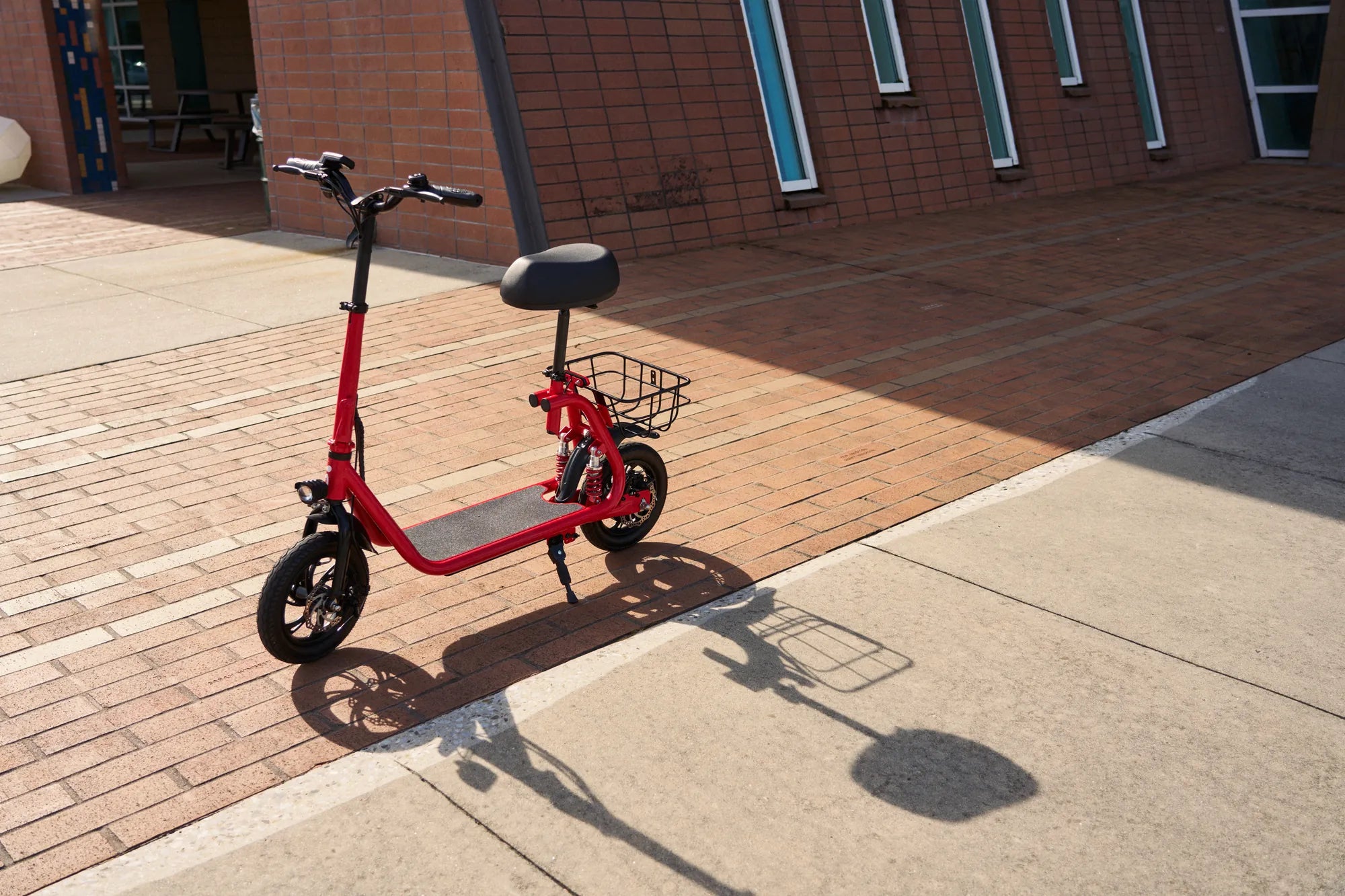
The Rise of Affordable E-Mobility
The search for very cheap electric scooters is driven by a fundamental need: accessible, efficient, and cost-effective personal transportation. For students, urban commuters, and anyone looking to trim their budget and carbon footprint, these affordable and efficient commuting solutions offer a compelling answer to last-mile challenges and short urban trips. This article will guide you through the landscape of budget electric scooters, focusing not just on the lowest price tag, but on finding genuine value where essential safety, reliability, and performance are not sacrificed.
We will define what "very cheap" realistically means, outline the critical trade-offs, and provide a framework for making an informed purchase. The goal is to equip you with the knowledge to navigate a market filled with options, ensuring your investment in a very cheap electric scooter enhances your daily commute without introducing unnecessary risk or frustration. Understanding the balance between cost and capability is key to unlocking the true potential of these affordable and efficient commuting solutions.
Defining "Very Cheap": Price Ranges and What to Expect
In the electric scooter market, "very cheap" typically falls into two distinct price brackets, each with corresponding expectations for features and build quality. The entry-level tier consists of scooters priced under $300. The next tier, which often represents the sweet spot for value, ranges from $300 to $500. It's crucial to set realistic expectations when searching for very cheap electric scooters within these ranges.
For models under $300, you are entering the realm of basic functionality. Expect a motor with a nominal power of 250W to 300W, a battery capacity offering a manufacturer-stated range of 8-12 miles (though real-world results will be less), and a top speed capped at around 15 mph. Construction will likely involve more plastic components and a simpler, less refined folding mechanism. These are very cheap electric scooters designed for very light, infrequent use on perfectly flat terrain.
The $300 to $500 bracket is where very cheap electric scooters begin to offer more practical utility for regular commuting. Here, you can more commonly find 350W motors, batteries that may promise 12-18 miles of range, and improved build materials like reinforced aluminum frames. Features like basic mechanical disc brakes, simple LED displays, and sometimes even rudimentary front suspension start to appear. This price point is critical for finding those affordable and efficient commuting solutions that can handle a daily 2-4 mile round trip with some reliability.
Key Trade-offs at Lower Price Points
To achieve a lower price, manufacturers make calculated compromises. The most significant is often the battery. Cheaper cells with lower energy density and questionable management systems are common, directly impacting range and longevity. The motor is another area for cost-saving; a less powerful hub motor will struggle on inclines and may overheat with sustained use.
Ride quality is frequently sacrificed. You'll often find solid rubber tires instead of air-filled (pneumatic) ones, which transmit every bump and crack in the pavement directly to the rider. Suspension, if present at all, will be a basic spring system rather than hydraulic or rubber elastomer designs. These trade-offs mean that very cheap electric scooters are best suited for smooth, paved pathways.
Finally, durability and finishing touches are affected. The throttle might be a simple button rather than a smooth thumbwheel, the deck coating may wear quickly, and the overall fit and finish can feel less robust. Understanding these trade-offs is essential when evaluating any affordable and efficient commuting solution, as it allows you to prioritize which compromises you are willing to accept.
Critical Safety Considerations for Budget Scooters
When pursuing very cheap electric scooters, safety must be the non-negotiable cornerstone of your decision. A low price should never excuse critical safety failures. The three most vital safety components on any electric scooter are the battery, the braking system, and the lighting. Compromising on these to save money is a dangerous false economy.
First and foremost, the battery is the heart of the scooter and its greatest potential hazard. Reliable braking is equally critical; a scooter that can accelerate must be able to stop predictably and effectively. Finally, integrated front and rear lights, along with reflectors, are not optional accessories for commuters; they are essential for being seen by other road users, especially in low-light conditions. Any very cheap electric scooter lacking in these areas should be immediately disqualified from consideration, regardless of how attractive the price may seem.
The Importance of Battery and Build Quality
The battery deserves its own deep dive. A certified battery pack, such as those that are UL-certified, has undergone rigorous testing for safety, stability, and performance over hundreds of charge cycles. Brands that prioritize safety, like Gyroor, use these certified packs across their lineup to prevent overheating, short-circuiting, and fire risks. An uncertified, no-name battery is the single biggest risk factor in a very cheap electric scooter.
Build quality extends to water and dust resistance. An Ingress Protection (IP) rating like IPX5 indicates the scooter can withstand water jets from any direction, a crucial feature for a vehicle used outdoors. This protection safeguards the battery, motor controller, and wiring from rain and road spray, preventing corrosion and electrical failure. For an affordable and efficient commuting solution that you plan to use regularly, a good IP rating significantly enhances both safety and long-term durability, protecting your investment from the elements.
Finding Value: Features Worth Paying For vs. Where to Save
Making a smart purchase among very cheap electric scooters is about strategic prioritization. Your budget should be allocated first to the core components that affect safety, durability, and fundamental performance. This is the key to unlocking true value in affordable and efficient commuting solutions.
Invest in these core areas: A certified battery is paramount. A reliable braking system (a rear disc brake is a significant upgrade over a foot fender brake) is essential. A motor with enough power (at least 300W) for your local terrain is a must. A frame made of sturdy aluminum alloy, not flimsy materials, ensures the scooter won't fail under stress. These are the features worth stretching your budget for, as they define the scooter's lifespan and your safety.
You can save on these features: Elaborate digital displays with multiple ride modes are nice but not necessary. Bluetooth app connectivity for locking or tracking is a luxury at this price point. High-intensity lighting can be supplemented with aftermarket options. Complex dual suspension systems are rarely found on truly very cheap electric scooters; a basic front spring or even a well-designed solid tire can be acceptable for smooth roads. By focusing your funds on the core, you build a foundation for a reliable commuter.
Brand Reputation and Warranty as Value Indicators
A reputable brand's involvement is a powerful value indicator, even in the budget segment. A brand like Gyroor, trusted by over 100,000 riders, brings established quality control, customer service channels, and technical support to its products, including its more accessible models. This contrasts sharply with anonymous brands that disappear after the sale.
The warranty is the tangible proof of this reputation. A comprehensive 1-year warranty that covers the battery, motor, and frame demonstrates manufacturer confidence. It transforms a very cheap electric scooter from a disposable gadget into a protected investment. When comparing two similarly priced scooters, the one backed by a clear, reputable warranty from a known brand like Gyroor inherently offers greater long-term value and peace of mind as your affordable and efficient commuting solution.
Top Use Cases for Very Cheap Electric Scooters
Very cheap electric scooters excel in specific, well-defined scenarios. Their affordability makes them a practical tool for solving particular mobility problems without a major financial outlay. The ideal use case is a short, flat commute of 1 to 3 miles one-way. This could be a trip from a dorm to campus buildings, from a suburban home to a nearby train station, or from a parking garage to the office.
They are perfect as a dedicated "last-mile" solution integrated with public transit. Their portability makes them easy to carry onto a bus or train for the main leg of a journey. Furthermore, they are excellent for leisurely rides on smooth pathways in parks, along boardwalks, or within large residential complexes. For these purposes, very cheap electric scooters provide outstanding utility and fun, representing truly affordable and efficient commuting solutions for targeted needs.
Limitations to Keep in Mind
Honest assessment of limitations prevents disappointment. The advertised range is a best-case scenario; real-world factors like rider weight, headwinds, temperature, and hill climbs can reduce it by 30-50%. Cold weather is particularly harsh on lithium-ion batteries, drastically cutting range and performance.
Steep hills are a major challenge for low-powered motors, potentially slowing the scooter to a walking pace or causing overheating. The ride quality on solid tires can be harsh on anything but perfectly smooth asphalt, making cobblestones or brick paths uncomfortable. Understanding that very cheap electric scooters are tools for specific conditions ensures you use them within their effective envelope, maximizing satisfaction with your affordable and efficient commuting solution.
Making a Smart Purchase: A Buyer's Checklist
Before purchasing any very cheap electric scooter, work through this actionable checklist. It will help you separate risky bargains from genuine value propositions in your search for affordable and efficient commuting solutions.
- Verify Battery Certification: Does the product description or manual explicitly state the battery is UL, CE, or RoHS certified? If this information is absent, assume it is not.
- Check Warranty Terms: Read the fine print. Is it a 1-year comprehensive warranty or just 90 days on certain parts? A longer, clearer warranty is a strong positive signal.
- Research Real-World Range: Look beyond marketing claims. Search for user reviews that mention actual mileage. Phrases like "I get about 7 miles with my 180lb weight" are invaluable.
- Confirm Weight Capacity: Ensure the scooter's maximum load rating exceeds your body weight plus anything you'll carry (backpack, briefcase).
- Assess Brake Type: Prefer a scooter with at least one mechanical disc brake over only a foot/fender brake or an electronic brake alone, especially for areas with any slopes.
- Review Brand Reputation: Search the brand name alongside terms like "customer service" or "support." A history of responsive support is a major asset.
Comparison: Budget Scooter Tiers and Key Specifications
| Feature / Specification | Entry-Level (Under $300) | Value Tier ($300 - $500) | Notes & Recommendations |
|---|---|---|---|
| Motor Power | 250W - 300W | 350W - 500W | 350W is a practical minimum for mild inclines. |
| Real-World Range | 5 - 9 miles | 8 - 14 miles | Highly dependent on rider weight, terrain, speed. |
| Max Speed | 12 - 15 mph | 15 - 19 mph | Sufficient for most urban commuting scenarios. |
| Battery | Basic Li-ion (often uncertified) | Improved Li-ion (seek UL-certified) | Certification is the #1 safety priority. |
| Braking System | Foot brake + electronic regen | Mechanical disc (rear) + electronic/foot | A dedicated mechanical brake greatly improves safety. |
| Tire Type | Solid rubber | Solid rubber or basic pneumatic | Pneumatic tires offer a much smoother ride. |
| Suspension | Typically none | Basic front spring (sometimes) | Not common; good tires are more impactful. |
| IP Rating | Often unspecified or low | IPX4 or IPX5 (highly recommended) | IPX5 (like Gyroor models) offers good water resistance. |
| Frame Material | Mixed materials, lighter aluminum | Reinforced aluminum alloy | Aluminum alloy is durable and rust-resistant. |
| Warranty | 90 days to 6 months (limited) | 6 months to 1 year (comprehensive) | A 1-year warranty indicates quality confidence. |
Maintenance and Longevity of Budget Models
Proper maintenance is essential to extend the life of your very cheap electric scooter. Start with regular tire checks; if you have pneumatic tires, maintain the correct PSI weekly. For solid tires, visually inspect for excessive wear or damage. Brakes should be tested regularly, and cables adjusted if they become loose—a simple process often outlined in the manual.
Keep the scooter clean, especially after wet rides. Wipe down the deck and frame to prevent dirt and grit from entering moving parts. Avoid storing the scooter in extreme temperatures, both hot and cold, as this degrades the battery. When charging, use only the provided charger and never leave the battery charging unattended for extended periods or overnight. These habits are crucial for preserving your affordable and efficient commuting solution.
Understand the battery's lifespan. Even a quality battery will degrade over time, typically rated for 300-500 full charge cycles before capacity drops noticeably. With daily use, this translates to 1-2 years of optimal performance. Planning for this eventual replacement cost is part of the total ownership equation for very cheap electric scooters. Proper care can help you reach the upper limit of that expectancy.
Affordable Efficiency Within Reach
Very cheap electric scooters have democratized personal electric mobility, offering a legitimate path to affordable and efficient commuting solutions. The key to success lies in informed purchasing—recognizing where manufacturers cut corners and strategically prioritizing safety and core durability. By focusing on certified batteries, reliable brakes, and reputable brand support, you can find a scooter that delivers remarkable value without compromising your well-being.
These scooters are not meant to be all-terrain powerhouses but are exceptionally capable tools for short urban journeys and last-mile connections. When matched to the right use case and maintained with care, a budget electric scooter can provide years of reliable, cost-effective, and enjoyable service. The market for very cheap electric scooters is vast, but with the right knowledge, you can navigate it confidently and find the perfect balance of price and performance for your daily needs.
Ready to explore a range of electric scooters built with a commitment to safety, durability, and value? Browse the full Gyroor collection, featuring UL-certified batteries, IPX5 water-resistant designs, and a reliable 1-year warranty, at gyroorboard.com.
FAQ: Your Questions on Budget Electric Scooters Answered
Q: Are electric scooters under $300 safe?
A: They can be, but extreme diligence is required. You must verify the battery has a legitimate safety certification (UL, CE). Read detailed reviews focusing on brake performance and build quality. Never compromise on verified battery safety for a lower price.
Q: What is a realistic range for a scooter under $500?
A: Under ideal conditions (flat terrain, moderate rider weight, warm weather), expect 8-15 miles. Real-world range is often 25-40% less than advertised. Factor in your specific commute distance with a margin of error.
Q: Do budget scooters require a lot of maintenance?
A> They require consistent, basic maintenance. Pneumatic tires need weekly air pressure checks. Brake pads and cables need periodic inspection and adjustment. Simpler designs with solid tires reduce puncture risk but offer a harsher ride. Regular cleaning and proper charging are essential.
Q: Why is a warranty important for a cheap scooter?
A: A warranty is a critical indicator of quality and value. A 1-year comprehensive warranty, like Gyroor offers, signals manufacturer confidence and protects your investment against premature failures in the motor, battery, or frame. It transforms a purchase from a gamble into a secured transaction.
Q: Can I ride a budget scooter in the rain?
A> It depends entirely on the IP rating. An IPX4 rating means it can handle light rain. An IPX5 rating, common in better-built budget models, means it can withstand water jets and is suitable for riding in rain. Never ride an unscoped or low-rated scooter in wet conditions, as water damage is not covered by most warranties.
Q: How much should I weigh to ride a cheap electric scooter safely?
A> Always check the manufacturer's maximum load rating. For most very cheap electric scooters, this ranges from 220 to 265 pounds. Exceeding this weight stresses the frame, motor, and battery, leading to premature failure, reduced range, and potential safety hazards.
Growth Statistics of Electric Scooters Market: Trends, Challenges, and Future Projections
Electric Scooters Age Limit: What You Need to Know Before Riding