



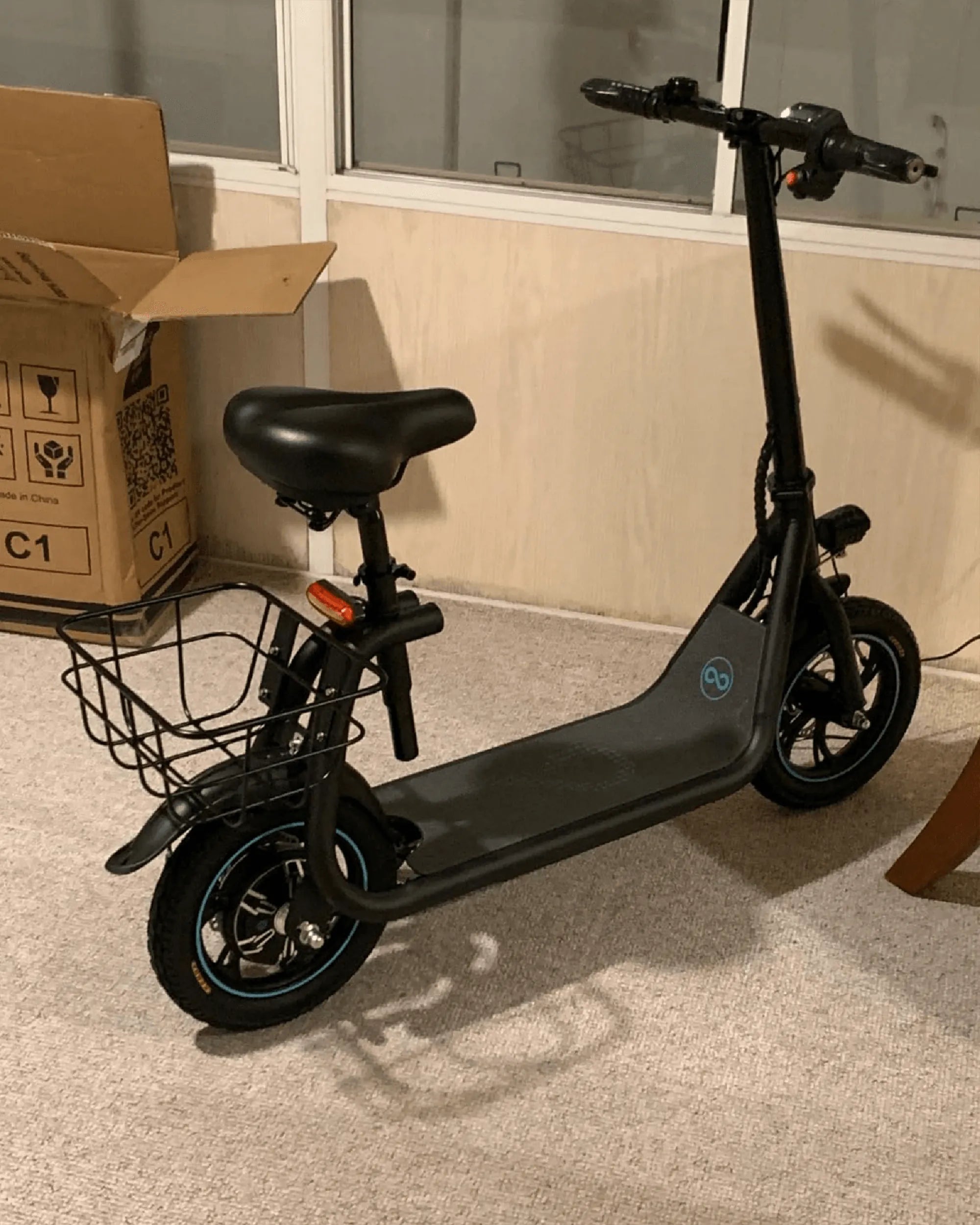
Determining the right age for a child's first electric scooter involves more than just a birthday. It's a critical decision balancing developmental readiness, safety protocols, and legal requirements. This guide provides parents with a data-driven framework to answer the question, "What age can kids ride electric scooters?" We'll move beyond simple age numbers to examine physical coordination, judgment, and the specific features that make a scooter appropriate for different stages. As a leader in personal electric mobility, Gyroor designs its scooters with clear age and weight classifications, UL-certified battery safety, and built-in speed limiters, making it a trusted starting point for families navigating this exciting milestone.
Understanding Official Age Recommendations and Legal Limits
Parents must navigate two distinct frameworks: manufacturer recommendations and local laws. Manufacturer guidelines, like those from Gyroor, are based on engineering specifications—motor power, speed, weight capacity, and physical handlebar reach. These are crucial for safe operation. Local and state laws, however, are the non-negotiable legal framework that often supersedes manufacturer suggestions.
Legal age limits for electric scooter use on public property vary dramatically. Many municipalities in North America and Europe set a minimum age of 12 to 16 for operating an e-scooter on public roads, bike lanes, or sidewalks. Some areas prohibit riders under 16 entirely. These laws are designed for public safety and liability. Always check your city's official transportation or parks department website for the most current ordinances.
Manufacturer age guidelines serve as a safety baseline derived from product testing. A scooter with a 150-watt motor and a top speed of 10 mph is engineered for a younger, lighter rider with developing motor skills. Gyroor explicitly states age and weight limits for each model, ensuring the scooter's performance matches a child's capabilities. Ignoring these can lead to loss of control and void warranties.
The safest approach is to apply the stricter standard. If the law says 14, but the scooter is rated for 8+, wait until 14 for public areas. For private property, the manufacturer's guidance becomes the primary rule. This dual-layer verification is the first and most important step in responsible ownership.
Why Manufacturer Guidelines Matter
These guidelines are not arbitrary. They correlate directly with a scooter's key performance metrics. A motor's wattage determines acceleration and hill-climbing ability; a high-wattage motor requires more strength and anticipation to control. Speed capabilities must match a child's reaction time. Weight capacity ensures structural integrity and braking performance.
Gyroor's design philosophy incorporates these factors into age-appropriate models. For younger riders, features like speed limiters, proportional deck and handlebar sizing, and moderate acceleration curves are standard. The company's use of UL-certified battery packs across all models adds a critical layer of safety, as these batteries undergo rigorous testing for over 500 charge cycles to prevent overheating and electrical faults.
Adhering to these guidelines ensures the scooter is a tool for fun and development, not a hazard. It aligns the machine's physics with the rider's physiology, creating a manageable and enjoyable learning experience.
The Safety Checklist: Assessing Your Child's Readiness
Chronological age is a convenient marker, but individual readiness is paramount. Before purchasing, parents should conduct a practical assessment. Key indicators include physical coordination, the ability to follow multi-step safety rules consistently, and the judgment to assess speed, distance, and potential hazards.
A strong prerequisite is proficiency on a non-motorized kick scooter. Mastering balance, steering, braking, and scanning the environment without the added variable of a throttle is invaluable. A child who can confidently navigate a kick scooter around obstacles and stop on command has demonstrated foundational skills.
Evaluate your child's risk awareness and impulse control. Can they understand and respect the consequences of riding into a street or on wet pavement? Are they likely to show off for friends by exceeding safe speeds? Honest answers to these questions are more telling than age alone.
Finally, consider the riding environment. A responsible 10-year-old with a suitable scooter and direct supervision on a private driveway is a very different scenario than a 13-year-old navigating suburban sidewalks independently. Readiness is contextual and evolves with supervised practice.
Essential Protective Gear (Non-Negotiable)
Safety gear is not optional; it is integral to the scooter itself. A full set of properly fitted gear dramatically reduces the severity of falls, which are an inevitable part of the learning process.
- Helmet: Must be CPSC (Consumer Product Safety Commission) certified for bicycle riding. It should fit snugly, sitting level on the head and covering the forehead. Replace after any significant impact.
- Knee and Elbow Pads: These protect the joints most vulnerable in a forward or sideways fall. Look for hard plastic caps with secure, comfortable straps.
- Wrist Guards: Critically important, as instinct leads to outstretched hands during a fall. Guards support the wrists and can prevent fractures and severe sprains.
- High-Visibility Clothing: For any riding near dusk or in low-light conditions, reflective vests or bright colors are essential for driver visibility.
Gyroor encourages this responsible practice, and proper gear use aligns with the spirit of their product warranty and support. Investing in quality protection is as important as investing in a quality scooter.
Choosing the Right Gyroor Scooter for Your Child's Age & Skill
Matching the scooter to the child's developmental stage is crucial for safety and enjoyment. Gyroor's lineup offers tiered options that cater to beginners, intermediates, and advanced teen riders. The following table provides a data-driven comparison to guide your selection.
| Age & Skill Tier | Recommended Motor Power | Max Speed | Key Gyroor Features | Parental Considerations |
|---|---|---|---|---|
| Ages 8-10: First Electric Models | 150W - 250W | 8 - 10 mph | Speed limiter, lightweight frame (under 20 lbs), UL-certified battery, beginner throttle control. | Direct supervision required. Focus on closed, flat environments. Emphasize start/stop drills. |
| Ages 11-13: Intermediate Riders | 300W - 500W | 12 - 15 mph | Enhanced suspension, IPX5 water-resistance, improved disc braking, higher weight capacity. | Supervision for new routes. Teach road hazard awareness. Reinforce gear use absolutely. |
| Ages 14+: Teen & Advanced | 500W+ | 15 - 20+ mph | Longer range (15+ miles), commuter features (lighting, portability), dual braking systems. | Legal compliance is key. Ensure understanding of local traffic laws. Focus on maintenance responsibility. |
Ages 8-10: First Electric Models
For this group, the primary goal is safe, controlled introduction. Scooters should have limited power and top speed. A speed limiter, often adjustable via a parental PIN or physical setting, is a vital feature. It allows the child to build confidence at lower speeds (e.g., 7.5 mph) before unlocking the full 10 mph capability.
Lightweight construction is essential. A scooter under 20 pounds is easier for a child to maneuver and carry if needed. The deck should be wide enough for a stable footing, and the handlebars should be height-adjustable to ensure an ergonomic, upright posture. Gyroor models in this category prioritize durability with aluminum alloy frames to withstand learning bumps.
The throttle control should be intuitive, often a thumb-press style that requires deliberate engagement, not a sensitive twist-grip. Combined with a responsive brake (usually a rear fender brake or a gentle electronic brake), this gives the young rider a sense of command. The UL-certified battery provides peace of mind during charging, which should always be done under adult supervision.
Ages 11-13: Intermediate Riders
As children grow in size, strength, and coordination, scooters can offer more performance for longer-range adventures. Motor power in the 300W-500W range provides better acceleration and hill capability, which is necessary for heavier riders and varied terrain.
At these higher speeds (12-15 mph), enhanced braking becomes critical. Look for models with a front disc brake or regenerative braking paired with a rear physical brake. Suspension, whether spring or rubber-based, improves comfort and control on rougher pavement. The IPX5 water-resistant rating on many Gyroor intermediate models means a sudden rain shower or a wet path won't immediately end the ride or damage electronics, though riding in actively heavy rain should still be avoided.
This stage is where responsible habit formation is paramount. Parents should map out approved routes, emphasizing bike paths and quiet sidewalks where legal. Riders must learn to scan for driveways, pedestrians, and road crossings actively. The scooter transitions from a toy to a legitimate mobility device.
Ages 14+: Teen & Advanced Models
For responsible teens, electric scooters become practical tools for commuting to school, sports practice, or friends' houses. These scooters feature more powerful motors (500W+) for sustained speeds of 15-20 mph, longer-range batteries (15-25 mile range), and commuter-focused features.
Integrated lighting—bright front headlights and rear brake lights—is essential for visibility. Portability features like a folding mechanism and manageable weight allow the scooter to be taken inside. Dual braking systems, such as disc and electronic brakes, provide maximum stopping power for higher-speed safety.
At this level, the parental role shifts from direct supervision to governance and education. Teens must thoroughly understand and obey all local traffic laws for e-scooters, which may include helmet mandates, prohibitions on sidewalk riding, and rules for right-of-way. They should also be taught basic maintenance: checking tire pressure, monitoring brake pad wear, and proper battery charging cycles to sustain the lifespan of the scooter and its 1-year warranty coverage.
Rules of the Road: Teaching Responsible Riding Habits
Establishing clear, non-negotiable rules from day one sets the tone for a lifetime of safe riding. These rules should be discussed, practiced, and consistently enforced.
Rule 1: Gear Up, Every Time. No helmet, no ride. This is the cardinal rule. Make gearing up as automatic as putting on a seatbelt.
Rule 2: Know Your Zone. Define where riding is permitted. This is typically private property, designated bike paths, and sidewalks where local law allows. Explicitly map out no-go zones: public roads, steep hills, crowded pedestrian areas, and parking lots.
Rule 3: Pre-Ride Safety Check. Teach your child to perform a quick inspection: check tire inflation, test the brakes, ensure the folding mechanism (if present) is locked, and verify the battery has sufficient charge.
Rule 4: One Rider Only. Electric scooters are designed for a single person. Double-riding dangerously alters the center of gravity and overwhelms the brakes and motor, leading to accidents.
Rule 5: Environmental Awareness. Never ride in the rain, on wet leaves, or through puddles. Wet conditions drastically reduce traction and can cause electrical damage, even on water-resistant models. Always be alert for pedestrians, pets, cars at driveways, and road hazards like potholes.
Practicing these rules during supervised sessions builds muscle memory and judgment. Responsible habits directly contribute to the scooter's longevity and ensure the rider remains within the protective scope of Gyroor's warranty and support guidelines.
Parental Supervision and Maintenance 101
The level of supervision should mirror the child's age, skill, and maturity. For 8-10-year-olds, it means being present, actively watching, and providing immediate feedback. For intermediates, it may involve riding alongside for the first few trips on a new route or waiting at a destination. For teens, it shifts to verifying route plans, checking in, and ensuring maintenance is performed.
Basic maintenance is a shared responsibility that teaches care for property. Key tasks include:
- Battery Care: Follow the manufacturer's charging instructions. Avoid draining the battery to 0% or leaving it at 100% for extended periods. Store the scooter in a dry, temperate place. Gyroor's UL-certified packs are durable, but proper care maximizes their 500+ cycle lifespan.
- Tire Care: Check air pressure monthly (for pneumatic tires). Properly inflated tires provide better range, smoother ride, and improved puncture resistance.
- Brake Inspection: Listen for grinding noises and test braking distance regularly. Learn how to adjust brake cable tension or inspect disc brake pads for wear.
- General Upkeep: Keep the scooter clean, especially after riding on dusty or salty paths. Tighten bolts periodically, as vibration can loosen them over time.
Gyroor's US-based customer support team is a resource for technical questions beyond basic upkeep. Engaging in maintenance demystifies the machine and empowers both parent and child.
Frequently Asked Questions (FAQ)
Q: Is my 6-year-old ready for an electric scooter?
A> Generally, no. Most manufacturers, including Gyroor, set a minimum age of 8. This is based on the average physical size, coordination, and cognitive ability needed to operate a motorized vehicle safely. A non-motorized kick scooter is the perfect training tool for this age.
Q: Are electric scooters with UL-certified batteries safer?
A> Yes, unequivocally. UL certification means the battery pack has passed independent, rigorous safety tests for electrical, mechanical, and environmental hazards. It significantly reduces the risk of overheating, short-circuiting, and fire. Gyroor uses UL-certified batteries across its entire product line for this critical safety reason.
Q: Where is it legal for my child to ride?
A> Laws vary by city and state. Common legal zones include private property (with permission), designated bike paths, and multi-use trails. Sidewalk legality is a patchwork; some cities allow it, some prohibit it, and some restrict it by age. Public roads are almost always off-limits to riders under 16. Always check your local municipal code.
Q: How important is a speed limiter for a beginner?
A> It is one of the most important safety features for a first-time rider. It allows the child to master balance, steering, and braking at a manageable, less intimidating speed (often 6-8 mph). As skills improve, a parent can gradually increase the limit. It prevents the panic that can come from accidental over-acceleration.
Q: What is the single most important safety factor?
A> A properly fitted, CPSC-certified helmet. Head injuries are the most serious risk in any wheeled sport. No scooter ride should ever begin without one. This, combined with direct parental supervision for young riders, forms the foundation of safe e-scooter use.
Conclusion: Empowering Safe and Fun Adventures
Determining the right age for a child's electric scooter is a multifaceted decision that blends legal mandates, manufacturer engineering, and an honest assessment of your child's individual readiness. By using manufacturer guidelines from trusted brands like Gyroor as your baseline, insisting on full protective gear, and progressively teaching responsible riding habits, you transform a powerful machine into a tool for confidence, independence, and joy. The journey begins not with a purchase, but with education and preparation. Equip your child with knowledge, quality safety gear, and a scooter built for their stage, and you'll open the door to countless adventures, safely navigated. Ready to find the perfect match for your young rider? Browse the full, safety-engineered Gyroor collection at gyroorboard.com.
What Are the Best Budget-Friendly Electric Scooters? Top Picks for Affordable Commuting
What Are Electric Scooters Used For? A Complete Guide to Their Versatile Applications