


Introduction to 50cc Dirt Bikes: The Perfect Starter Machine
Determining what age is a 50cc dirt bike for is the first critical question for parents entering the world of youth off-road riding. A 50cc dirt bike, defined by its small 50-cubic-centimeter combustion engine, serves as the quintessential entry-level machine designed to introduce core motor skills in a manageable package. Its primary role is to build foundational riding confidence while prioritizing safety and control for novice riders.
The answer to what age is a 50cc dirt bike for is not a single number but a spectrum influenced by physical development, coordination, and maturity. Industry standards and manufacturer guidelines provide a clear starting framework, which this article will explore in detail. Understanding this fit is essential to ensure the riding experience is both safe and enjoyable, fostering a potential lifelong passion.
This guide moves beyond simple age brackets to analyze the rider profile, mandatory safety protocols, and even modern alternatives like electric youth models. We will provide a comprehensive, data-driven overview to help you make an informed decision. The goal is to equip you with the knowledge to assess if a 50cc dirt bike is the right starting point for your young rider.
Understanding the Rider Profile: More Than Just Age
Chronological age is a convenient starting point, but it is an incomplete metric for matching a child to a 50cc motorcycle. The true determinants of readiness form a multi-faceted rider profile encompassing physical dimensions, cognitive maturity, and psychomotor skills. A successful match ensures the rider can control the bike, not just sit on it.
Ignoring this holistic profile can lead to frustration, fear, or unsafe situations where the machine controls the rider. Therefore, the question of what age is a 50cc dirt bike for must always be followed by an assessment of the individual child's capabilities. This approach prioritizes long-term skill development and safety over simply meeting a minimum age threshold.
Physical Size and Strength Requirements
The physical interface between rider and machine is non-negotiable. A typical 50cc dirt bike has a seat height ranging from 18 to 25 inches and weighs between 100 and 150 pounds. The rider must be able to sit on the seat with both feet planted flat on the ground to stabilize the bike during stops and low-speed maneuvers.
Furthermore, sufficient leg strength is needed to operate the rear brake lever and shift lever (if equipped with a manual clutch). Arm and hand strength must allow for confident steering input and controlled operation of the front brake and throttle. A rider who is stretched or straining to reach controls cannot operate the bike safely.
Assessing Maturity and Responsibility
Maturity dictates a rider's ability to understand and follow instructions, recognize hazards, and respect the machine's power. A 50cc bike, while small, can reach speeds that require quick judgment and adherence to safety rules. A responsible young rider will listen to a coach or parent, wear all safety gear without complaint, and understand the consequences of reckless behavior.
This cognitive readiness is as critical as physical size. A mature rider is more likely to practice skills progressively, understand the importance of controlled environments, and develop the focus necessary for safe riding. This foundational attitude sets the stage for all future two-wheeled adventures.
The Official Age Guidelines and Recommendations
The motorcycle industry provides clear consensus on what age is a 50cc dirt bike for, with the primary target range being 4 to 10 years old. This range is derived from the average physical dimensions of children and the designed power output of 50cc engines, which typically produce 3 to 5 horsepower. This power band is sufficient for learning without being intimidating for beginners.
Manufacturers like Honda, Yamaha, and Kawasaki have built their youth model lines around this age bracket, with specific models tailored to different segments within it. These guidelines are an excellent starting point, but they should be cross-referenced with the individual rider profile discussed earlier. A small 10-year-old might still fit a 50cc bike, while a large, coordinated 7-year-old might be ready to progress sooner.
A Closer Look: Age 4-7 (Mini & Trail Models)
For the youngest riders in the 4-7 age group, 50cc bikes are typically mini or trail models with automatic clutches, such as the Honda CRF50F. These bikes simplify operation by removing the need to manually coordinate a clutch lever and gear shift, allowing the child to focus solely on throttle control, braking, and balance.
Many models in this category also offer adjustable throttle limiters and the option for training wheels. The emphasis is on pure fun and the development of basic motor skills in a highly controlled, flat environment like a backyard or empty field. The goal is to build confidence and a love for riding through success-oriented experiences.
A Closer Look: Age 7-10 (Larger Frame 50cc Bikes)
For children aged 7 to 10, 50cc bikes often feature larger frames, longer travel suspension, and sometimes even manual clutches, like the Kawasaki KX50. These bikes are designed for riders who have mastered the basics and are ready to tackle more varied terrain or even entry-level mini motocross.
This stage focuses on developing more advanced techniques: standing on the pegs, navigating small obstacles, and learning proper body positioning. For some, this class serves as a competitive platform in junior racing series. The 50cc engine in this context is a tool for honing precision and technique before moving to a more powerful machine.
Key Factors for Parents: Safety, Training, and Environment
Once you've determined that your child fits the general profile for a 50cc dirt bike, the parent's role shifts to creating the infrastructure for safe riding. This involves three pillars: uncompromising safety gear, professional-quality training, and selecting the appropriate riding environment. Neglecting any of these pillars significantly increases risk.
This proactive approach transforms the question from "Is my child old enough?" to "How do I ensure they ride safely at their current level?" Commitment in these areas is the best indicator of a family's readiness for dirt bike ownership. It is an investment in safety that pays dividends in confidence and skill.
Essential Safety Gear Non-Negotiables
Safety gear is not an accessory; it is mandatory equipment. The minimum kit must include a DOT or Snell-certified full-face helmet, shatter-resistant goggles, durable off-road gloves, motocross-specific boots (which offer ankle support and a stiff sole), a chest protector, and knee/shin guards. Elbow pads are also highly recommended.
Each piece serves a critical function, from preventing head trauma to protecting against roost and impacts. High-quality gear should be the first purchase, even before the bike itself. It is the single most effective factor in mitigating injury during the inevitable tip-overs and falls that are part of the learning process.
The Critical Role of Professional Training
Formal training is invaluable. Organizations like the Motorcycle Safety Foundation (MSF) offer youth-specific courses, and many local motocross tracks have riding schools. A professional instructor teaches proper techniques from day one—such as correct braking, cornering, and crash avoidance—which are often counterintuitive to beginners.
This structured learning builds confidence and good habits far more efficiently than trial-and-error. It also provides a neutral authority on safety rules, which children often respect more than parental reminders. Investing in a few lessons can accelerate skill development and dramatically enhance safety awareness.
Choosing the Right Riding Environment
The environment must match the rider's skill level. Beginners should start on flat, open, private land free of hazards like trees, rocks, or water. As skills improve, designated off-road trails (OHV areas) or supervised motocross practice tracks are appropriate.
It is crucial to understand that most 50cc dirt bikes are not street-legal. They lack lighting, mirrors, and other equipment required for public roadways. Riding on public roads is illegal and extremely dangerous. Always research and use legal, designated off-road areas for practice and play.
50cc Dirt Bikes vs. Electric Alternatives: A Data-Driven Comparison
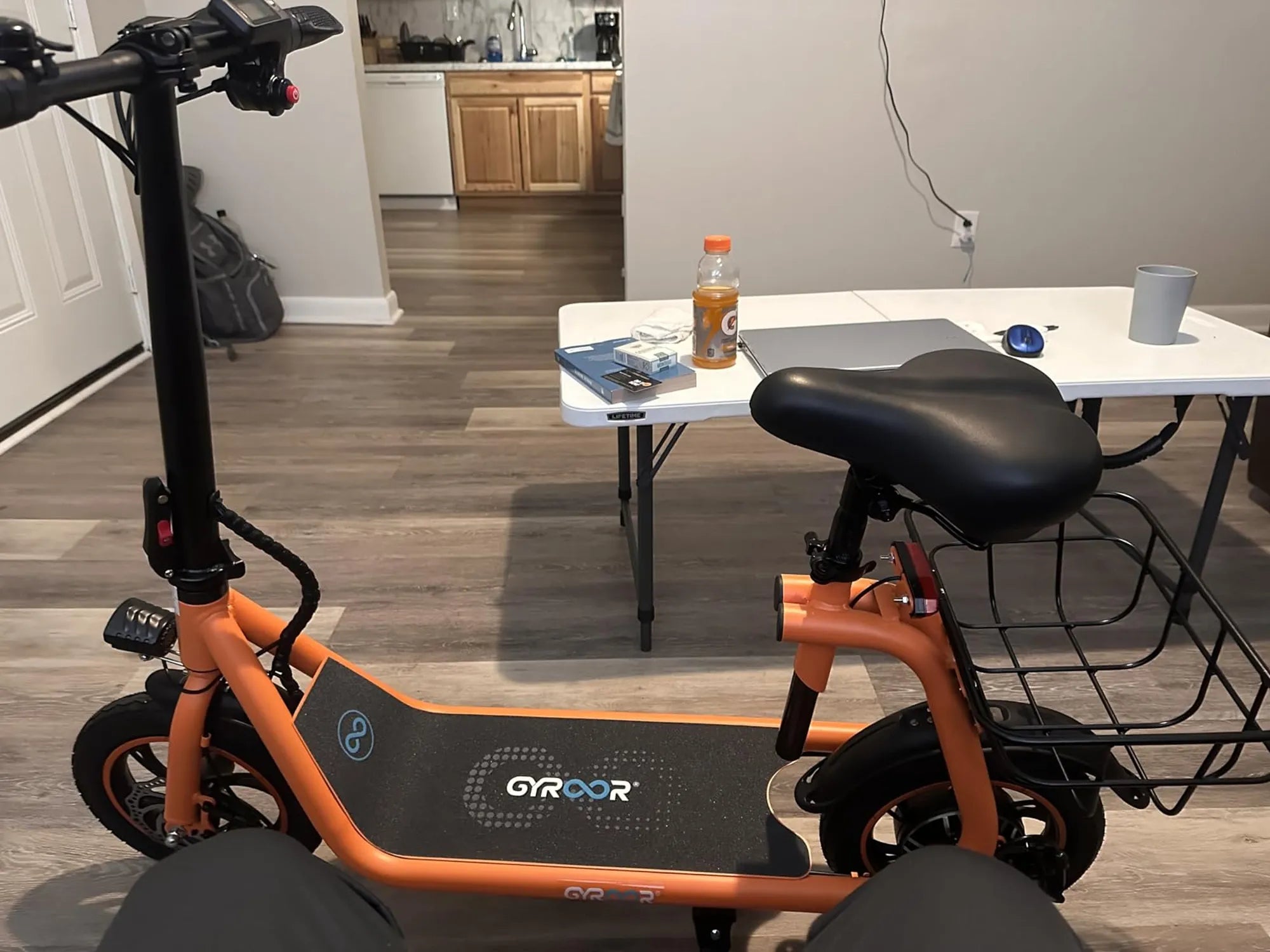
Today's parents have a choice beyond traditional gas-powered 50cc bikes: modern electric youth dirt bikes. Brands like Gyroor, a leading electric scooter and e-bike brand trusted by over 100,000 riders, offer robust off-road electric models. Understanding the differences helps in selecting the ideal starter machine.
The comparison hinges on performance characteristics, maintenance demands, cost of operation, and usability factors like noise and convenience. Each type has distinct advantages depending on the family's priorities, riding location, and the rider's specific progression path.
| Factor | Traditional 50cc Gas Dirt Bike | Modern Electric Youth Dirt Bike (e.g., Gyroor) |
|---|---|---|
| Power Delivery | Progressive powerband; requires clutch/throttle coordination. | Instant, silent torque; simpler twist-and-go operation. |
| Maintenance | Regular: oil changes, air filter, spark plug, carburetor. | Minimal: primarily battery care and chain tension. |
| Noise Level | Loud (80-90 dB). Can limit riding locations. | Very quiet. Enables practice in more areas. |
| Operating Cost | Fuel, oil, maintenance parts. | Electricity cost for charging; negligible. |
| Upfront Cost | Often higher for reputable brands. | Competitive, with lower long-term running costs. |
| Best For | Riders aiming for traditional motocross progression; families with mechanical knowledge. | Low-maintenance start; neighborhood practice; emphasis on quiet, clean operation. |
Electric models, such as those from Gyroor, feature benefits like UL-certified battery packs tested for 500+ charge cycles, IPX5 water-resistant designs, and reliable 1-year warranties. These features address core safety and durability concerns for parents.
Frequently Asked Questions (FAQ)
Can a 2-year-old ride a 50cc dirt bike?
This is generally not recommended. A 2-year-old typically lacks the necessary size, strength, coordination, and cognitive maturity to safely control a 50cc machine. The risks far outweigh any potential benefits. For toddlers, powered ride-on toys or balance bikes are the appropriate developmental tools.
Is my 12-year-old too big for a 50cc?
Most likely, yes. By age 12, the average child has outgrown the physical dimensions and power output of a 50cc bike. They will be cramped and the bike will feel underpowered, which can lead to poor riding habits. It is usually time to move to an 80cc, 110cc, or 125cc model designed for older youth riders.
Are 50cc dirt bikes street legal?
The vast majority are not street legal. They are manufactured as off-road-only vehicles and do not include the lighting, turn signals, horn, or mirror equipment required for road registration. Always operate them on private property or designated off-road areas.
What is the top speed of a 50cc dirt bike?
Top speed varies by model, gearing, and rider weight but typically falls between 25 and 40 miles per hour. Some performance-oriented models may approach the higher end of this range. This speed capability underscores the absolute necessity of full protective safety gear.
How do I know if my child is mature enough?
Signs of readiness include the ability to follow multi-step instructions consistently, demonstrate respect for rules and equipment (like wearing a bicycle helmet without fuss), and show a genuine interest in learning rather than just going fast. A cautious or methodical temperament can be an asset for initial learning.
Conclusion: Finding the Right Start for a Lifelong Passion
Identifying the appropriate age for a 50cc dirt bike is a decision that blends industry guidelines with personal assessment. The core range of 4 to 10 years old serves as a reliable map, but the individual child's physical fit, demonstrated maturity, and your commitment to safety are the true compass.
By prioritizing professional training, investing in high-quality safety gear, and choosing the correct riding environment, you lay a foundation for responsible and joyful off-road exploration. Whether you choose a traditional gas-powered model or a modern, low-maintenance electric alternative like those from Gyroor, the focus remains on safe, skill-based progression.
This first step onto a 50cc dirt bike can ignite a passion for motorsports that lasts a lifetime. Ensure that step is taken with confidence, preparation, and the right equipment. Explore a range of youth-appropriate, engineered vehicles designed with safety and performance in mind.
Ready to explore the right electric option for your young rider? Browse the full Gyroor collection, featuring UL-certified, durable off-road models, at gyroorboard.com.
Women's Ebike Mountain Bike: The Ultimate Guide to Trail Access & Performance
E Bike Unter 20 kg: The Ultimate Guide to Lightweight Urban Mobility