


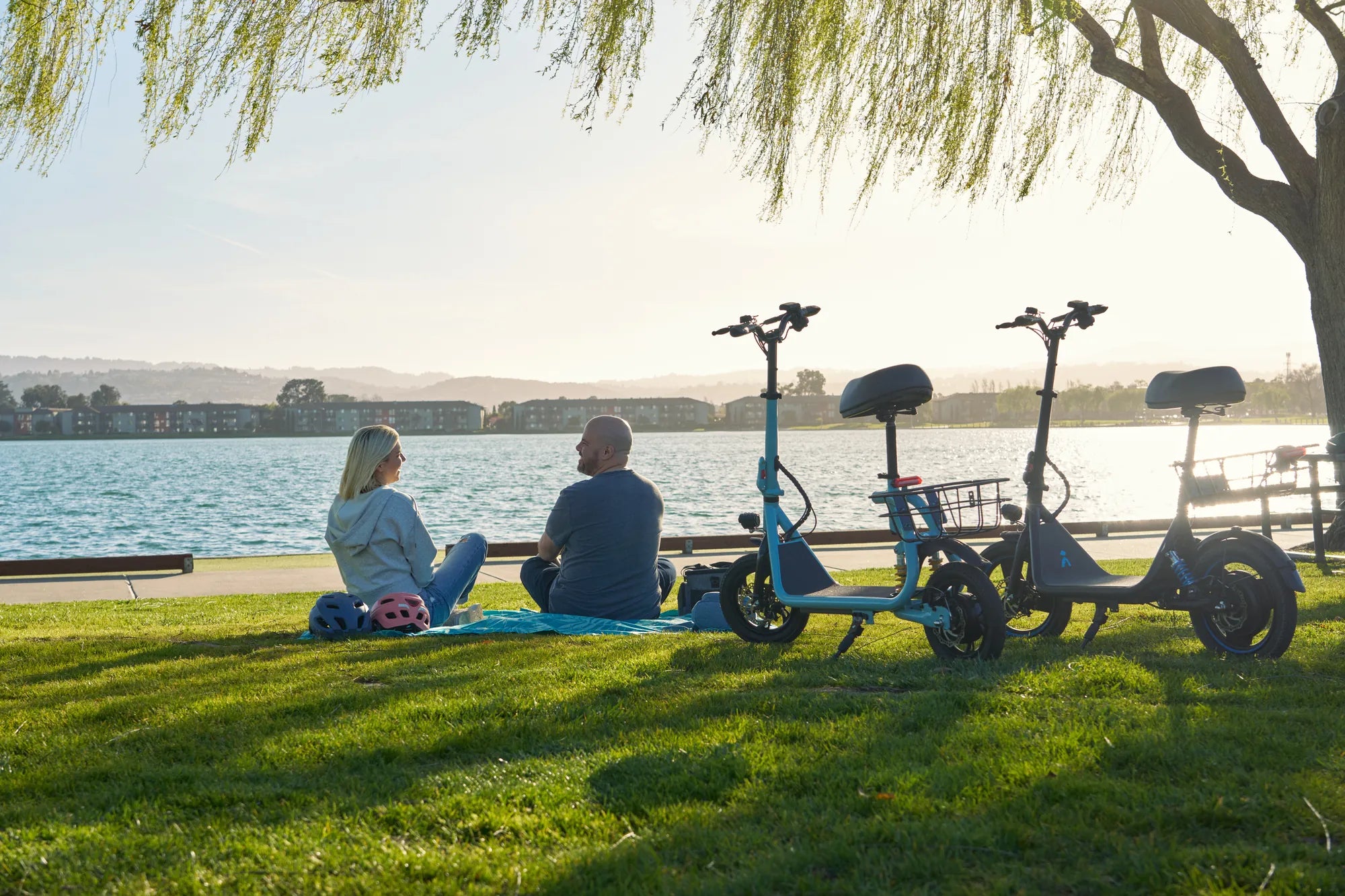
Electric scooters have surged in popularity as a convenient and eco-friendly mode of transportation. Whether you're a daily commuter or a weekend rider, understanding the parts of an electric scooter can help you make informed decisions about maintenance, upgrades, and safety. Let's dive into the key components that power these sleek machines.
The Frame and Deck
The frame is the backbone of an electric scooter, providing structural integrity and support. Typically made from aluminum or steel, it ensures durability while keeping the scooter lightweight. The deck, attached to the frame, is where you place your feet. It often features a non-slip surface for safety and may house the battery or other internal components.
The Motor
The motor is the heart of an electric scooter, converting electrical energy into motion. Most scooters use either a hub motor (located in the wheel) or a chain-driven motor. Hub motors are quieter and require less maintenance, while chain-driven systems offer more torque for uphill rides. The motor's power, measured in watts, determines the scooter's speed and acceleration.
The Battery
Electric scooters rely on rechargeable batteries, usually lithium-ion, for power. The battery's capacity, measured in watt-hours (Wh), affects the scooter's range. A higher-capacity battery allows for longer rides but may add weight. Proper charging and storage are crucial to extend the battery's lifespan.
The Wheels and Tires
Wheels come in various sizes and materials, with pneumatic (air-filled) and solid tires being the most common. Pneumatic tires offer better shock absorption, while solid tires are puncture-proof but provide a rougher ride. The wheel size influences stability and maneuverability, with larger wheels performing better on uneven terrain.
The Braking System
Safety is paramount, and the braking system plays a critical role. Electric scooters may feature disc brakes, drum brakes, or regenerative brakes. Disc brakes offer strong stopping power, while regenerative brakes recharge the battery slightly when slowing down. Some scooters combine multiple braking systems for enhanced safety.
The Handlebars and Controls
The handlebars provide steering control and house essential components like the throttle, brake levers, and display panel. The throttle regulates speed, while the display shows metrics like speed, battery level, and riding mode. Foldable handlebars are common for portability.
The Suspension System
Not all electric scooters have suspension, but it significantly improves ride comfort, especially on rough surfaces. Suspension systems can be spring-based or hydraulic, absorbing shocks and vibrations for a smoother experience.
Lights and Reflectors
Visibility is crucial for night riding. Most electric scooters come with LED headlights and taillights, along with reflectors for added safety. Some models feature brake lights that activate when slowing down.
The Kickstand
A simple yet vital part, the kickstand allows the scooter to stand upright when parked. It's usually made of metal and folds neatly against the frame when not in use.
Additional Features
Modern electric scooters often include extras like Bluetooth connectivity, app integration, and customizable riding modes. These features enhance the user experience but aren't essential for basic functionality.
Now that you know what makes an electric scooter tick, you're better equipped to choose, maintain, or upgrade your ride. Whether you're zipping through city streets or cruising along scenic paths, understanding these components ensures a safer and more enjoyable journey.
Where to Buy Electric Scooter NYC: The Ultimate Guide
Where to Buy Electric Scooter NYC: The Ultimate Guide