



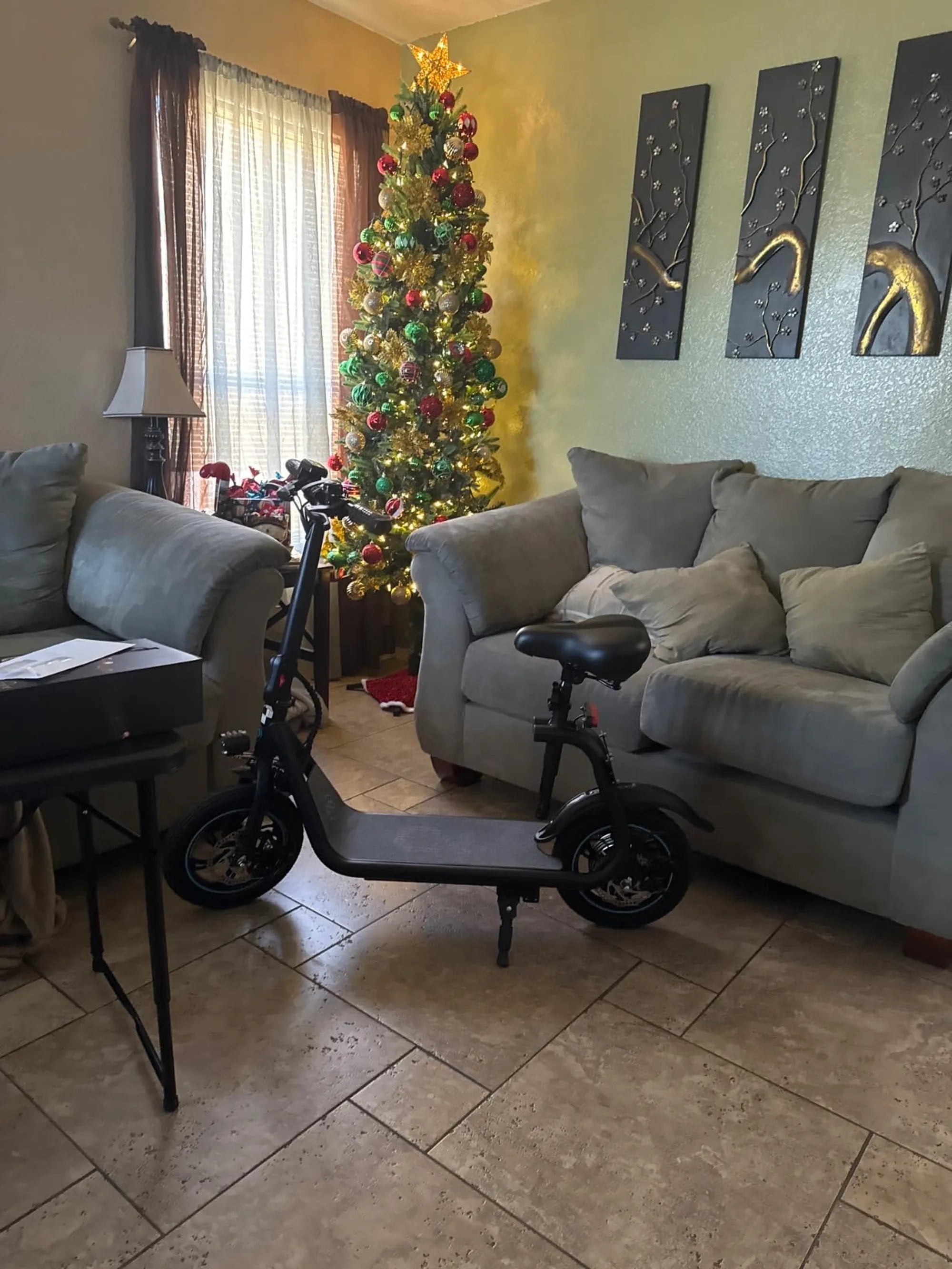
Ever wondered what makes a scooter instantly recognizable on the road? Whether you're a commuter, a student, or just curious about two-wheeled transportation, understanding the design and structure of a scooter can help you appreciate its efficiency and style. Let's dive into the visual elements that define this popular mode of transport.
The Basic Structure of a Scooter
A scooter typically consists of several key components that work together to create a compact and efficient ride. Here's a breakdown of its most recognizable features:
1. The Frame
The frame is the backbone of the scooter, usually made of lightweight materials like aluminum or steel. It provides stability and supports all other parts. Modern scooters often feature a step-through design, allowing riders to mount easily without swinging a leg over.
2. The Wheels
Scooters are known for their small wheels, typically ranging from 8 to 12 inches in diameter. These wheels are designed for agility and quick acceleration, making them ideal for urban environments. Some models feature air-filled tires for a smoother ride, while others use solid rubber for low maintenance.
3. The Deck
The deck is the flat platform where the rider stands. It's often textured to provide grip and may include footrests or ridges for added comfort. The deck's size varies depending on the scooter's intended use, with larger decks offering more space for stability.
4. The Handlebars
Handlebars are the control center of the scooter, equipped with grips, brakes, and sometimes a throttle for motorized models. They are usually height-adjustable to accommodate riders of different sizes. The handlebar stem connects to the front wheel and allows for steering.
5. The Braking System
Most scooters feature a hand-operated brake on the handlebars, often a disc or drum brake for motorized versions. Kick scooters may have a rear fender brake, where pressing down on the fender creates friction against the wheel to slow down.
Design Variations Across Scooter Types
Not all scooters look the same. Depending on their purpose, they can vary significantly in appearance. Here are some common types:
Kick Scooters
These are the simplest and most portable, featuring a narrow deck, small wheels, and a collapsible frame for easy storage. They rely entirely on human power, with no motor or battery.
Electric Scooters
Electric models often have a bulkier frame to house the battery and motor. They may include a display panel on the handlebars for speed and battery life, as well as a charging port.
Vintage Scooters
Classic scooters from the mid-20th century are known for their rounded, streamlined bodies and chrome accents. These often have larger wheels and a more robust frame compared to modern designs.
Color and Aesthetic Features
Scooters come in a wide range of colors, from sleek matte black to vibrant neon hues. Many feature decals, reflective strips, or LED lights for visibility and style. The overall aesthetic can range from minimalist and utilitarian to sporty and futuristic.
Why Scooter Design Matters
The way a scooter looks isn't just about aesthetics—it directly impacts usability. A well-designed scooter balances weight distribution for stability, incorporates ergonomic handlebars for comfort, and uses durable materials to withstand daily wear and tear. Whether you're zipping through city streets or cruising along a bike path, the right design can make all the difference.
Ready to spot a scooter from a mile away? Now that you know what to look for, you'll never mistake one for a bicycle or motorcycle again. From its compact frame to its nimble wheels, every detail serves a purpose—making the scooter a timeless and practical choice for riders everywhere.
Tricycle for 12 Year Old Boy: The Ultimate Guide to Fun and Safety
Ebike Brands Ranked: The Ultimate Guide to Choosing the Best Electric Bikes