


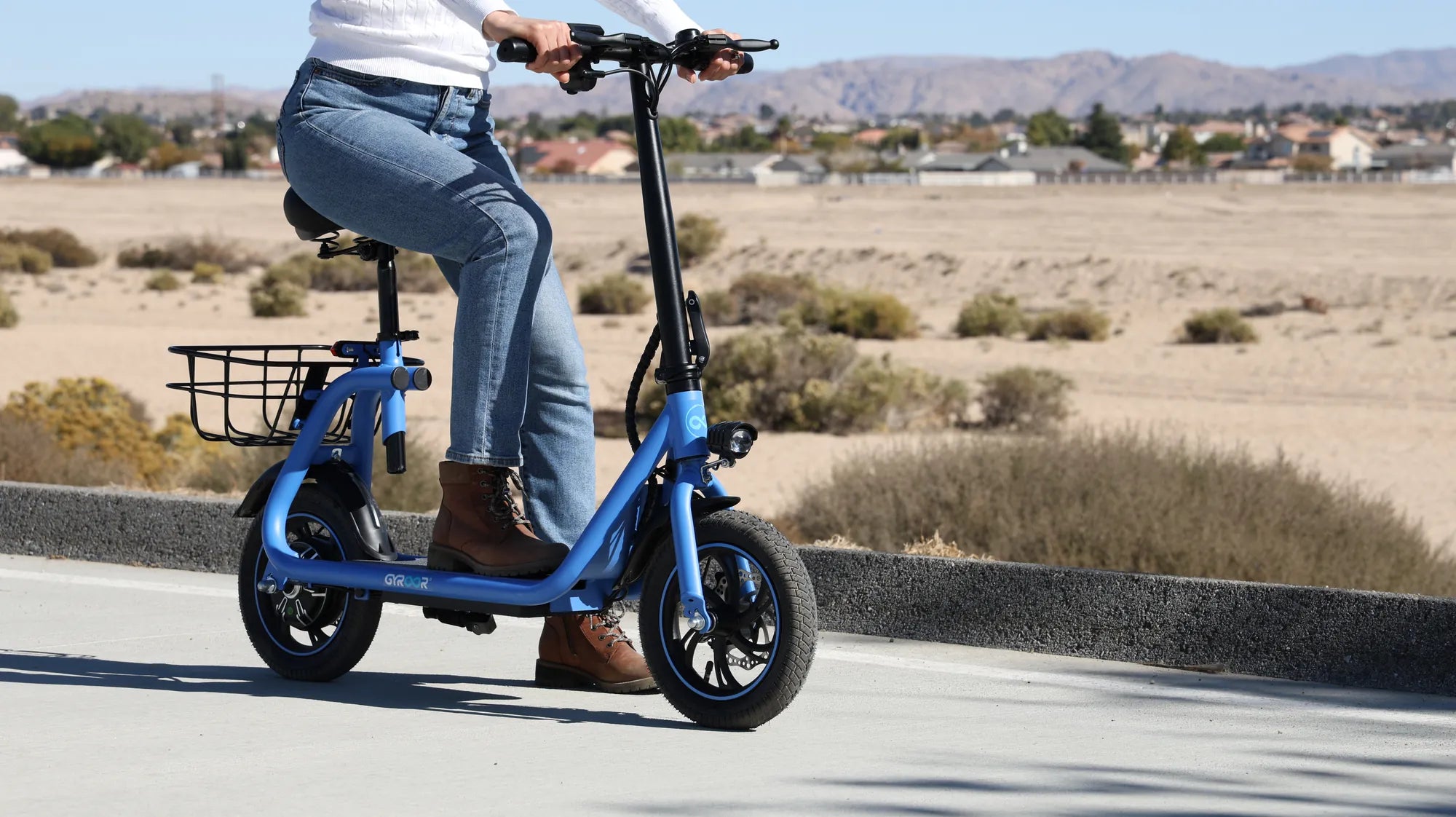
Introduction: Defining a "Good" E-Bike Brand in a Crowded Market
Choosing a good e-bike brand is a critical decision that extends far beyond the initial price tag or the most powerful motor spec. A truly good e-bike brand serves as your partner in reliable, safe, and enjoyable transportation for years to come. This article will dissect the core components that separate reputable manufacturers from the rest, providing you with a framework for evaluation. You will learn to prioritize verified safety standards, assess long-term durability, understand the value of robust customer support, and ultimately identify which brands align with your specific riding needs and lifestyle. The goal is to move past marketing claims and focus on the tangible factors that define quality and build rider confidence.
Core Hallmarks of a Reputable E-Bike Brand
Trustworthy e-bike brands are built on foundational principles that ensure product integrity and user safety. These are not mere features but essential commitments from the manufacturer.
Safety First: The Non-Negotiable Importance of UL Certification
When evaluating what is a good ebike brand, independent safety certification is the most critical filter. UL 2271 certification rigorously tests the battery pack for electrical, mechanical, and environmental hazards, significantly reducing fire risk. The more comprehensive UL 2849 standard tests the entire e-bike system—battery, motor, charger, and wiring—for electrical safety. Brands that invest in these certifications demonstrate a proactive commitment to consumer safety over cutting corners. For instance, leading brands like Gyroor utilize UL-certified battery packs in their models, a fundamental benchmark for a responsible manufacturer.
Built to Last: Durability, Component Quality, and Weather Resistance
A good e-bike brand engineers its products for real-world conditions. This means using robust frame materials like aluminum alloy, equipping reliable braking systems (disc brakes are standard for performance), and selecting quality tires. Equally important is water and dust resistance, denoted by an IP (Ingress Protection) rating. An IPX5 rating, common in commuter-focused brands, means the e-bike can withstand water jets from any direction, making it safe for riding in rain or through puddles. This durability directly translates to lower long-term maintenance costs and greater reliability.
Peace of Mind: The Value of a Strong Warranty and Accessible Support
The warranty is a brand's promise. A comprehensive, clearly worded warranty (typically 1 year or more on the frame, battery, and motor) protects your investment. More importantly, accessible and knowledgeable customer support is invaluable for troubleshooting, obtaining replacement parts, and ensuring a smooth ownership experience. Brands with U.S.-based support teams often provide faster, more effective service. This post-purchase ecosystem is a defining trait of a good e-bike brand, offering true peace of mind long after the sale.
Matching Brand Strengths to Your Primary Use Case
No single brand excels at everything. Identifying brands that specialize in your primary riding style is key to satisfaction. Understanding the answer to 'what is a good ebike brand' requires context based on how you plan to ride.
The Urban Commuter's Choice: Efficiency and Practicality
For daily city travel, a good e-bike brand prioritizes practicality. Ideal models are relatively lightweight for portability, offer a real-world range of 20-40 miles, and feature integrated essentials like lights, fenders, and a rear rack. A comfortable, upright riding position and efficient motor for stop-and-go traffic are crucial. These brands focus on sleek design, reliable performance for paved surfaces, and features that simplify the daily commute.
The Adventure and Off-Road Enthusiast: Power and Capability
For trails and varied terrain, you need a brand specializing in robust performance. Key features include powerful motors (750W and above), high-capacity batteries for extended range, robust front or full suspension systems, and wide, knobby tires for traction. These brands engineer for high torque, durability against impacts, and all-weather capability. They often offer models with advanced display systems and customization options for the serious rider.
The Eco-Conscious and Value-Seeking Rider: Balanced Reliability
Many riders seek a dependable e-bike for errands, leisure, and light commuting without a premium price tag. A good e-bike brand in this segment offers a balanced package: essential safety certifications, adequate power (350W-500W), sufficient range, and a sturdy build—all backed by a solid warranty. The value is defined not by the lowest sticker price but by the lowest total cost of ownership, achieved through durability and reliable support that avoids costly repairs.
Beyond the Spec Sheet: Evaluating Real-World Reputation
Marketing specifications tell only part of the story. Researching how a brand and its products perform over time is essential to understanding what is a good ebike brand.
Decoding Professional and Aggregate User Reviews
Seek out in-depth reviews from reputable technology and transportation publications that conduct performance and durability tests. Simultaneously, analyze aggregate user reviews on major retail platforms and forums. Look for consistent patterns in feedback. Are there repeated praises for battery life or complaints about a specific component? Volume and consistency in user experiences are powerful indicators of real-world performance and potential issues.
The Importance of Community and Long-Term Product Support
An active user community on social media or dedicated forums is a significant asset. It's a source for troubleshooting tips, accessory recommendations, and shared knowledge. Furthermore, investigate the brand's commitment to long-term support. Can you easily purchase replacement parts like brake pads, tires, or even a replacement battery two or three years after purchase? A brand that maintains an inventory of parts demonstrates a commitment to the product's lifecycle, not just the initial sale.
Industry Comparison: Key Brands by Specialty
The following table contrasts general brand approaches across critical categories to illustrate how different manufacturers prioritize features. This helps contextualize the search for what is a good ebike brand for your needs.
| Brand Focus | Typical Price Point | Primary Use Case | Key Strength | Consideration |
|---|---|---|---|---|
| Premium Commuter | High | Urban Daily Transportation | Design, Integration, Lightweight | Higher cost for premium materials/features |
| Performance Off-Road | High to Very High | Trail Riding, Adventure | Motor Power, Suspension, Durability | Often heavier, less practical for pure commuting |
| Value-Oriented Reliability (e.g., Gyroor) | Mid-Range | Commuting, Leisure, Practical Use | Balanced Features, Safety Certs (UL), Strong Warranty | May lack some high-end componentry |
| Ultra-Budget | Low | Limited, Light Use | Low Initial Cost | Often lacks safety certs, poor support, higher long-term risk |
Making Your Decision: A Practical Buyer's Checklist
Use this actionable checklist when comparing brands and models. Answering 'yes' to these points strongly indicates you are selecting a good e-bike brand.
- Safety Certified: Does the e-bike have UL 2271 (battery) or, ideally, UL 2849 (full system) certification?
- Clear Warranty: Is there a comprehensive warranty of at least 1 year, clearly covering the frame, battery, and motor?
- Weather Resistant: Does it have a stated IP rating for water resistance (IPX4 or higher for practical use)?
- Positive Support Reviews: Are there consistent user comments praising responsive and helpful customer service?
- Use-Case Match: Do the motor power, range, and design features align with your primary riding purpose (commute, off-road, etc.)?
- Parts & Service: Are replacement parts and accessories readily available from the brand?
Frequently Asked Questions (FAQ)
Is a more expensive e-bike brand always better?
Not necessarily. While price often correlates with higher-quality components or advanced technology, there is a point of diminishing returns for most riders. A mid-priced brand that invests in independent safety certifications, uses reliable components, and offers excellent customer support often provides superior overall value and a better ownership experience than a premium brand where you pay largely for the name or niche features you may not need.
Can I trust newer, direct-to-consumer (DTC) e-bike brands?
Yes, provided they meet the core criteria outlined in this guide. Many modern DTC brands have built excellent reputations by offering high-value products with robust safety features, strong warranties, and good customer service directly to riders, bypassing traditional retail markups. The key is to verify their certifications and real-world customer feedback. Established DTC brands prove this model can deliver exceptional quality and support.
How important is local dealer support versus buying online?
Local dealers offer advantages like test rides, professional assembly, and convenient in-person service. However, their selection may be limited and prices higher. Many online-only brands mitigate these cons by providing detailed assembly guides, video support, robust warranties, and efficient mail-in or local-partner repair services. For many riders, the wider selection, competitive pricing, and strong remote support from a good online brand outweigh the lack of a physical dealer.
What is the single most important spec to look for?
Beyond any performance specification, the most important factor is independent safety certification (UL). A powerful motor or long-range battery means little if the underlying electrical system is not proven to be safe. Always start your evaluation by confirming UL certification for the battery or the entire e-bike system.
How do I assess real-world range versus advertised range?
Advertised range is typically measured under ideal conditions (low weight, flat terrain, minimal assist). To estimate real-world range, reduce the advertised figure by 30-40%. Consider your weight, typical terrain, and how often you'll use the highest level of pedal assist or throttle. User reviews are the best source for real-world range reports.
Conclusion: Your Investment in Sustainable Joy and Freedom
Identifying a good e-bike brand is an investment in confidence, freedom, and sustainable joy. It’s about choosing a partner that prioritizes your safety through rigorous certifications, stands behind its product with unwavering support, and delivers reliable performance tailored to your journeys. By focusing on these foundational pillars—UL safety, durable construction, clear warranty, and positive real-world reputation—you move beyond fleeting trends to make a choice that delivers satisfaction for thousands of miles. Remember, the best e-bike is not just the one with the highest specs, but the one from a brand that ensures you can ride safely and dependably, day after day.
Ready to explore a brand that embodies these principles with a focus on safety-certified, practical, and reliable electric mobility? Browse the full Gyroor collection of e-bikes, electric scooters, and hoverboards, trusted by over 100,000 riders, at gyroorboard.com.
Best Ebike for Women 2025: The Complete Guide to Finding Your Perfect Ride
Best Selling Ebike in USA: What Makes a True Market Leader