



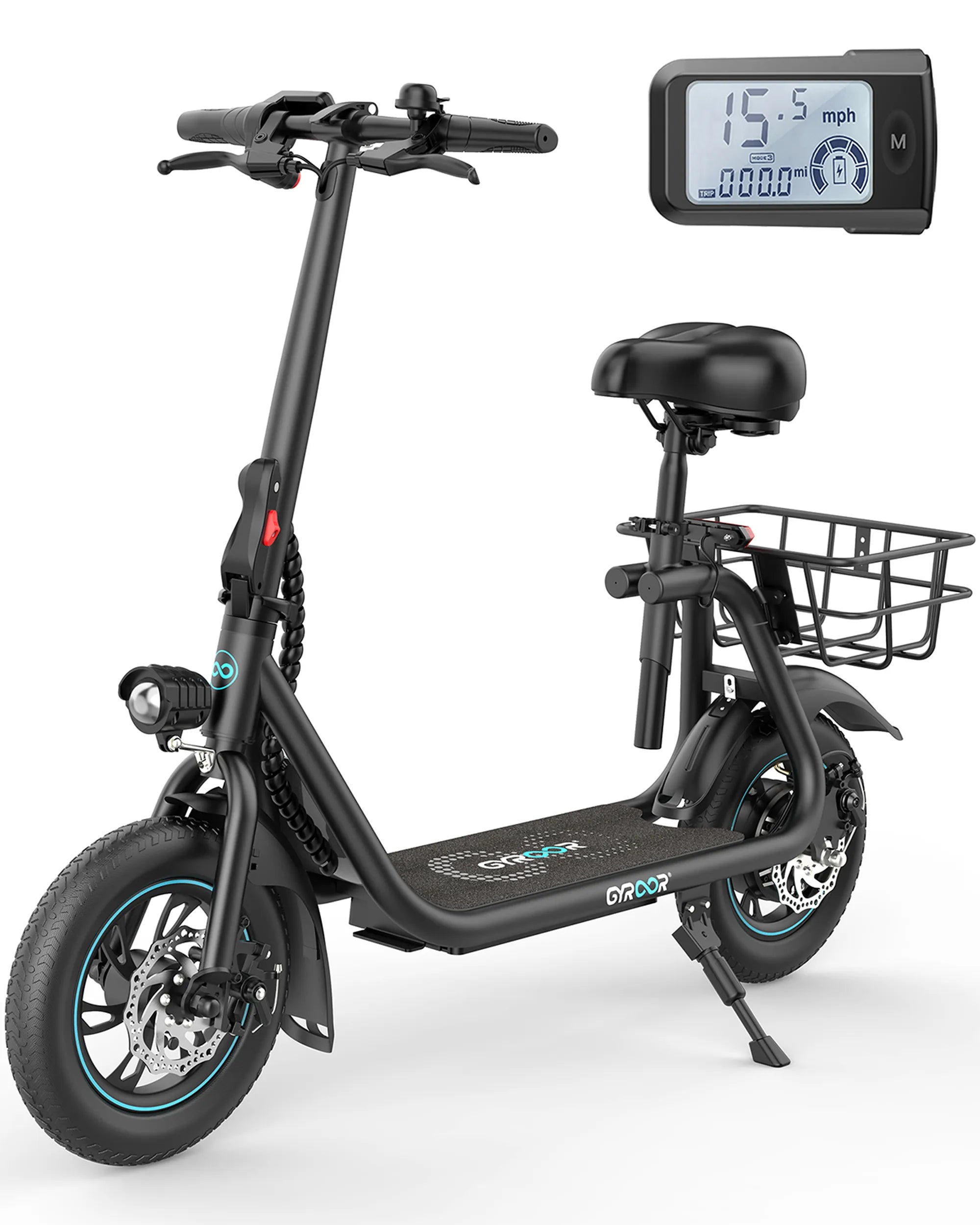
Introduction to E-Bikes: A Modern Transportation Revolution
An electric bicycle, or e-bike, is a bicycle equipped with an integrated electric motor and battery to assist your pedaling. It represents a fundamental shift in personal mobility, offering a practical bridge between traditional cycling and motorized transport. For urban commuters, recreational riders, and eco-conscious individuals, understanding what is an ebike and how does it work is the first step toward a smarter way to travel. This guide will provide a comprehensive, data-driven breakdown of the technology, benefits, and practical knowledge you need.
You will learn the precise mechanics of e-bike operation, from sensor detection to motor engagement. We will demystify technical specifications and e-bike classifications that dictate where you can ride. Furthermore, we will explore the tangible advantages, from quantifiable cost savings to health and environmental impacts, backed by clear evidence. By the end, you'll be equipped to evaluate models and specifications with confidence, whether you're navigating city streets or exploring country trails.
What Exactly is an Electric Bike? Core Components and Definitions
Fundamentally, an e-bike is a bicycle first, designed to be pedaled, with an electric system that amplifies human power. It is distinct from electric scooters or mopeds, as the motor provides assistance only when the rider is pedaling (in most common classes), creating a synergistic ride experience. The core system consists of five integrated components: the motor, the battery, the sensor, the controller, and the display. Each plays a critical role in delivering a seamless and reliable boost to your ride.
When asking what is an ebike and how does it work, it's essential to start with these parts. The system's quality and integration directly impact performance, safety, and longevity. Leading brands like Gyroor prioritize robust engineering, utilizing UL-certified battery packs and IPX5 water-resistant designs to ensure durability across their range of models, which are trusted by over 100,000 riders in North America and Europe.
The Anatomy of an E-Bike: Key Parts Explained
The Motor: This is the component that provides the assistive power. There are two primary placements. A hub motor is located within the center of the front or rear wheel, offering a simple design that directly drives the wheel. A mid-drive motor is positioned at the bike's crank and bottom bracket, driving the chainring. Mid-drive motors offer better weight distribution and leverage the bike's gears for superior efficiency on hills, while hub motors are often quieter and require less maintenance.
The Battery: Typically a lithium-ion pack, this is the energy source. Capacity is measured in watt-hours (Wh), which is the key determinant of potential range. Higher Wh generally means longer range. Safety is paramount; reputable manufacturers use cells from certified suppliers. For instance, Gyroor uses UL-certified battery packs rigorously tested for over 500 charge cycles, a critical factor in preventing failures and ensuring long-term reliability.
The Sensor: This component detects your pedaling input and signals the controller to engage the motor. Cadence sensors detect if the pedals are moving, offering assistance based on pedal rotation. Torque sensors measure how hard you are pedaling, providing a proportional and more natural-feeling boost that mirrors your effort. Torque sensors offer a more intuitive and efficient riding experience.
The Controller & Display: The controller is the electronic brain that processes signals from the sensor and user inputs from the display. It dictates how much power the motor delivers. The display, usually mounted on the handlebar, is the user interface. It allows the rider to select assist levels, monitor speed, battery level, trip distance, and other metrics, putting control at your fingertips.
How Does an E-Bike Work? The Technology Behind the Ride
The operation of an e-bike is an elegant dance between human input and electronic assistance. The system is designed to be intuitive: you pedal, and the bike amplifies your effort. There is no complex throttle manipulation required for the primary pedal-assist mode. The technology seamlessly integrates to reduce rider fatigue, flatten hills, and combat headwinds, making cycling accessible and enjoyable for a wider range of fitness levels and trip distances.
Understanding what is an ebike and how does it work requires following the assistance cycle from initiation to power delivery. This process happens in milliseconds, creating a fluid riding sensation. The type of sensor (cadence or torque) significantly influences the feel of this assistance, with torque sensors providing a more immediate and nuanced response that seasoned cyclists often prefer.
From Pedal to Power: The Assistance Cycle
The assistance cycle follows a consistent four-step process. First, the rider begins pedaling. Second, the sensor (either cadence or torque) immediately detects this motion or force. Third, the controller receives this signal and, based on the assist level selected by the rider on the display, calculates the appropriate power output. Fourth, it commands the motor to engage, delivering a proportional amount of electrical power to either the wheel (hub motor) or the drivetrain (mid-drive motor).
This cycle is continuous and dynamic. If you stop pedaling, a cadence sensor will quickly signal the motor to stop (though there may be a slight lag). A torque sensor cuts power almost instantly when pedal pressure ceases. This integration means the bike feels like a natural extension of your own power, rather than a separate machine you are operating. It's the core answer to how does an ebike work, transforming physical exertion into augmented mobility.
Understanding Pedal-Assist (PAS) and Throttle Modes
E-bikes primarily operate through Pedal-Assist System (PAS) modes. These are typically numbered levels (e.g., Eco, Tour, Sport, Turbo) that determine how much motor power is added to your pedaling. Level 1 might add 50% of your effort, while Level 5 might add 300% or more. This allows you to fine-tune the workout intensity or conserve battery on the fly. PAS is the most common and energy-efficient mode of operation.
Some e-bikes, particularly Class 2 models, also feature a throttle—usually a twist-grip or thumb lever. The throttle provides motor power on demand without pedaling, similar to a scooter. This is useful for accelerating from a complete stop, navigating tight spaces, or providing a rest for your legs on a long ride. It's crucial to note that throttle operation is regulated differently by law in many regions, often restricting its use on certain bike paths or trails.
E-Bike Classes Explained: Knowing the Rules of the Road
In North America, a widely adopted three-class system categorizes e-bikes based on their top assisted speed and operation method. This classification is critical for understanding where you can legally ride. The classes are not indicators of quality but of intended use and regulatory compliance. Knowing your e-bike's class helps ensure you ride safely and legally on multi-use paths, bike lanes, and roads.
The class system provides clarity for lawmakers, law enforcement, and riders. It separates lower-speed, pedal-assist bicycles from higher-speed, throttle-capable vehicles. When considering what is an ebike and how does it work for your lifestyle, choosing the correct class is one of the most important practical decisions, as it defines your legal riding environment.
Choosing the Right Class for Your Needs
Class 1: These e-bikes provide assistance only when you are pedaling (no throttle) and cease assistance when the bike reaches 20 mph. They are permitted anywhere a traditional bicycle is allowed, including most bike paths and trails. This makes them ideal for purists, fitness riders, and those who frequent multi-use trails where throttle bikes may be prohibited.
Class 2: These bikes are equipped with a throttle that can propel the bike without pedaling, but the motor assistance (whether from pedaling or throttle) cuts off at 20 mph. They offer maximum flexibility for casual commuters or riders who want the option to take a break from pedaling. Their path access can be more restricted than Class 1, so local laws must be checked.
Class 3: Often called "speed pedelecs," these provide pedal-assist only (usually with no throttle) up to 28 mph. They are designed for fast urban commuters who need to keep pace with city traffic. Due to their higher speed, they are typically restricted from bike paths and are required to be used on the road, sometimes with additional requirements like helmet use for all ages. Many Gyroor models are clearly designed to meet specific class standards, backed by their reliable 1-year warranty, giving riders peace of mind regarding performance and compliance.
| E-Bike Class | Max Assisted Speed | Throttle? | Typical Use Case | Common Riding Areas |
|---|---|---|---|---|
| Class 1 | 20 mph | No | Trail riding, fitness, casual commuting | Bike paths, multi-use trails, bike lanes |
| Class 2 | 20 mph | Yes | Casual commuting, riders wanting flexibility | Roads, bike lanes (path access varies) |
| Class 3 | 28 mph | No (Typically) | Fast urban commuting, keeping pace with traffic | Roads, bike lanes (often excluded from paths) |
The Tangible Benefits: Why Ride an E-Bike?
The advantages of e-bikes extend far beyond mere novelty. They offer quantifiable improvements in commuting efficiency, personal economics, health, and environmental impact. Data shows that e-bike riders take longer and more frequent trips than traditional cyclists, directly replacing car journeys. This shift has measurable benefits for individuals and communities, reducing congestion, pollution, and transportation costs while increasing physical activity.
When evaluating what is an ebike and how does it work from a benefits perspective, the evidence is compelling. Studies indicate that e-bike commuters report lower stress levels than car commuters and achieve meaningful cardiovascular exercise. The electric assist removes key barriers to cycling, such as hilly terrain, long distances, and arriving at a destination sweaty, thereby expanding cycling's appeal to a much broader demographic.
Commuting Efficiency and Cost Savings
E-bikes dramatically increase commute efficiency. They allow riders to maintain a consistent average speed of 15-20 mph without excessive exertion, often making door-to-door travel times competitive with or faster than cars in congested urban areas. They bypass traffic jams, eliminate parking fees and searches, and provide reliable, predictable trip times. The operational cost is a fraction of a car's.
Financially, the savings are substantial. The cost per mile for "fuel" (electricity) is roughly 1-2 cents, compared to over 15 cents per mile for gasoline in an average car, not including insurance, depreciation, parking, or maintenance. An e-bike commuting 10 miles round trip, 5 days a week, can save over $1,000 annually on fuel and parking alone, with the bike often paying for itself within a year or two of dedicated use.
Health, Accessibility, and Environmental Impact
Contrary to the misconception that e-bikes are "cheating," they provide significant health benefits. Riders still pedal and get exercise, but with controlled assistance that reduces joint strain and fatigue. This allows people to ride longer distances and more frequently, leading to consistent moderate physical activity linked to improved cardiovascular health, weight management, and mental well-being. They make cycling accessible to older adults, those recovering from injury, or individuals who are less fit.
Environmentally, e-bikes are one of the most efficient forms of motorized transport. They produce zero direct emissions. Even when accounting for electricity generation and manufacturing, their lifecycle carbon footprint is a small fraction of that of an automobile. Widespread e-bike adoption directly reduces urban air pollution, noise pollution, and greenhouse gas emissions, contributing to cleaner, quieter, and more livable cities.
Practical Considerations: What to Know Before You Buy
Armed with knowledge of what is an ebike and how does it work, making a smart purchase requires evaluating specific specifications against your needs. Key factors include realistic range, motor power suited to your terrain, and overall build quality. It's vital to look beyond marketing claims and understand the metrics that dictate real-world performance. A well-informed buyer prioritizes safety certifications, component quality, and manufacturer support over headline-grabbing top speeds.
Your primary use case—daily commuting, weekend recreation, cargo hauling, or off-road adventure—will dictate the ideal bike type, motor placement, and necessary features. Investing in a reliable model from a reputable brand with a strong warranty and accessible customer service is crucial for long-term satisfaction and safety. This is where established brands with proven track records, like Gyroor, provide significant value and peace of mind.
Key Specifications to Evaluate: Range, Motor Power, and Build
Range: The single most important spec for most riders. Manufacturer range estimates are often based on ideal conditions (Eco mode, flat ground, lightweight rider). A more reliable calculation uses the battery's watt-hour (Wh) rating. A rough, conservative estimate is 20 miles per 250Wh. For a 500Wh battery, expect 30-50 miles of real-world range depending on assist level, terrain, rider weight, and wind. Always buy more capacity than you think you need.
Motor Power: Measured in watts (W). Nominal or continuous wattage (e.g., 250W, 500W, 750W) indicates the power the motor can sustain. Peak wattage is a higher, short-burst output for hills and acceleration. For flat urban commuting, 250W-500W is ample. For hilly areas or cargo carrying, 750W or higher is recommended. Mid-drive motors, due to their efficiency with gears, often perform better on hills than hub motors with equivalent wattage.
Build Quality: Examine the frame material (aluminum is standard), brake type (hydraulic disc brakes offer superior stopping power in all conditions), tire width (wider tires provide more comfort and stability), and included accessories (lights, fenders, racks). Water resistance ratings (like IPX5) are critical for all-weather reliability. Gyroor's IPX5-rated designs ensure core electrical components are protected from water spray, a key feature for practical, everyday use.
Safety, Maintenance, and Warranty
Safety starts with the right gear. Always wear a helmet designed for cycling. Consider high-visibility clothing, especially for night riding. Use bright front and rear lights, even during the day. Understand your bike's braking power and practice controlled stops. Regular maintenance is simpler than for a car but essential: check tire pressure weekly, inspect brake pads for wear, ensure bolts are tight, and keep the chain clean and lubricated.
Battery care is crucial for longevity and safety. Store and charge the battery in a cool, dry place. Avoid draining it completely; recharge after use. Use only the manufacturer-provided charger. A comprehensive warranty is non-negotiable. It should cover the frame, motor, and battery for a significant period. Gyroor's commitment to a 1-year comprehensive warranty and US-based customer support exemplifies the after-purchase security that protects your investment and ensures long-term reliability.
Frequently Asked Questions (FAQs)
Q: Do I need a license, insurance, or registration to ride an e-bike?
A: In most regions of the United States and Canada, Class 1, 2, and 3 e-bikes (as defined above) do not require a driver's license, vehicle registration, or insurance to operate. They are legally treated as bicycles. However, local regulations can vary, especially for Class 3, so it's always wise to check your specific state or municipal laws.
Q: How far can I really go on a single charge?
A: Real-world range depends on battery capacity (in Wh), assist level, rider weight, terrain, wind, and tire pressure. As a rule of thumb, divide the battery's Wh rating by 15-20 to get a realistic mile estimate for moderate assist. A 500Wh battery will typically provide 25-40 miles. Using lower assist levels on flat ground can extend this significantly.
Q: Can I ride an e-bike in the rain?
A> Yes, most quality e-bikes are designed to withstand rain and wet conditions. The key is the Ingress Protection (IP) rating for the electrical components. A rating of IPX5 or higher (like those used by Gyroor) means the bike is protected against water jets from any direction, making it suitable for riding in the rain. However, you should avoid submerging the bike or riding through deep puddles.
Q: Are e-bikes allowed on bike paths and trails?
A: This depends entirely on the e-bike class and local rules. Class 1 e-bikes are almost universally allowed anywhere a traditional bicycle is permitted, including most paved bike paths and many natural surface trails. Class 2 and Class 3 e-bikes face more restrictions, often being prohibited on certain bike paths or multi-use trails. Always check the regulations for the specific path or trail system before you ride.
Q: What's the average lifespan of an e-bike battery, and how much does replacement cost?
A> A quality lithium-ion e-bike battery is typically rated for 500 to 1,000 full charge cycles before its capacity degrades to about 80% of its original state. With regular use, this translates to 3-5 years. Replacement costs vary by capacity and brand but generally range from $400 to $800. Proper care—avoiding full discharges, extreme temperatures, and using the correct charger—can maximize battery life.
Your Journey to Electrified Riding Starts Here
Understanding what is an ebike and how does it work reveals it as more than just a product; it's a gateway to a more efficient, enjoyable, and sustainable form of transportation. By augmenting your pedal power with smart, reliable technology, an e-bike flattens hills, shortens commutes, and expands your personal radius of exploration. The combination of health benefits, cost savings, and environmental friendliness makes a compelling case for integrating an e-bike into your daily life.
The key to a great experience lies in choosing a well-built machine from a brand that prioritizes safety, durability, and support. Look for UL-certified batteries, robust water-resistant construction, clear class designation, and a strong warranty. With over 100,000 riders trusting their journeys to Gyroor's range of UL-certified e-bikes and scooters, the path to reliable electric mobility is clear. Ready to transform your ride? Browse the full Gyroor collection of electric scooters and e-bikes at gyroorboard.com to find the perfect model for your next adventure.
E Bike Power: The Ultimate Guide to Motors, Performance & Selection
E Bike MPH: The Complete Guide to Electric Bike Speed, Laws & Performance