


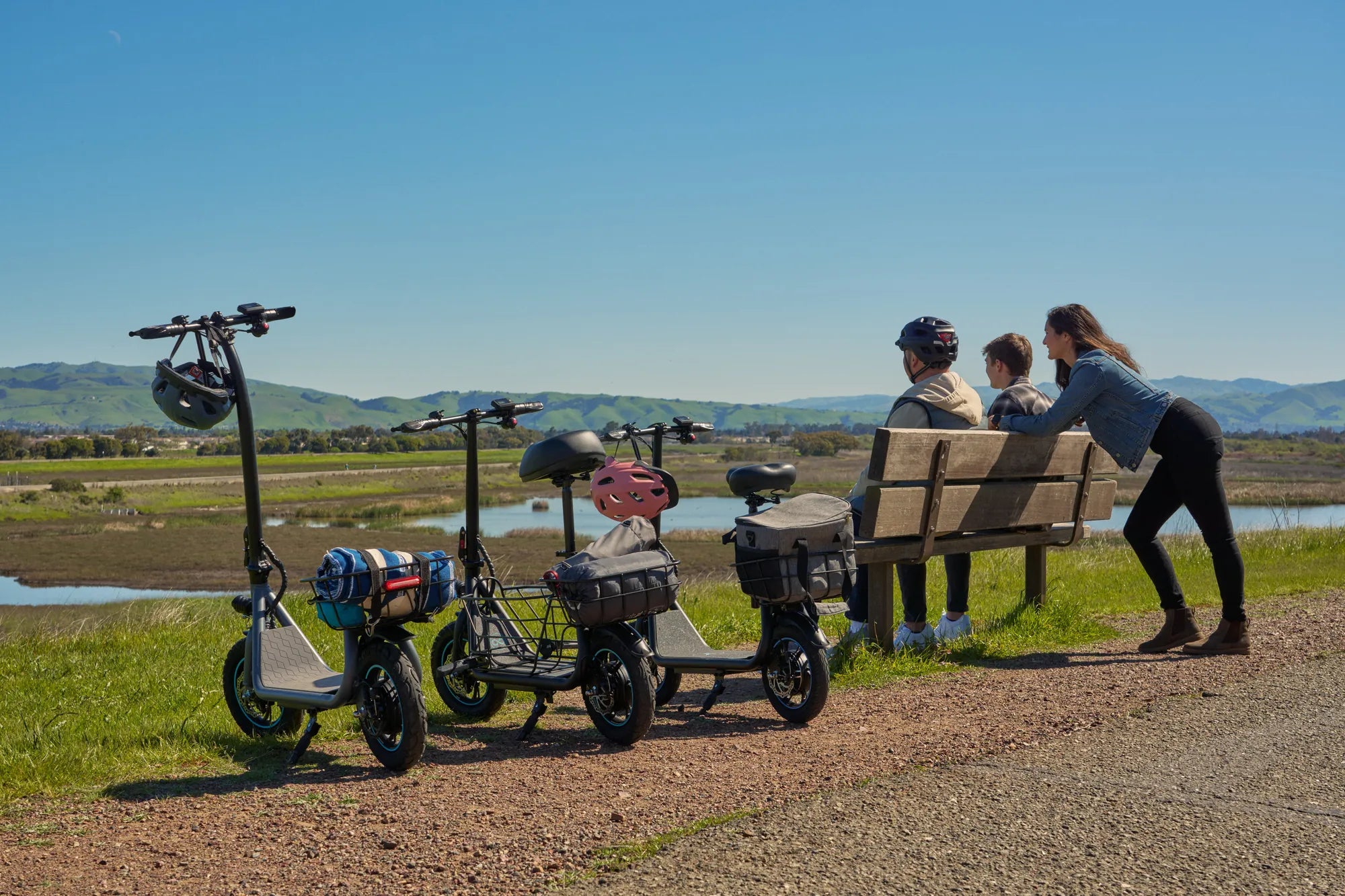
Mountain biking is an exhilarating sport, but it comes with risks. A high-quality helmet isn't just an accessory—it's a necessity. Whether you're a beginner or a seasoned rider, finding the best helmet for mountain biking can be the difference between a thrilling ride and a dangerous accident. Let’s dive into what makes a great mountain biking helmet and how to pick the right one for your needs.
Why a Proper Mountain Biking Helmet Matters
Mountain biking helmets are designed to protect your head from impacts, whether you're tackling rocky trails or speeding downhill. Unlike regular bike helmets, they offer extended coverage around the back of the head and temples. A well-fitted helmet can prevent serious injuries, making it a non-negotiable piece of gear for every rider.
Key Features to Look for in a Mountain Biking Helmet
1. Safety Certifications
Always check for certifications like CPSC, ASTM, or CE EN 1078. These indicate the helmet meets rigorous safety standards. A certified helmet ensures reliable impact protection.
2. Fit and Comfort
A helmet should fit snugly without causing pressure points. Look for adjustable retention systems and padding that molds to your head. Ventilation is also crucial to keep you cool during intense rides.
3. Construction and Materials
Most high-quality helmets use polycarbonate shells with EPS foam liners. Some advanced models feature MIPS (Multi-directional Impact Protection System) for added safety against rotational forces.
4. Coverage and Design
Full-face helmets offer maximum protection for downhill riding, while open-face models are lighter and more breathable for cross-country trails. Choose based on your riding style.
Types of Mountain Biking Helmets
1. Open-Face Helmets
Ideal for cross-country and trail riding, these helmets prioritize airflow and lightweight design. They provide basic protection without restricting visibility.
2. Full-Face Helmets
Best for downhill and enduro riders, full-face helmets offer superior protection with chin guards. They’re heavier but essential for high-speed, technical terrain.
3. Convertible Helmets
These versatile helmets allow you to switch between open-face and full-face configurations, making them great for riders who tackle varied trails.
How to Choose the Right Helmet for Your Riding Style
Your helmet should match your riding discipline. Cross-country riders benefit from lightweight, ventilated helmets, while downhill enthusiasts need robust full-face protection. Consider the terrain, speed, and risk level of your rides when making a choice.
Maintenance and Replacement Tips
Inspect your helmet regularly for cracks or damage. Even if it looks fine, replace it after a significant impact or every 3-5 years, as materials degrade over time. Clean the padding and straps to maintain hygiene and functionality.
Choosing the best helmet for mountain biking isn’t just about style—it’s about safety and performance. With the right fit, features, and protection, you can ride with confidence and focus on the trail ahead. Don’t compromise; your head deserves the best defense against the unpredictable nature of mountain biking.
Best Budget Electric Scooter with Basket for College Students
Electric Bike Long Range Models: The Future of Sustainable Commuting