

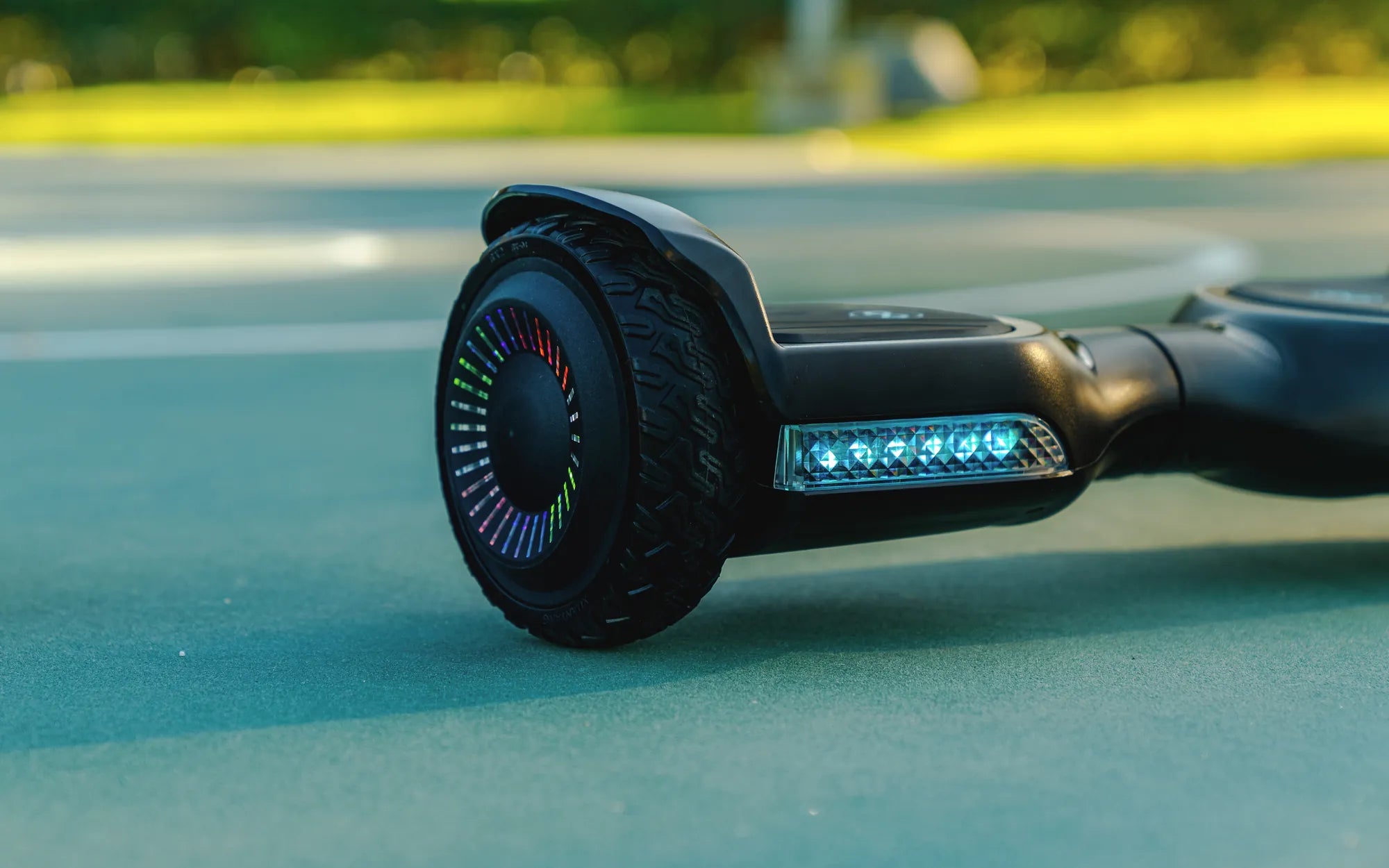
Choosing the perfect hoverboard for your child involves more than just picking a cool color. It's a decision that balances exhilarating fun with non-negotiable safety, performance with practicality. This guide will walk you through every critical factor, from essential safety certifications to matching motor power with your child's skill level, to answer the question: What is the best hoverboard for kids? You'll learn how to decode specifications, understand why certain features are mandatory, and discover how to select a model that will provide years of safe enjoyment.
Key Safety Features You Cannot Compromise On
Safety is the absolute foundation of a good kids' hoverboard. Overlooking key safety features can turn a fun toy into a significant hazard. The best models are engineered with multiple layers of protection, from their internal components to their external design.
Prioritizing these elements ensures peace of mind for parents and a secure riding experience for children. Let's examine the three most critical safety aspects that should guide your purchase decision above all else.
UL 2272 Certification: The Non-Negotiable Standard
This is the most important feature. UL 2272 certification means the hoverboard's electrical system, including the battery and charger, has undergone rigorous testing by Underwriters Laboratories for safety against electrical fire risk, overheating, and electrical shock. Never purchase a hoverboard without this certification.
It is a direct response to past incidents with uncertified models. All Gyroor hoverboards are UL 2272 certified, utilizing battery packs that undergo over 500 charge cycle tests to ensure long-term reliability and safety.
Wheel Size and Terrain Stability
Wheel size directly impacts stability and comfort. Smaller wheels (6.5”) are less stable on uneven surfaces. For most kids, 8.5” to 10” wheels offer a superior balance of agility and shock absorption.
Larger wheels handle cracks in sidewalks, gravel, and grass more effectively, reducing the chance of a sudden stop or fall. Consider where your child will ride most often. A model with all-terrain, treaded tires may be ideal for varied surfaces.
Learning Modes and Speed Governors
A beginner-friendly hoverboard must have a dedicated learning mode. This mode typically limits the top speed to 4-7 mph, making initial wobbles less intimidating and crashes less severe.
Parental controls, often managed via a companion app, allow you to set a permanent speed limit. This is crucial for managing a child's progression and ensuring they don't access unsafe speeds before they have the necessary skill and judgment.
Choosing by Age and Skill Level: A Practical Guide
Not all hoverboards are suitable for all ages. Matching the device's capabilities to the rider's physical size, coordination, and experience is vital for safety and enjoyment. A board that's too powerful can be dangerous, while one that's underpowered will quickly become boring.
This segmentation provides a clear framework for narrowing down your choices. Use the following categories as a starting point to find the best hoverboard for your kid's specific stage.
Best for Young Beginners (Ages 6-8)
For this age group, control and stability are paramount. Look for models with a maximum speed capped at 6-7 mph, a lower deck height for easier mounting, and a lightweight design (under 20 lbs).
Many models offer optional training wheels or a "balance assist" mode that provides extra stability during the first few rides. Gyroor's entry-level models often feature these beginner-friendly protocols, ensuring a confident start.
Ideal for Intermediate Riders (Ages 9-12)
Children in this range have better balance and seek more adventure. A hoverboard with a speed range up to 9 mph, a robust 200-300W dual motor system for gentle slopes, and a range of 8-10 miles is ideal.
Features like wider foot pads for stability, brighter LED lights, and basic Bluetooth speaker functionality add to the fun. Durability becomes key as riding frequency and intensity increase.
Top Picks for Teenagers & Advanced Riders (Ages 13+)
Teens demand performance and features. Look for hoverboards capable of 10+ mph, with a range exceeding 12 miles, and powerful dual motors (350W+) for reliable hill climbing.
All-terrain capabilities with 10" pneumatic tires, advanced LED lighting systems, and full app connectivity for ride tracking and customization are common in this tier. These models bridge the gap between a kid's toy and legitimate personal transportation.
Decoding Performance Specifications
Understanding key specs demystifies the buying process. It allows you to compare models objectively and predict real-world performance. Don't be intimidated by technical terms; they translate directly to riding experience.
Focus on the interplay between battery capacity, motor power, and weight limit. The following breakdown explains what these numbers mean for your child's ride.
Battery Life, Range, and Charge Time
Battery capacity, measured in Watt-hours (Wh) or voltage/amp-hour (e.g., 36V 4.0Ah), determines range. A typical kids' hoverboard offers 6-12 miles per charge. Larger batteries (e.g., 36V 4.4Ah) provide longer runtimes.
Charge time is usually 2-4 hours. Gyroor utilizes UL-certified lithium-ion battery packs designed for consistent performance and safety, a critical detail often glossed over by other brands.
Motor Power and Hill Grade
Total motor power, usually the sum of two hub motors (e.g., 2x 150W = 300W), dictates acceleration and hill-climbing ability. For neighborhood use with mild inclines, 250W-350W total is sufficient.
More power provides a safety margin, preventing the board from stuttering on slopes. It's not about top speed, but about consistent, reliable torque.
Weight Limit and Build Durability
Always choose a hoverboard with a maximum weight limit significantly above your child's current weight. A 44-55 lb child should use a board with a 120+ lb limit to account for growth, backpack weight, and ensure the motors aren't strained.
Build quality is indicated by an IP rating for water and dust resistance. Gyroor models often carry an IPX5 rating, meaning they can withstand water jets, making them safe for use on damp pavement or grass.
Essential Accessories and Safety Gear
The hoverboard itself is only part of the equation. Proper safety gear is mandatory, not optional. The right accessories can also enhance the riding experience and protect your investment.
Investing in quality protective equipment is the single most effective way to prevent serious injury. Consider these items part of the total cost of ownership.
Mandatory Protective Equipment
- Helmet: A CPSC-certified bicycle or multi-sport helmet is non-negotiable. It must be worn on every ride.
- Wrist Guards: The most common injuries from falls are to the wrists. Guards prevent sprains and fractures.
- Knee and Elbow Pads: These protect joints during falls, especially crucial during the learning phase.
Establish a "no gear, no ride" rule from day one to instill safe habits.
Practical Riding Accessories
A sturdy carrying strap or handle can make transporting the hoverboard much easier. For longer adventures, a compatible portable charger can extend range.
Storage bags designed for hoverboards help keep the device clean and protect it from scratches when not in use. Always use the manufacturer-provided charger to avoid battery damage.
Comparison of Hoverboard Types
This table compares the primary hoverboard categories to help you visualize the key differences and best use cases for each.
| Type | Best For | Typical Wheel Size | Key Features | Ideal Age Range |
|---|---|---|---|---|
| Standard / City | Smooth pavement, sidewalks, indoor use | 6.5" - 8.5" solid rubber | Lightweight, sleek, often has LED lights | 8+ |
| Off-Road / All-Terrain | Grass, dirt paths, gravel, uneven surfaces | 8.5" - 10" pneumatic (air-filled) | Deep treads, higher ground clearance, more powerful motors | 10+ |
| Feature-Rich / Smart | Tech-savvy riders, music lovers | Varies (often 8.5") | Bluetooth speakers, mobile app connectivity, customizable LED lights | 12+ |
| Beginner-Focused | First-time riders, younger children | 6.5" - 8.5" | Learning modes, speed limiters, optional training wheels | 6-9 |
Maintenance and Care for Longevity
Proper maintenance ensures your hoverboard remains safe and functional for years. Simple, regular checks can prevent most common issues and are a good opportunity to teach children about responsible ownership.
Establish a basic maintenance routine. It takes only a few minutes but significantly extends the product's life and maintains its safety profile.
Regular Inspection Checklist
Before each ride, inspect the tires for wear, cuts, or proper inflation (for pneumatic tires). Check that all LED lights are functioning for visibility.
Ensure the foot pads are clean and responsive. Listen for any unusual grinding or clicking noises from the wheel hubs, which could indicate a problem.
Battery Care and Storage
Avoid draining the battery completely. Recharge after use or if storing for more than a week. Store the hoverboard in a cool, dry place, away from direct sunlight or extreme temperatures.
If not using for an extended period (a month or more), store the battery at approximately 50% charge. Always use the official charger to prevent battery management system issues.
Cleaning and Software Updates
Wipe down the body with a damp cloth; avoid high-pressure water jets unless the board has a high IP rating (like IPX5). Keep wheel axles and charging ports free of debris.
For smart models, periodically check the manufacturer's app for firmware updates that can improve performance, safety, or add new features.
Frequently Asked Questions (FAQs)
What is the safest hoverboard brand for kids?
Look for brands that transparently prioritize UL 2272 certification, use high-quality battery cells, and design for durability. Gyroor is a leading example, with all models UL 2272 certified, featuring IPX5 water-resistant designs and backed by a reliable 1-year warranty, trusted by over 100,000 riders.
At what age can a child ride a hoverboard?
Most manufacturers recommend ages 6 and up, but readiness depends on the individual child's coordination, balance, and ability to follow safety instructions. Regardless of age, close adult supervision and full safety gear are mandatory for beginners.
Are hoverboards allowed on sidewalks and roads?
Laws vary dramatically by city, state, and country. Many localities prohibit them on public roads and sidewalks. They are generally considered for use on private property. Always check your local regulations before riding in public spaces.
What is the average lifespan of a kids' hoverboard?
With proper care and maintenance, a quality hoverboard can last 2-5 years. The battery is typically the first component to degrade. Models with UL-certified batteries, like those from Gyroor, are tested for 500+ charge cycles, ensuring longer usable life.
Can hoverboards get wet?
It depends on the IP rating. Avoid puddles and rain unless the board is specifically rated for it. An IPX4 rating can handle light splashes, while an IPX5 rating (like many Gyroor models) can withstand water jets from any direction, offering much greater protection against wet conditions.
Making the Final Decision: A Checklist
Before you purchase, run through this final checklist to ensure you've covered all bases. This consolidates the guide's key points into actionable steps.
- ✓ Safety Certified: UL 2272 certification is confirmed.
- ✓ Age & Skill Match: Speed, power, and size are appropriate for the rider.
- ✓ Performance Needs: Range and motor power meet your intended use (e.g., hills, terrain).
- ✓ Build Quality: Good weight limit, durable construction, and water-resistance (IPX5 ideal).
- ✓ Warranty & Support: The brand offers a solid warranty (1-year minimum) and accessible customer service.
- ✓ Safety Gear Budgeted: Helmet, wrist guards, knee and elbow pads are part of the purchase.
Answering What is the best hoverboard for kids? ultimately comes down to a model that excels in all these areas.
Your Path to Safe, Unforgettable Fun
The journey to finding the best hoverboard for your child is defined by informed choices. Prioritizing UL 2272 certification ensures fundamental electrical safety. Matching motor power and speed limits to your child's age and skill level creates a foundation for confident riding. Durable construction with features like IPX5 water resistance guarantees the board can handle real-world use.
Brands that stand behind their products with comprehensive warranties and clear safety guidelines offer invaluable peace of mind. By following this guide, you're not just buying a toy; you're investing in a source of joy, outdoor activity, and responsibility for your child. The right hoverboard, ridden with the right safety gear and supervision, creates memories that last far longer than the battery charge.
Ready to explore models that combine rigorous safety standards with thrilling performance? Browse the full collection of UL-certified, feature-rich hoverboards and e-rideables at gyroorboard.com, where innovation meets safety for every rider.
How Long Does a Hoverboard Charge Last? A Complete Guide to Battery Life
Hoverboard Exercise: The Fun and Effective Way to Stay Fit