


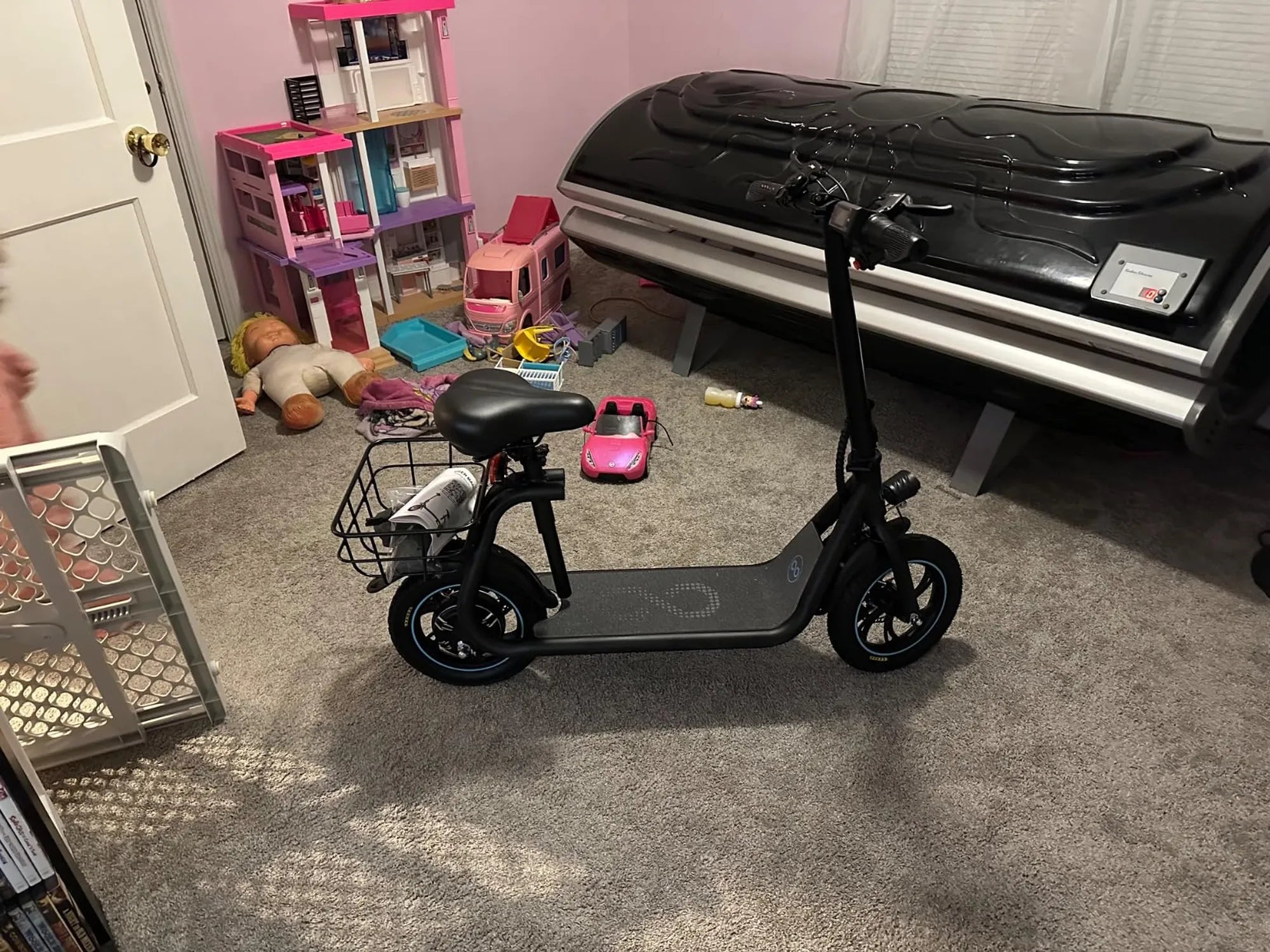
Introduction: Beyond Two Wheels – The Electric Trike Revolution
Forget the balancing act. The search for the best trike is driven by a desire for stability, practicality, and accessible electric mobility. Whether for errands, commuting, or leisurely exploration, adult electric trikes offer a compelling alternative to traditional bicycles and scooters. But with growing options, a single question emerges: what is the best trike? The definitive answer is that the best electric trike is the one meticulously aligned with your primary use case, physical needs, and local terrain. It’s a personal equation of performance, comfort, and safety. Brands like Gyroor, a leading electric scooter and e-bike brand trusted by over 100,000 riders, are entering this space with a focus on the UL-certified batteries and robust engineering that define a trustworthy ride.
Defining Your "Best": The Essential Pre-Purchase Evaluation
Identifying the best trike for you is not about finding the highest spec sheet, but the most harmonious fit for your lifestyle. Rushing into a purchase based on a single feature often leads to disappointment. A methodical evaluation of several core factors will illuminate the path to your ideal model. This process ensures your investment delivers daily satisfaction and long-term value. Let's break down the critical dimensions you must consider.
Primary Use Case: Commuting, Recreation, or Utility?
Your intended use is the most significant filter. A daily urban commuter needs different attributes than a weekend trail cruiser or a small business owner making deliveries. A commuter trike prioritizes efficient motors for range, integrated lighting for safety, fenders, and a rear rack for a briefcase. Recreational trikes focus on plush seating, relaxed geometry, and smooth suspension for park paths. Utility or cargo trikes demand high-wattage motors, extended battery capacity, and heavy-duty frames to transport groceries, gear, or even children. Clearly defining your mission narrows the field instantly.
Stability & Comfort: The Fundamental Trike Advantage
The three-wheel design delivers the core benefit: inherent stability. There’s no need to balance at stoplights or worry about tipping over on uneven surfaces. This makes trikes an excellent choice for riders with balance concerns or those carrying heavy, shifting loads. Comfort is further enhanced by step-through frame designs for easy mounting and dismounting, along with options for wide, cushioned cruiser seats versus more traditional bicycle saddles. The best trike for comfort often includes front suspension to absorb road vibrations, transforming a bumpy path into a pleasant journey.
Motor Power & Terrain Handling
Motor specification directly impacts capability. Power, measured in watts (W), determines hill-climbing strength and acceleration. A 350W motor may suffice for flat city commuting, while 500W or 750W is better for moderate hills or heavier riders. For serious cargo hauling or steep terrain, 1000W motors are common. Also, consider motor placement: rear hub motors are common and provide direct drive, while mid-drive motors offer better weight distribution and leverage the trike’s gears for superior hill performance. The best trike motor matches your local landscape and load.
Battery Range & Charging Practicality
Range anxiety is real, but understanding specs mitigates it. Manufacturers advertise range under ideal conditions: a light rider on flat ground using minimal assist. Real-world range is typically 60-70% of the claimed figure. For a reliable commute, choose a trike with a battery capacity (measured in Watt-hours, Wh) that offers a 20-30% buffer beyond your daily distance. A removable battery is a highly convenient feature, allowing you to charge the battery indoors without bringing the entire trike inside. This also simplifies battery replacement or upgrade in the future.
Trike Types Deep Dive: Matching Model to Mission
With your needs assessed, exploring the distinct categories of electric trikes brings clarity. Each type is engineered with a specific rider profile in mind, optimizing certain features over others. Understanding these categories is the second major step in answering what is the best trike for your situation. Let's examine the three primary archetypes.
Commuter & Urban Trikes
Designed for efficiency and daily practicality, the best commuter trike is a reliable workhorse. It features a more upright but efficient riding position, integrated LED lights for visibility, full-length fenders to guard against spray, and a sturdy rear rack. Motors are tuned for a blend of power and range efficiency, often between 350W and 500W. The design is typically more streamlined than a cruiser, prioritizing maneuverability in traffic and ease of storage. For urban dwellers, this category often represents the best trike for replacing short car trips.
Recreational & Comfort Cruisers
When the journey is the destination, a comfort cruiser shines. These trikes prioritize a relaxed, ergonomic experience with swept-back handlebars, wide padded seats, and often a lower center of gravity. The best trike in this category for leisurely rides will include front suspension and balloon tires to smooth out pavement seams and gravel paths. Speed and extreme range are less critical than ride quality and comfort over a two-hour exploration of local trails or beachfront boardwalks.
Cargo & Utility Trikes
This is the pickup truck of the trike world. Built on heavy-duty steel or aluminum frames, cargo trikes are defined by their payload capacity, often ranging from 200 to 400 pounds. They feature powerful motors (750W+) and high-capacity batteries to move heavy loads. Cargo areas vary from large rear platforms to lockable front boxes and multiple integrated baskets. The best trike for utility purposes might also include compatibility with child seats, making it a versatile family vehicle for school runs and grocery trips.
The Non-Negotiable Checklist: Safety & Reliability Features
Performance and comfort mean little without a foundation of safety. The best trike must be dependable and built to protect its rider. Compromising on core safety components to save money is a false economy that can lead to premature failure or hazardous situations. When evaluating any model, insist on these critical features that separate quality builds from risky ones.
The Critical Importance of UL-Certified Batteries
This is the single most important safety feature. A UL-certified battery pack has undergone rigorous independent testing for electrical, fire, and crash safety. It uses high-quality cells and includes a sophisticated Battery Management System (BMS) to prevent overcharging, overheating, and short circuits. For any rider wondering what is the best trike, the answer must include a UL-certified battery. It’s a non-negotiable standard for peace of mind. Gyroor, for instance, equips all its models with UL-certified battery packs tested for 500+ charge cycles, reflecting this commitment.
Build Quality, Warranty, and Water Resistance
A robust frame, quality mechanical disc or hydraulic brakes, and puncture-resistant tires are hallmarks of a well-built trike. Equally important is the warranty—a comprehensive 1-year warranty on the frame, motor, and battery signals manufacturer confidence. Furthermore, weather happens. An IPX5 water-resistant rating means the trike’s electrical components can withstand water jets from any direction, making it safe to ride in the rain or through puddles. This durability feature, standard in Gyroor's design philosophy, extends the trike’s lifespan and usability.
Head-to-Head: Trike Type Comparison Table
This table provides a clear, at-a-glance comparison of the three main trike types based on the key decision factors. Use it as a starting point to align a category with your needs.
| Feature | Commuter/Urban Trike | Recreational/Cruiser Trike | Cargo/Utility Trike |
|---|---|---|---|
| Primary Use | Daily transport, errands | Leisure, exercise, paved trails | Hauling goods, family transport |
| Ideal Motor Power | 350W - 500W | 250W - 500W | 750W - 1000W+ |
| Key Features | Lights, fenders, rear rack | Comfort seat, suspension, relaxed geometry | Heavy-duty frame, large platform/basket, high payload |
| Priority | Efficiency & Reliability | Comfort & Enjoyment | Power & Capacity |
Making the Final Choice: Your Personal Decision Framework
Armed with knowledge, the final step is systematic. First, list your non-negotiable needs: minimum range, must-have cargo capacity, or a step-through frame. Second, set a realistic budget, remembering that the best trike is an investment in safety and longevity. Third, research brands that emphasize UL-certification and solid warranties. Create a simple comparison spreadsheet for 2-3 finalists, scoring them on your priority factors. If possible, seek out a local dealer for a test ride; how a trike feels is irreplaceable data. This process ensures your final choice is the best trike for you, not just on paper, but in practice.
Frequently Asked Questions (FAQ)
Q: Are electric trikes good for seniors?
A: Absolutely. Electric trikes are arguably one of the best mobility solutions for seniors. The stable three-point stance eliminates balancing worries, pedal-assist makes climbing hills or covering distance effortless, and step-through frames allow easy mounting. They promote outdoor activity, independence, and fun.
Q: Can I ride an electric trike on bike paths?
A: In most jurisdictions, electric trikes with pedal-assist up to 20 mph (32 km/h) are classified as electric bicycles and are permitted on bike paths. However, laws vary by city, state, and country. Always check local regulations regarding motor wattage limits and where “low-speed electric bicycles” are allowed.
Q: How much maintenance does an electric trike require?
A> Maintenance is similar to a standard bicycle but simpler in some ways. Regular tasks include checking tire pressure, ensuring brakes function properly, and keeping the chain lubricated. The electric system requires minimal upkeep: keep the battery charged, store it in moderate temperatures, and ensure electrical connections are clean and dry.
Q: What is the typical price range for a quality adult electric trike?
A> While entry-level models exist, a well-built adult electric trike from a reputable brand with important safety features typically starts in the mid-range. Investing in this range secures better components, a UL-certified battery, and warranty support, offering far greater value and safety over time than the most budget-friendly options.
Q: How do I know what size trike I need?
A> Fit is crucial for comfort and control. Key measurements include the seat height (you should be able to place feet flat on the ground while seated) and the reach to the handlebars. Many manufacturers provide size charts based on rider height. If in doubt, consulting with a specialist dealer or opting for a model with an adjustable stem and seat post provides flexibility.
Conclusion: Find Your Perfect Ride with Confidence
The quest to find the best trike is a journey of self-assessment and informed matching. It begins by honestly defining your purpose—be it a sweat-free commute, weekend adventures, or practical hauling—and ends by selecting a machine that excels in that role without compromising on foundational safety. The best trike seamlessly integrates the right type, adequate power, sufficient range, and, above all, proven reliability through certifications like UL and tangible warranty support. This combination delivers not just transportation, but freedom and enjoyment. For those seeking a brand that builds this philosophy into every product, exploring Gyroor’s commitment to UL-certified batteries, IPX5 water-resistance, and rider-focused design is an excellent next step.
Ready to discover a trike built for real-world reliability? Browse the full Gyroor collection at gyroorboard.com.
24V 30Ah Scooter Battery: The Complete Range & Performance Guide
Is It Easy to Ride a Scooter? A Complete Beginner's Guide