



If you've ever wondered about the differences between a moped and a scooter, you're not alone. These two-wheeled vehicles may look similar at first glance, but they serve distinct purposes and come with unique features. Whether you're a commuter looking for an efficient ride or a beginner exploring lightweight options, understanding these differences can help you make an informed decision. Let's dive into the details.
Engine Size and Power
One of the most significant differences between mopeds and scooters lies in their engine size and power output. Mopeds typically have smaller engines, often under 50cc, which limits their top speed to around 30-40 mph. These engines are designed for short-distance travel and fuel efficiency. Scooters, on the other hand, usually feature larger engines, ranging from 50cc to 250cc or more, allowing for higher speeds and better performance on varied terrain.
Design and Frame Structure
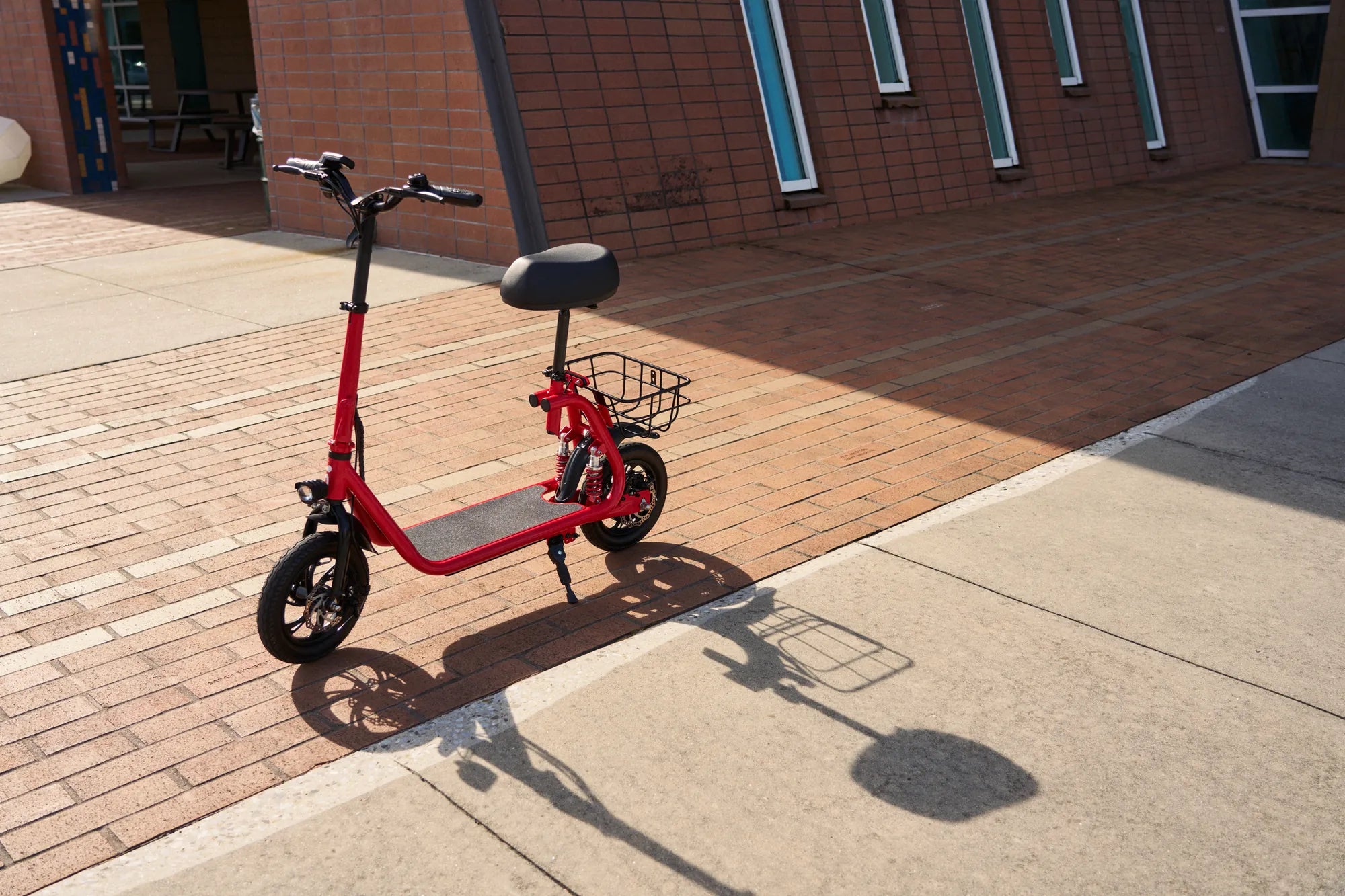
Mopeds often resemble bicycles with small engines attached, featuring pedals that can be used to assist the motor or propel the vehicle manually. This hybrid design gives mopeds their name—a combination of "motor" and "pedal." Scooters, in contrast, have a step-through frame, meaning there's no crossbar, making it easier to mount and dismount. They also include a floorboard for resting your feet, providing a more comfortable riding position.
Legal Requirements and Licensing
The legal classification of mopeds and scooters varies by region, but generally, mopeds face fewer restrictions due to their lower speed capabilities. In many areas, mopeds can be operated with a standard driver's license or a special moped permit, while scooters with larger engines may require a motorcycle license. Always check local regulations to ensure compliance before purchasing either vehicle.
Fuel Efficiency and Environmental Impact
Mopeds are renowned for their exceptional fuel efficiency, often achieving 100 miles per gallon or more. This makes them an economical choice for short commutes. Scooters, while still fuel-efficient compared to cars, consume more gas due to their larger engines. However, electric scooters are becoming increasingly popular, offering an eco-friendly alternative with zero emissions.
Intended Use and Practicality
Mopeds are ideal for short trips in urban areas where speed limits are low and traffic is heavy. Their lightweight design and pedal-assist feature make them perfect for quick errands. Scooters, with their higher speeds and sturdier build, are better suited for longer commutes or mixed road conditions. They also offer more storage space, often including under-seat compartments.
Cost and Maintenance
Mopeds are generally cheaper to purchase and maintain than scooters. Their simpler mechanics and smaller engines result in lower repair costs. Scooters, while more expensive upfront, provide greater versatility and durability, making them a worthwhile investment for frequent riders. Maintenance for both vehicles is relatively straightforward, but scooters may require more frequent servicing due to their complex components.
Choosing between a moped and a scooter depends on your specific needs, budget, and riding preferences. Whether you prioritize fuel savings, speed, or comfort, understanding these differences ensures you pick the perfect ride. Ready to hit the road? Your ideal two-wheeled companion awaits!
Ebike Attachment: Enhance Your Ride with These Essential Add-Ons
Best Dirt Bike Tire for Sand: Ultimate Guide for Off-Road Performance