


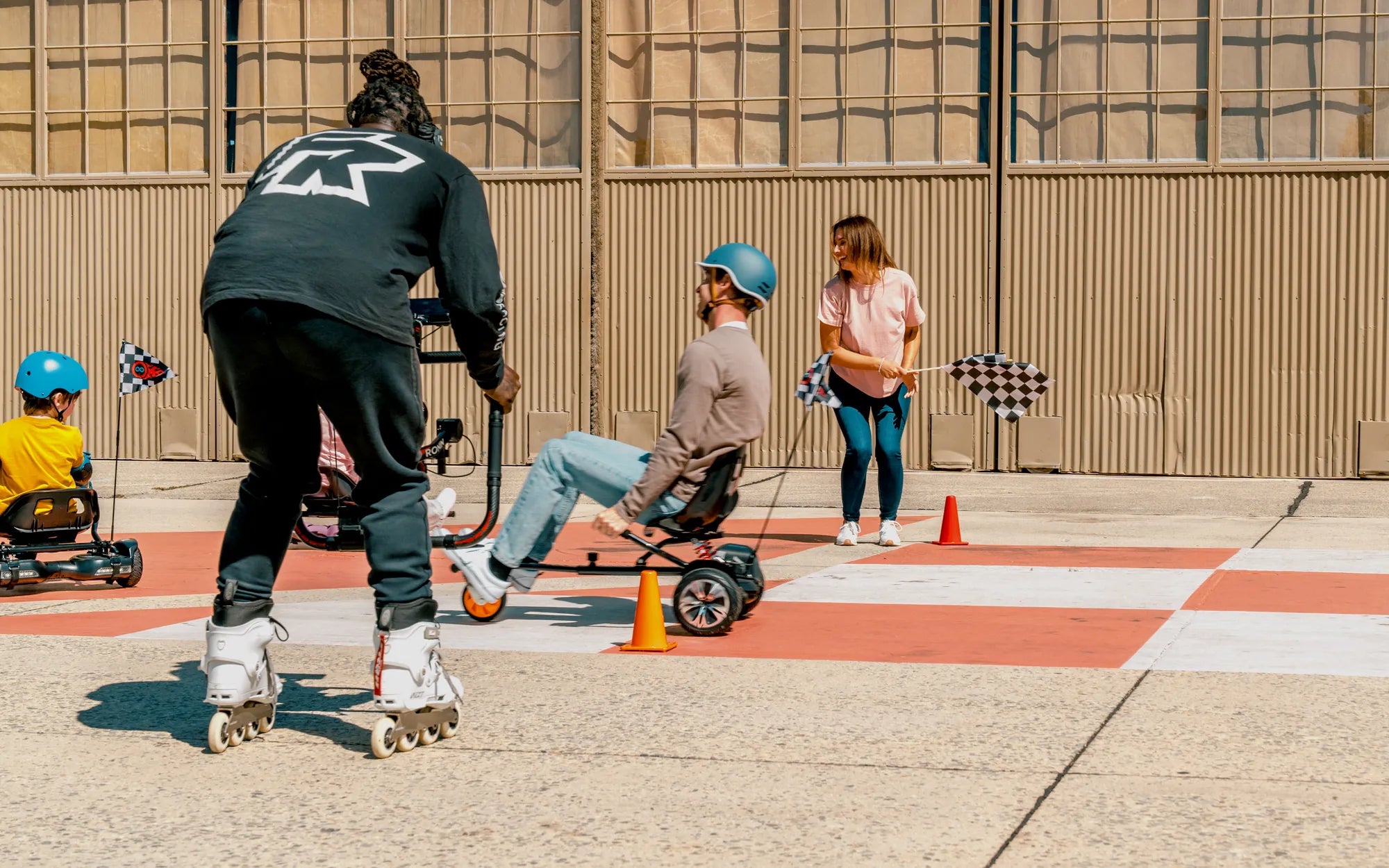
Imagine zipping through city streets or cruising along park pathways at exhilarating speeds, the wind rushing past as you effortlessly glide on your hoverboard. The maximum speed of these futuristic personal transporters has become a burning question for thrill-seekers and commuters alike. How fast can these devices really go, and what factors influence their performance? Let's dive into the fascinating world of hoverboard velocity.
Understanding Hoverboard Speed Capabilities
The maximum speed of a hoverboard typically ranges between 6 to 12 miles per hour (10 to 20 kilometers per hour), with most consumer models capping out around 10 mph (16 km/h). This speed range represents a careful balance between performance and safety, as manufacturers must consider rider stability and control at higher velocities.
Key Factors Affecting Hoverboard Speed
Several elements influence how fast a hoverboard can travel:
- Motor Power: Measured in watts, more powerful motors enable higher speeds
- Wheel Size: Larger wheels generally allow for faster movement
- Battery Capacity: Higher voltage batteries provide more power to the motors
- Weight Capacity: Heavier riders may experience slightly reduced top speeds
- Terrain: Smooth, flat surfaces allow for optimal speed performance
The Science Behind Speed Limitations
Hoverboards employ sophisticated balancing technology that relies on gyroscopes and accelerometers to maintain stability. As speed increases, these systems must work harder to keep the rider upright. Most manufacturers implement speed limiters to prevent dangerous situations where the self-balancing mechanisms might become overwhelmed.
Safety Considerations at High Speeds
Riding at maximum speed presents several safety challenges:
- Reduced reaction time to obstacles or changes in terrain
- Increased risk of falls due to decreased stability
- Greater impact force in case of collisions
- Potential for battery strain and overheating
Pushing the Limits: Performance Modifications
While not recommended for casual users, some enthusiasts modify their hoverboards to achieve higher speeds. These modifications might include:
- Upgrading battery systems for increased power output
- Installing custom firmware to override speed restrictions
- Replacing stock motors with higher-performance alternatives
It's important to note that such modifications often void warranties and may compromise safety features designed to protect riders.
The Future of Hoverboard Speed
As technology advances, we can expect to see hoverboards capable of higher speeds while maintaining safety standards. Developments in battery technology, motor efficiency, and stabilization algorithms may soon push the boundaries of what's possible with personal electric transportation.
Emerging Technologies That Could Increase Speeds
- Solid-state batteries for greater power density
- AI-powered balancing systems for improved high-speed stability
- Advanced materials for lighter yet stronger frames
- Regenerative braking systems for improved efficiency
From urban commuters seeking efficient transportation to adrenaline junkies craving speed, the quest for faster hoverboards continues to drive innovation. While current models offer plenty of thrill at their maximum speeds, the true potential of this technology is just beginning to unfold. Whether you're shopping for your first board or dreaming of future advancements, understanding speed capabilities helps you make informed decisions about your ride.
How Many Batteries Does a Hoverboard Have: A Complete Guide
How Many Batteries Does a Hoverboard Have: A Complete Guide