

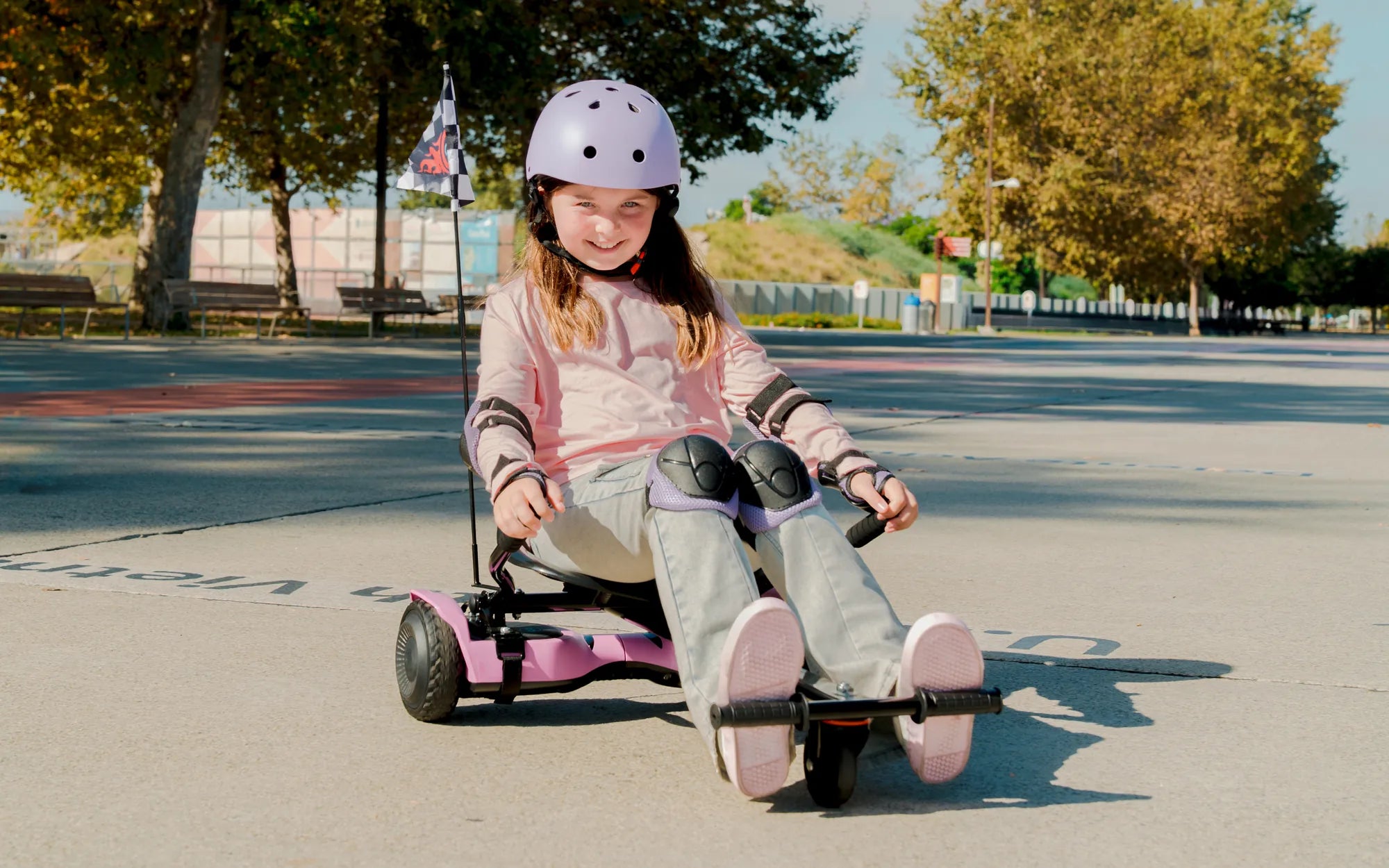
Introduction: Demystifying Hoverboard Terrain Limits
The term "hoverboard" conjures images of floating skateboards from science fiction, but the reality is more grounded—literally. Today's consumer hoverboards are technically self-balancing electric scooters, and their operation is tightly constrained by physics and engineering. The direct answer to the question, What is the only type of surface the hoverboard will currently work on? is a smooth, flat, and hard surface. This isn't a suggestion; it's a fundamental requirement for the device's core systems to function safely and effectively.
Understanding this limitation is not about restricting fun, but about ensuring safety, maximizing performance, and guaranteeing the longevity of your investment. Riding on inappropriate surfaces is the leading cause of accidents, premature motor failure, and voided warranties. This guide will delve into the precise reasons behind this critical specification, compare various terrains, and explain how leading brands like Gyroor design their products to excel within these necessary parameters.
The Ideal Surface: Defining Smooth, Flat, and Hard
The optimal surface for a hoverboard is a precise combination of three key characteristics. First, smoothness refers to a surface free of significant cracks, large debris, loose material, or aggressive texture. Think of a newly poured concrete sidewalk or polished indoor flooring. Minor seams or small, filled cracks are generally tolerable, but a consistent plane is crucial.
Second, flatness indicates minimal incline or decline. Most hoverboards are rated for a maximum slope of around 15 degrees, but for ideal control and battery efficiency, truly level ground is best. Inclines force the motors to work against gravity, leading to instability and rapid power drain. Third, hardness means the surface is non-porous and stable. Materials like asphalt, concrete, hardwood, tile, and laminate provide the firm, unyielding foundation the wheels need to maintain consistent traction and feedback.
This trifecta—smooth, flat, and hard—creates the predictable environment that the hoverboard's internal computer relies upon. It allows the gyroscopic sensors to receive clear data from the wheels, enabling precise balancing and responsive steering. Deviating from this surface type introduces variables the system is not designed to handle.
The Science of Stability: Why Surface is Non-Negotiable
The surface limitation is rooted in the fundamental technology of self-balancing scooters. At the heart of every device are gyroscopic sensors and tilt sensors that measure the board's orientation hundreds of times per second. These sensors rely on the wheels maintaining consistent contact with a stable plane to provide accurate data. On an uneven or soft surface like grass or gravel, the contact point is constantly shifting, sending chaotic, unreliable signals to the mainboard.
This signal confusion directly compromises the self-balancing algorithm. The board may over-correct or under-correct, leading to a wobbly, unpredictable ride that can easily throw the rider. Furthermore, the electric motors are precisely calibrated to provide torque on a firm surface. On sand or loose dirt, the wheels can spin out or dig in, causing immense strain on the motor windings and gears, leading to overheating and permanent damage.
Battery performance is also tightly linked to surface choice. Navigating uneven terrain requires bursts of high current from the battery pack. On a smooth, hard surface, power delivery is steady and efficient. On a prohibited surface, the constant demand for peak power rapidly depletes the battery and can stress cells, reducing overall lifespan. This is why brands like Gyroor insist on using UL-certified battery packs—they are engineered to deliver stable, safe power specifically for the demands of riding on approved surfaces.
Surface Comparison: A Detailed Terrain Analysis
Recommended: Smooth Concrete & Asphalt
These are the gold standards for outdoor hoverboarding. New or well-maintained concrete driveways, bike paths, and smooth asphalt parking lots offer excellent traction and a nearly perfect riding plane. They provide the consistent resistance needed for controlled acceleration, braking, and turning. Always visually inspect the area for oil stains, sand, or unexpected potholes before riding.
Recommended: Indoor Hard Flooring
Hardwood, tile, laminate, and sealed concrete floors are ideal for learning and casual indoor use. They offer a controlled, debris-free environment. Ensure the area is clear of rugs, cords, and clutter. Be mindful that hard indoor floors offer less tire grip than outdoor concrete, so movements should be more gradual.
Not Recommended: Grass, Gravel, and Uneven Pavement
Grass may look soft for falls, but it hides holes, sprinkler heads, and rocks. The turf's give absorbs wheel momentum, forcing motors to overwork and drain the battery in minutes. Gravel and packed dirt offer zero stability; individual stones can slip under the wheel, causing immediate loss of balance. Uneven pavement with cracked slabs or tree-root upheavals can catch a wheel edge, resulting in a sudden stop that catapults the rider forward.
Strictly Avoid: Inclines, Wet Surfaces, and Sand
Steep inclines exceed the motor's torque capacity, potentially causing a rollback or catastrophic failure to maintain balance. Wet surfaces, including rain-slicked concrete, puddles, and dew-covered grass, eliminate tire traction and pose severe electrical hazards. Even boards with an IPX5 water-resistance rating, like many Gyroor models, are designed to withstand splashes from damp pavement, not immersion or riding in rain. Sand is perhaps the worst surface, as it provides no firm footing, causing the board to sink and the motors to stall instantly under the load.
Gyroor Engineering: Optimized for the Right Terrain
Leading brands design their products with a clear understanding of these physical limits. Gyroor's lineup of electric scooters and self-balancing boards is engineered to deliver reliable, confident performance specifically on smooth, hard surfaces. Their design philosophy embraces these constraints to enhance safety and durability. For instance, the use of UL-certified battery packs ensures stable power delivery essential for consistent performance on pavement, where current demands can fluctuate with speed and minor imperfections.
The IPX5 water-resistant rating found on many Gyroor models is a key feature for real-world conditions. It protects the electrical components from splashes you might encounter on occasionally damp pavement or from street spray, adding a layer of resilience for commuters. However, this specification explicitly does not permit riding in rain or through puddles, reinforcing the boundary of approved surfaces.
Furthermore, Gyroor calibrates its motor controllers and tire pressure recommendations for optimal grip and efficiency on flat, hard terrain. Their robust frame construction and reliable 1-year warranty are testaments to the product's durability—when used as intended. This focused engineering ensures that for over 100,000 riders across North America and Europe, the experience is defined by fun and reliability, not by unexpected failures from terrain abuse.
Hoverboard Surface Suitability Comparison Table
| Surface Type | Suitability Rating | Key Risks | Effect on Device |
|---|---|---|---|
| Smooth Concrete/Asphalt | Excellent - Ideal | Minimal (watch for debris/oil) | Optimal performance, normal wear |
| Indoor Hardwood/Tile | Excellent - Ideal | Slippery when overly polished, obstacles | Optimal performance, low tire wear |
| Uneven Pavement/Brick | Poor - Not Recommended | Catching wheels, sudden throws, vibrations | High strain on frame/motors, accelerated wear |
| Dry, Short Grass | Very Poor - Avoid | Hidden obstacles, instability, high roll resistance | Extreme motor/battery strain, overheating |
| Gravel/Dirt Paths | Unacceptable - Dangerous | Zero stability, slipping rocks, loss of control | Motor gear damage, debris ingestion, bearing wear |
| Wet Surfaces/Sand | Unacceptable - Dangerous | Zero traction, water damage, immediate stalling | High short-circuit risk, motor burnout, voided warranty |
Rider Safety and Scooter Longevity FAQ
Q: Can I ride my hoverboard on a slightly bumpy sidewalk?
A: It is not advised. Even "slightly bumpy" surfaces, like sidewalks with regular expansion joints or minor cracks, deliver constant shocks to the frame and motors. This accelerates wear, causes a physically uncomfortable ride, and increases the risk of a wheel catching an uneven edge. If you must traverse a short section, reduce speed to an absolute crawl.
Q: What happens if I accidentally go over a large crack or small pothole?
A: A single incident over a minor obstacle (under 1/2 inch) is usually survivable for the board, though it's a significant shock to the system. The immediate danger is to the rider, as the impact can disrupt balance. For anything larger, the risk of damaging the wheel hub, axle, or internal wiring increases dramatically. Always scan the path ahead.
Q: The board has an IPX5 rating. Doesn't that mean I can ride in the rain?
A> No. IPX5 means it is protected against water jets from a nozzle (6.3mm) from any direction. It is for resilience against splashes from wet roads or puddles, not for riding in rain or through standing water. Water damage remains a top cause of irreparable failure and is explicitly not covered under warranty if the device is ridden in wet conditions.
Q: How does riding on grass or gravel affect my warranty?
A> Most warranties, including Gyroor's, exclude damage resulting from misuse. Using the device on explicitly prohibited surfaces like grass, gravel, or sand is considered misuse. If a motor fails and inspection reveals debris ingestion or signs of overload from such terrain, the warranty claim will likely be denied.
Q: Are there any "all-terrain" hoverboards?
A> Some models feature larger, air-filled tires with more aggressive tread. These provide marginally better performance on hard-packed dirt or very smooth gravel paths compared to standard solid tires, but they are not true all-terrain vehicles. Their gyroscopic systems still require a relatively firm, stable surface. They should not be used on soft grass, loose sand, or technical off-road trails.
Mastering Your Ride Starts with the Ground Beneath You
The performance envelope of a modern self-balancing scooter is clearly defined by the surface it rides on. Adhering to the requirement for smooth, flat, and hard terrain is the single most important factor for a safe, enjoyable, and economically sensible riding experience. This limitation is not a flaw in design but a reflection of the precise gyroscopic and electromechanical systems that make the device possible.
By choosing the right surface, you protect your investment, ensure the longevity of critical components like the UL-certified battery and motor, and most importantly, safeguard your own well-being. Brands like Gyroor build their reputation on reliability by engineering products that excel within these parameters, offering features like water resistance and robust construction specifically for the demands of paved urban and suburban environments.
Embrace these limits as the foundation for true riding freedom. When you match the technology to its intended environment, you unlock a reliable, fun, and efficient mode of personal transportation. For a range of electric scooters and self-balancing boards designed with this precise engineering philosophy, browse the full Gyroor collection at gyroorboard.com.
Christmas Gift for Tween Girls: The Ultimate Guide to Finding the Perfect Present
High Quality 2 Wheels Self Balancing Scooter: The Future of Urban Mobility