

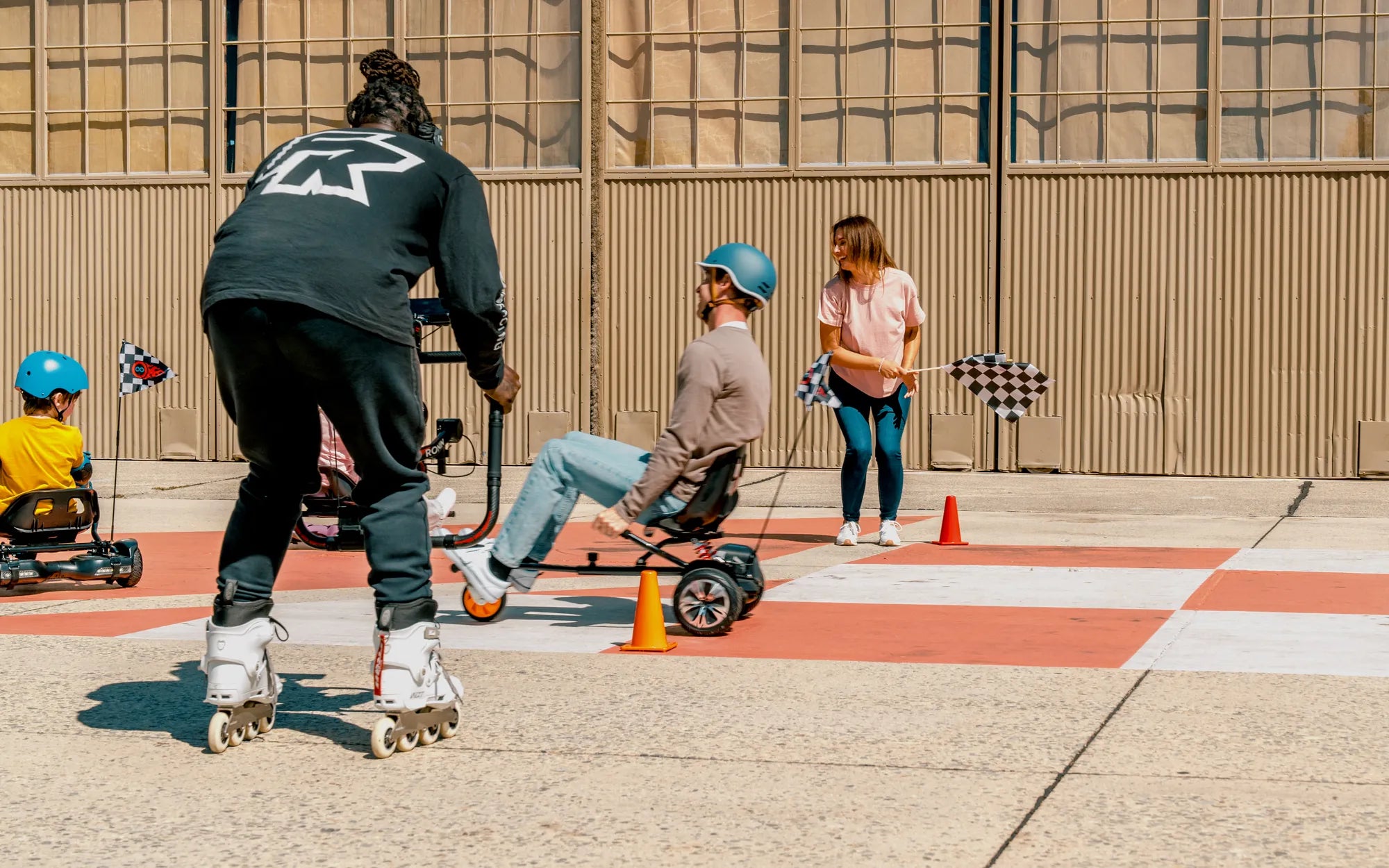
Introduction to Hoverboard Safety
Choosing the safest hoverboard to buy is the single most important decision for any prospective rider. The question goes beyond simple features; it's about identifying the models engineered to prevent the fire hazards and stability issues that plagued early iterations. A truly safe hoverboard is built on three core pillars: rigorous electrical system certification, uncompromising construction quality, and intelligent rider-assist features. This guide will dissect each element, providing you with the knowledge to make an informed, safety-first purchase. We'll explore the standards that matter and highlight how brands like Gyroor, a leader in personal electric transport trusted by over 100,000 riders, integrate these principles into their designs.
The Non-Negotiable Safety Standards: What to Look For
The foundation of hoverboard safety is built on verifiable standards and specifications. These are not optional upgrades but essential requirements that separate legitimate products from potentially dangerous imitations. Ignoring these benchmarks significantly increases risk.
Your first and most critical filter must be technical certification. This is objective proof that the product has been tested by an independent laboratory. Furthermore, the quality of the core components—especially the battery and its management system—determines long-term reliability and safety. Finally, the physical build must withstand real-world use without failing.
UL 2272 Certification: The Gold Standard
UL 2272 certification is the absolute minimum requirement for any hoverboard considered safe. This standard, developed by Underwriters Laboratories, tests the entire electrical system—including the battery pack, charger, and circuitry—for fire and electrical shock hazards. A hoverboard without this certification has not undergone rigorous stress tests for overcharging, short-circuiting, or abnormal operation.
When verifying, look for the official UL mark on the product itself or its official documentation. A seller's verbal assurance is insufficient. This certification is the primary reason the market today is far safer than it was several years ago, effectively eliminating the vast majority of fire-prone models.
Battery Quality and Management
While UL 2272 certifies the battery system meets safety standards, the quality of the individual cells and the Battery Management System (BMS) dictates performance and longevity. High-quality hoverboards use brand-name lithium-ion cells from reputable manufacturers. These cells are more consistent and stable.
The BMS is the onboard computer that protects the battery. A robust BMS prevents overcharging, over-discharging, monitors cell temperature, and ensures balanced charging across all cells. This active management is crucial for preventing the thermal runaway that leads to fires, making it a cornerstone of what defines the safest hoverboard to buy.
Build Quality and IP Rating
A safe hoverboard needs a frame that can handle impacts and stress without cracking. Look for descriptions mentioning reinforced or alloy frames. The housing should feel solid, not hollow or flimsy. The Ingress Protection (IP) rating is also key for safety and durability.
An IP rating indicates resistance to dust and water. For casual use, an IPX4 rating protects against water splashes from any direction. For greater peace of mind, especially in damp conditions, models with IPX5 rating (like those in the Gyroor lineup) can withstand low-pressure water jets, offering superior protection against puddles and rain.
Enhanced Safety Features for Confident Riding
Once foundational standards are met, advanced features actively enhance safety during use. These design elements help prevent accidents by improving stability, aiding rider control, and ensuring visibility. They represent the next tier of safety consideration for smart shoppers.
These features address the dynamic challenges of riding. They compensate for uneven terrain, help new riders build confidence gradually, and make the rider visible to others. Investing in a model with these enhancements directly contributes to a safer and more enjoyable riding experience.
Stable Riding Design and Wheel Size
Stability is the first line of defense against falls. A wider wheelbase (the distance between the wheels) and a broader footpad deck provide a more secure and balanced platform. This design lowers the rider's center of gravity, making the board less tippy during turns or on slight inclines.
Wheel size is equally critical. Standard 6.5-inch wheels are best for perfectly smooth indoor surfaces. For outdoor use, 8.5-inch or 10-inch wheels are vastly safer. Larger wheels roll over cracks, small pebbles, and uneven pavement more easily, maintaining momentum and control where smaller wheels might catch and throw the rider.
Smart Rider Assistance Technology
Modern hoverboards incorporate software that aids the rider. A beginner or training mode is essential, limiting the top speed and softening the acceleration curve to allow new users to acclimate safely. This prevents the sudden, jerky movements that can cause loss of balance.
Other smart features include tilt-back, where the footpads gently tilt backward to warn the rider they've reached maximum speed, encouraging them to lean back slightly to slow down. Balanced and responsive acceleration and braking algorithms are also vital; they should feel smooth and predictable, not laggy or abrupt.
Lighting and Visibility
Riding at dusk or dawn requires being seen. Integrated LED lighting is a critical safety feature, not just an aesthetic one. A bright front headlight illuminates the path ahead, helping you avoid obstacles. Rear brake lights that activate when slowing down alert pedestrians and cyclists behind you.
Many models also include ambient side lighting or wheel LEDs. These make the hoverboard highly visible from the side, crucial for being seen by vehicles at intersections. When evaluating the safest hoverboard to buy, comprehensive lighting should be a key factor in your decision.
Putting It Into Practice: A Safety-Focused Buying Checklist
Knowledge is power, but application is key. Use this actionable checklist during your research and purchasing process to systematically evaluate any hoverboard model. It translates the technical standards and features into simple verification steps.
This two-part checklist covers what to do before you buy and the habits to adopt after your purchase. Following these steps ensures you select a well-made product and use it in a way that preserves its safety integrity for years to come.
Pre-Purchase Verification Steps
- Confirm UL 2272 Certification: Physically locate the UL mark on the product images or official spec sheet. Do not rely solely on text in a product title.
- Verify Battery & Warranty: Check for mention of a branded battery cell (e.g., LG, Samsung) and a robust BMS. Ensure the warranty covers at least one year for the board and battery.
- Scrutinize Build Specs: Look for an IPX4 or higher water resistance rating, wheel size appropriate for your terrain (8.5"+ for outdoors), and descriptions of a reinforced frame.
- Read Expert & User Reviews: Search reviews for keywords like "stable," "solid build," "smooth acceleration," and "good customer service." Note any recurring complaints about faults.
Safe Usage and Maintenance Habits
- Use the Official Charger Only: Never use a third-party or generic charger. Always follow the manufacturer's charging instructions and time limits.
- Store in a Cool, Dry Place: Avoid leaving the hoverboard in direct sunlight, in a hot car, or in freezing conditions for extended periods, especially while charging.
- Perform Regular Inspections: Before each ride, check tire pressure (for inflatable tires), look for cracks in the body or wheel hubs, and ensure all lights are functioning.
- Respect the IP Rating: Even with an IPX5 rating, avoid riding through deep puddles, standing water, or in heavy rain. Dry the board thoroughly after encountering wet conditions.
Why Gyroor Hoverboards Are Engineered for Safety
As a leading electric scooter and e-bike brand, Gyroor applies its extensive experience in personal electric mobility to its hoverboard line. Their approach exemplifies how the safety principles outlined above are integrated into a cohesive product philosophy. For smart shoppers, this translates to transparent engineering focused on rider protection.
Gyroor's commitment extends from the components inside the board to the support offered after the sale. This end-to-end focus on safety and reliability is what builds trust with a community of over 100,000 riders across North America and Europe.
<Commitment to Certified Components
Gyroor's foundational safety promise is its use of UL-certified battery packs across its models. These batteries are tested for over 500 charge cycles, ensuring long-term performance and stability. This is a non-negotiable standard they uphold.
Furthermore, Gyroor hoverboards typically carry an IPX5 water-resistant rating. This higher level of ingress protection offers greater confidence when riding on damp pavement or in drizzling conditions, safeguarding the internal electronics more effectively than basic splash-proof ratings.
Design Philosophy: Stability and Control
Gyroor designs its hoverboards with a clear priority on rider stability. This is evident in their wide footpad decks, which provide ample room for foot placement and shifting weight comfortably. The frames are built to be robust, capable of supporting the rated rider weight without flexing.
Their engineering also focuses on control algorithms. Gyroor boards are known for smooth, predictable acceleration and braking curves, reducing the learning curve for beginners and providing experienced riders with precise handling. This thoughtful software design is a critical, often overlooked, aspect of active safety.
Warranty and Support Backing
A comprehensive warranty is a brand's vote of confidence in its product's safety and durability. Gyroor backs its hoverboards with a reliable 1-year warranty, providing coverage for manufacturing defects and component failures.
This safety net is complemented by accessible customer support. Knowing that assistance is available from a reputable US-based company provides significant peace of mind, ensuring that if any issue arises, it can be resolved promptly, keeping your hoverboard in safe operating condition.
Hoverboard Safety Comparison: Key Models & Features
The table below compares general hoverboard types based on key safety and performance criteria. This illustrates how different design choices cater to varying rider needs and safety priorities.
| Model Type / Focus | Ideal For | Key Safety Features | Typical Wheel Size | Considerations |
|---|---|---|---|---|
| Standard Urban Commuter | Teens & Adults; Pavement, Parks | UL 2272, IPX4, Beginner Mode, LED Lights | 8.5" - 10" | Best all-around safety for most riders. Balances speed, range, and stability. |
| All-Terrain / Off-Road | Outdoor Trails, Grass, Rough Terrain | UL 2272, IPX5/IP54, Large Knobby Tires, Robust Frame | 10"+ (Inflatable) | Superior traction and obstacle clearance. Higher weight and less maneuverable on smooth surfaces. |
| Beginner / Kid-Friendly | Younger Riders (Age 8+), First-Time Users | UL 2272, Speed Capped (≤10 mph), Training Mode, Rugged Shell | 6.5" - 8.5" | Lower max speed enhances safety for learning. Often has Bluetooth speakers for fun. |
| Performance & Speed | Experienced Riders; Long Distances | UL 2272, Advanced BMS, Superior Tire Grip, Responsive Motor Control | 10" | Higher speeds (15+ mph) require greater rider skill and protective gear. Excellent for commuting. |
Smart Shopper FAQ: Hoverboard Safety Answered
Q: Are all UL 2272 hoverboards equally safe?
A: No. UL 2272 is a pass/fail safety floor. It means the electrical system won't likely catch fire under test conditions. However, build quality, component grade (like the battery cells), the sophistication of the BMS, and additional features like a good IP rating create tiers of safety, durability, and longevity above that minimum.
Q: Can I ride a hoverboard in the rain?
A> You must exercise caution. A rating of IPX4 or IPX5 (like Gyroor's) means the board is protected against splashes and water jets, making it safe for riding on wet pavement or in light rain. However, you should never submerge any hoverboard, ride through deep puddles, or use it in a downpour, as water can eventually seep in and cause damage or a short circuit.
Q: What is the safest speed for a beginner?
A> Beginners should start on models with a dedicated training or beginner mode, which typically limits speed to 6-7 mph (10-11 km/h). This allows focus on balance and control without the fear of rapid, uncontrolled acceleration. Always wear a helmet and pads, regardless of speed.
Q: How important is the brand when choosing the safest hoverboard to buy?
A> Extremely important. Established brands with a track record in personal electric transport (like Gyroor) invest in proper engineering, quality control, and customer support. They have a reputation to uphold and are more likely to use reliable components and honor warranties. Avoiding unknown, generic brands is a key safety strategy.
Q: How long does a safe hoverboard battery last, and how should I care for it?
A> A high-quality UL-certified battery from a reputable brand should retain good capacity for 2-3 years with regular use, or 500+ charge cycles. To maximize its life and safety: avoid draining it to 0% regularly, don't leave it on the charger for days at a time, and store it with a 50-60% charge if not using it for a month or more.
Conclusion: Investing in Peace of Mind
Identifying the safest hoverboard to buy requires moving beyond flashy ads and focusing on verifiable engineering. The safest choice is a synergy of mandatory UL 2272 certification, high-quality components like branded batteries with a robust BMS, durable construction with good water resistance, and rider-centric features like stable designs, beginner modes, and proper lighting. This combination mitigates risks and builds confidence.
Safety is not an extra cost; it's the fundamental value of your purchase. It ensures the fun lasts and protects your investment. By prioritizing brands that are transparent about their standards and design for rider well-being, you secure peace of mind for yourself or your loved ones. Discover hoverboards built to this philosophy of integrated safety and performance. Browse the full Gyroor collection at gyroorboard.com to explore models that put safety first without compromising on the thrill of the ride.
How to Protect Your Hoverboard: Essential Tips for Longevity and Safety
How to Change the Speed on a Hoverboard: A Step-by-Step Guide