

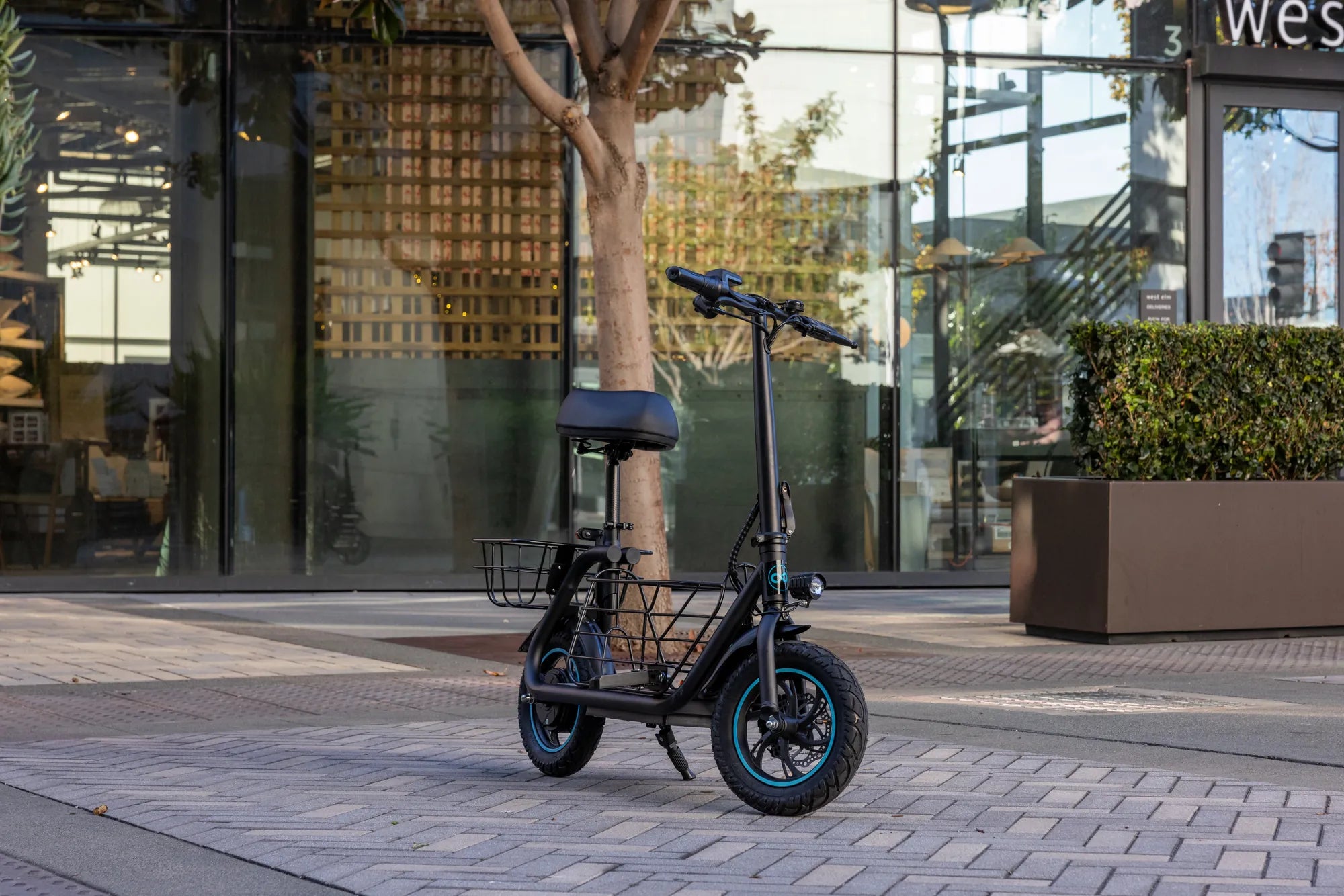
Electric scooters have revolutionized urban mobility, offering a convenient and eco-friendly alternative to traditional transportation. But what motors do electric scooters use to deliver such smooth and efficient rides? The answer lies in the heart of these machines—their motors. Understanding the different types of motors and how they function can help riders make informed choices and appreciate the engineering behind their favorite rides.
Types of Motors in Electric Scooters
Electric scooters primarily use two types of motors: brushed and brushless. Each has distinct characteristics that influence performance, maintenance, and longevity.
Brushed Motors
Brushed motors are the older of the two technologies. They rely on physical brushes to transfer electrical current to the motor's rotating component, known as the commutator. While these motors are simpler and cheaper to manufacture, they come with drawbacks. The brushes wear out over time, requiring regular maintenance and replacement. Additionally, brushed motors are less efficient and generate more heat, which can limit their lifespan.
Brushless Motors
Brushless motors, as the name suggests, eliminate the need for brushes. Instead, they use an electronic controller to manage the current flow. This design offers several advantages, including higher efficiency, longer lifespan, and reduced maintenance. Brushless motors also deliver smoother acceleration and better overall performance, making them the preferred choice for most modern electric scooters.
Hub Motors vs. Chain-Driven Motors
Beyond brushed and brushless designs, electric scooter motors can also be categorized by their placement and drive mechanism. The two main configurations are hub motors and chain-driven motors.
Hub Motors
Hub motors are integrated directly into the scooter's wheels, either the front or rear. This design eliminates the need for additional components like chains or belts, resulting in a quieter and more compact system. Hub motors are further divided into geared and gearless variants. Geared hub motors use internal gears to increase torque, making them ideal for hilly terrain. Gearless hub motors, on the other hand, rely on the motor's natural rotation and are known for their durability and smooth operation.
Chain-Driven Motors
Chain-driven motors resemble traditional bicycle drivetrains, where the motor connects to the wheel via a chain or belt. This setup allows for greater flexibility in motor placement and can provide higher torque for off-road or high-performance scooters. However, chain-driven systems require more maintenance and are generally noisier than hub motors.
Power and Performance Considerations
The type of motor isn't the only factor affecting an electric scooter's performance. Power output, measured in watts (W), plays a crucial role. Most commuter scooters use motors ranging from 250W to 500W, offering a balance between speed and battery efficiency. High-performance models, however, can feature motors exceeding 1000W, delivering faster acceleration and higher top speeds.
Voltage is another critical aspect. Higher voltage systems (e.g., 48V or 52V) can provide more power and better efficiency, but they also require more robust battery packs and controllers. Riders should consider their typical usage—whether it's short commutes or long-distance travel—when evaluating motor power and voltage.
Efficiency and Battery Life
Motor efficiency directly impacts an electric scooter's battery life. Brushless motors, for instance, are more efficient than brushed ones, meaning they can travel farther on a single charge. Additionally, regenerative braking systems, which recover energy during deceleration, can further extend battery life. Riders looking to maximize range should prioritize scooters with efficient motors and advanced energy-saving features.
Maintenance and Longevity
Brushless hub motors are the clear winners when it comes to low maintenance and durability. With no brushes to replace or chains to lubricate, these motors can last for thousands of miles with minimal upkeep. On the other hand, brushed and chain-driven systems require more frequent attention, making them less ideal for riders seeking hassle-free operation.
Future Trends in Electric Scooter Motors
As technology advances, electric scooter motors are becoming even more efficient and powerful. Innovations like liquid cooling and smart motor controllers are pushing the boundaries of performance and reliability. Additionally, the integration of AI and IoT could enable real-time motor diagnostics and optimization, further enhancing the riding experience.
Whether you're a daily commuter or a weekend adventurer, understanding the motors that power electric scooters can help you choose the perfect ride. From brushed to brushless, hub to chain-driven, each motor type offers unique benefits tailored to different needs. The next time you hop on an electric scooter, you'll know exactly what's propelling you forward—and why it matters.
Fast Electric Scooter 35 mph: The Ultimate Guide to Speed and Performance
Electric Bike Miles Per Charge: How Far Can You Really Go?