



Introduction: Navigating the First Scooter Purchase
Choosing the first electric scooter is a thrilling decision, often clouded by technical jargon and safety concerns. The core question, "What scooter is best for beginners and kids?", hinges on finding the perfect balance between safety, manageability, and durable fun. This guide cuts through the noise with a focus on certified safety features, rider-appropriate performance, and real-world durability. We'll reference industry-leading standards, exemplified by brands like Gyroor, a trusted name for over 100,000 riders known for UL-certified batteries and IPX5 water-resistant designs, to illustrate what makes a scooter truly beginner-ready.
Defining "Beginner-Friendly": The Non-Negotiable Criteria
A beginner-friendly scooter is engineered for confidence from the first ride. It prioritizes predictable handling and built-in safety over raw speed or extreme performance. The goal is to minimize the learning curve while maximizing security and enjoyment.
Safety as Standard: UL-Certification and Stable Geometry
The battery is the heart of an electric scooter, and its safety is paramount. A UL-certified battery pack, like those used in all Gyroor models, has undergone rigorous independent testing for fire and electrical safety. This certification is non-negotiable, especially for kids' scooters used around the home.
Physical stability is equally critical. A low center of gravity, achieved through smart battery placement, and a wide wheelbase prevent tipping. A textured, spacious deck allows for secure footing and easy weight shifts, which are essential for new riders learning to balance and turn.
Control and Manageability: Tamed Power and Reliable Stops
For beginners, how power is delivered is more important than how much power is available. Multiple speed modes are essential, with a dedicated beginner or eco mode that caps speed—often between 6-10 mph—and provides a smooth, gradual acceleration curve to prevent jarring starts.
Responsive, intuitive braking is the cornerstone of control. A dual-braking system, combining an electronic brake for gradual slowing and a mechanical (disc or foot) brake for confident stopping, offers redundancy and builds rider confidence. The brakes should be easy to reach and operate without excessive force.
Built to Last: Durability and Real-World Readiness
Beginner scooters endure bumps, curbs, and unpredictable weather. A frame constructed from aerospace-grade aluminum alloy offers the ideal blend of strength and lightweight maneuverability. This material can withstand the impacts of learning without becoming dangerously heavy.
An IPX5 water-resistance rating means the scooter can handle riding on wet pavement and light rain, protecting critical electronics from splashes. This feature extends the scooter's lifespan and ensures a puddle doesn't end the fun, making it a practical necessity for a vehicle meant for daily use.
Age & Stage Guide: Matching Specs to the Rider
Selecting the right scooter requires aligning technical specifications with the rider's physical development and typical use case. This data-driven guide ensures the scooter grows with the rider's skills.
Ages 6-9: The First Electric Experience
For this age group, the focus is on gentle introduction. Motor power should range from 150W to 250W, providing enough torque for small hills without intimidating speed. A hard speed cap of 10 mph or below, enforced through a beginner mode, is advisable.
Physical dimensions are key. A lower deck height and shorter handlebar stem make mounting and dismounting safe. A lighter total weight (under 20 lbs) allows the child to maneuver it easily and for parents to carry it if needed. Parental controls via a companion app, which can limit speed or track usage, provide an added layer of security.
Ages 10-13: Building Confidence and Range
As riders grow, so do their needs. Motors in the 250W to 350W range offer better performance for slightly longer commutes or mild inclines. Speed modes can safely extend to 15 mph for experienced riders within this bracket, allowing for more thrilling park rides.
Battery range becomes more important for after-school adventures. Look for models offering 10+ miles per charge. Enhanced suspension, such as front spring or rubber shock absorbers, and larger pneumatic (air-filled) tires significantly improve comfort on varied surfaces like paved trails or bumpy sidewalks.
Teen & Adult Beginners: Commuting and Adventure Ready
For older beginners, the scooter often serves a practical purpose. A robust motor (350W or more) and a weight capacity of 220 lbs or higher are necessary for reliable commuting. Range should be a primary consideration, with 15+ miles being a practical minimum for mixed-use days.
Portability features like a folding mechanism and a reasonable folded weight are crucial for those using public transport. Safety features must scale up, including brighter LED headlights and taillights for visibility, and wider tires for stability at higher speeds. These features make the scooter a viable tool for urban mobility.
Beyond the Spec Sheet: Critical Real-World Factors
The technical specifications tell only half the story. These practical considerations profoundly impact the long-term satisfaction and safety of your scooter purchase.
Warranty and Support: Your Long-Term Safety Net
A comprehensive warranty is a direct reflection of a manufacturer's confidence in their product. A 1-year warranty that covers the frame, motor, and battery, like Gyroor's standard offering, provides essential peace of mind. Accessible customer support, preferably with local service channels in North America and Europe, is invaluable for troubleshooting and obtaining genuine parts.
Comfort and Adjustability: Ensuring a Proper Fit
A scooter that fits well is easier and safer to control. Adjustable handlebar height is a highly valuable feature for growing kids, allowing the scooter to remain ergonomic for years. The choice between pneumatic (air-filled) and airless (solid) tires involves a trade-off: pneumatics offer a smoother ride but require maintenance; airless tires eliminate flats but can transmit more vibration.
Learning Curve and Resources: Starting Off on the Right Foot
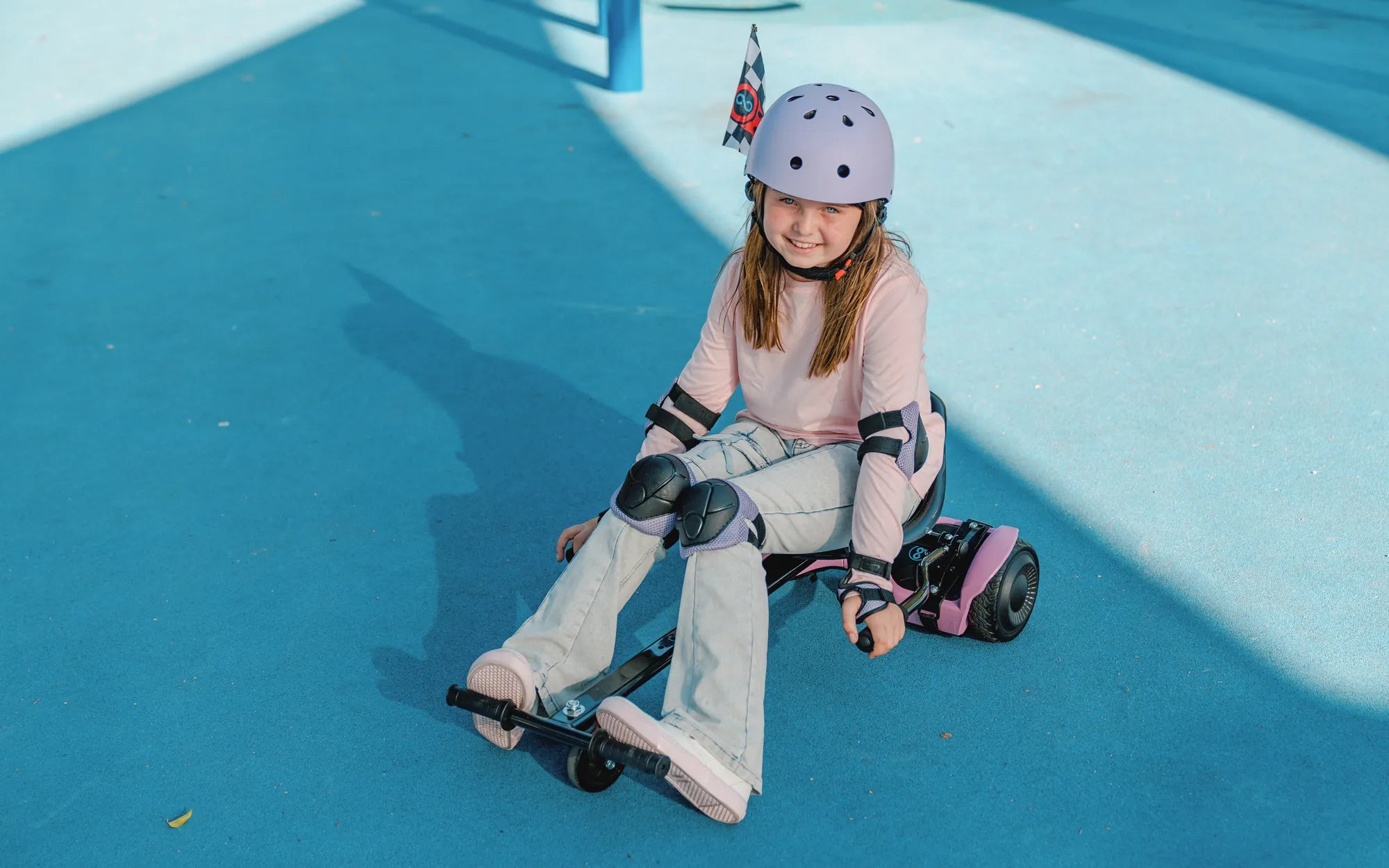
The purchase should include a full safety kit: a certified helmet, knee pads, and elbow pads. The first rides should occur in a safe, open, car-free area like an empty parking lot. Utilize manufacturer-provided resources, such as tutorial videos or detailed manuals, to understand the scooter's features, proper braking technique, and basic maintenance tasks like tire pressure checks.
Gyroor Models for Every New Rider: A Curated Comparison
Applying our criteria to specific models clarifies how trusted brands meet beginner needs. The following Gyroor models exemplify how safety and performance are tailored for different stages.
| Model Name | Recommended Age/Weight | Max Speed & Modes | Key Safety & Durability Features | Best For |
|---|---|---|---|---|
| Gyroor S1 | Ages 6-12, up to 140 lbs | 9.3 mph, 3 Speed Modes | UL-Certified Battery, LED Lights, Kick-to-Start | First-time riders; safe neighborhood cruising and learning fundamentals. |
| Gyroor S10 | Ages 10+, up to 220 lbs | 15.5 mph, 3 Speed Modes | UL-Certified Battery, IPX5 Water Resistance, Front Suspension | Building confidence; longer rides on park paths and slightly rougher terrain. |
| Gyroor E1 Pro | Teens & Adults, up to 264 lbs | 18.6 mph, 3 Speed Modes + Cruise Control | UL-Certified Battery, IPX5, Dual Braking System, Bright Headlight | Teen and adult beginners; commuting, campus travel, and urban exploration. |
Frequently Asked Questions (FAQs) for First-Time Buyers
Q: What is the appropriate minimum age for an electric scooter?
A: While physical ability varies, most children develop the necessary balance, coordination, and judgment around age 8. For younger children (6-7), strict parental supervision, a speed-capped beginner mode (under 10 mph), and practice in controlled environments are mandatory. Always check local regulations, as many municipalities have age restrictions.
Q: How important is an IPX5 water resistance rating really?
A> It is a crucial feature for practical, everyday use. IPX5 means the scooter is protected against water jets from any direction, allowing it to safely ride through puddles and in light rain. It prevents water damage to the battery and controller, which are the most expensive components to repair, dramatically increasing the scooter's longevity and reliability.
Q: What's the main difference between a "kid's scooter" and an "adult beginner" scooter?
A> The differences are in scale and performance. Kid's scooters have lower max speeds (typically 10-12 mph), lower weight capacities, smaller deck and wheel sizes, and often more basic braking systems. Adult beginner scooters have higher weight limits, more powerful motors for hills, longer range batteries, brighter lights for commuting, and more advanced features like app connectivity or cruise control.
Q: How do I maintain the scooter's battery for safety and longevity?
A> Use only the provided charger. Avoid exposing the scooter or battery to extreme temperatures (don't leave it in a hot car or freezing garage). Try not to drain the battery completely before recharging; a 20-80% charge cycle is ideal for longevity. Store the scooter in a dry place, and if storing for more than a month, keep the battery at about 50% charge.
Q: Are electric scooters like Gyroor's compliant with local riding laws?
A> Gyroor scooters are designed to meet common regulatory standards for consumer electric vehicles, including speed capabilities within typical limits for bike lanes. However, compliance is ultimately the rider's responsibility. Always check your city or state laws regarding where you can ride (sidewalks, bike lanes, roads), minimum age requirements, helmet laws, and any required safety equipment. Manufacturer specifications can help inform your choice to meet local rules.
Your Path to Confident Riding Starts Here
The journey to finding the best scooter for beginners and kids culminates in a simple principle: certified safety enables fearless fun. By prioritizing UL-certified batteries, manageable speed controls, stable design, and durable, water-resistant construction, you invest in more than a toy—you invest in a secure platform for skill development and adventure. Choosing a brand with a proven track record, comprehensive warranty, and commitment to these standards, like Gyroor, provides the foundational confidence every new rider and concerned parent deserves. Now, equipped with knowledge, you're ready to choose a scooter that promises years of safe, exhilarating rides.
Ready to find the perfect scooter for your new rider? Browse the full Gyroor collection, featuring UL-certified, IPX5-rated models for every age and stage, at gyroorboard.com.
Big Two Wheel Balancing Electric Scooter: Future of Urban Mobility
Self Balancing Scooter Beeping: Causes, Fixes, and Safety Tips