


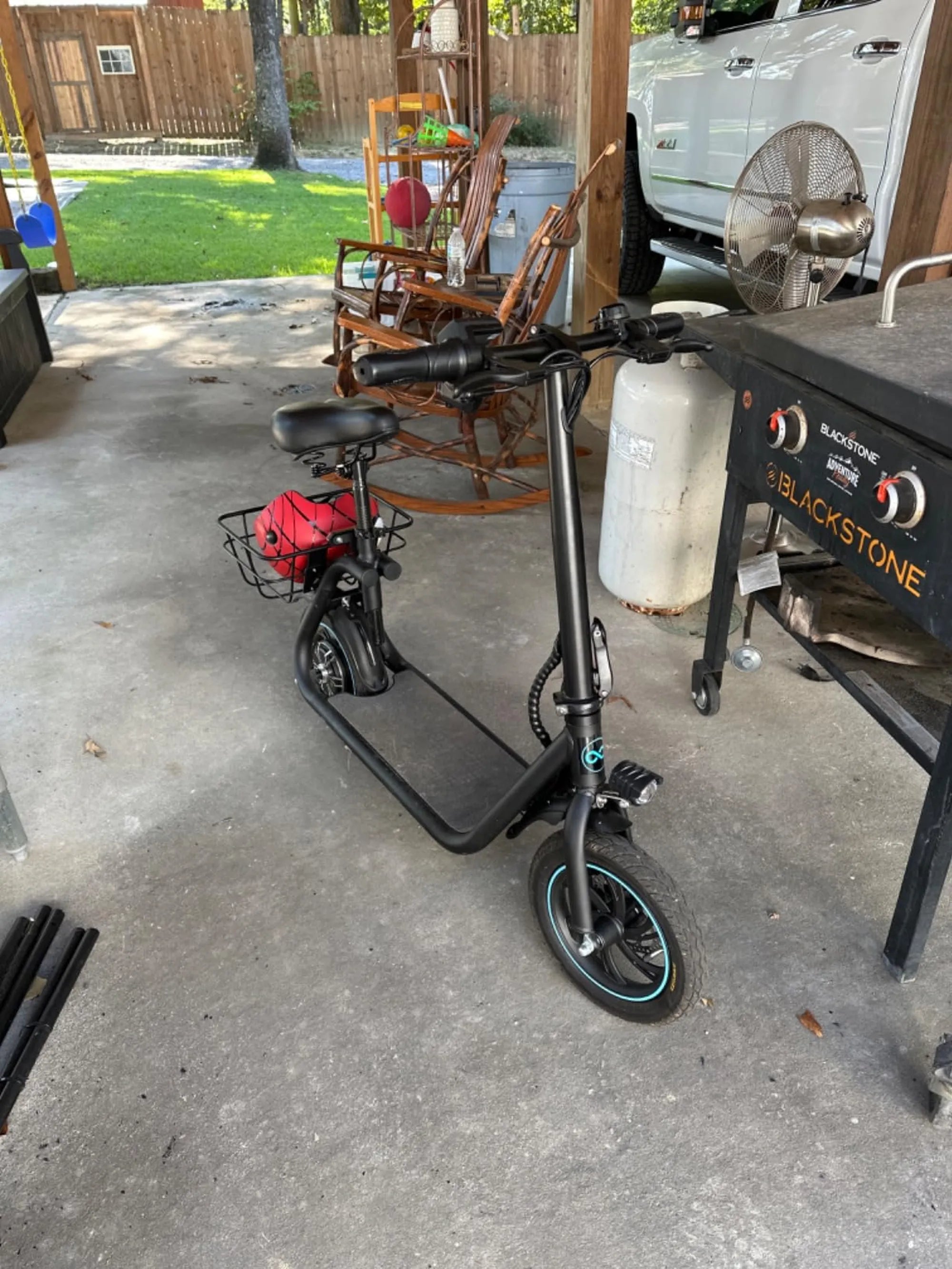
Electric bikes have revolutionized personal transportation, offering an eco-friendly and efficient way to commute, explore, or stay fit. But one of the most critical decisions you'll make when purchasing or upgrading an e-bike is selecting the right battery size. The battery determines how far you can ride, how much power you’ll have, and how long your bike will last. So, what size battery for an electric bike is right for you? Let’s dive into the details.
Understanding Electric Bike Batteries
Electric bike batteries are typically measured in two key ways: voltage (V) and ampere-hours (Ah). Together, these determine the battery's total energy capacity, measured in watt-hours (Wh). The higher the Wh, the longer your bike’s range. For example, a 36V 10Ah battery has 360Wh, while a 48V 15Ah battery offers 720Wh—double the energy.
Factors to Consider When Choosing a Battery Size
Several factors influence the ideal battery size for your electric bike:
- Riding Range: How far do you plan to ride on a single charge? Longer distances require higher Wh ratings.
- Terrain: Hilly or off-road riding demands more power, so a larger battery is advisable.
- Rider Weight: Heavier riders or those carrying cargo will drain the battery faster.
- Assist Level: Using higher pedal-assist modes consumes more energy.
- Bike Weight: Lighter bikes may require less power, but this is a minor factor compared to others.
Common Battery Sizes and Their Uses
Here’s a breakdown of typical battery sizes and their best applications:
- 300-400Wh: Ideal for short commutes (10-20 miles) on flat terrain with moderate pedal assist.
- 500-600Wh: Suitable for longer rides (20-40 miles) or mixed terrain.
- 700-900Wh: Best for extended range (40-60 miles) or hilly areas.
- 1000Wh+: Designed for heavy-duty use, long-distance touring, or off-road adventures.
Battery Chemistry and Longevity
Most e-bike batteries use lithium-ion technology due to its high energy density and long lifespan. Proper care—such as avoiding extreme temperatures and not fully discharging the battery—can extend its life. A well-maintained battery should last 500-1,000 charge cycles before significant capacity loss.
How to Calculate Your Ideal Battery Size
To estimate the right battery size, use this simple formula:
Required Wh = (Distance in miles × 20) / (Assist Level Factor)
For example, a 30-mile ride with moderate assist (factor of 1.5) would need roughly 400Wh. Adjust based on terrain and weight.
Balancing Cost and Performance
Larger batteries offer more range but come at a higher cost and added weight. Consider your budget and how much extra range you truly need. Sometimes, carrying a spare or planning charging stops is more practical than overspending on a massive battery.
Future-Proofing Your Investment
If you plan to keep your e-bike for years, opt for a slightly larger battery than you currently need. Battery capacity degrades over time, so starting with extra capacity ensures consistent performance as the battery ages.
Choosing the right battery size for your electric bike isn’t just about maximizing range—it’s about matching your riding style, terrain, and budget. With the right battery, your e-bike will deliver reliable power, longer rides, and years of enjoyment. Ready to hit the road with confidence? Your perfect battery is out there!
1000W Electric Scooter Charger: The Ultimate Guide to Fast and Efficient Charging
Electric Dirt Bike for 17 Year Old: The Ultimate Guide to Off-Road Adventure