



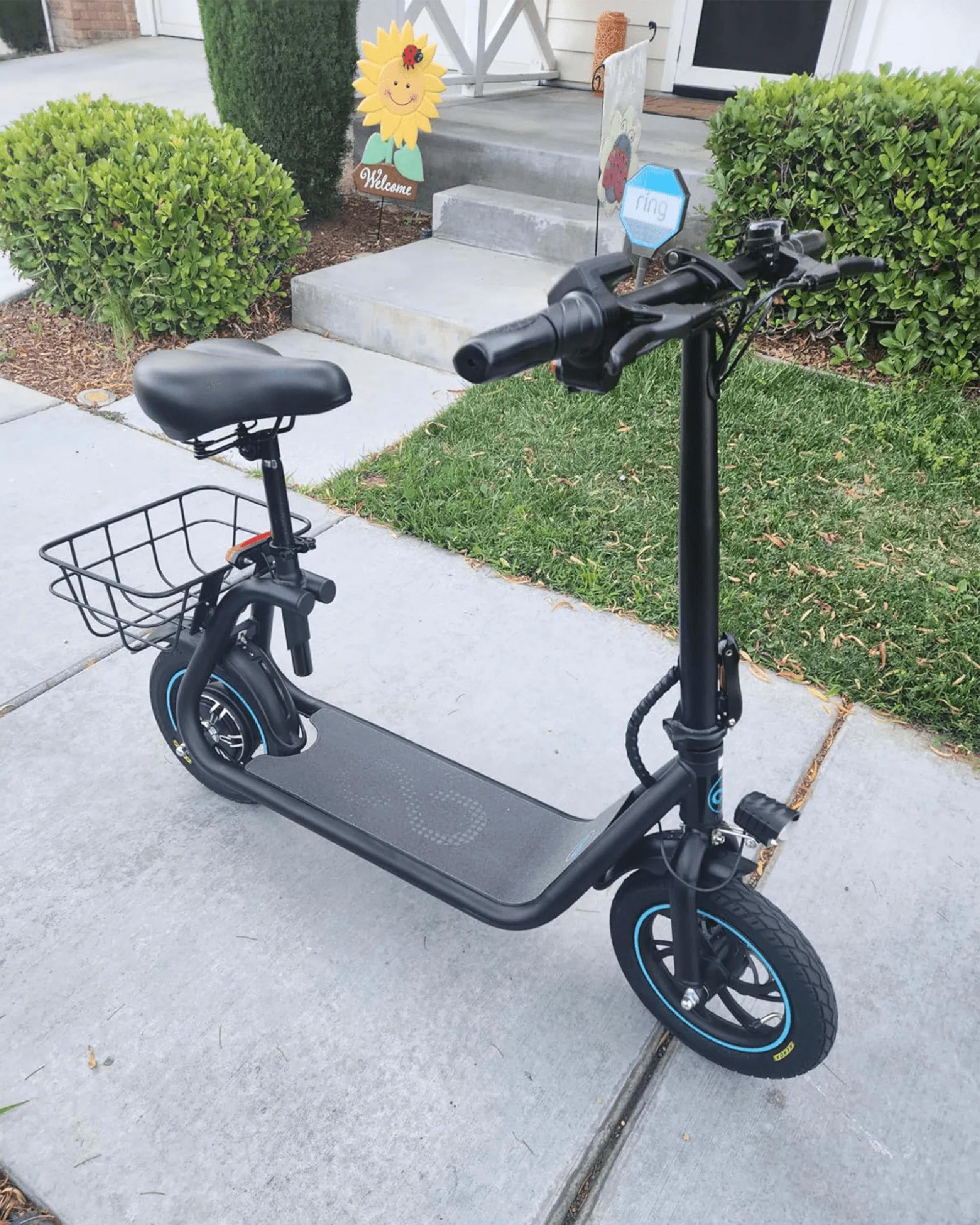
Buying a scooter is an exciting decision, whether you're looking for a convenient commute or a fun ride around town. But with so many options on the market, how do you know which one is right for you? From performance to comfort and safety, there are several critical factors to consider before making your purchase. Let's dive into what you should look for when buying a scooter.
Engine Power and Performance
The engine is the heart of your scooter, and its power will determine how well it performs on the road. Smaller engines, typically under 50cc, are ideal for city commuting, offering excellent fuel efficiency and ease of use. However, if you plan to ride on highways or need extra speed, consider a scooter with a larger engine, such as 125cc or above. These provide better acceleration and handling at higher speeds.
Fuel Efficiency and Range
One of the biggest advantages of scooters is their fuel efficiency. Look for models that offer high miles per gallon (MPG) to save money on gas. Additionally, check the fuel tank capacity to ensure it provides enough range for your daily needs. Electric scooters are also an option, offering zero emissions and low running costs, though they may have limited range compared to gasoline models.
Comfort and Ergonomics
Since you'll be spending a lot of time on your scooter, comfort is key. Pay attention to the seat design—it should be wide enough to support you without causing fatigue on long rides. The handlebars should be at a comfortable height, and the footrests should allow for a relaxed riding position. Test-riding different models can help you determine which one feels best for your body type.
Safety Features
Safety should never be compromised when choosing a scooter. Look for features like anti-lock braking systems (ABS), which prevent wheel lock-up during sudden stops. Disc brakes offer better stopping power than drum brakes, especially in wet conditions. Additionally, check for built-in lights, reflectors, and turn signals to ensure visibility on the road.
Storage and Practicality
Scooters are known for their practicality, but storage options vary. Some models come with built-in under-seat storage, while others may require additional accessories like top cases or saddlebags. Consider how much storage you need for daily essentials, groceries, or work gear when making your decision.
Tire Quality and Suspension
Good tires and a reliable suspension system make for a smoother ride, especially on uneven roads. Tubeless tires are less prone to punctures, while wider tires provide better stability. The suspension should absorb bumps effectively to reduce rider fatigue and improve handling.
Weight and Portability
If you need to move your scooter frequently or store it in tight spaces, weight matters. Lighter scooters are easier to handle but may lack stability at higher speeds. Heavier models offer better road grip but can be challenging to maneuver in parking situations.
Maintenance and Reliability
Choose a scooter known for its reliability and low maintenance requirements. Check customer reviews and manufacturer warranties to gauge long-term durability. Electric scooters generally require less maintenance than gasoline models but may have higher upfront costs.
Price and Budget Considerations
Set a budget before shopping and stick to it. While scooters are generally more affordable than cars, prices can vary widely based on features and performance. Don’t forget to factor in additional costs like insurance, registration, and safety gear.
Ready to hit the road? By considering these factors—engine power, fuel efficiency, comfort, safety, storage, tires, weight, maintenance, and budget—you’ll find the perfect scooter to match your lifestyle. Whether you're commuting daily or just cruising for fun, the right choice will keep you riding smoothly for years to come.
Is a Dirt Bike Street Legal? What You Need to Know Before Hitting the Road
Dirt Bike for 5 Year Old Boy: The Ultimate Guide to Safe and Fun Riding