

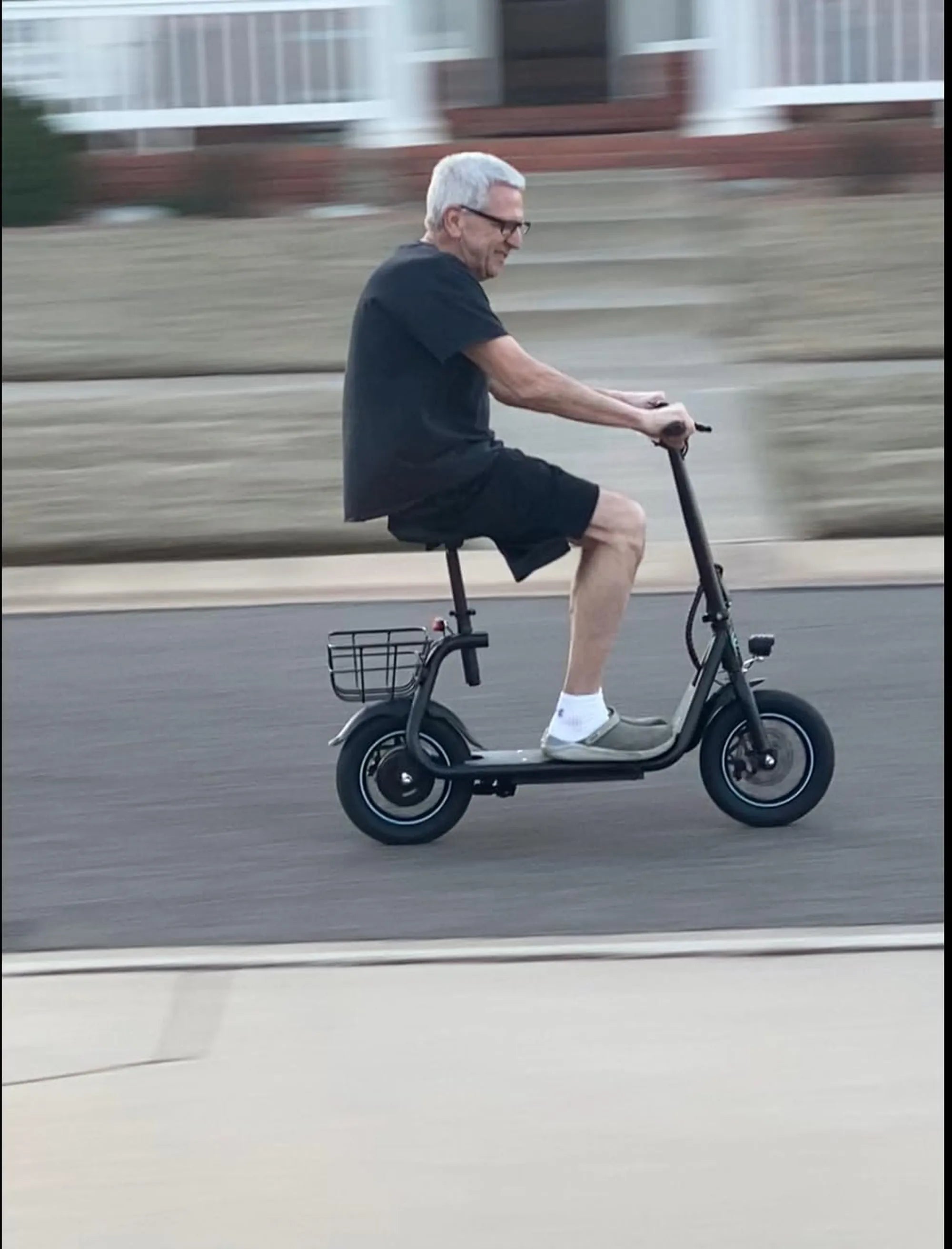
Electric scooters have revolutionized urban mobility, offering a convenient and eco-friendly way to navigate crowded streets. At the heart of every electric scooter lies its rechargeable battery, the powerhouse that determines range, speed, and overall performance. But what type of rechargeable battery is used in electric scooters, and why does it matter? Let’s dive into the details.
Lithium-Ion Batteries: The Gold Standard
When it comes to electric scooters, lithium-ion (Li-ion) batteries are the most widely used. These batteries dominate the market due to their high energy density, lightweight design, and long lifespan. Unlike older battery technologies, Li-ion batteries can store more energy in a smaller package, making them ideal for portable devices like electric scooters.
Advantages of Lithium-Ion Batteries
- High Energy Density: Li-ion batteries pack more power per unit weight, allowing scooters to travel farther on a single charge.
- Lightweight: Their compact size reduces the overall weight of the scooter, enhancing portability.
- Long Lifespan: With proper care, these batteries can last hundreds of charge cycles before significant degradation occurs.
- Fast Charging: Li-ion batteries recharge quickly compared to alternatives, minimizing downtime.
Alternative Battery Types
While lithium-ion batteries are the most common, other rechargeable battery types are occasionally used in electric scooters, though they come with trade-offs.
Lead-Acid Batteries
Lead-acid batteries were once the standard for electric vehicles, including scooters. They are cheaper upfront but suffer from several drawbacks:
- Heavy Weight: These batteries are bulky, adding significant weight to the scooter.
- Lower Energy Density: They store less energy, resulting in shorter ranges.
- Shorter Lifespan: Lead-acid batteries degrade faster and require frequent replacements.
Nickel-Metal Hydride (NiMH) Batteries
NiMH batteries offer a middle ground between lead-acid and lithium-ion batteries. They are more energy-dense than lead-acid but less efficient than Li-ion. Their use in electric scooters is rare due to their higher cost and moderate performance.
Factors Influencing Battery Choice
Several factors determine which rechargeable battery type is best suited for an electric scooter:
Range Requirements
Riders who need longer distances between charges will benefit from lithium-ion batteries due to their superior energy density.
Weight Considerations
For commuters who need to carry their scooters upstairs or onto public transport, lightweight Li-ion batteries are the clear winner.
Budget Constraints
While lithium-ion batteries are more expensive upfront, their longevity and performance often justify the investment over time.
Battery Maintenance Tips
To maximize the lifespan of your electric scooter’s battery, follow these best practices:
- Avoid Deep Discharges: Try not to drain the battery completely before recharging.
- Store Properly: Keep the battery in a cool, dry place when not in use.
- Use the Right Charger: Always use the manufacturer-recommended charger to prevent damage.
The Future of Electric Scooter Batteries
As technology advances, new battery innovations are on the horizon. Solid-state batteries, for example, promise even higher energy density and faster charging times. While not yet mainstream, these developments could reshape the electric scooter industry in the coming years.
Choosing the right rechargeable battery for your electric scooter can make all the difference in your riding experience. Whether you prioritize range, weight, or cost, understanding the options ensures you get the most out of your ride. Ready to hit the streets with confidence? Your scooter’s battery is the key to unlocking a smoother, smarter journey.
Best Electric Bike Kit: Transform Your Ride with the Ultimate Upgrade
Electric Scooter Under 25,000: The Ultimate Guide to Affordable and Efficient Commuting