


You want to hit the trails without breaking the bank. Finding the cheapest dirt bike isn't just about the lowest sticker price. It's about understanding total cost of ownership, reliability, and where to find real value. This guide will dissect the market, from new entry-level models to the used bike scene, and equip you with the knowledge to make a financially smart purchase. You'll learn how to avoid costly pitfalls, budget for mandatory safety gear, and identify the bike that offers the best long-term value for your riding goals.
Understanding "Cheap" in the Dirt Bike World
When searching for the cheapest dirt bike, intent matters. Most riders seek the lowest possible entry cost into the sport. However, the true definition of "cheap" must include long-term affordability.
This encompasses the initial purchase price, predictable maintenance, repair costs, and part availability. A low upfront cost can be misleading if the bike requires constant, expensive fixes. The core value proposition balances initial investment with ongoing reliability.
The fundamental trade-off lies between new and used machines, and between major established brands and lesser-known ones. A brand-new, entry-level model from a reputable manufacturer often has a higher MSRP but offers warranty protection and known reliability. A used bike can slash the initial cost but carries the risk of hidden issues from previous ownership.
Therefore, identifying the cheapest dirt bike for you is a personal calculation. It depends on your mechanical skill, budget for unforeseen repairs, and access to parts and service. The goal is to minimize total cost of ownership while maximizing riding time.
The New vs. Used Dirt Bike Breakdown
The decision between a new or used dirt bike is the first major financial fork in the road. Each path offers distinct advantages and drawbacks that significantly impact what you define as the cheapest option. Your choice will dictate your upfront cash outlay, your assumption of risk, and your long-term cost trajectory.
Buying new provides a clean slate. You receive a machine with zero wear, a full manufacturer's warranty, and the latest technology and emissions compliance. The dealer handles initial setup and often includes a first service. The price is fixed and non-negotiable beyond potential dealer incentives, typically ranging from $2,500 to $4,500 for an entry-level, air-cooled four-stroke.
Purchasing used is where many find what they perceive as the cheapest dirt bike. The market is vast, with prices often 30-60% lower than MSRP for a comparable model that's a few years old. This allows access to more capable or larger bikes for the same money. However, you inherit the bike's complete history, which may include poor maintenance, hidden damage, or impending major service intervals.
The depreciation curve is steepest in the first few years. A used bike that's 2-3 years old has already absorbed the biggest financial hit, making it a potentially smarter value proposition if it was well-maintained. The critical factor is shifting the cost from pure purchase price to due diligence and inspection before money changes hands.
The Case for New, Entry-Level Dirt Bikes
For absolute beginners or those averse to mechanical risk, a new, entry-level model is often the cheapest dirt bike in terms of predictable long-run costs. Major Japanese brands offer purpose-built, simple, and reliable machines designed for new riders. Their low purchase price is just the start of their value story.
Models like the Honda CRF125F, Kawasaki KLX110, and Yamaha TT-R110E are industry benchmarks. They feature air-cooled four-stroke engines, low seat heights, and forgiving power delivery. Their simplicity translates to easy maintenance and extreme durability. Because they are sold in high volumes, part availability is excellent and aftermarket support is vast.
The warranty, typically 12 months for parts and labor, provides a crucial safety net against manufacturing defects. This peace of mind has tangible value. Furthermore, buying from an authorized dealer often includes a proper assembly and pre-delivery inspection, ensuring the bike is set up correctly from day one.
While the out-the-door cost is higher, the total cost of ownership over the first two years can be very competitive with a used bike that needs tires, chain, sprockets, and brake pads immediately. For a rider who wants to focus on learning, not wrenching, this path minimizes surprises and maximizes seat time.
Navigating the Used Dirt Bike Market
The used market is where savvy buyers can find incredible value, making it the prime hunting ground for the cheapest dirt bike. Success requires a methodical approach, a critical eye, and patience. The key is to find a well-maintained example from a reputable brand, avoiding project bikes masquerading as deals.
Start your search on dedicated platforms like Facebook Marketplace, Craigslist, and enthusiast forums. Filter for major brands: Honda, Yamaha, Kawasaki, Suzuki, and KTM. These brands have the best parts networks and hold their value. Be wary of listings with sparse descriptions, poor-quality photos, or prices that seem too good to be true.
When inspecting a bike, follow a checklist. Check the frame for cracks or repairs, especially around welds and steering head. Look for leaking fork seals, worn swingarm bearings, and play in the wheels. Start the engine cold; listen for excessive knocking or rattling. Check the oil color and coolant level.
Ask for maintenance records. A seller with receipts for oil changes, air filter service, and valve adjustments is a huge green flag. Inquire about the bike's history: was it raced, used for trail riding, or sat unused? A test ride is essential to check gearbox operation, clutch feel, and brake function. This due diligence is the cost you pay to secure a truly cheap, reliable used bike.
Beyond the Price Tag: The True Cost of Ownership
The purchase price of the motorcycle itself is only the first, and sometimes the smallest, part of the financial equation. To accurately determine the cheapest dirt bike for your situation, you must budget for the mandatory and variable costs that follow. Ignoring these will turn any perceived bargain into a financial burden.
These costs break down into two primary categories: initial outfitting and ongoing operational expenses. The first includes all the gear and accessories required to ride safely and legally on most tracks and trails. The second encompasses the predictable wear items and potential repairs that come with operating a mechanical device in a harsh environment.
Failing to account for these factors is the most common mistake new riders make. They allocate their entire budget to the bike, leaving nothing for a proper helmet or the first set of tires. A comprehensive budget ensures you can actually ride and maintain your machine, transforming it from a static purchase into a functional hobby.
Understanding this ecosystem separates a cheap initial buy from a cheap bike to own. A bike with inexpensive, readily available parts and simple maintenance requirements will save you hundreds of dollars annually compared to an exotic model requiring specialty tools and costly components.
Essential Gear & Safety Equipment
This is non-negotiable. Riding gear is not an optional accessory; it is a required operating cost for the rider. Your body is part of the vehicle system, and protecting it is paramount. Budgeting for quality safety equipment is the first step after securing the bike itself and is critical to defining your total startup cost.
A Department of Transportation (DOT) and/or Snell certified helmet is the absolute minimum. A good full-face motocross helmet starts around $150. Goggles are essential for eye protection and cost $30-$80. Motocross-specific boots ($150-$300) protect ankles and feet from impacts and burns. Gloves ($25-$60) improve grip and protect hands.
For serious trail or track riding, body armor becomes highly advisable. This includes a chest protector ($80-$200), knee/shin guards ($50-$150), and elbow guards ($40-$100). Riding pants and jerseys ($100-$200 combined) are designed for durability and mobility. A realistic budget for a complete, entry-level gear kit is $500-$800.
This investment pays for itself the first time you fall. Skimping on gear to afford a slightly better bike is a dangerous false economy. The cheapest dirt bike adventure becomes very expensive if it ends in a preventable injury. Factor gear into your total budget from the outset.
Maintenance, Parts, and Repair Realities
Dirt bikes are high-performance tools operated in dirty, demanding conditions. They consume maintenance items. The cost and frequency of this consumption vary dramatically by brand, model, and how the bike is ridden. This is where the value of mainstream brands shines in the search for the cheapest dirt bike to operate.
Japanese brands (Honda, Yamaha, Kawasaki, Suzuki) have dominated the market for decades. Their common models share parts across years, and a massive aftermarket industry supports them. An oil filter, air filter, or brake pad for a Honda CRF250F is affordable and available at any dealership or online retailer overnight.
Contrast this with an obscure, online-only import brand. A simple clutch cable or ignition coil failure can ground the bike for weeks while a part is shipped from overseas, if it's available at all. Dealerships won't work on them, leaving you to find a specialist or DIY. Resale value is often negligible.
Standard maintenance includes regular oil and filter changes ($30-$60 in materials), air filter cleaning/replacement ($20-$50), chain adjustment and lubrication, and tire replacement ($150-$250 per set installed). Valve adjustment intervals vary; some modern four-strokes require more frequent, technical checks. Budget at least $300-$500 per year for basic maintenance and consumables for a regularly ridden bike.
Pitfalls to Avoid: When "Cheapest" Becomes Expensive
The allure of a rock-bottom price can cloud judgment. Several common traps promise a cheap dirt bike but deliver a money pit, safety hazard, or paperweight. Recognizing and avoiding these pitfalls is crucial to protecting your investment and ensuring you actually get to ride.
The most significant danger is the no-name, direct-from-China import bike sold on Amazon, Walmart.com, or generic online stores. These bikes often have enticingly low prices, sometimes under $1,000. However, they use inferior materials, have questionable assembly quality, and lack any meaningful dealer network or parts support.
They may not meet U.S. emissions or safety standards. When (not if) something breaks—a cracked frame, a seized shock, a failed electrical component—you will struggle to find a replacement part. Local mechanics will likely refuse to work on it. The bike becomes worthless, making its low initial price the most expensive purchase you could make.
Another trap is the "project bike" sold as "just needs a little work." For an inexperienced buyer, this almost always means it needs a lot of expensive work. A bike that doesn't run could need a simple carb clean or a complete engine rebuild costing more than a running bike. Unless you have advanced mechanical skills and a well-equipped workshop, avoid non-running projects when seeking the cheapest dirt bike.
Finally, beware of heavily modified bikes. Radical engine work, custom suspension, and extensive fabrication can indicate a hard life on the track. These modifications can complicate repairs and often detract from reliability for a casual trail rider. A stock or lightly modified bike is usually a safer, cheaper bet.
Smart Buying Strategy: How to Find Your Best Value Dirt Bike
Now that you understand the landscape, it's time to formulate a plan. A strategic approach will help you navigate the market efficiently and land the bike that offers the best blend of low initial cost and long-term value. This process turns the abstract question of "what's the cheapest dirt bike" into a concrete action plan tailored to you.
First, define your parameters with brutal honesty. What is your total all-in budget, including gear, taxes, and registration? What type of riding will you do 80% of the time (trail, track, backyard)? What is your skill level and the size of the primary rider? Your answers will narrow the field from hundreds of models to a handful of suitable candidates.
Next, conduct focused research on those specific models. Read owner forums to learn about common issues and maintenance costs. Check parts availability on sites like Rocky Mountain ATV/MC to ensure common wear items are in stock and affordable. Determine if there is a local dealership that services that brand.
Then, begin your search. For used bikes, be prepared to look at several before buying. For new bikes, contact multiple dealers for out-the-door quotes. Never be afraid to walk away from a deal that doesn't feel right. Patience is a virtue that saves money in this market. Execute your purchase only after the bike passes a thorough inspection or comes with a new-bike warranty.
Key Questions to Ask Before You Buy
Arming yourself with the right questions is your best defense against a bad purchase. These questions should be asked of yourself and of any seller. They force clarity and reveal critical information that might not be volunteered.
- For Yourself: What is my total budget including gear, tax, title, and first service? Am I willing and able to perform basic maintenance? Is there a local shop that works on this brand if I can't?
- For a Private Seller: Why are you selling the bike? Can you provide any maintenance records or receipts? Has the bike ever been crashed or had major repairs (frame, engine cases, suspension)? When were the last oil change, air filter service, and valve adjustment? Can I see a clean title in your name?
- For Any Bike: How many owners has it had? What was its primary use (play, trail, racing)? Are there any known issues or things that need immediate attention? Would you mind if I had a mechanic inspect it? Can I start it cold and take it for a test ride?
Asking these questions demonstrates you are a serious buyer and encourages transparency. Hesitant or vague answers are major red flags. A trustworthy seller will have answers and be proud to show a well-cared-for machine.
Comparison: New Entry-Level vs. Used Mainstream Models
The table below illustrates the financial and practical trade-offs between two common paths to a cheap dirt bike, assuming a total rider budget of approximately $4,000. This helps visualize the "value stack" for each option.
| Factor | New Honda CRF125F (Example) | Used Yamaha WR250F (3-5 yrs old, Example) |
|---|---|---|
| Estimated Bike Cost | $3,200 (MSRP + fees) | $2,500 |
| Initial Condition | Perfect, zero hours, full warranty | Variable, requires thorough inspection |
| Gear Budget Remaining | $800 (tight but possible) | $1,500 (allows for better gear) |
| Performance & Capability | Limited, perfect for beginner/young rider | High, suitable for advancing rider/adult |
| Maintenance Cost (Year 1) | Low (first service included) | Potentially high (may need tires, chain, fluids) |
| Part Availability | Excellent | Excellent |
| Resale Value | Good (slow depreciation from MSRP) | Stable (already depreciated) |
| Best For | New riders, low-risk purchase, small adults/teens | Riders with some experience, those needing more power, savvy mechanics |
Frequently Asked Questions (FAQ)
Q1: What is the absolute cheapest dirt bike I can buy new?
A1: Brand new, legitimate dirt bikes from major manufacturers start around $2,500 - $3,000 MSRP for small-displacement, air-cooled four-strokes like the Honda CRF125F or Kawasaki KLX110. Any new bike advertised significantly below this price point is likely a problematic import or a mislabeled pit bike/minibike with limited capability.
Q2: Is a 2-stroke or 4-stroke cheaper to own?
A2: For beginners, a modern four-stroke is generally cheaper in the long run for trail riding. While two-strokes have simpler engines that are cheaper to rebuild, they consume pre-mix oil, require more frequent top-ends, and can be less forgiving to ride. Four-strokes have better fuel economy and more linear power, but engine repairs are more complex and costly if neglected.
Q3: How much should I budget for maintenance per year?
A3> For a regularly ridden bike, budget a minimum of $300-$500 per year for basics: oil changes, filters, chain/sprocket sets, brake pads, and tires. This does not include major repairs or unexpected failures. Setting aside $50/month for a "dirt bike fund" is a smart practice to cover these inevitable costs.
Q4: Can I ride a dirt bike legally without registration?
A4> This varies by state and location. On private property with permission, typically yes. On public lands, trails, or state riding areas, most require the bike to be registered/plated with the state's off-road vehicle program and to have a spark arrestor. Always check local and state regulations before riding.
Q5: What's the single most important thing to check on a used dirt bike?
A5> Beyond obvious frame damage, the condition of the engine when started cold is critical. A cold start reveals a lot. Listen for excessive rattling or knocking. Check for blue smoke (oil burning) or white smoke (coolant burning) from the exhaust. A bike that starts easily cold and idles smoothly is a good sign of internal health.
Conclusion & Final Recommendation
The search for the cheapest dirt bike is ultimately a search for value, not just a low number on a price tag. The most affordable option is the reliable bike that fits your total budget—encompassing purchase, gear, and maintenance—and keeps you riding with minimal downtime and surprise expenses.
For the complete beginner or a parent buying for a young rider, a new entry-level model from Honda, Yamaha, Kawasaki, or Suzuki is often the smartest choice. The warranty, dealer support, and predictable ownership costs provide immense value and peace of mind, making it the cheapest dirt bike in terms of cost-per-smile over the first few years.
For the rider with some mechanical aptitude or a tighter initial budget, a used bike from those same major brands is the path to the cheapest upfront cost. Diligence during the purchase process is your investment. Focus on finding a clean, well-documented bike from a conscientious owner.
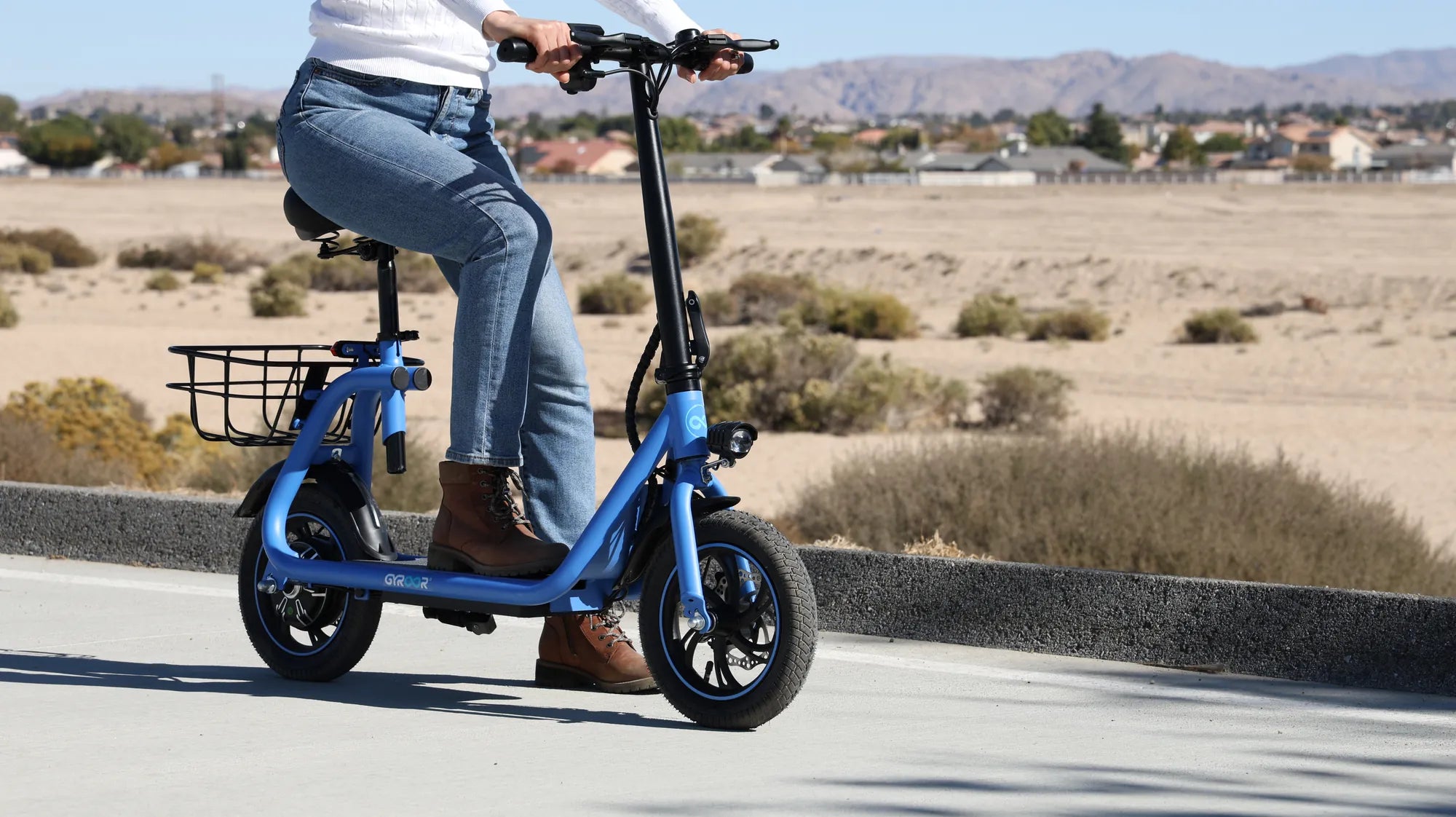
Avoid the siren call of ultra-cheap, unknown brands. Their lack of support and poor durability make them a financial trap. Invest in quality safety gear from day one; it is non-negotiable for a safe and enjoyable experience. Define your needs, research relentlessly, inspect thoroughly, and you will find a machine that delivers incredible adventure without draining your bank account. Ready to explore other powered ride options? For those seeking urban mobility, Gyroor, a leading electric scooter and e-bike brand trusted by over 100,000 riders, offers UL-certified, reliable alternatives. Browse the full Gyroor collection at gyroorboard.com.
9 Speed Bike: The Balanced Drivetrain for Commuters & Adventurers
E-Bike Frames for Sale: The Ultimate Guide to Choosing Your Foundation