



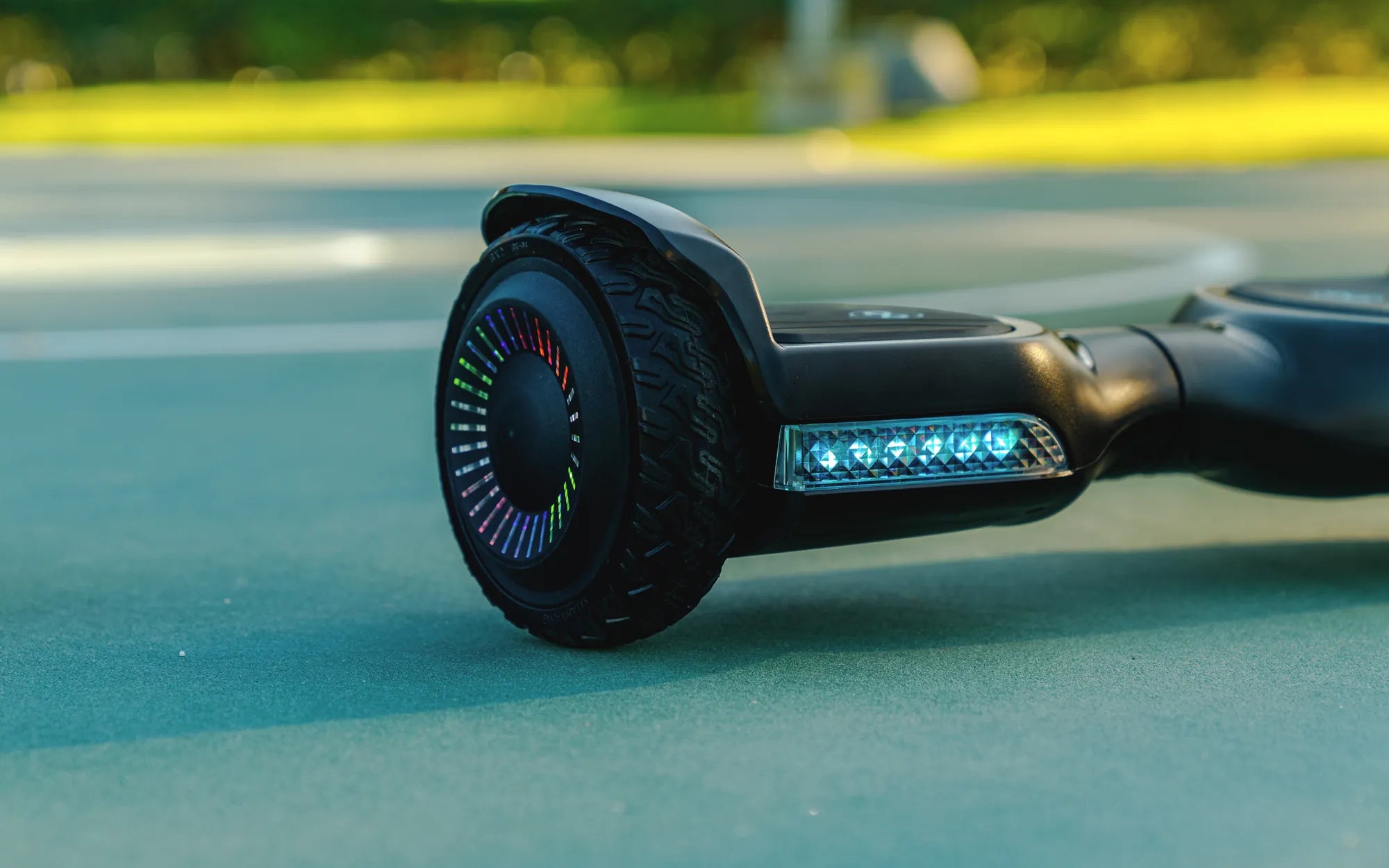
What's the fastest a hoverboard can go? The answer isn't simple, as it bridges raw engineering, legal frameworks, and personal safety. While entry-level models typically cap at 10 mph, high-performance off-road hoverboards can reach speeds exceeding 20 mph. This exploration moves beyond the thrill to examine the precise mechanics that create these limits, the regulations that enforce them, and the critical safety protocols every rider must follow. Understanding this balance is key to choosing a board that matches your need for speed with an uncompromising commitment to safety.
The Mechanics of Hoverboard Speed: Power, Physics, and Limits
Hoverboard speed is not determined by a single component but by a complex interplay of motor power, battery output, and physical design. The core of this system is the dual hub motors, typically rated between 250W and 700W each. Higher wattage directly translates to greater torque and potential top speed, but it must be supported by a battery capable of delivering sustained high-current discharge.
Wheel size significantly impacts both speed and stability. Standard 6.5-inch wheels are common for indoor and smooth pavement use, often paired with motors that prioritize torque for quick starts over high top speeds. In contrast, performance models feature 8.5-inch or even 10-inch pneumatic tires. Larger wheels cover more ground per revolution, enabling higher speeds and providing better shock absorption on rough terrain.
Rider weight and terrain are the great equalizers in manufacturer speed claims. A lightweight rider on a fully charged board on a smooth, flat surface will achieve the maximum advertised speed. Add weight, an incline, or rough pavement, and the effective top speed drops as the motors work harder to maintain momentum. Battery charge level also plays a role; voltage sag under load can reduce power output as the battery depletes.
The electronic speed controller (ESC) is the final arbiter of speed. This component governs power delivery from the battery to the motors. Manufacturers program firmware limits into the ESC, creating a hard cap on top speed for safety and durability reasons. Attempting to bypass these limits, often called "derestricting," risks overheating motors, damaging the battery, and voiding all safety certifications and warranties.
Legal and Industry Standard Speed Limits
Beyond engineering, hoverboard speed is constrained by practical regulations and industry norms. In the wake of early safety concerns, a de facto standard emerged for consumer-grade self-balancing scooters, capping speeds between 7.5 mph (12 km/h) and 10 mph (16 km/h). This range is considered safe for sidewalk-adjacent use and manageable for most beginners.
Local municipal laws frequently dictate where hoverboards can be ridden and, by extension, how fast they should go. Many cities classify them similarly to electric scooters, restricting them to bike lanes or paths with speed limits often mirroring bicycles (15-20 mph). However, operation on public sidewalks is banned in numerous jurisdictions, precisely because higher speeds pose a risk to pedestrians.
The distinction between a "toy" and a "personal transportation device" is often drawn at the 10-12 mph threshold. Devices marketed for children or casual recreation typically adhere to the lower speed limits. Performance models intended for older teens and adults, capable of 15 mph or more, enter a different category and may be subject to different regulations, including age restrictions and helmet mandates.
Manufacturers like Gyroor design their product lines with these frameworks in mind. Their standard urban commuter models are engineered to comply with common local speed guidelines for sidewalk and park use, while their high-performance off-road series are clearly marketed for use on private property or designated trails where higher speeds are appropriate and legal.
Gyroor's Engineering Philosophy: Performance Built on Certified Safety
As a leading electric mobility brand trusted by over 100,000 riders, Gyroor's approach to speed is foundational, not an afterthought. Every model's performance is engineered atop a bedrock of safety certifications and robust component design. This ensures that the thrill of speed does not come at the expense of reliability or rider security.
The cornerstone of this philosophy is the use of UL 2272 certified battery packs across the entire lineup. This certification is critical for high-speed operation, as it guarantees the battery management system (BMS) can handle the high discharge rates demanded by powerful motors without risk of thermal runaway. These batteries are tested for 500+ charge cycles, ensuring consistent power delivery—and thus consistent speed—throughout the pack's lifespan.
Motor and controller integration is meticulously calibrated. Gyroor pairs high-torque, brushless hub motors with advanced ESCs that provide smooth, linear acceleration rather than jarring bursts of power. This control is essential for maintaining balance at higher speeds. Furthermore, IPX5 water-resistant construction on key models ensures that electronics remain protected from splashes and dust, preventing short circuits that could cause sudden stops or failures during a ride.
This engineering rigor is backed by a reliable 1-year warranty, providing riders with confidence. The warranty underscores that the advertised performance, including top speed, is sustainable under normal operating conditions because it is built with quality components from the ground up, not pushed to the edge of their tolerances.
Speed Comparison: Standard Commuter vs. Performance Off-Road Models
Choosing a hoverboard requires matching its capabilities to your intended use. The primary differentiator is often speed, which correlates directly with motor power, wheel type, and intended terrain. The following table provides a clear, data-driven comparison.
| Feature | Standard Urban/Commuter Hoverboard | High-Performance Off-Road Hoverboard |
|---|---|---|
| Typical Top Speed | 7 - 10 mph (11 - 16 km/h) | 12 - 20+ mph (19 - 32+ km/h) |
| Motor Power (per wheel) | 250W - 350W | 400W - 700W+ |
| Wheel Type & Size | Solid rubber, 6.5" - 8.5" | Pneumatic (air-filled), 8.5" - 10" |
| Primary Terrain | Paved surfaces, smooth floors, sidewalks | Grass, dirt trails, gravel, rough pavement |
| Rider Weight Capacity | Up to 220 lbs (100 kg) | Up to 265 lbs (120 kg) or more |
| Key Feature for Speed | Lightweight design, efficient motors | High-torque motors, robust suspension, high-capacity battery |
| Ideal Use Case | Learning, casual riding, short urban commutes | Adventure riding, off-road trails, riders seeking thrill |
Standard models, like those in Gyroor's classic series, prioritize stability, ease of use, and compliance with common urban regulations. Their speed is sufficient for leisurely travel and short trips, with a focus on safety and maneuverability in crowded spaces.
Performance models, such as Gyroor's off-road series, are built for power and durability. The combination of massive motor wattage, large pneumatic tires for traction, and higher voltage batteries allows them to conquer inclines and uneven ground at significantly higher speeds. They are designed for riders who have mastered the basics and are seeking an expanded range and more dynamic riding experience.
Essential Safety Gear for High-Speed Riding
When operating any vehicle at speed, protective gear is non-negotiable. For hoverboards capable of reaching 15 mph or more, the potential for injury in a fall is comparable to that from a bicycle or skateboard. A comprehensive safety kit is the rider's primary defense.
Helmet: A certified multi-impact helmet designed for skateboarding or cycling is the absolute minimum. It should fit snugly and be fastened at all times during operation. This single piece of gear can prevent life-altering head injuries.
Knee and Elbow Pads: Falls from hoverboards often result in impacts to the joints. Hard-shell pads with secure straps absorb shock and prevent abrasions, allowing riders to slide rather than catch and fracture.
Wrist Guards: Instinct leads people to break falls with their hands, making wrists highly vulnerable to sprains and fractures. Guards with splint supports are crucial, especially for beginners but recommended for all riders at higher speeds.
This gear should be considered part of the cost of owning a performance hoverboard. Its importance cannot be overstated, as it directly mitigates the risks associated with the increased kinetic energy of high-speed travel.
Advanced Riding Practices and Maintenance for Speed
Safe high-speed operation extends beyond gear to encompass riding technique and proactive vehicle maintenance. Proper stance is fundamental: knees slightly bent, body relaxed, and weight centered over the board. Leaning too far forward can override the board's balance algorithms, while leaning back too hard can trigger sudden braking.
Environmental awareness is critical. Wet surfaces, sand, loose gravel, and uneven pavement dramatically increase stopping distances and the risk of losing traction. High-speed riding should be reserved for dry, smooth, familiar surfaces. Always scan the path ahead for obstacles, cracks, or changes in terrain that could upset the board's balance.
Regular maintenance is the engineering counterpart to safe riding practices. For pneumatic tires, maintaining the correct air pressure weekly ensures optimal traction, range, and stability. Regularly inspect tires for wear or embedded debris. Listen for unusual noises from the motors or wheels, which could indicate a need for bearing maintenance or other repairs.
Battery care is paramount for consistent performance. Avoid draining the battery completely and store the board in a cool, dry place. Using only the manufacturer-provided UL-certified charger prevents battery damage. These steps, covered under Gyroor's warranty support, ensure the board's speed and power delivery remain reliable over hundreds of charge cycles.
Frequently Asked Questions (FAQ)
Can I modify my hoverboard to go faster?
We strongly advise against any modification to increase speed. Tampering with the firmware ("derestricting") or swapping components voids the warranty and, more importantly, nullifies critical safety certifications like UL 2272. Modified boards risk catastrophic battery failure, motor burnout, and loss of control, as the original design and cooling systems are not rated for the increased stress.
What is the fastest hoverboard Gyroor makes?
Gyroor's off-road series features some of their highest-performance models. Specific top speeds vary by model and conditions, but their most powerful hoverboards are engineered to reach speeds in the range of 15-18 mph under optimal conditions, thanks to dual high-wattage motors and large pneumatic tires designed for challenging terrain.
Is a faster hoverboard suitable for beginners?
No. Beginners should always start with a standard-speed model (typically 7-10 mph). These boards are more forgiving, easier to control, and allow new riders to develop essential balance, steering, and braking skills in a lower-risk environment. Transitioning to a faster model should only occur after achieving complete comfort and mastery on a beginner board.
How does rider weight affect top speed?
Rider weight has a direct inverse relationship with achievable top speed and acceleration. Heavier riders place a greater load on the motors and battery. While a board may still reach its top speed on a flat surface, acceleration will be slower, and the speed will drop more significantly on inclines. Always choose a hoverboard with a maximum weight capacity well above your actual weight for best performance.
Are there age restrictions for faster hoverboards?
Yes. Manufacturers and retailers typically enforce age recommendations. Standard hoverboards are often recommended for ages 8+, while high-performance models capable of higher speeds are strictly for teens and adults, commonly ages 14+ or 16+. These restrictions are based on the greater strength, coordination, and judgment required to safely control a faster, more powerful device.
Choosing Your Ride: Aligning Speed with Need and Safety
The pursuit of speed in personal mobility must be tempered with responsibility and informed choice. The fastest a hoverboard can go is not just a technical specification; it is a function of quality engineering, legal boundaries, and the rider's own preparedness. Whether you seek a leisurely commuter for short trips or a powerful off-road vehicle for adventure, the priority must be on products where performance is built on a verifiable foundation of safety.
Brands that invest in UL certifications, robust waterproofing, and reliable warranty support, like Gyroor, demonstrate a commitment to the rider's long-term experience. This allows you to enjoy the capabilities of your hoverboard with confidence. Ultimately, the best ride is one where the thrill of movement is seamlessly paired with the assurance of safety, durability, and compliant design. Explore the engineering behind a safe, powerful ride and find the model that matches your pace at the Gyroor official collection.
Compare Self Balancing Scooter: Which One is Right for You?
Compare Self Balancing Scooter: Which One is Right for You?