



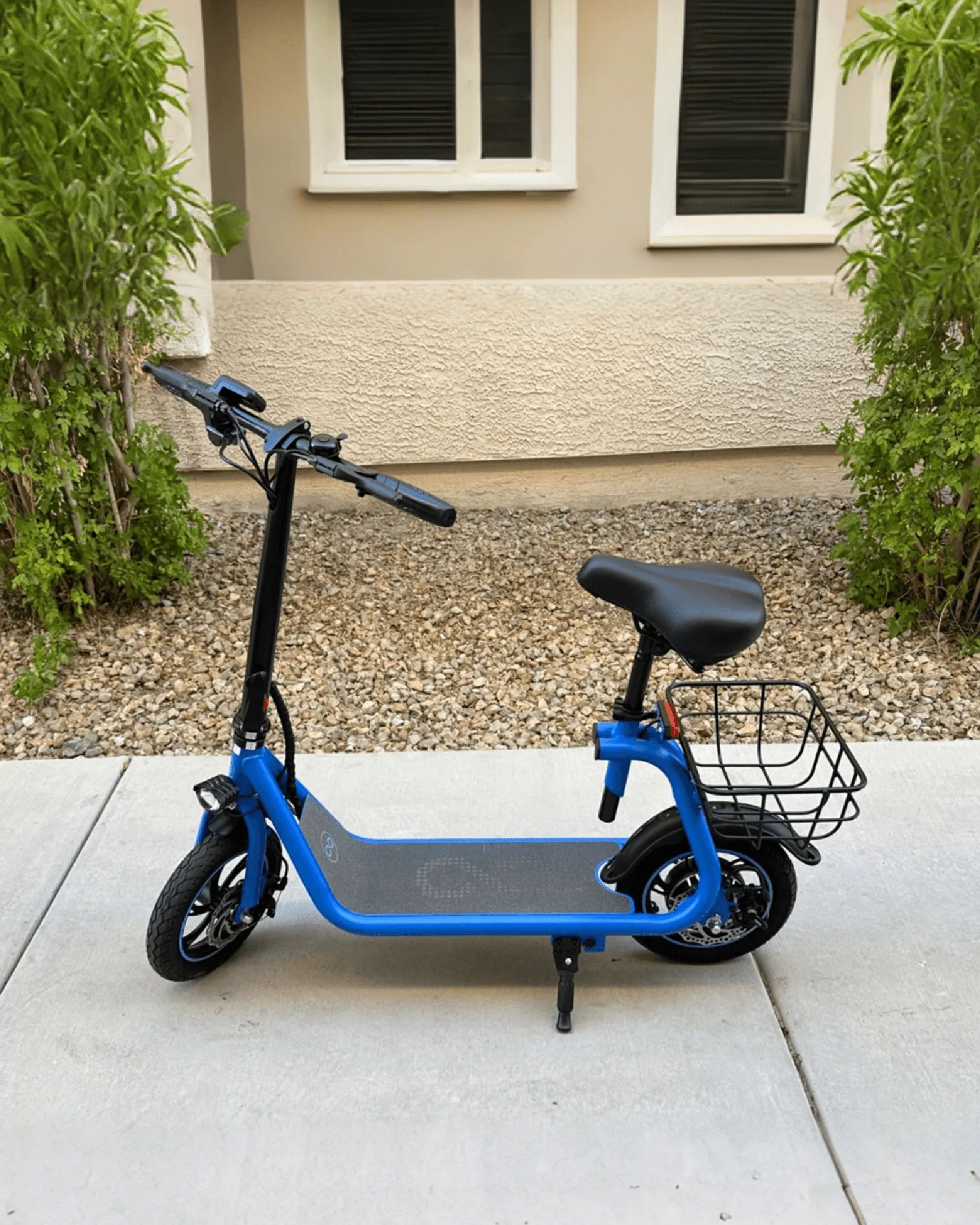
Electric bikes are revolutionizing urban transportation, offering an eco-friendly and efficient way to navigate cities. But with great power comes great responsibility—especially when it comes to speed limits. If you've ever wondered, what's the legal speed limit for an electric bike?, you're not alone. This guide dives deep into the regulations, helping you stay safe and compliant on the road.
Understanding Electric Bike Classifications
Before diving into speed limits, it's crucial to understand how electric bikes are classified. Most regions categorize e-bikes into three main classes:
- Class 1: Pedal-assist only, with no throttle, and a maximum speed of 20 mph (32 km/h).
- Class 2: Throttle-assisted, with a maximum speed of 20 mph (32 km/h).
- Class 3: Pedal-assist only, with a maximum speed of 28 mph (45 km/h).
These classifications often determine where you can ride and whether you need a license or registration. Always check local laws to ensure compliance.
Legal Speed Limits by Region
Speed limits for electric bikes vary widely depending on where you live. Here's a breakdown of some common regulations:
United States
In the U.S., federal law defines e-bikes as bicycles if they meet specific criteria, including speed limits. Most states adhere to the three-class system, with Class 1 and 2 e-bikes capped at 20 mph and Class 3 at 28 mph. However, some states have additional restrictions or require helmets for higher-speed models.
European Union
The EU classifies e-bikes as pedelecs if they provide assistance only up to 25 km/h (15.5 mph) and have a motor power of 250W or less. Faster models may require registration, insurance, or a license, depending on the country.
Canada
Canada generally follows a similar approach to the U.S., with speed limits of 32 km/h (20 mph) for most e-bikes. However, provinces like Quebec have stricter rules, requiring helmets and limiting motor power.
Why Speed Limits Matter
Speed limits aren't just arbitrary rules—they're designed to keep riders and pedestrians safe. Higher speeds increase the risk of accidents, especially in crowded urban areas. Additionally, exceeding legal limits could reclassify your e-bike as a motor vehicle, subjecting you to stricter regulations.
Tips for Staying Compliant
To avoid fines or legal trouble, follow these tips:
- Check your local e-bike laws regularly, as regulations can change.
- Use a speedometer to monitor your speed, especially on throttle-assisted models.
- Wear appropriate safety gear, including a helmet, even if it's not legally required.
Electric bikes are a fantastic way to reduce your carbon footprint and enjoy the open road—but only if you ride responsibly. By understanding and adhering to speed limits, you can ensure a smooth and legal ride every time. Ready to hit the road? Make sure you know the rules before you go!
Electric Scooter Price in Daltonganj: A Comprehensive Buying Guide
Best 6V Ride On: Top Picks for Safe and Fun Kids' Vehicles