


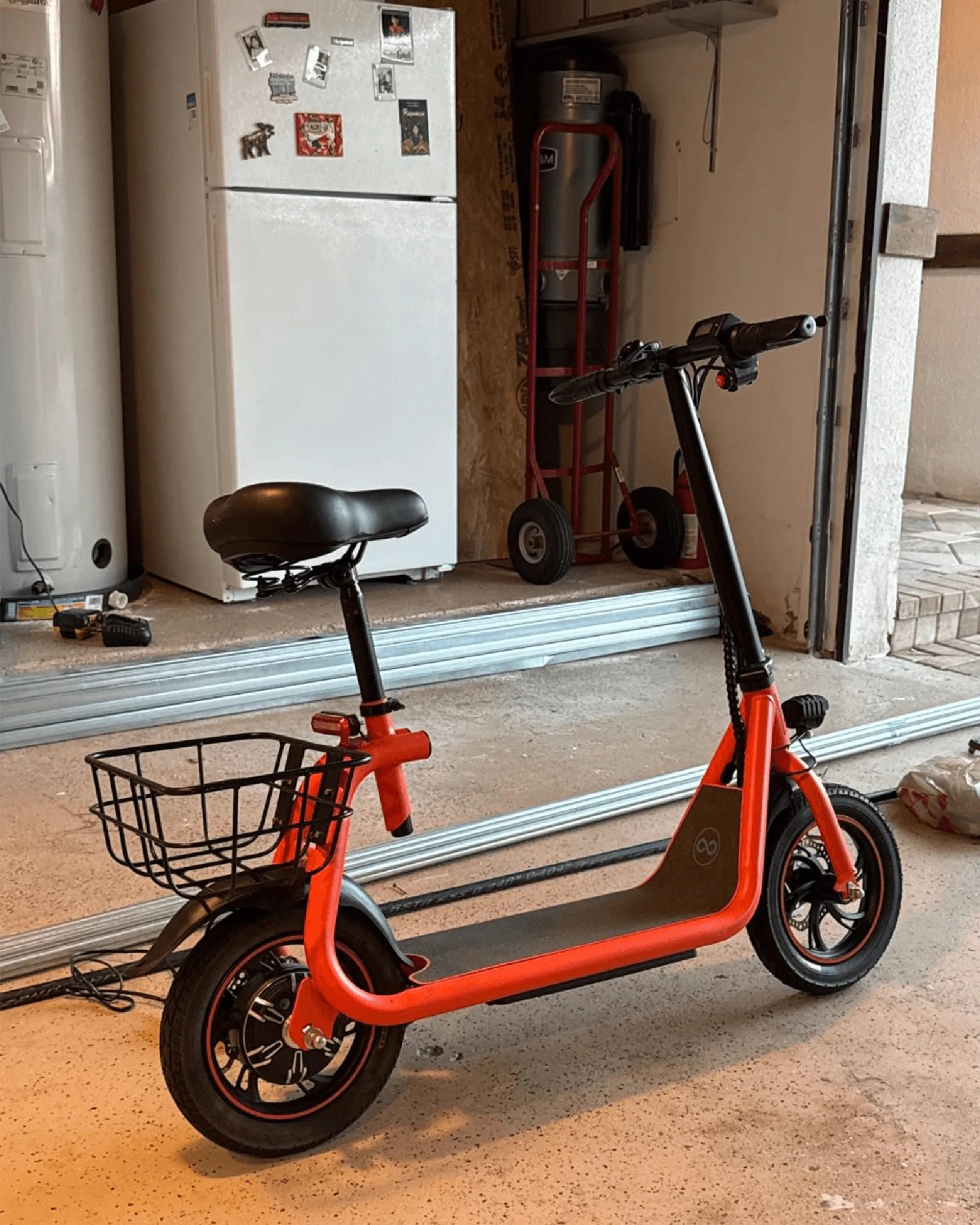
The self-balancing scooter, often referred to as a hoverboard (though it doesn't actually hover), has become a symbol of futuristic personal transportation. But when did this innovative device first appear? The answer might surprise you, as its journey from concept to mainstream adoption is filled with twists and turns.
The Early Concepts and Precursors
Long before the self-balancing scooter became a household name, inventors were exploring the idea of personal transportation devices that could balance on their own. In the late 1990s and early 2000s, researchers began experimenting with gyroscopic stabilization technology, which would later become the foundation for modern self-balancing scooters.
One of the earliest precursors was the Segway, introduced in 2001. While not a scooter in the traditional sense, it demonstrated the potential of self-balancing technology for personal mobility. The Segway's success paved the way for smaller, more affordable alternatives.
The Birth of the Modern Self-Balancing Scooter
The first true self-balancing scooters as we know them today began appearing around 2013. These devices featured two motorized wheels connected by a platform, with riders controlling movement by shifting their weight. Early models were clunky and expensive, but they captured the public's imagination.
By 2014, several manufacturers had entered the market, refining the design and making the scooters more accessible. The technology improved rapidly, with better batteries, more responsive sensors, and sleeker designs becoming available.
The Explosion in Popularity
2015 marked the year when self-balancing scooters truly went mainstream. Celebrities were spotted riding them, viral videos spread across social media, and suddenly everyone wanted one. The holiday season of 2015 saw unprecedented demand, with many retailers struggling to keep up.
This surge in popularity wasn't without controversy, however. Safety concerns emerged as reports of fires caused by faulty batteries made headlines. These incidents led to recalls and stricter safety standards, ultimately making the devices safer for consumers.
Technological Advancements
The self-balancing scooter's evolution didn't stop with its initial popularity. Manufacturers continued to improve the technology, adding features like:
- Bluetooth connectivity for music and app control
- LED lighting systems for night riding
- More powerful motors for better performance
- Advanced battery technology for longer range
These improvements helped maintain consumer interest and expanded the scooter's potential uses beyond just recreation.
The Current Landscape
Today, self-balancing scooters have found their place in the personal transportation ecosystem. While they may not have replaced bicycles or electric scooters as some predicted, they remain popular for short commutes, campus transportation, and recreational use.
Newer models continue to push boundaries with off-road capabilities, higher speed limits, and even AI-assisted features. The technology has also found applications in other areas, such as robotics and industrial equipment.
From their humble beginnings to their current status as a cultural icon, self-balancing scooters have come a long way in a relatively short time. Their story is far from over, with new innovations likely to emerge in the coming years. Whether you're a tech enthusiast or just curious about personal transportation trends, the evolution of these devices offers fascinating insights into how new technologies develop and find their place in our lives.
Electric Scooter 8.5 vs 10: Which Wheel Size is Right for You?
Portable Electric Self Balance Scooter: The Future of Urban Mobility