

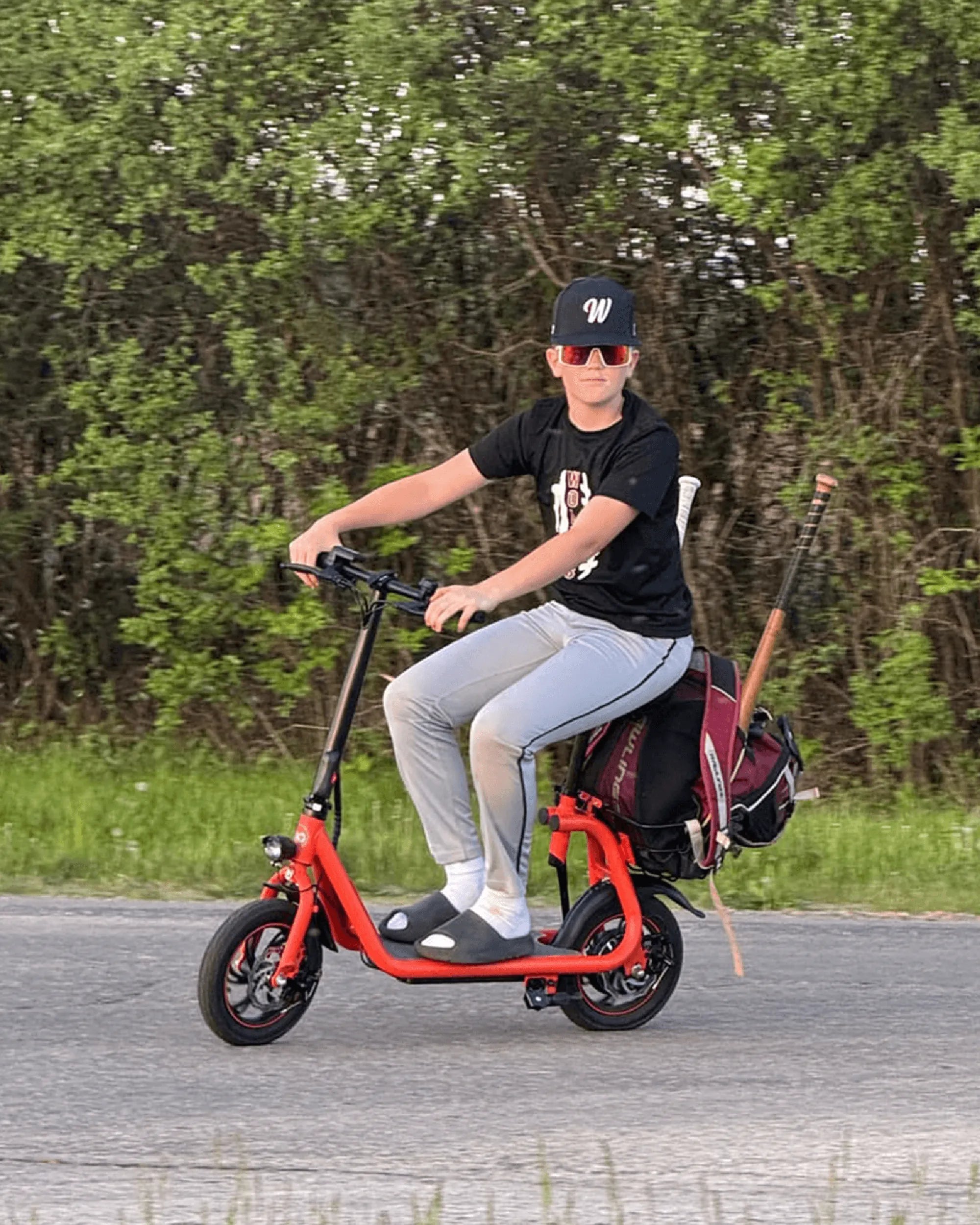
Electric scooters have surged in popularity as a convenient and eco-friendly mode of transportation. But before you hop on one, it's crucial to know where electric scooters are allowed to avoid fines or legal trouble. This guide breaks down the rules and regulations so you can ride with confidence.
Understanding Electric Scooter Laws
Electric scooter regulations vary widely depending on location. Some cities embrace them as part of their urban mobility plans, while others impose strict restrictions or outright bans. The key factors that determine where electric scooters are allowed include:
- Local and state laws
- Designated bike lanes or shared paths
- Speed limits and power restrictions
- Age and licensing requirements
Where Electric Scooters Are Typically Allowed
Most urban areas that permit electric scooters allow them in the following zones:
1. Bike Lanes and Shared Paths
Many cities designate bike lanes as legal riding zones for electric scooters. These provide a safer alternative to riding in vehicle traffic. Shared pedestrian-bike paths are also common approved areas, though some locations require riders to yield to pedestrians.
2. City Streets with Speed Limits Under 25 mph
Urban areas often allow electric scooters on low-speed roads where the posted limit doesn't exceed 25 mph. Riders typically must stay as far right as possible and follow all traffic signals.
3. College Campuses and Private Properties
Many universities and private developments have created specific policies allowing electric scooters on their grounds. These areas often have their own rules regarding speed and parking.
Where Electric Scooters Are Typically Prohibited
There are several places where electric scooters are generally not allowed:
1. Sidewalks in Most Urban Areas
The majority of cities ban electric scooters from sidewalks in business districts or crowded areas due to safety concerns for pedestrians. Some may allow sidewalk riding in residential zones.
2. Highways and Freeways
All jurisdictions prohibit electric scooters on high-speed roadways due to the significant speed differential with motor vehicles.
3. National Parks and Protected Areas
Many natural preserves and national parks don't allow motorized vehicles on trails, including electric scooters.
How to Find Local Electric Scooter Regulations
To determine exactly where electric scooters are allowed in your area:
- Check your city's official transportation website
- Review state vehicle codes
- Look for posted signs in your community
- Consult local rider communities or forums
Best Practices for Legal Electric Scooter Use
Even where electric scooters are allowed, following these guidelines will help ensure safe and legal operation:
- Always wear a helmet (required in most areas)
- Obey all traffic laws and signals
- Use lights at night
- Park responsibly without blocking walkways
- Respect pedestrian right-of-way
Knowing where electric scooters are allowed is just the first step to enjoying this innovative transportation option. As cities continue to adapt their infrastructure, staying informed about local regulations will ensure you can ride safely and legally while avoiding unnecessary penalties. The freedom of electric scooters comes with responsibility - ride smart and help shape the future of urban mobility.
Electric Scooters With Adjustable Handlebars: The Ultimate Guide to Custom Comfort
Electric Scooters in Lucknow: The Future of Urban Commuting