

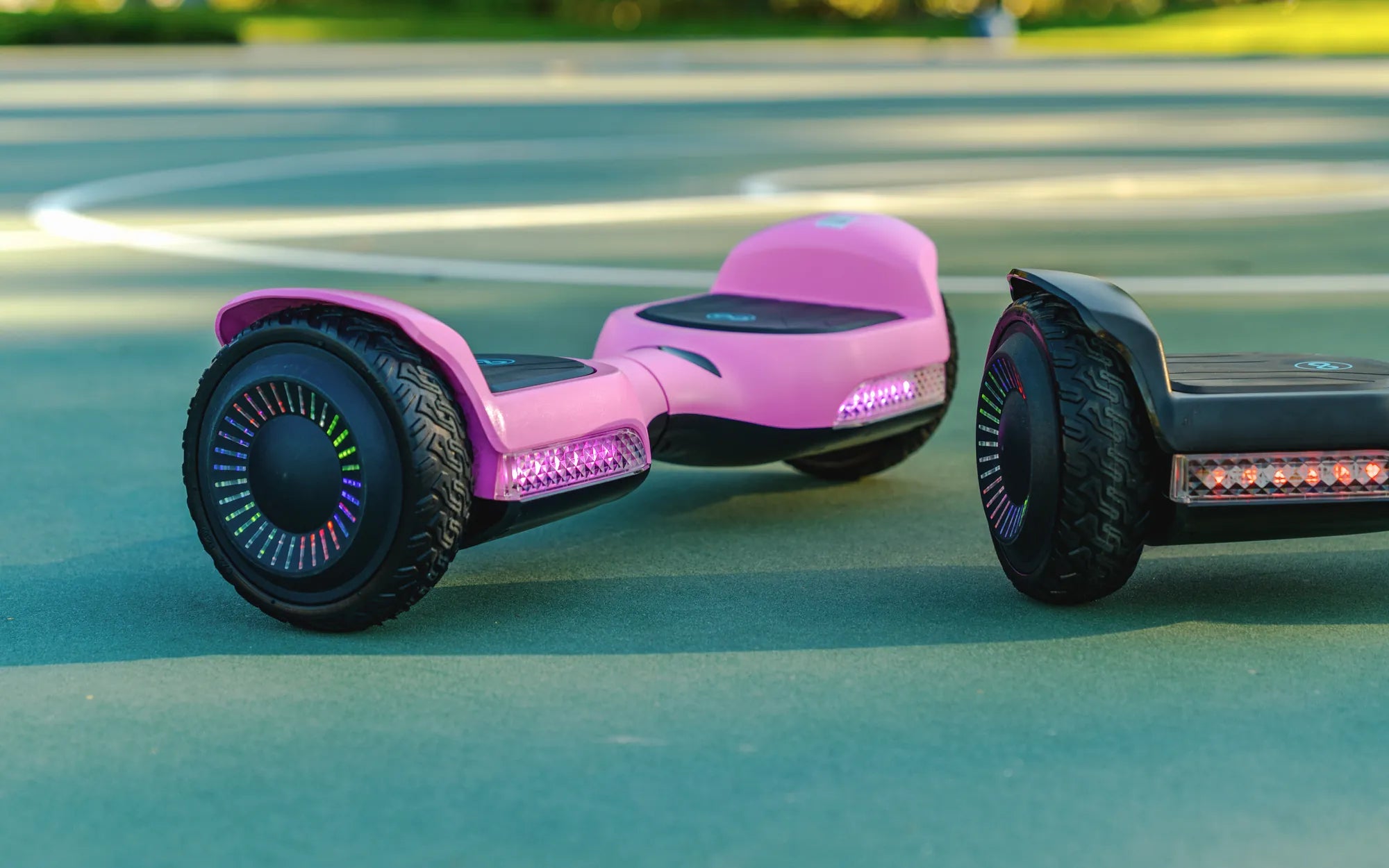
Ever wondered where the sleek, self-balancing hoverboards zipping down your street come from? The answer isn't as simple as you might think. Hoverboard manufacturing is a global affair, with production spread across multiple continents and influenced by factors like labor costs, technological expertise, and supply chain logistics.
The Rise of Hoverboards and Their Manufacturing Origins
Hoverboards burst onto the scene in the early 2010s, capturing imaginations with their futuristic design and intuitive controls. While the technology seemed cutting-edge, the manufacturing process relied heavily on existing supply chains and production facilities. The majority of hoverboards are assembled in countries with strong electronics manufacturing capabilities, particularly in Asia.
Primary Manufacturing Hubs for Hoverboards
When examining where hoverboards are made, several key regions emerge as production powerhouses:
1. China: The Global Leader in Hoverboard Production
China dominates hoverboard manufacturing, with Shenzhen being the epicenter of production. This region benefits from:
- Established electronics manufacturing infrastructure
- Access to component suppliers
- Skilled labor force
- Efficient shipping logistics
2. Other Asian Manufacturing Centers
While China leads, other Asian countries also contribute to hoverboard production:
- Vietnam: Emerging as an alternative manufacturing hub
- Taiwan: Known for higher-end components
- South Korea: Specializing in advanced battery technology
3. Limited Production in Other Regions
Some manufacturers have attempted production in:
- North America: Small-scale, premium product lines
- Europe: Custom or specialty models
Components and Their Origins
Understanding where hoverboards are made requires examining their key components:
| Component | Primary Manufacturing Locations |
|---|---|
| Lithium-ion Batteries | China, South Korea, Japan |
| Electric Motors | China, Taiwan |
| Circuit Boards | China, Taiwan, South Korea |
| Frame and Body | China, Vietnam |
Factors Influencing Manufacturing Locations
Several key factors determine where hoverboards are made:
1. Labor Costs and Availability
The labor-intensive assembly process makes lower-cost regions attractive for mass production.
2. Supply Chain Efficiency
Proximity to component manufacturers reduces costs and lead times.
3. Technological Expertise
Regions with strong electronics manufacturing heritage have an advantage.
4. Safety Regulations
After early safety concerns, manufacturing locations had to adapt to stricter standards.
The Manufacturing Process: From Parts to Finished Product
Hoverboard production typically follows these steps:
- Component sourcing from specialized suppliers
- PCB assembly and testing
- Motor and wheel assembly
- Frame construction
- Final assembly and quality control
- Packaging and shipping
Quality Variations Across Manufacturing Locations
Not all hoverboards are created equal. Manufacturing location often correlates with:
- Build quality
- Safety features
- Battery performance
- Overall durability
The Future of Hoverboard Manufacturing
Emerging trends that may affect where hoverboards are made include:
- Automation reducing labor cost advantages
- Localized production for certain markets
- Advances in battery technology shifting component sourcing
- Increased environmental regulations influencing location choices
From the bustling factories of Shenzhen to emerging production centers in Southeast Asia, the story of where hoverboards are made is as dynamic as the devices themselves. As technology evolves and markets shift, the geography of hoverboard production will continue to change - but one thing's certain: these futuristic rideables aren't going anywhere, and neither is the global network that builds them.
Are Hoverboards Safe for 7 Year Olds? A Parent's Guide to Safety and Fun
Are Hoverboards Safe for 7 Year Olds? A Parent's Guide to Safety and Fun