



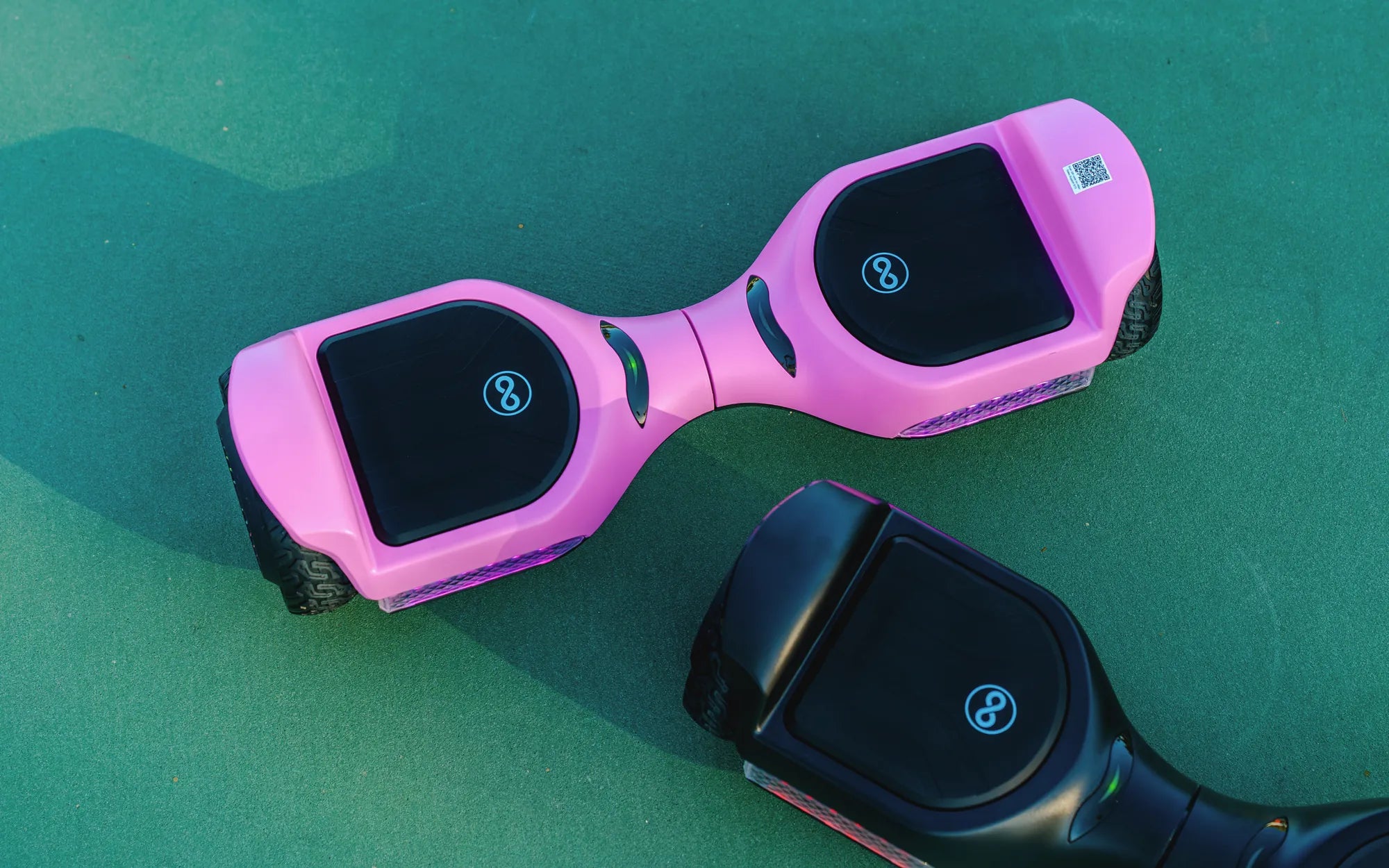
Introduction
Hoverboards have taken the world by storm, offering a fun and futuristic way to get around. But if you're new to this self-balancing scooter, you might be wondering: which way are you supposed to ride a hoverboard? The answer isn't as obvious as it seems, and getting it wrong could lead to accidents or discomfort. Whether you're a beginner or looking to refine your skills, this guide will walk you through everything you need to know.
Understanding the Basics of Hoverboard Riding
Before hopping on, it's essential to understand how a hoverboard works. These devices rely on gyroscopic sensors to detect your body movements. Lean forward to go forward, lean back to slow down or reverse, and shift your weight sideways to turn. But the first step is knowing which way to face when riding.
The Correct Stance
Most hoverboards are designed with a clear front and back, though they may look symmetrical. Here's how to identify the right direction:
- Footpad Design: The front footpad is often slightly wider or has a different texture.
- LED Lights: Many models have forward-facing lights to indicate the front.
- Button Placement: The power button is usually located at the back.
Why Riding Direction Matters
Riding a hoverboard the wrong way can affect your control and safety. Here's why:
- Balance Issues: The sensors are calibrated for forward motion, so facing backward can make balancing harder.
- Reduced Responsiveness: Turning and stopping may feel sluggish if you're not aligned correctly.
- Safety Risks: Misalignment increases the chance of falls or collisions.
Step-by-Step Guide to Riding Correctly
Now that you know why direction matters, here's how to ride a hoverboard the right way:
- Identify the Front: Check for LED lights, footpad design, or button placement.
- Mount Carefully: Step onto the hoverboard one foot at a time, keeping your weight centered.
- Start Slow: Lean slightly forward to move, and practice stopping before picking up speed.
- Practice Turns: Shift your weight gently to the left or right to steer.
Common Mistakes to Avoid
Even experienced riders can make errors. Watch out for these pitfalls:
- Facing Backward: This disrupts the hoverboard's sensor calibration.
- Leaning Too Far: Sudden movements can cause loss of balance.
- Ignoring Terrain: Rough surfaces require extra caution.
Advanced Tips for Better Control
Once you've mastered the basics, try these techniques for smoother rides:
- Bend Your Knees: This lowers your center of gravity for better stability.
- Use Your Arms: Extending them slightly helps with balance.
- Look Ahead: Focus on where you're going, not your feet.
Safety Gear and Precautions
No matter how skilled you are, safety should always come first:
- Wear a Helmet: Protects your head in case of falls.
- Use Knee and Elbow Pads: Reduces the risk of scrapes and bruises.
- Avoid Traffic: Stick to sidewalks or designated hoverboard areas.
Final Thoughts
Riding a hoverboard the right way isn't just about looking cool—it's about safety, control, and getting the most out of your device. By following these tips, you'll be gliding smoothly in no time. Ready to take your hoverboard skills to the next level? Start practicing today and enjoy the ride!
Hoverboard Won't Turn On: Troubleshooting and Fixes You Need to Know
Red Hoverboard for Kids: The Ultimate Guide to Fun and Safety