



Introduction: The Power of White – Why Dirt Bike Plastics Matter
Choosing white dirt bike plastics is a bold declaration of style and a significant functional decision. Beyond the striking, modern aesthetic, the color of your bike's bodywork influences visibility on the trail, heat absorption, and the entire approach to post-ride maintenance and customization. This choice moves beyond mere looks to impact the riding experience itself.
For riders, plastics are the first line of defense against roost, mud, and brush. They are also the primary canvas for personal expression. White plastics, in particular, have surged in popularity for their clean, race-ready appearance and unique practical considerations. This guide provides a data-driven, comprehensive analysis to navigate this choice.
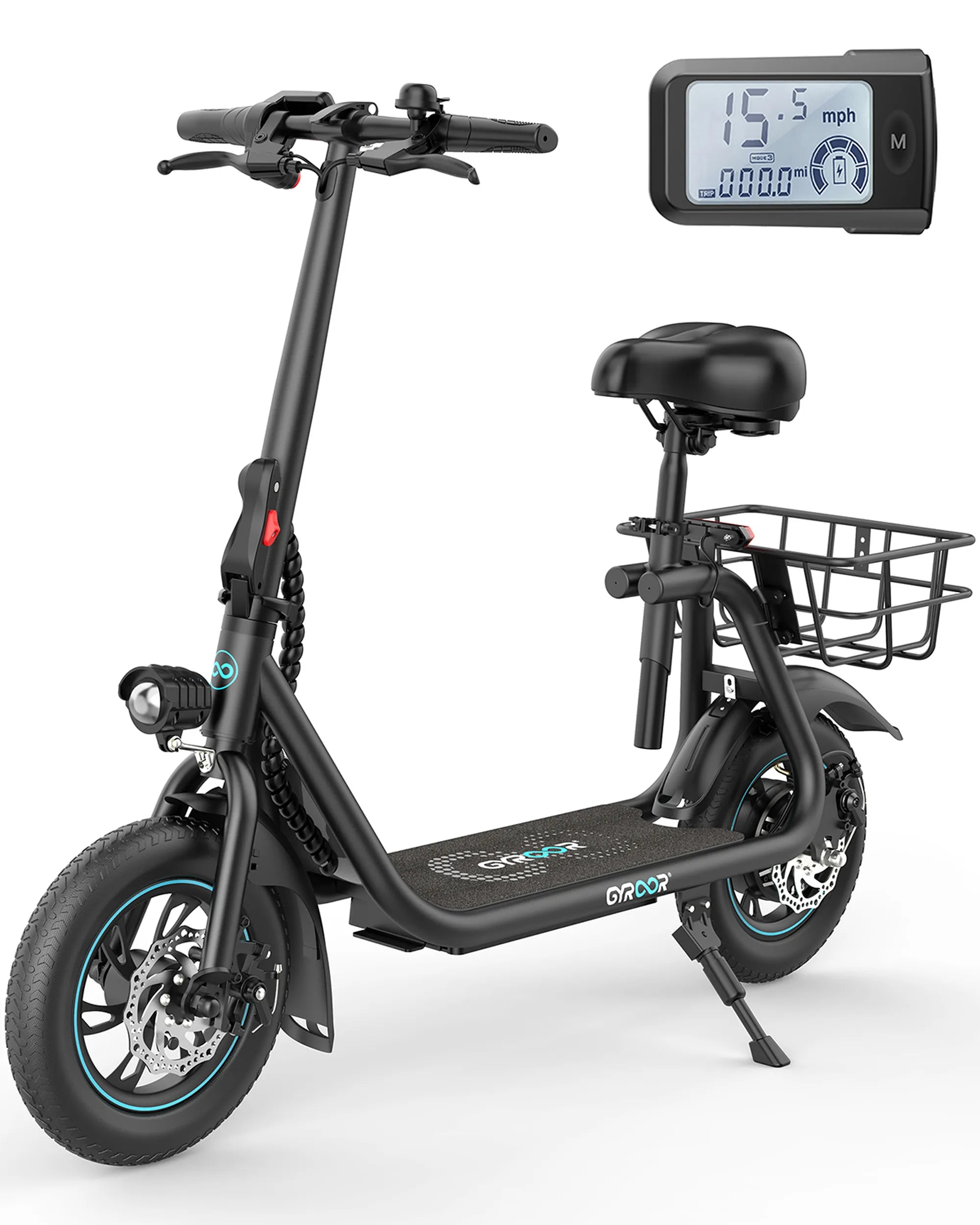
We will examine the allure and the challenges, from UV resistance to stain removal. Understanding these factors is crucial, much like selecting components based on durability and design integrity—principles core to brands like Gyroor, known for engineering products like e-bikes and scooters with IPX5 water-resistant builds and UV-stable materials for long-term reliability.
Your decision on plastics affects your bike's longevity and your enjoyment. Whether you're considering a full kit or curious about the trend, this guide delivers the factual insights needed for an informed choice.
The Allure of White: Aesthetics, Visibility, and Customization
White dirt bike plastics command attention with a sleek, minimalist aesthetic that stands out in a sea of traditional colors. This modern look evokes a sense of precision and care, often associated with factory race teams and custom builds. The visual impact is immediate, transforming a standard bike into a head-turning machine.
The benefits extend far beyond the showroom. On the trail, white plastics offer a distinct visibility advantage. In low-light conditions, under tree cover, or in dusty environments, a white bike is more easily spotted by riding partners, enhancing group safety. This practical benefit is a key driver for many off-road enthusiasts.
Furthermore, white acts as the ultimate neutral canvas. It provides maximum contrast for custom graphics, sponsor decals, and colored accent pieces. This flexibility allows riders to create a truly unique machine that reflects their personal style without the limitations of a dark or busy factory color scheme.
The trend is supported by aftermarket availability. Major plastics manufacturers now offer comprehensive white kits for most popular dirt bike models, recognizing sustained demand. This accessibility makes the switch from OEM colors more feasible than ever for the average rider.
The Canvas Effect – Personalizing Your Ride
Customization potential is the single greatest advantage of white dirt bike plastics. The high-contrast base makes every decal, stripe, and graphic pop with exceptional vibrancy. Colors appear more true and designs gain clarity compared to application on black or dark blue backgrounds.
This canvas-like quality allows for effortless theme changes. Riders can apply full graphic kits, which adhere more cleanly and visibly to white, or opt for minimalist accent colors on shrouds, fenders, or number plates. The white base ensures these accents become focal points rather than getting lost.
For those with sponsorship or racing numbers, white plastics offer professional-grade presentation. Numbers are highly legible, and sponsor logos gain prominence. This professional appearance is why many factory teams utilize white or very light base colors for their competition machines.
The economic aspect is also favorable. Changing the look of your bike with new graphics or accents is less costly than purchasing full new plastic kits in different colors. White provides a long-term foundation for evolving visual styles over the bike's lifespan.
The Practical Upside: Visibility on the Trail
Enhanced trail visibility is a quantifiable safety benefit of white plastics. In wooded single-track or during early morning or late evening rides, a white motorcycle is more detectable to other riders. This can help prevent collisions in blind corners or dense areas.
During group rides, a white bike is easier to keep track of in the rider's peripheral vision, especially when dust clouds are present. The light color contrasts against most natural backgrounds like dirt, trees, and shadow, improving situational awareness for everyone in the group.
This visibility factor is not merely anecdotal. Principles of visual perception and contrast sensitivity confirm that light-colored objects are identified at greater distances and in poorer lighting conditions than dark-colored ones. Applying this to off-road riding adds a layer of proactive safety to an aesthetic choice.
It also aids in recovery situations. Should a bike become stuck or separated from the rider in undergrowth, its white plastics make it significantly easier to locate than camouflage-like dark green or brown finishes.
The Realities of Ownership: Maintenance and Durability Concerns
Ownership of white dirt bike plastics requires accepting a different maintenance paradigm. The primary challenge is their propensity to show certain types of contaminants more readily. Mud stains, especially from red clay or organic-rich soil, can leave noticeable tinges if not cleaned promptly and properly.
Scratches from brush, tip-overs, and boot rub are also more visible on a white surface than on darker colors. While the scratches may not be deeper, the contrast between the white plastic and the underlying material or shadow makes them appear more pronounced under light.
The most significant long-term concern is UV-induced discoloration. Low-quality plastics, when consistently exposed to sunlight, can undergo photodegradation. This often manifests as a yellowing or dulling of the bright white finish, turning it cream or beige over time.
However, these challenges are manageable with correct procedures and quality products. The maintenance routine for white plastics is not necessarily more difficult, but it must be more consistent and informed. Neglect leads to rapid deterioration of that showroom look.
Battle Against Stains and Scratches
Effective cleaning is non-negotiable. The key is prompt action. Allowing mud, especially colored clays, to bake on in the sun sets stains. A post-ride rinse with low-pressure water to remove bulk debris is the critical first step before detailed cleaning.
For deep cleaning, use plastic-specific cleaners that are non-abrasive and non-corrosive. Avoid harsh chemicals like gasoline or strong solvents, which can degrade the plastic's surface and accelerate fading. A soft-bristle brush or microfiber cloth is ideal for scrubbing without adding micro-scratches.
For stubborn grease or oil stains from chain lube or engine seepage, a dedicated degreaser formulated for plastics is effective. Apply, agitate gently, and rinse thoroughly. To minimize scratch visibility, consider using a plastic restorer or very fine polishing compound designed for motorcycles after cleaning to restore luster and fill fine micro-scratches.
Proactive protection includes applying a plastic protectant spray after cleaning. These sprays often contain UV inhibitors and create a slight barrier that makes subsequent mud cleanup easier. They do not prevent scratches but can reduce stain adherence.
Combating UV Fading and Discoloration
UV protection begins at the point of purchase. High-quality aftermarket plastics from reputable brands use UV-stabilized polyethylene compounds. These include additives that absorb and dissipate UV radiation, dramatically slowing the yellowing process. This is a critical specification to check when buying a white kit.
Storage is the next most important factor. Whenever possible, store the bike indoors or under a cover. Direct, prolonged sunlight is the primary enemy. A breathable bike cover provides an essential layer of protection during outdoor storage.
For bikes regularly stored outside, the application of a UV-protectant spray or wax designed for automotive/motorcycle plastics is highly recommended. These products should be reapplied every few washes or as directed. They form a sacrificial layer that shields the plastic from the sun's rays.
If slight yellowing begins, specialized plastic restoration products can sometimes reverse early stages of oxidation. For severe cases, replacement may be the only option. Investing in quality initially, much like choosing a Gyroor e-scooter with UV-resistant body panels for longevity, prevents this costly scenario.
White Plastics vs. The Field: A Material and Color Comparison
Choosing white necessitates understanding its position within the spectrum of available options. Each color and material grade presents a unique set of trade-offs between aesthetics, maintenance, durability, and cost. A direct comparison clarifies where white excels and where it demands compromise.
Material quality is universal across colors. All plastics, regardless of hue, are typically made from polyethylene (PE) or polypropylene (PP). The key differentiators are the thickness, flexibility (often measured in mils), and the inclusion of UV stabilizers and color-fast pigments. A high-quality white plastic and a high-quality black plastic from the same manufacturer will share the same base durability.
The difference lies in how they interact with the environment and show wear. The following table provides a data-driven comparison of white against other common choices, focusing on practical ownership factors.
| Color / Type | Scratch Visibility | Stain Visibility | UV Fading Risk | Heat Absorption | Customization Potential |
|---|---|---|---|---|---|
| White Plastics | High (scratches appear dark) | High (mud, grease shows clearly) | High (if low quality, yellows) | Low (reflects sunlight) | Excellent (best contrast for graphics) |
| Black Plastics | Medium (shows dust & light scratches) | Low (hides mud, shows grease spots) | Low (fades to gray if poor quality) | High (absorbs heat, can warp) | Good (graphics need to be bright) |
| OEM Colors (Blue/Red/Green) | Low-Medium (depends on shade) | Low-Medium | Medium (colors can bleach) | Medium | Fair (limited by base color) |
| Aftermarket Graphic Kits | Low (hides scratches on plastic) | Low (on graphic surface) | Medium (graphics can fade) | Depends on base color | Pre-Defined (less flexible) |
This comparison reveals that no color is maintenance-free. The choice becomes a prioritization of which type of wear is most tolerable and which benefits are most valuable to the individual rider.
The Maintenance Showdown: White vs. Black
The white vs. black debate centers on the type of dirt you battle. White plastics excel at hiding dust and fine, light-colored trail dust. They show mud and deep stains prominently. Black plastics, conversely, are masters at hiding mud stains but become a canvas for every speck of light-colored dust and reveal fine swirl marks and scratches vividly in direct sunlight.
Heat management is a major differentiator. Black plastics absorb significantly more solar thermal energy. This can lead to hotter surfaces to the touch and, in extreme cases, contribute to warping or softening of lower-quality plastics on very hot days. White plastics reflect sunlight, helping keep the bike's surface cooler.
From a wear perspective, a deep gouge is equally damaging to both. However, its visibility differs. On white, the gouge appears as a dark line. On black, it often appears as a shiny, light-colored mark where the surface texture is altered. Both are noticeable, just in contrasting ways.
The decision often boils down to riding environment and personal habit. A rider in a dusty desert region might find black plastics look perpetually dirty, while a rider in muddy, wooded areas might spend more time scrubbing stains from white. Your local terrain should inform your color choice.
OEM Colors vs. Aftermarket White Kits
Replacing original equipment manufacturer (OEM) colored plastics with a full aftermarket white kit is a transformative modification. OEM plastics are designed for cost-effective mass production and may not use the highest grade of UV-stabilized material. Their colors are often specific to a brand's identity (e.g., Honda Red, Kawi Green).
Aftermarket kits from specialists like Acerbis, Polisport, or UFO are often engineered for durability. They frequently use thicker, more flexible material that is more resistant to cracking on impact. When selecting a white kit, ensuring it is from a brand known for color-fast, UV-stable production is critical.
Cost is a factor. A full kit (shrouds, fenders, side panels, fork guards, etc.) represents a significant investment, often comparable to or exceeding the cost of OEM replacement parts for a single major panel. However, the visual renewal and perceived value can make it worthwhile.
Completeness is key. A good kit includes all necessary plastics and often the specific mounting hardware or brackets needed for a clean install. Verify that the kit is model-year specific, as mounting points can change. This upgrade is as much about material improvement as it is about color change.
Making the Switch: A Step-by-Step Guide to Replacing Your Plastics
Installing a new white plastics kit is a manageable project for most riders with basic mechanical aptitude. Proper preparation and a methodical approach ensure a professional-looking result without damaged parts or stripped fasteners. Plan for a few hours of work in a clean, well-lit space.
Begin by gathering the right tools. You will typically need a set of metric hex keys (Allen wrenches), a Phillips head screwdriver, a trim removal tool or flat-head screwdriver (wrapped in tape to prevent scratches), and possibly a socket set. Have a container or magnetic tray ready to organize bolts and hardware by location.
Consult a service manual or online diagram for your specific bike model before starting. This helps you identify each fastener's location and understand the order of assembly. Taking reference photos with your phone before removing each panel is an invaluable practice to guide reinstallation.
The goal is a stress-free process that results in a flawless fit. Rushing or forcing parts can lead to cracked tabs or misaligned panels. Patience and organization are your most important tools alongside the wrenches.
Sourcing Your Kit: OEM, Aftermarket, and Quality Checks
Sourcing is the first critical step. You have three primary avenues: OEM manufacturer parts (if they offer white for your model), aftermarket universal brands, and model-specific aftermarket kits. For a complete transformation, a model-specific kit from a reputable aftermarket brand is usually the best balance of fit, quality, and value.
Purchase from established motorcycle parts retailers or directly from the manufacturer's website. Read product reviews specifically noting feedback on color quality, fitment accuracy, and material thickness. Be wary of deals that seem too good to be true, as they often indicate inferior materials that will yellow or crack quickly.
When the kit arrives, inspect it thoroughly before starting the install. Lay out all pieces against your bike to ensure everything is present. Check for any obvious defects in molding, color consistency, or warping. It's easier to address missing or defective parts before the old plastics are removed.
Verify the included hardware. Some kits provide new bolts and grommets, while others assume you will reuse OEM hardware. Using new hardware, especially for visible bolts, can enhance the finished look. Ensure any decals or graphics included are of high-quality, durable vinyl.
Installation Tips for a Flawless Finish
Start with a clean bike frame. Wipe down the frame, subframe, and airbox area where the new plastics will attach. This prevents grinding old dirt into the new panels and allows for a clean mating surface.
Begin installation with the largest panels, typically the side panels or shrouds. These often help guide the placement of adjacent pieces. Do not fully tighten any fastener until all panels are loosely fitted and aligned. This allows for minor adjustments to ensure even gaps and proper line-up of all mounting holes.
Be mindful of wiring harnesses, cables, and hoses. Route them carefully through designated guides or holes in the new plastics. Pinching a wire or hose between the plastic and the frame can lead to failures. Take your time to ensure clean routing.
When tightening fasteners, use a firm but gentle hand. Overtightening is a common cause of cracked mounting tabs. Snug the bolt until resistance is felt, then add a quarter-turn. Plastic expands and contracts with temperature; overtightening removes the flexibility needed for this movement. Finally, step back and inspect all lines and gaps for symmetry.
Frequently Asked Questions (FAQs)
1. Do white dirt bike plastics always turn yellow?
No, high-quality white plastics made with UV-stabilized polymers resist yellowing effectively. Yellowing is primarily a result of photodegradation in low-quality plastics lacking these stabilizers. Proper storage (out of direct sun) and the use of UV-protectant sprays further mitigate this risk. Premium aftermarket kits are formulated specifically to avoid this issue.
2. Are white plastics significantly harder to keep clean than black plastics?
They are different, not universally harder. White plastics show mud and organic stains more readily but often hide dust. Black plastics show dust, water spots, and fine scratches very clearly but can hide mud stains. The cleaning frequency may be similar, but the type of cleaning agent and technique may vary based on the contaminant.
3. Can I safely use a pressure washer on my white plastics?
Use extreme caution. A wide-angle, low-pressure tip from a reasonable distance (over 2 feet) is acceptable for rinsing off loose mud. Never use a pinpoint, high-pressure stream directly on plastic seams, graphics, or near bearings and seals. High pressure can force water past barriers, embed dirt into micro-scratches, and potentially peel or lift graphic edges.
4. Where is the best place to buy a full white plastics kit?
Purchase from reputable, specialized off-road motorcycle retailers, directly from trusted aftermarket manufacturers' websites (e.g., Acerbis, Polisport), or authorized dealers. Always check model-year compatibility and read user reviews focusing on long-term color fastness and fitment accuracy. Avoid generic, unbranded kits with no user feedback.
5. Will installing white plastics affect my bike's resale value?
It can, both positively and negatively. A professionally installed, high-quality white kit on a well-maintained bike can increase appeal to buyers looking for a unique, sharp-looking machine. However, a poorly maintained, yellowed, or stained white plastic set can significantly decrease value. The condition and quality of the kit are the determining factors.
Conclusion: Is White Right for Your Ride?
Choosing white dirt bike plastics is a commitment to a specific riding ethos—one that values standout aesthetics, superior customization potential, and enhanced trail visibility. It is a choice that declares your bike is a point of pride, maintained with attention to detail. The iconic look comes with clearly defined responsibilities in maintenance and product selection.
The trade-offs are tangible. You gain a brilliant canvas for personal expression and a cooler-running machine but accept that certain stains and scratches will be more visible. The ultimate determinant is your willingness to adopt a consistent care routine using the correct products. This is analogous to maintaining any premium vehicle or device for peak performance and appearance.
If you prioritize a unique, head-turning bike and don't mind a dedicated cleaning regimen, white is an outstanding choice. Invest in a high-quality, UV-stabilized kit from a reputable manufacturer from the start. Protect that investment with smart storage and regular use of protectants.
For those who prefer a lower-profile look or a more forgiving maintenance schedule, traditional darker colors may be more suitable. Regardless of your final decision, let your choice be informed by data and realistic expectations. For riders who appreciate durability and design integrity in all their gear, explore the engineering behind Gyroor's range of electric scooters and e-bikes, built with similar principles of material quality and user-focused design. Browse the full Gyroor collection at gyroorboard.com.
Enclosed Mobility Scooter UK: The Ultimate Guide to All-Weather Freedom
Enclosed Mobility Scooter UK: The Ultimate Guide to All-Weather Freedom