

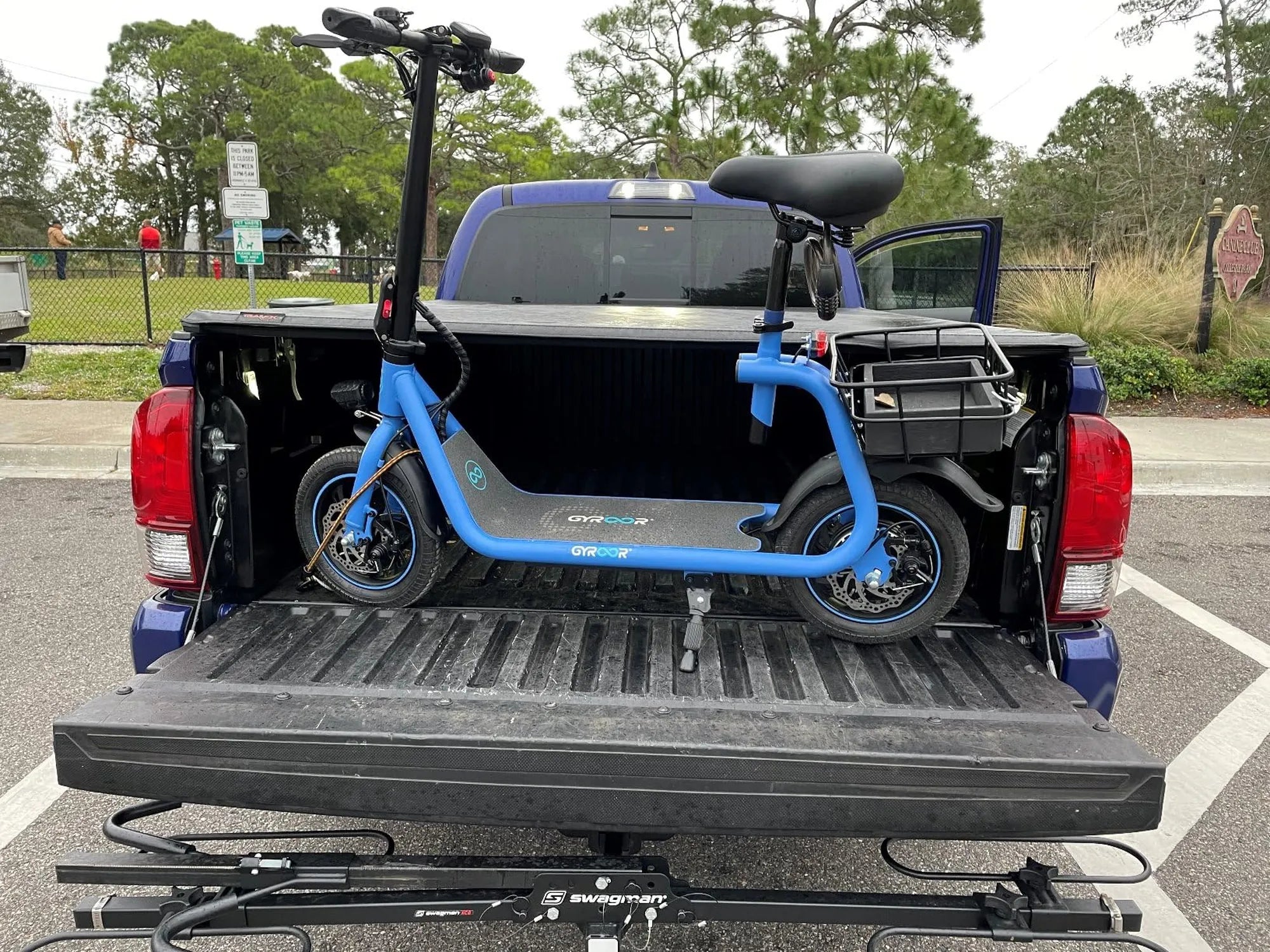
From bustling city streets to quiet suburban neighborhoods, scooters have become a ubiquitous sight. But have you ever wondered who invented the scooter and how it evolved into the sleek, efficient machine we know today? The story is far more fascinating than you might expect, filled with innovation, competition, and a touch of serendipity.
The Early Days of Scooter Innovation
The concept of a two-wheeled, step-through vehicle dates back centuries, but the first recognizable scooter emerged in the early 20th century. In 1915, a young inventor named Arthur Hugo Cecil Gibson patented a design for a motorized scooter, though it never went into mass production. Around the same time, other inventors were experimenting with similar ideas, blending bicycle mechanics with small engines to create a new form of personal transportation.
The Post-War Scooter Boom
After World War II, scooters gained immense popularity as an affordable and practical solution for urban mobility. The devastated economies of Europe needed cheap transportation, and the scooter fit the bill perfectly. Inventors and engineers refined earlier designs, introducing features like enclosed engines, streamlined bodies, and improved suspension. This era saw the rise of iconic models that would define the scooter for decades to come.
Key Figures in Scooter Development
While no single person can claim sole credit for inventing the scooter, several visionaries played pivotal roles. Corradino D'Ascanio, an Italian engineer, is often credited with designing one of the first mass-produced scooters in the late 1940s. His innovative approach included a step-through frame and a rear-mounted engine, which became standard features. Meanwhile, in Germany, other engineers were developing their own versions, leading to a friendly rivalry that drove further innovation.
The Evolution of Scooter Technology
Over the decades, scooters have undergone remarkable transformations. Early models were simple and utilitarian, but modern scooters boast advanced features like electric motors, digital displays, and smart connectivity. The shift toward eco-friendly transportation has also spurred innovation, with electric scooters becoming increasingly popular in urban areas worldwide.
The Cultural Impact of Scooters
Scooters aren't just practical—they're cultural icons. From Hollywood films to fashion trends, they've left an indelible mark on society. In many cities, scooters symbolize freedom, youth, and a carefree lifestyle. They've also become a canvas for self-expression, with riders customizing their machines to reflect their personalities.
The Future of Scooters
As cities grow denser and environmental concerns mount, scooters are poised to play an even bigger role in urban transportation. Innovations like shared scooter programs and autonomous riding technology hint at an exciting future. The humble scooter, born from the ingenuity of early 20th-century inventors, continues to evolve and adapt to the needs of modern society.
Whether you're a daily commuter or just curious about transportation history, the story of who invented the scooter is a testament to human creativity. From its humble beginnings to its high-tech future, the scooter remains one of the most enduring and beloved inventions of the modern era. Next time you see one zipping down the street, take a moment to appreciate the century of innovation that made it possible.
Lightweight Folding Scooter: The Ultimate Urban Commuting Companion
Moped Scooter for Adults Street Legal: The Ultimate Urban Commuter Guide