



The Electric Scooter Revolution is for Everyone
The global electric scooter market is projected to exceed $50 billion by 2030, a growth driven by far more than a single demographic. The question of who uses electric scooters reveals a fundamental shift in urban and suburban mobility. This trend is powered by a diverse coalition of riders seeking practical solutions to daily transportation challenges.
Gone is the image of the e-scooter as a novelty for the young. Today, adoption spans ages, professions, and lifestyles, united by common needs: efficiency, economy, and accessibility. From city streets to college campuses, electric scooters are providing a legitimate alternative for short trips. Brands like Gyroor, trusted by over 100,000 riders, have responded by engineering models that prioritize the safety and reliability this broad audience demands, featuring UL-certified batteries and robust IPX5 water-resistant designs.
This article will dissect the key rider profiles fueling this revolution. We will examine the data behind their choices, compare the ideal scooter features for different use cases, and address the most common questions from new riders. The narrative of who uses electric scooters is ultimately a story of pragmatic innovation meeting universal needs.
The Urban Commuter: Mastering the First and Last Mile
For city dwellers, the daily commute is often a frustrating puzzle of traffic, crowded transit, and expensive parking. The urban commuter represents the largest segment answering the question of who uses electric scooters. They utilize e-scooters to solve the "first and last mile" problem—bridging the gap between home, transit hubs, and the final destination.
The appeal is rooted in undeniable practicality. An electric scooter transforms a 25-minute walk into a swift 8-minute glide, easily navigating gridlocked streets. It eliminates wait times for buses or rideshares and bypasses the search for costly parking spaces. For the urban commuter, time is a currency, and the e-scooter is a high-yield investment.
Reliability is non-negotiable for this daily use case. Commuters need a scooter that can handle potholes, morning dew, and the wear of constant folding and unfolding. This is where engineering standards matter. A scooter with an IPX5 water-resistance rating, like many in Gyroor's lineup, ensures light rain won't end the ride, while UL-certified battery packs provide peace of mind during all-day charging in an office or apartment.
The urban commuter's choice is a calculated one. It balances portability for carrying onto trains with sufficient motor power for city hills, and enough range for a round trip with a safety margin. The growth of this rider group directly correlates with the availability of models that meet these rigorous, everyday demands.
The Data-Driven Commuter: A Cost and Time Analysis
To understand the commuter's rationale, concrete data is essential. The decision to adopt an e-scooter is often backed by a simple comparative analysis of cost and time, revealing significant advantages over traditional transport.
Financially, the savings are stark when compared to car ownership for short urban trips. The American Automobile Association estimates the average cost of owning and operating a new vehicle is over $0.70 per mile when factoring in fuel, maintenance, insurance, and depreciation. An electric scooter, by contrast, costs pennies per mile—essentially the electricity to charge it, amounting to roughly $0.01-$0.03 per mile.
When compared to public transit, the economics shift to time savings and flexibility. While a monthly transit pass may cost $70-$150, an e-scooter eliminates schedule dependence and often provides a door-to-door trip faster than a combined walk-and-ride journey. The table below illustrates a typical scenario for a 3-mile urban commute.
| Transport Mode | Avg. Time (3 Miles) | Estimated Cost (One-Way) | Key Pain Points |
|---|---|---|---|
| Personal Car | 15-25 min | $2.10+ (fuel, parking, deprec.) | Traffic, Parking Cost & Search |
| Rideshare/Taxi | 15-20 min | $10-$18 | Surge Pricing, Availability |
| Public Transit + Walk | 30-40 min | $2.50 (fare) | Wait Times, Fixed Routes, Crowding |
| Electric Scooter | 12-18 min | ~$0.05 (electricity) | Weather, Infrastructure |
This data clarifies why who uses electric scooters includes so many pragmatic adults. The annual savings can reach thousands of dollars versus car use for short trips, while reclaiming hundreds of hours otherwise lost to traffic or transit waits. The payback period on a quality scooter investment is often just a few months.
The Student and Campus Cruiser: Redefining Campus Mobility
University campuses are microcosms of urban transportation challenges, making them a natural habitat for electric scooters. The student rider is a major force in the trend, using e-scooters to navigate sprawling quads, hectic class schedules, and limited parking.
For students, an electric scooter is a productivity tool. It turns a 20-minute trek across campus into a 7-minute ride, allowing for back-to-back classes in distant buildings or a quick trip to the library or dining hall. The portability is key—most scooters fold compactly to be carried into lectures or stored in a dorm room, eliminating the risk of theft associated with bicycles.
Affordability is paramount. With tight budgets, students calculate the cost against alternatives like a parking permit (which can exceed $500/year at some universities), bus passes, or rideshares. The one-time investment in a scooter, especially from brands offering strong value and a reliable 1-year warranty like Gyroor, proves economical over an academic year.
This demographic prioritizes lightweight design, easy folding mechanisms, and sufficient range for multiple daily trips. The social and recreational aspect is also significant; group rides and exploring off-campus areas become easy and fun. The student adoption curve demonstrates how e-scooters solve specific, high-frequency mobility needs in a constrained environment.
The Eco-Conscious Rider and Leisure Explorer
Beyond pure utility, a significant segment of e-scooter users is motivated by environmental values and lifestyle enhancement. The eco-conscious rider chooses micromobility as a tangible way to reduce their carbon footprint, while the leisure explorer embraces the scooter for fun and convenience.
For the environmentally minded, electric scooters represent a zero-direct-emission alternative for short trips that might otherwise be taken by car. Replacing just a few car miles per week can reduce an individual's transportation carbon output meaningfully. This rider is often well-informed about battery lifecycle and seeks brands committed to responsible manufacturing and safety, such as those using UL-certified packs tested for 500+ cycles.
The leisure explorer uses the scooter for weekend adventures, errands around town, and exploring neighborhoods or paved trails. It’s about rediscovering local communities at a perfect pace—faster than walking, more engaging than driving. Families are also part of this group, with parents using scooters for quick trips to the grocery store or to accompany children biking in the park.
This dual profile—eco-conscious and exploratory—highlights the scooter's role in promoting a healthier, more engaged lifestyle. It’s not just about getting from A to B; it’s about enjoying the journey and making choices aligned with personal values. The growth here shows that who uses electric scooters includes those seeking both sustainability and simple joy.
The Practical Professional: Tools for the Gig Economy and Beyond
Electric scooters have evolved into serious tools for productivity, serving professionals in ways that extend far beyond the standard commute. This segment includes gig economy workers, tradespeople, and corporate employees who leverage scooters for efficient, cost-effective mobility within their workday.
Delivery couriers for food and parcel services are prime adopters. In dense urban cores, an e-scooter provides unparalleled agility to weave through traffic, access pedestrian zones, and complete more deliveries per hour compared to a car or bicycle. The low operating cost directly translates to higher earnings. Durability and water resistance (IPX5 or higher) are critical for these all-weather, high-mileage users.
Similarly, realtors, facility managers, and security personnel use e-scooters for quick site-to-site movement within large complexes, business parks, or between nearby properties. It projects a modern image while saving considerable time. Tradespeople, such as electricians or IT technicians working in downtown areas, use scooters to carry tools between nearby appointments, avoiding parking fines and delays.
For these professionals, the scooter is a capital asset. Features like reliable motor torque for carrying light loads, robust suspension for curb drops, and secure locking points are valued. The 1-year comprehensive warranty offered by leading brands provides essential protection for this business-critical equipment, ensuring uptime and a clear cost of ownership.
Families and Suburban Adopters: The Neighborhood Solution
The adoption of electric scooters is rapidly expanding beyond dense urban cores into suburbs and family-centric communities. Here, the use case shifts from replacing a car commute to augmenting the household's transportation options for countless short, local trips.
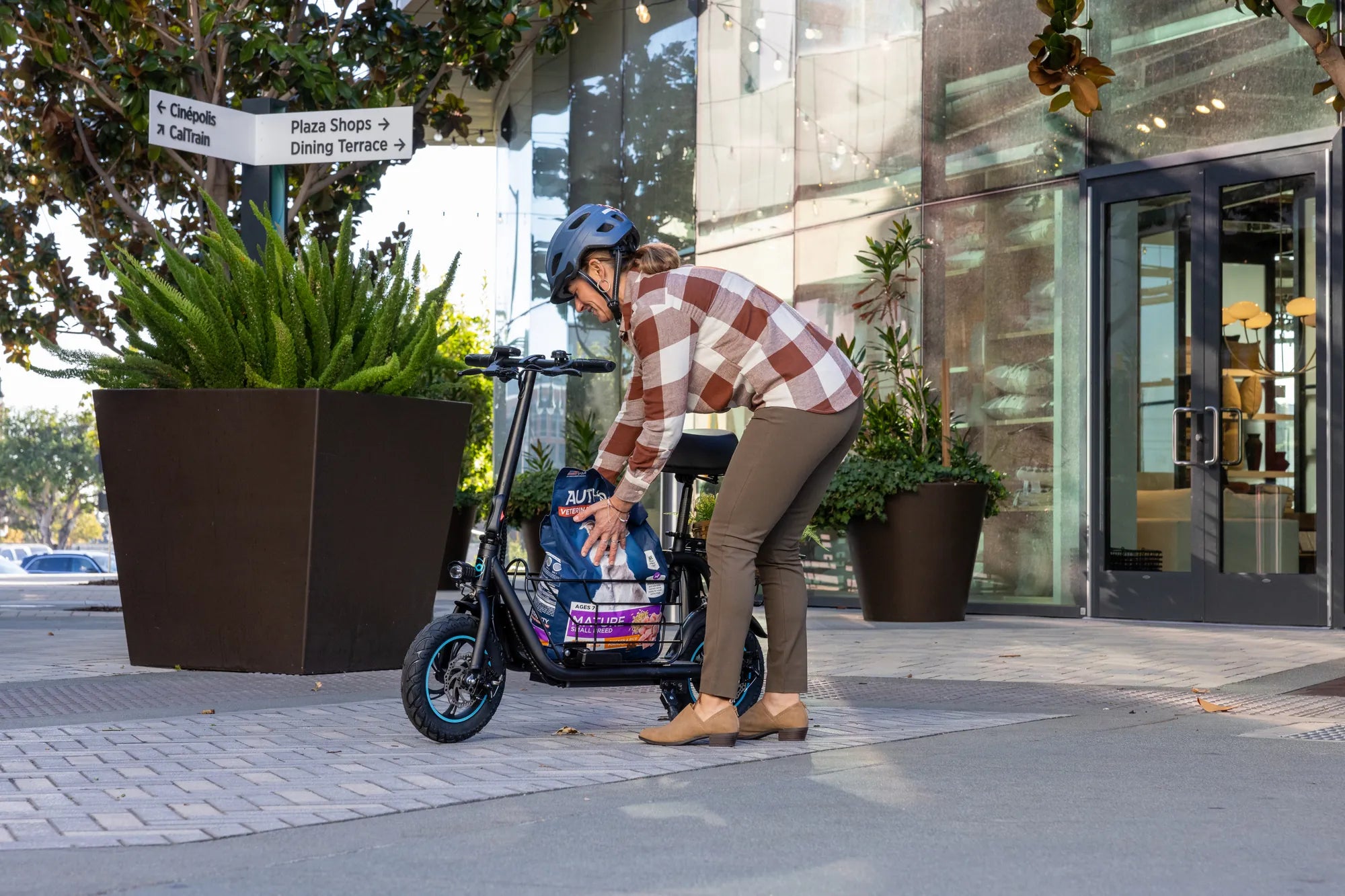
For families, an e-scooter is perfect for quick errands: picking up a forgotten ingredient from the grocery store, dropping off a package at the post office, or commuting to a nearby sports practice. It avoids the hassle of taking the car out of the garage for a half-mile trip. Parents often start with one scooter, and soon find themselves acquiring a second for a spouse or a responsible teen, fostering independence and reducing "mom's taxi" duties.
Suburban riders prioritize different features. Range becomes more important due to less dense destination points, and comfort features like larger decks, wider tires, and enhanced suspension gain value for longer neighborhood rides. Safety is paramount, leading parents to choose models with bright front and rear lights, reliable electronic and mechanical brakes, and a stable riding profile for younger riders.
This demographic's growth signals the mainstreaming of e-scooters. They are no longer seen as purely urban gadgets but as practical household tools, similar to a bicycle. The emphasis for these users is on safety certifications, build quality for lasting multiple seasons, and brands with strong customer support, making the investment sensible for the long term.
Choosing the Right Scooter: A Feature Comparison for Different Riders
Understanding who uses electric scooters is only half the story; matching the rider to the right machine is crucial. Key specifications serve different priorities. The following comparison highlights how primary needs translate into feature emphasis.
| Rider Profile | Priority Features | Recommended Spec Focus | Gyroor Model Example |
|---|---|---|---|
| Urban Commuter | Portability, Reliability, Weather Resistance | Weight (under 35 lbs), IPX5 Rating, UL-Certified Battery, Folding Mechanism | Gyroor F1 Pro: Lightweight, IPX5, optimized for daily carry. |
| Student/Campus | Affordability, Portability, Simple Maintenance | Price, Weight, Solid Tires (for puncture resistance), Warranty Length | Gyroor S1: Value-focused, low-maintenance, reliable for campus life. |
| Leisure Explorer | Comfort, Range, Enjoyment | Long Range (18+ mi), Suspension, Deck Size, Riding Modes | Gyroor H30: Extended range, dual suspension for smooth trails. |
| Practical Professional | Durability, Power, Uptime | Motor Power (350W+), Build Quality, Warranty & Support, Load Capacity | Gyroor F2: Powerful motor, robust frame, built for daily demanding use. |
| Suburban/Family | Safety, Stability, Ease of Use | Wide Tires, Dual Braking, Bright Lights, Intuitive Controls | Gyroor S3: Stable 10-inch tires, comprehensive lighting, family-friendly design. |
This framework helps potential buyers cut through specifications. A student doesn't need a 40-mile range scooter with off-road tires, just as a suburban parent might prioritize stability over extreme portability. Aligning use case with core features ensures satisfaction and value.
Addressing Common Questions (FAQ)
Q1: Are electric scooters safe for daily use?
A: When used responsibly with proper safety gear, modern e-scooters from reputable brands are designed for safe daily use. Key safety features include reliable braking systems (disc and electronic), front and rear lights, reflectors, and stable frame geometry. The most critical safety component is the battery. Always choose scooters with UL-certified battery packs, which have undergone rigorous testing for fire and electrical safety. Rider responsibility—wearing a helmet, following traffic laws, and avoiding sidewalks—is equally important.
Q2: What is the real-world range of an electric scooter?
A: Manufacturer range estimates are typically based on ideal conditions: a light rider on flat ground at low speed. Real-world range is affected by rider weight, hills, wind, temperature, and riding style (frequent acceleration). As a rule, expect 70-80% of the advertised range. For a reliable 10-mile commute, choose a scooter with a 15+ mile advertised range. Battery quality matters; UL-certified lithium-ion packs maintain their capacity better over hundreds of charge cycles.
Q3: What maintenance does an electric scooter require?
A> E-scooters are relatively low-maintenance but require regular checks. Key tasks include: maintaining proper tire pressure (for pneumatic tires), periodically checking and tightening bolts, ensuring brakes are adjusted and responsive, and keeping the scooter clean, especially the braking surfaces. For the battery, avoid letting it fully discharge for long periods and store it in a cool, dry place. A brand offering a clear 1-year warranty on the vehicle and battery, like Gyroor, provides backup for any unforeseen issues.
Q4: Can I ride an electric scooter in the rain?
A: It depends on the scooter's ingress protection (IP) rating. An IPX5 rating, common on many commuter-focused models, means it can withstand water jets from any direction, making it safe for light rain and wet roads. However, no consumer scooter is fully waterproof or submersible. Avoid heavy downpours, deep puddles, and always dry the scooter after a wet ride. Riding in wet conditions requires extra caution due to reduced traction.
Q5: What should I look for in a first electric scooter?
A: For a first scooter, prioritize safety, reliability, and matching the scooter to your primary use case. Essential checklist: 1) Certifications: UL-certified battery is non-negotiable for safety. 2) Warranty: A comprehensive 1-year warranty protects your investment. 3) Key Specs: Ensure the range meets your daily needs, the motor power handles your local terrain, and the weight is manageable for your lifestyle. 4) Brand Reputation: Choose a brand with proven customer support and positive user reviews. Avoid unknown brands with unrealistic specifications at low prices.
Joining the Diverse Community on the Move
The landscape of who uses electric scooters is remarkably varied, yet universally pragmatic. From the data-driven commuter saving time and money to the student gliding across campus, from the eco-conscious family running errands to the professional optimizing their workday, the e-scooter has proven its versatility. This trend is not a passing fad but a rational response to the inefficiencies of traditional transport for short-distance travel.
The common thread is the pursuit of a smarter, more efficient way to move. The adoption criteria—safety, reliability, cost-effectiveness, and enjoyment—are consistent across demographics. This has pushed the industry toward higher standards, with leading brands emphasizing certified battery safety, durable water-resistant construction, and strong warranties that support all types of riders.
As infrastructure continues to adapt with more bike lanes and clearer regulations, the community of e-scooter riders will only grow more diverse. The question is no longer who uses them, but who hasn't yet discovered their utility. Whether your need is economic, environmental, or purely for the joy of a breeze on your face, there is a scooter and a community ready for you.
Explore scooters engineered for the real world, where safety and reliability are built into every model. Browse the full Gyroor collection, featuring UL-certified batteries, IPX5 water-resistant designs, and a reliable 1-year warranty, at gyroorboard.com.
Future of Electric Scooters: What Lies Ahead for Urban Mobility
Ride Electric - E-Scooters & E-Bikes Australia: The Future of Urban Mobility