


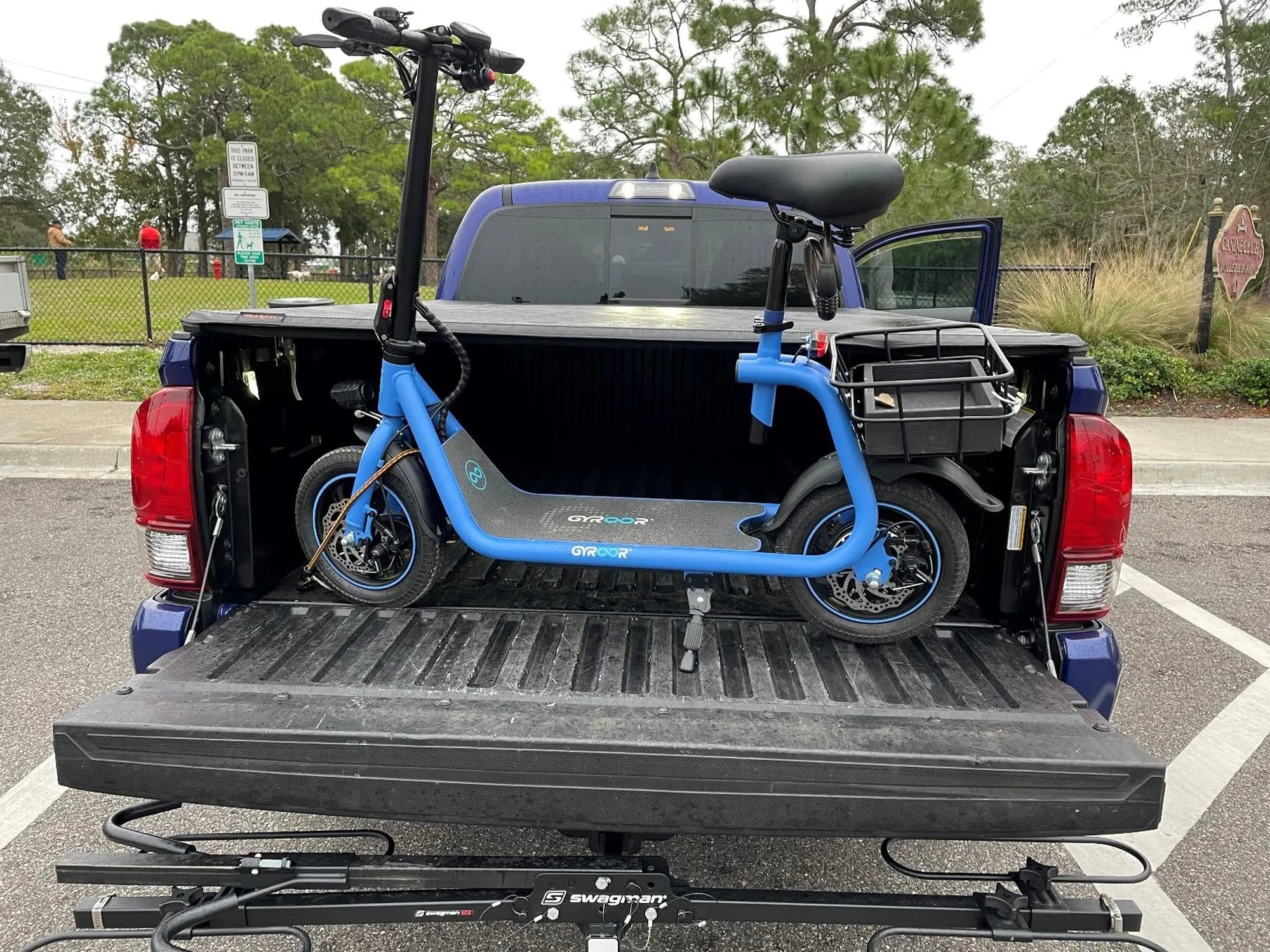
Electric scooters have taken the world by storm, offering a convenient and eco-friendly way to navigate busy city streets. But despite their growing popularity, many cities have chosen to ban them outright. Why are electric scooters banned in so many places? The answer lies in a mix of safety concerns, regulatory hurdles, and public backlash. Let’s dive into the reasons behind these bans and what they mean for the future of urban transportation.
Safety Concerns: A Major Factor in Electric Scooter Bans
One of the primary reasons electric scooters face bans is safety. Accidents involving e-scooters have skyrocketed in recent years, with riders and pedestrians alike suffering injuries. Many cities lack the infrastructure to safely accommodate scooters, leading to collisions with cars, bikes, and pedestrians. Without dedicated lanes or clear rules, scooters often end up on sidewalks or roads, creating chaos.
Lack of Regulation and Enforcement
Another critical issue is the lack of consistent regulations. Electric scooters appeared so quickly that many cities weren’t prepared to handle them. Some places have no laws governing where scooters can ride, how fast they can go, or whether helmets are required. This regulatory vacuum has led to confusion and frustration, prompting officials to impose bans until proper rules can be established.
Public Nuisance and Clutter
Dockless electric scooters have become a symbol of urban clutter. Riders often abandon them on sidewalks, blocking pathways for pedestrians and creating hazards for people with disabilities. The sheer number of scooters in some cities has led to complaints about visual pollution and reduced accessibility, fueling calls for bans.
Insurance and Liability Issues
Who’s responsible when an electric scooter accident occurs? This question has plagued cities and scooter companies alike. Without clear liability laws, injured parties often face lengthy legal battles. Some municipalities have banned scooters outright to avoid the legal and financial headaches associated with accidents.
The Future of Electric Scooters in Urban Mobility
Despite the bans, electric scooters aren’t going away anytime soon. Many cities are working on solutions, such as designated scooter lanes, speed limits, and parking zones. The key to their long-term success lies in balancing innovation with safety and regulation. For now, the debate over why electric scooters are banned continues—but with smarter policies, they could still become a staple of modern transportation.
Love them or hate them, electric scooters have sparked a global conversation about how we move through cities. Whether they’ll overcome their current challenges remains to be seen, but one thing is clear: the way we regulate them today will shape the future of urban mobility.
Kick Scooters vs Electric Scooters: Which One is Right for Your Commute?
Simple Energy Electric Scooters in India: The Future of Urban Mobility