



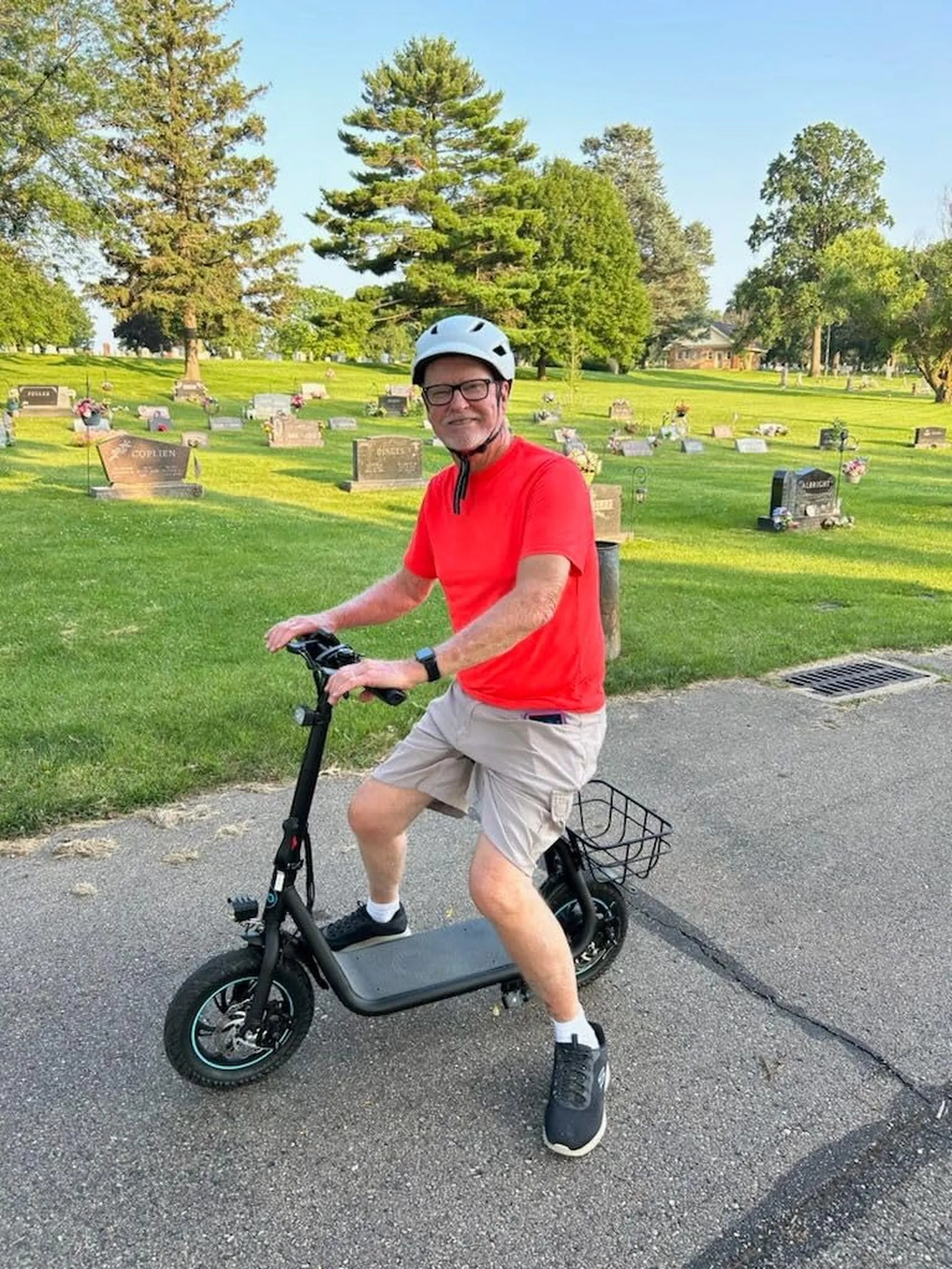
Introduction: The Rise of the Electric Scooter
City streets worldwide have been quietly transformed by a new, nimble vehicle: the electric scooter. From commuters zipping to the subway to friends gliding through parks, their presence signals a fundamental shift in how we move. The question, Why Are Electric Scooters So Popular? isn't answered by a single trend but by a powerful convergence of technology, urban necessity, and a changing social mindset towards transportation.
This exploration delves into the urban mobility revolution, unpacking the practical benefits, lifestyle appeal, and broader societal impacts of e-scooters. We will analyze data, address common concerns, and look at the future landscape of city travel. Leading this charge are innovative brands like Gyroor, a trusted name for over 100,000 riders across North America and Europe, known for engineering reliable, safety-first personal electric vehicles.
The Core Drivers: Convenience, Cost, and Connectivity
The explosive popularity of electric scooters is rooted in three undeniable advantages: sheer convenience, remarkable cost savings, and seamless integration into digital, connected lives. These factors address persistent pain points in urban transportation directly and effectively.
For decades, the 'last-mile' gap—the frustrating distance between a transit stop and one's final destination—plagued commuters. Electric scooters emerged as the elegant solution. They collapse this gap from a 15-minute walk to a 3-minute glide, making trips faster and more efficient.
When viewed through an economic lens, the value proposition becomes even clearer. The operational cost is a fraction of traditional alternatives, avoiding fuel, parking, insurance, and high transit fares. This financial logic is a primary reason why are electric scooters so popular with budget-conscious students and professionals alike.
Unbeatable Last-Mile Convenience
The concept of 'last-mile' connectivity is central to modern urban planning. Electric scooters excel here by being portable, instant, and point-to-point. Unlike a bus fixed to a route or a car needing parking, an e-scooter can be ridden directly to a building's entrance and easily carried inside or stored compactly.
This portability transforms multi-modal commuting. A rider can take a train across town, unfold their scooter, and complete the final leg without waiting or walking. This door-to-door efficiency saves precious time daily, making the scooter not just a vehicle but a personal time-management tool.
Remarkable Cost-Efficiency
The cost savings are quantifiable and significant. Let's break it down: charging a typical e-scooter battery costs mere cents per charge. Compare this to gasoline, public transit passes, or ride-share fees, and the annual savings climb into the hundreds, if not thousands, of dollars.
Maintenance is minimal—primarily tire pressure and brake checks—compared to the complex servicing of cars. There are no parking tickets, garage fees, or insurance premiums. For the upfront cost of a quality scooter, users gain years of ultra-low-cost transportation, a compelling economic argument for their widespread adoption.
Seamless Urban Integration
Electric scooters are inherently compatible with our smartphone-centric lives. For shared fleets, apps handle rental, payment, and GPS locating. For personal scooters like those from Gyroor, Bluetooth connectivity allows riders to lock their vehicle, check battery status, and monitor trip data through a mobile app.
This connectivity enables smarter commuting. Riders can plan efficient routes, track their carbon savings, and integrate scooter travel seamlessly with other app-based services. The e-scooter becomes a data-rich node in the connected urban ecosystem, not an isolated tool.
Beyond Practicality: The Lifestyle and Environmental Appeal
While logic drives the initial adoption, emotion and values cement the loyalty. Electric scooters offer more than just a commute; they offer a greener footprint and a palpable sense of freedom. This combination elevates them from a mere utility to a lifestyle statement embraced by a growing community.
The environmental benefit is a powerful motivator, particularly for younger generations. Choosing a zero-direct-emission vehicle for short trips represents a tangible, personal contribution to reducing urban smog and traffic congestion, aligning individual action with broader climate goals.
Perhaps equally important is the fun factor. The feeling of gliding silently through the city, with the wind in your face and full control over your path, is liberating. It turns a chore into a joy, encouraging exploration and fostering a shared identity among riders, a community that brands like Gyroor actively nurture.
A Greener Commute
Transportation is a major contributor to urban carbon emissions. By displacing short car trips, electric scooters directly reduce this footprint. A study by the North American Bikeshare and Scootershare Association found that over 30% of e-scooter trips replaced automobile travel, showcasing their role in cleaner cities.
True sustainability also considers the product's lifecycle. This is where build quality matters. Gyroor utilizes UL-certified battery packs, ensuring not only safety but also longevity—rated for 500+ charge cycles—which reduces waste. A durable scooter that lasts for years is inherently more eco-friendly than a disposable model.
Fun, Freedom, and Community
The experiential appeal cannot be overstated. Riding an e-scooter is engaging and enjoyable, converting commute time into recreational time. It provides a unique perspective of the urban environment, encouraging riders to discover new routes, parks, and neighborhoods they might otherwise miss from a car or bus window.
This shared experience builds community. Online forums, group rides, and social media groups are thriving with enthusiasts who share tips, routes, and modifications. Owning a reliable model from a brand known for performance and support, like Gyroor, enhances this experience, connecting riders to a wider network of knowledgeable users.
Addressing Concerns: Safety, Regulation, and Quality
The rapid rise of e-scooters has inevitably raised valid questions. Addressing concerns around safety, unclear laws, and product reliability head-on is crucial for the industry's sustainable growth. The narrative is shifting from unregulated disruption to responsible integration, with quality engineering and rider education at the forefront.
Safety is a shared responsibility between rider behavior, urban infrastructure, and manufacturer design. The most advanced scooter cannot compensate for reckless riding, just as the most cautious rider deserves a vehicle built with robust safety features. Understanding this interplay is key.
Regulation, while sometimes seen as a hurdle, is actually a sign of maturation. Clear rules for where and how to ride create predictability for all road users. Meanwhile, the market has sorted into tiers: low-cost, potentially hazardous options versus investment-grade scooters built to standards that ensure long-term safety and satisfaction.
Safety First: Riding Responsibly
Fundamental rider practices are non-negotiable. Always wear a helmet—it's the single most effective safety device. Obey traffic laws: ride in bike lanes where available, signal turns, and never ride on sidewalks where prohibited. Defensive riding and heightened situational awareness are essential in mixed traffic.
Manufacturers contribute through design. Key safety features include dual braking systems (electronic and mechanical), wide, stable decks for secure footing, bright front and rear lights for visibility, and audible bells. Gyroor models, for example, incorporate these features alongside responsive acceleration curves to prevent sudden, jarring starts.
Navigating Rules of the Road
E-scooter regulations vary significantly by city and country. Common rules include age restrictions (usually 16+), speed limits (often 15-20 mph in bike lanes), and prohibitions against sidewalk riding and drunk riding. Some cities require registration or have designated parking zones to prevent clutter.
The best practice for any rider is to check their local Department of Transportation website before riding. This evolving landscape is moving towards standardization, which will further legitimize e-scooters as a permanent and regulated component of urban transit networks.
The Importance of Built Quality & Warranty
Not all electric scooters are created equal. The market's low end is plagued by cells with questionable safety, thin frames, and poor waterproofing, leading to premature failure and hazards. This underscores why why are electric scooters so popular when they are well-made, and a point of frustration when they are not.
Investing in a reputable brand is investing in safety and durability. Critical differentiators include:
- UL-Certified Batteries: As used by Gyroor, this certification means the battery pack has undergone rigorous independent testing for electrical, mechanical, and fire safety. It is the benchmark for safe battery technology.
- IPX5 Water Resistance: This rating means the scooter can withstand water jets from any direction, making it safe to ride in light rain and through puddles, a necessity for daily commuting.
- Comprehensive Warranty & Support: Gyroor's 1-year warranty on the vehicle, with US-based customer support, provides peace of mind. It signals a brand that stands behind its product for the long term, unlike anonymous online sellers.
Choosing the Right E-Scooter: A Comparison of Use Cases
Selecting an electric scooter depends heavily on individual needs. A commuter has different requirements than a student on campus or someone using it for recreational errands. The table below outlines key considerations for different primary use cases, highlighting how features align with specific rider profiles.
| Primary Use Case | Key Priorities | Recommended Specs | Gyroor Model Example |
|---|---|---|---|
| Urban Commuter (5-10 mi) | Range, Portability, Durability, Water Resistance | Range: 15+ mi, Weight: <35 lbs, IPX5 Rating, Reliable Brakes | Gyroor F1 Pro: Foldable, long-range, IPX5 rated for all-weather reliability. |
| Campus/Last-Mile (2-5 mi) | Lightweight, Compact Fold, Easy Carry, Cost-Effectiveness | Weight: <30 lbs, Simple Folding, Sufficient power for moderate hills | Gyroor S1: Ultra-portable design, perfect for carrying into class or on the bus. |
| Recreational & Errands | Comfort, Stability, Smooth Ride, Fun Factor | Larger Deck, Pneumatic Tires, Suspension, Moderate Speed | Gyroor H30: Features front suspension and air-filled tires for a smooth ride on varied paths. |
| Performance & Long-Distance | High Speed, Max Range, Hill Climb, Advanced Features | Dual Motors, Large Battery (500Wh+), Dual Suspension, Disc Brakes | Gyroor Xtreme: Built for power and distance with robust motor and battery systems. |
This comparative view demonstrates that the question why are electric scooters so popular has nuanced answers across demographics. The right scooter feels like a custom solution, not a generic purchase.
The Technical Evolution: What Makes a Modern E-Scooter?
The electric scooters of today are leaps ahead of their predecessors, thanks to rapid advancements in core technologies. Understanding these components—the battery, motor, and frame—explains the improvements in performance, safety, and reliability that have fueled mass adoption.
The heart of any e-scooter is its battery. The shift to lithium-ion chemistry provided a high energy density in a light package. However, the critical advancement is in Battery Management Systems (BMS) and certification. A sophisticated BMS, like those in UL-certified packs, monitors each cell, preventing overcharge, over-discharge, and overheating, which are primary causes of failure.
Motor technology has also progressed. Hub motors integrated into the wheels offer a clean, direct-drive design with fewer moving parts. Modern controllers deliver smoother acceleration and regenerative braking, which can recapture some energy during deceleration to slightly extend range. These innovations make scooters more efficient and responsive.
Finally, materials and design have evolved. Aircraft-grade aluminum alloys create frames that are both light and incredibly strong. Improved waterproofing standards (like IPX5) and the integration of smart features via Bluetooth modules have turned e-scooters from simple vehicles into connected devices. This technical maturation underpins their newfound reliability.
The Future of Urban Mobility: What's Next?
The urban mobility revolution is just beginning. Electric scooters will continue to evolve, driven by technology, policy, and changing urban designs. We are moving towards a future where multiple micro-mobility options are interwoven into the fabric of city planning, with e-scooters playing a central role.
Technologically, we can expect batteries with even greater energy density, reducing weight while extending range. Smart features will advance, with more sophisticated theft prevention (GPS tracking, fingerprint locks), integrated navigation displays, and vehicle-to-infrastructure communication that could interact with traffic signals.
Infrastructure will adapt. The expansion of protected bike lanes is the most critical development, creating safer corridors for all micro-mobility users. We may also see standardized, secure public docking or parking stations to manage sidewalk clutter, and 'scooter lanes' in some high-density areas.
Ultimately, e-scooters are a key piece in the puzzle of creating 15-minute cities—urban areas where most daily needs are within a short walk or ride. By providing a fast, clean, and space-efficient alternative to the private car for short trips, they help reduce congestion, pollution, and make cities more livable and human-scale.
Frequently Asked Questions (FAQ)
Q: Are electric scooters legal in my city?
A: Laws vary widely. In most U.S. cities, they are legal for road or bike lane use with age restrictions (often 16+) and speed limits. Sidewalk riding is frequently prohibited. Always check your specific city and state Department of Transportation website for the most current regulations before riding.
Q: How far can a typical e-scooter go on one charge?
A: Range varies by model and riding conditions. Commuter models typically offer 15-25 miles per charge. Performance models can reach 40+ miles. Real-world range is affected by rider weight, terrain, temperature, and speed. Always consider a scooter with a range rating 25-30% greater than your longest regular trip to account for these variables.
Q: Are they safe to ride in the rain?
A: Safety in wet conditions depends on the scooter's build. Models with an IPX5 water resistance rating, like several in the Gyroor lineup, are designed to withstand light rain and road spray. However, caution is always advised: reduce speed, avoid deep puddles, and remember that braking distances increase on wet surfaces. Never ride in heavy rain or floods.
Q: What maintenance do they require?
A: E-scooters require minimal but regular maintenance. Key tasks include: checking and maintaining proper tire pressure (for pneumatic tires), ensuring brakes are adjusted and responsive, keeping the folding mechanism clean and lubricated, and wiping down the scooter to prevent dirt buildup. Periodically check for loose bolts and ensure the battery is charged according to the manufacturer's instructions.
Q: Why is battery certification like UL 2272 so important?
A: UL 2272 is a rigorous safety standard for the electrical system and battery pack of personal e-mobility devices. Certification means the battery has been independently tested for overcharge, short circuit, imbalance, crush, drop, and water exposure. It is a critical safeguard against fire risk. Choosing a scooter with a UL-certified battery is the single most important decision for long-term safety and peace of mind.
Q: Can I take an e-scooter on public transit?
A: Policies differ by transit authority. Many buses and trains allow folded e-scooters during off-peak hours, treating them like folded bicycles. It is always best to check the specific rules of your local bus, train, or subway operator beforehand to avoid issues.
Conclusion: Embracing the Revolution
The question of why are electric scooters so popular finds its answer in a powerful alignment of efficiency, economics, and enjoyment. They are a pragmatic solution to urban congestion, a cost-effective personal transport tool, and a gateway to a more engaging and environmentally conscious way of navigating our communities. Their rise signifies a broader shift towards flexible, human-centric mobility.
As this revolution continues, the choice of vehicle matters immensely. Opting for a scooter built with certified safety components, durable materials, and backed by reliable support is an investment in a positive, long-term riding experience. It ensures you are part of the solution, enjoying the benefits while mitigating the risks.
The urban landscape is being reimagined, and the electric scooter has secured its place in it. By choosing wisely and riding responsibly, we can all contribute to cleaner, less congested, and more vibrant cities. The journey has just begun.
Ready to join the urban mobility revolution with confidence? Browse the full collection of UL-certified, IPX5 water-resistant electric scooters and e-bikes, backed by a 1-year warranty and US-based support, at gyroorboard.com.
Are Electric Scooters Legal in Singapore? A Complete Guide to the Rules
Electric Scooters Under 4 Hours Charging Time Redefine Urban Commuting