



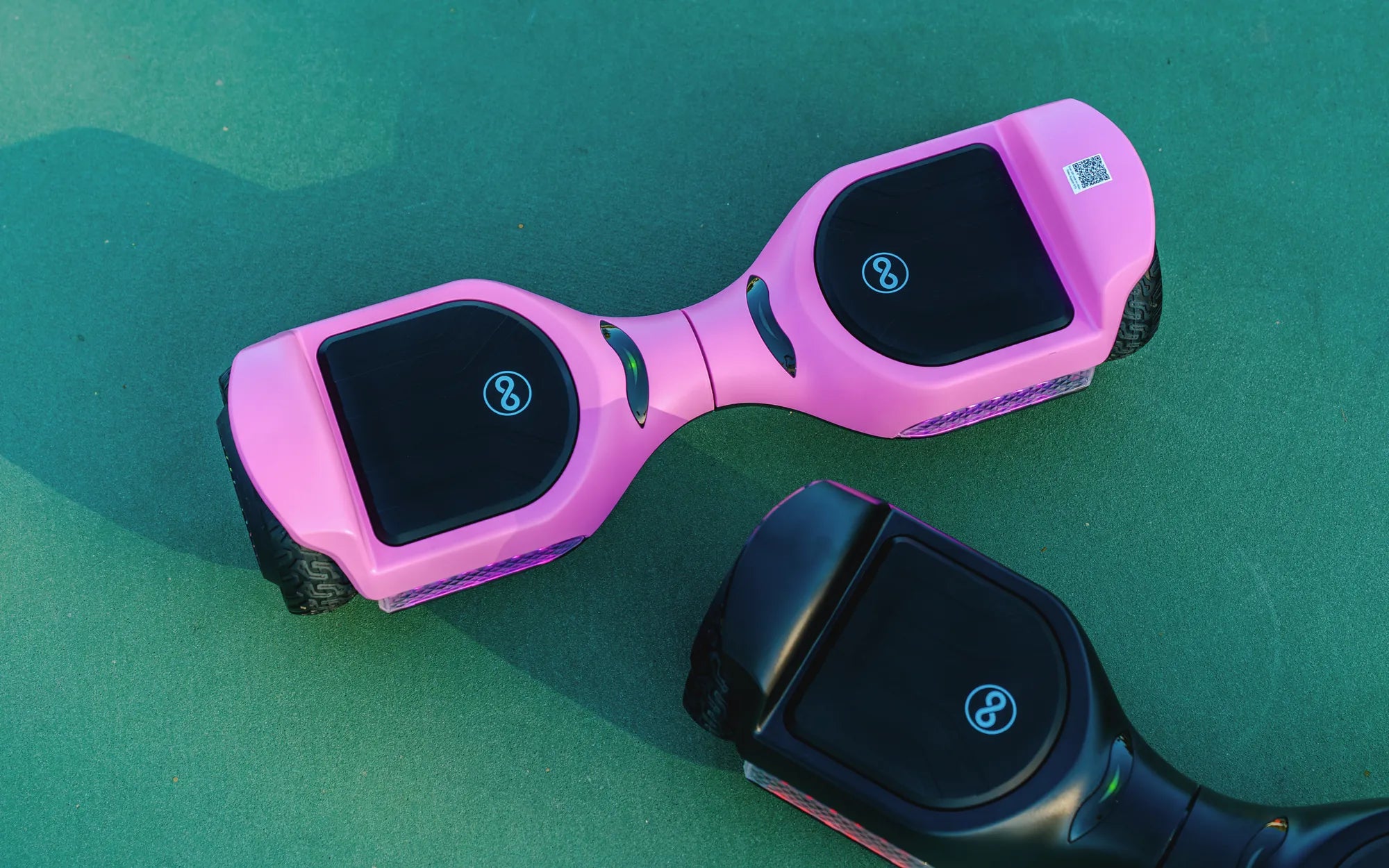
Have you ever stood on a so-called hoverboard and wondered why it doesn't levitate like the futuristic boards from sci-fi movies? You're not alone. The term 'hoverboard' has sparked confusion and debate since these devices first hit the market. Let's dive into the intriguing story behind the name and why it stuck despite being technically inaccurate.
The Origins of the Hoverboard Name
The word 'hoverboard' first entered popular culture through science fiction, most notably in the 1989 film Back to the Future Part II. In the movie, Marty McFly rides a levitating skateboard that glides effortlessly above the ground. This futuristic vision captured imaginations worldwide and created lasting expectations for what a hoverboard should be.
When self-balancing scooters emerged in the early 2010s, marketers quickly adopted the 'hoverboard' name to capitalize on this cultural reference. The devices didn't actually hover, but the name created instant recognition and excitement. This clever branding helped the products gain rapid popularity, despite the technical inaccuracy.
Why the Name Stuck
Several factors contributed to the widespread adoption of the hoverboard name:
- Cultural familiarity: The term was already embedded in public consciousness through movies and pop culture
- Marketing appeal: 'Hoverboard' sounded much more exciting than technical terms like 'self-balancing scooter'
- Lack of alternatives: No other simple, catchy name existed for these devices when they first appeared
- Viral popularity: As the devices spread through social media, the name became cemented through common usage
The Science Behind Real Hovering Technology
True hover technology requires overcoming gravity through various physical means. Current real-world hovering devices typically use one of these methods:
| Technology | How It Works | Examples |
|---|---|---|
| Magnetic Levitation | Uses opposing magnetic fields to create lift | Maglev trains |
| Air Cushion | Forces air downward to create lift | Hovercraft |
| Superconductors | Uses quantum locking effect | Experimental platforms |
These technologies are far more complex and energy-intensive than the simple electric motors and gyroscopes in consumer hoverboards. The power requirements alone make true hovering impractical for personal transportation devices at this time.
Public Perception vs. Reality
The gap between the hoverboard name and reality has led to some interesting public reactions:
"When I first heard about hoverboards, I imagined floating above traffic like in the movies. The reality was... different, but still fun." - Anonymous user comment
Many consumers report initial disappointment when they realize the devices don't actually hover. However, most quickly appreciate the practical benefits of the self-balancing design, even if it doesn't live up to sci-fi fantasies.
The Future of Hover Technology
While current hoverboards don't hover, researchers continue to make progress on real levitation technology. Recent developments include:
- Improved magnetic materials that could make personal levitation devices more feasible
- Advances in battery technology that might power true hover systems
- Experimental platforms using acoustic levitation and other novel approaches
Some companies are already developing prototypes that come closer to the fictional hoverboards we've imagined. These early models remain expensive and impractical for mass production, but they suggest that true hovering personal transportation might not always be science fiction.
So the next time someone asks why it's called a hoverboard if it doesn't hover, you'll know the fascinating story behind the name. From sci-fi dreams to clever marketing to potential future realities, the journey of the hoverboard concept proves that sometimes what we call things matters just as much as what they actually do. Who knows - the hoverboards of tomorrow might finally live up to their name!
Hoverboard Making Clicking Noise: Causes, Fixes, and Prevention Tips
Hoverboard Making Clicking Noise: Causes, Fixes, and Prevention Tips