



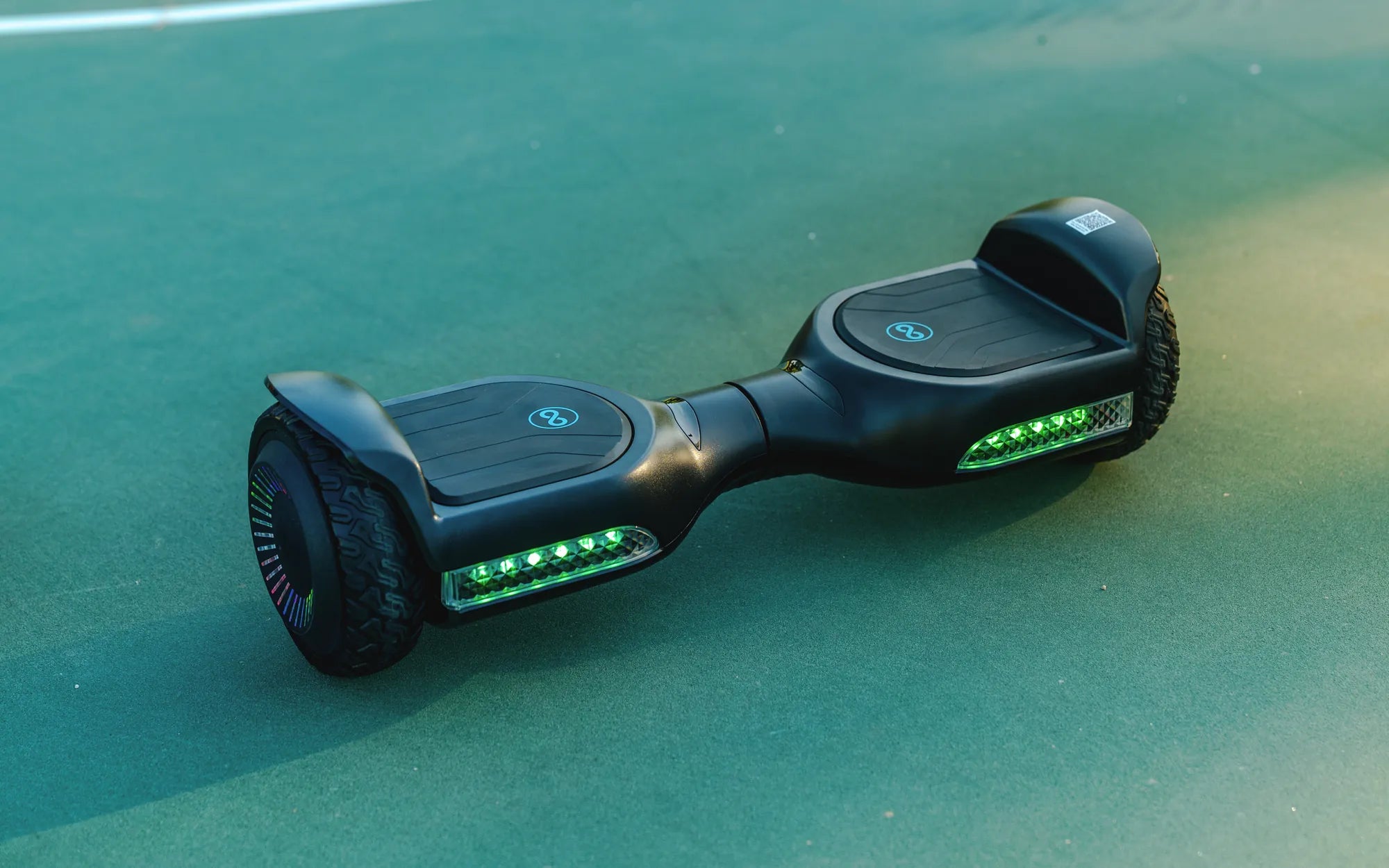
Hearing an unusual noise from your hoverboard can be alarming. Whether it's a grinding, clicking, or buzzing sound, these noises often signal that something isn't right. Ignoring them could lead to bigger problems—or even safety hazards. But don't worry! We'll break down the most common reasons for weird hoverboard noises and how to address them.
Common Causes of Weird Hoverboard Noises
Several factors can cause your hoverboard to make strange sounds. Identifying the source is the first step toward fixing the issue.
Loose or Misaligned Wheels
If your hoverboard produces a rattling or clunking noise, the wheels might be loose or misaligned. Over time, vibrations from riding can loosen screws or cause the wheel assembly to shift. Tightening the screws or realigning the wheels can often resolve this issue.
Worn-Out Bearings
A grinding or squeaking noise often points to worn-out bearings. Bearings help the wheels spin smoothly, but dirt, debris, or regular wear can damage them. Replacing the bearings is usually the best solution.
Motor Problems
A buzzing or whirring sound may indicate motor issues. If the motor is overheating or struggling to function, it can produce unusual noises. Checking the motor connections and ensuring proper ventilation can help prevent further damage.
Loose Internal Wiring
Clicking or intermittent noises might stem from loose wiring inside the hoverboard. If wires are touching moving parts or coming loose, they can create electrical interference or mechanical sounds. Opening the hoverboard (carefully!) and securing the wiring may fix the problem.
Low Battery or Charging Issues
A beeping or high-pitched noise could mean the battery is low or not charging correctly. Faulty chargers or aging batteries can cause irregular sounds. Testing the battery and charger or replacing them if necessary can restore normal operation.
How to Diagnose and Fix the Noise
Once you've identified the likely cause, follow these steps to diagnose and fix the issue.
Step 1: Inspect the Wheels
Lift the hoverboard and spin each wheel manually. Listen for unusual sounds and check for wobbling. Tighten any loose screws and ensure the wheels are properly aligned.
Step 2: Check the Bearings
Remove the wheels (if possible) and inspect the bearings. If they feel gritty or don't spin smoothly, they likely need replacement. Clean or replace them as needed.
Step 3: Examine the Motor
Listen for unusual sounds when the hoverboard is powered on but not moving. If the motor is noisy, check for obstructions or overheating. Ensure the motor housing is clean and well-ventilated.
Step 4: Secure Internal Wiring
If you're comfortable doing so, open the hoverboard casing and inspect the wiring. Look for loose connections or frayed wires. Use electrical tape or zip ties to secure any loose components.
Step 5: Test the Battery
Charge the hoverboard fully and monitor the noise. If the sound persists, try a different charger or have the battery tested. Replacing an old or faulty battery may be necessary.
Preventive Maintenance Tips
To avoid future weird noises, follow these maintenance tips:
- Regularly clean the wheels and bearings to prevent dirt buildup.
- Tighten screws and bolts periodically to keep components secure.
- Avoid riding on rough terrain to reduce wear on the motor and wheels.
- Store the hoverboard in a dry, cool place to protect the battery and electronics.
Strange noises from your hoverboard don't have to ruin your ride. By identifying the cause and taking action, you can keep your device running smoothly and safely. Don't ignore those odd sounds—address them early to extend your hoverboard's lifespan and enjoy a quieter, more reliable experience!
Stop Hoverboard Beeping: A Complete Guide to Silence Your Ride
What to Do If Your Hoverboard Leans Forward: A Complete Guide