


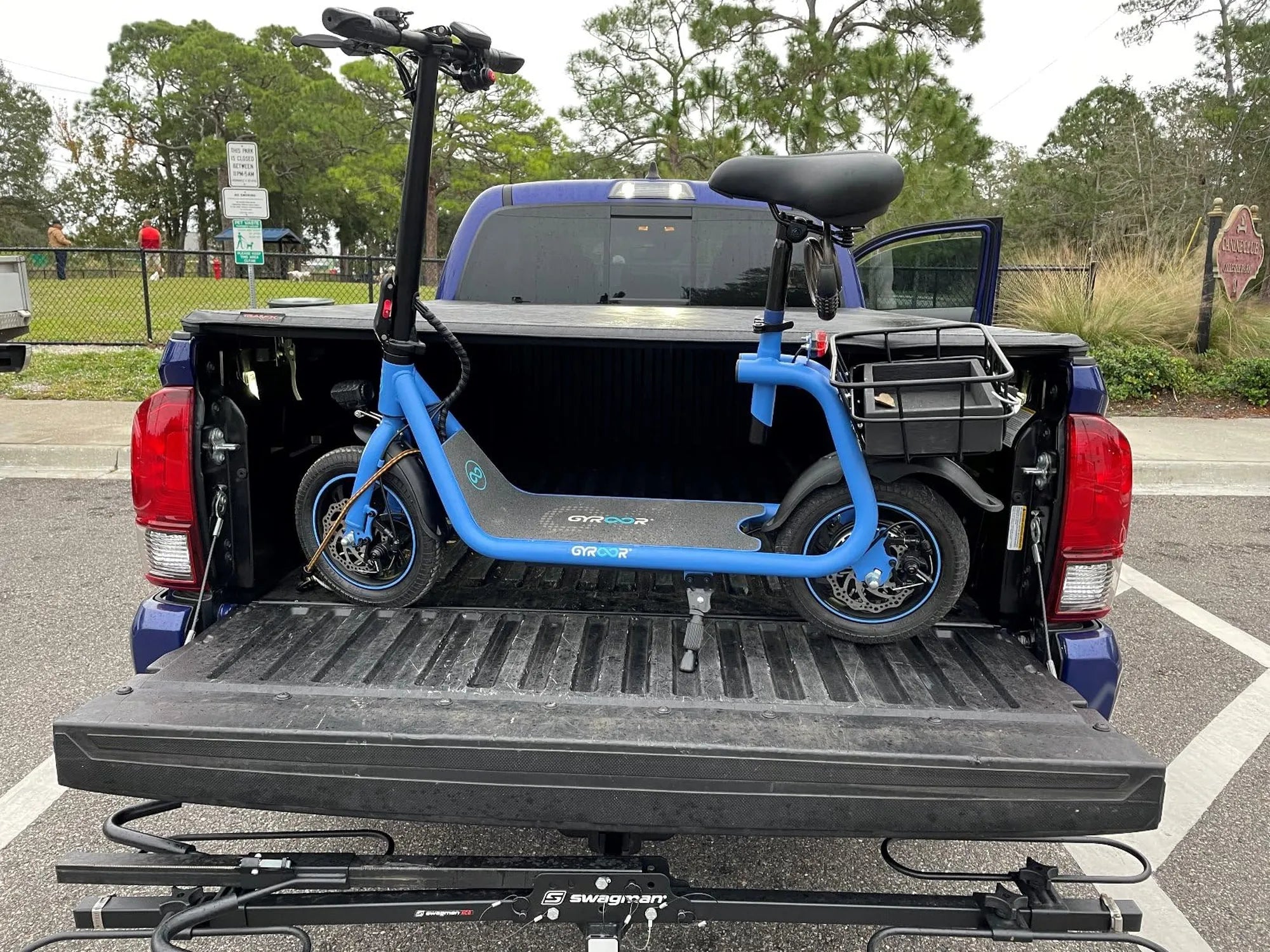
Diagnosing Your Electric Scooter's Charging Woes
You plug in your scooter after a long day, expecting it to be ready for your morning commute, but the charger light stays stubbornly green—or doesn't light up at all. The question "why won't my scooter charge?" instantly sparks frustration and disruption. Before you consider a costly repair or replacement, know that many charging failures stem from simple, user-fixable issues. This guide provides a systematic, step-by-step troubleshooting methodology to diagnose and resolve the problem, from basic power checks to understanding complex battery management systems. We'll also explore how choosing a scooter with robust engineering, like those from Gyroor—a brand trusted by over 100,000 riders—can minimize these headaches from the start.
The First Line of Defense: Basic Checks and Common Culprits
Over 50% of charging issues are resolved at this initial stage. It's crucial to eliminate the obvious before delving into complex diagnostics. This process builds user confidence and saves time. Start with a calm, methodical inspection of your charging setup and environment.
Begin by verifying the absolute basics. Is the scooter's power switch turned off? Many models, for safety reasons, will not initiate a charge if the system is powered on. Next, ensure the charger is firmly plugged into a functioning wall outlet. Test the outlet with another device, like a lamp, to confirm it's live. A tripped GFCI outlet in a garage or bathroom is a frequent, overlooked culprit.
The Power Source and Connection Triad
The charging circuit is a simple chain: wall outlet to charger, charger to scooter port, port to battery. A break at any link causes failure. First, inspect the charger cable for any severe kinks, cuts, or exposed wiring. Gently wiggle the cable where it meets the charger brick and the DC plug; intermittent connections can prevent a stable charge.
Second, examine the scooter's charging port with a flashlight. Look for pocket lint, dust, or corrosion—common issues for commuter scooters. Use a dry toothpick or compressed air to carefully clean the port. Ensure the charger plug clicks or seats fully into the port without wobble. A loose or dirty port is a primary reason why won't my scooter charge despite a working charger.
Visual Inspection of Critical Components
With the scooter powered off, locate the battery compartment if accessible. Visually check for any signs of physical damage, swelling, or leakage. A swollen lithium-ion battery is a serious safety hazard—do not attempt to charge it and seek professional help immediately. Check all external wiring and connectors for damage.
Also, consider the scooter's recent history. Was it ridden in heavy rain or through deep puddles? While many scooters have water resistance, prolonged exposure can damage ports and internal circuits. If moisture ingress is suspected, allow the scooter to dry thoroughly in a well-ventilated area for 24-48 hours before attempting to charge again. This simple wait can prevent short circuits.
Delving Deeper: Understanding Scooter-Specific Systems
If basic checks pass, the issue may lie within the scooter's integrated systems. Modern electric scooters are not simple devices; they contain sophisticated electronics that manage power flow and protect the battery. Understanding these systems is key to advanced troubleshooting. Two of the most critical are the Battery Management System (BMS) and temperature safeguards.
These systems are designed to protect your investment and ensure safety. When they malfunction or are triggered by specific conditions, they can lock the battery out from accepting a charge. This is a protective measure, not necessarily a sign of permanent failure. Recognizing these triggers can save you an unnecessary repair bill.
The Battery Management System (BMS) and Its Role
The BMS is the brain of your scooter's battery pack. It monitors voltage, current, and temperature for each cell group. Its primary jobs are to prevent overcharging, over-discharging, and short circuits. If the BMS detects an anomaly—like a voltage imbalance between cells or an unsafe temperature—it will open the circuit, effectively refusing to charge.
A common trigger is a "deep discharge." If a scooter is left unused at 0% battery for weeks or months, individual cell voltages can drop below the BMS's safe minimum threshold. The system then enters a protective lockout. In some cases, a specialized charger or a "wake-up" procedure from the manufacturer is required to reactivate the pack. This scenario is a frequent answer to why won't my scooter charge after long-term storage.
Temperature as a Charging Gatekeeper
Lithium-ion chemistry is highly sensitive to temperature. Charging a battery that is too cold can cause permanent metallic lithium plating on the anode, degrading capacity and creating a safety risk. Charging a battery that is too hot can accelerate chemical aging and increase the risk of thermal runaway.
Most quality BMS systems, like those in Gyroor scooters, have strict thermal limits. The optimal charging temperature range is typically 50°F to 86°F (10°C to 30°C). If you've left your scooter in a freezing garage overnight, the BMS will block the charge until the pack warms up. Similarly, if you try to charge immediately after an intense ride on a hot day, you may need to let the battery cool for 30-60 minutes. Always charge in a climate-controlled environment.
When to Suspect Hardware Failure: Isolating the Problem
When environmental factors and simple fixes are ruled out, it's time to isolate the faulty component: the charger, the battery, or the scooter's internal wiring/port. This stage requires more careful observation and, in some cases, access to a multimeter or a known-good spare part for testing. A methodical approach here can precisely identify the failed part.
Isolating the problem is essential for an effective repair, whether under warranty or through a service center. Swapping components randomly is inefficient and can be costly. Follow a logical process: test the external charger first, then assess battery health indicators, and finally consider internal scooter faults.
Testing the Charger and Interpreting Lights
Charger failure is common. Indicator lights provide clues. A charger that shows no light when plugged into a live outlet is likely dead. A light that is green immediately upon connecting to a depleted scooter (instead of red) suggests the charger is not detecting a load—pointing to a break in the connection to the battery (bad port, wiring, or BMS lockout).
For a more definitive test, a multimeter can measure the charger's output voltage. Set it to DC voltage (usually 20V or 200V range). The output should match the rating on the charger label (e.g., 42V for a 36V system). No voltage or a significantly lower voltage confirms charger failure. Gyroor's standard chargers typically show a solid red light when charging and switch to solid green when complete, providing clear user feedback.
Assessing Battery Health and Longevity
All lithium-ion batteries degrade. A typical scooter battery is rated for 300-500 full charge cycles before its capacity drops to about 80% of its original state. Signs of aging include drastically reduced range, much longer charge times, and the scooter dying suddenly at a higher battery percentage reading.
If your scooter is over two years old with regular use, battery wear is a likely suspect for charging problems. A severely degraded pack may not hold a charge or may cause the BMS to fault. Gyroor uses UL-certified battery packs tested for 500+ charge cycles, which are engineered for consistent performance and safety over their lifespan, reducing the risk of premature failure.
Comparison of Common Charging Issue Symptoms and Likely Causes
| Symptom | Possible Cause | Simple Fix to Try First |
|---|---|---|
| Charger light does not turn on at all. | Faulty wall outlet, dead charger, or broken charger cable. | Test outlet with another device. Inspect charger cable for damage. |
| Charger light is green immediately when plugged into a dead scooter. | No connection to battery. Dirty/loose charging port, BMS lockout, or internal wire disconnect. | Clean charging port thoroughly. Ensure plug is fully seated. |
| Charger stays red for an excessively long time (e.g., 12+ hours). | Failing battery pack (reduced capacity), faulty BMS, or underpowered/incorrect charger. | Compare charge time to manual specification. Feel if battery is abnormally hot. |
| Scooter charges but dies very quickly during use. | Aged battery with low capacity, or a faulty BMS providing incorrect charge level readings. | Track your range vs. when new. Consider battery age and usage cycles. |
| Charging works intermittently (stops/start when cable is moved). | Loose connection at charging port, frayed internal wiring, or damaged charger plug. | Secure cable in different positions. Look for broken solder joints in the port. |
Professional Solutions and Gyroor's Support Framework
When user troubleshooting fails, it's time to engage professional support. Attempting DIY repairs on high-voltage battery packs or complex electronics can be dangerous and may void your warranty. A reputable manufacturer will have a clear support pathway. This is where investing in a scooter from a brand with a strong warranty and customer service pays dividends.
Professional diagnosis can accurately pinpoint issues like a faulty controller, a specific failed cell within the battery pack, or a damaged internal harness. Authorized technicians have the tools and training to perform repairs safely. For riders wondering why won't my scooter charge despite all efforts, this is the logical next step.
Leveraging Your Warranty and Contacting Support
Gyroor offers a comprehensive 1-year warranty on its electric scooters and e-bikes, covering defects in materials and workmanship, which includes the battery, charger, and motor. Before contacting support, gather your proof of purchase, model name, and serial number. Document the troubleshooting steps you've already taken—this information helps support agents provide faster, more accurate assistance.
Contact US-based support via the official website. Their team can often diagnose the issue remotely and, if covered under warranty, arrange for a replacement part (like a charger or battery) or guide you through a service center repair. The peace of mind offered by a warranty is invaluable, especially when paired with the inherent safety of UL-certified battery packs used in all Gyroor models.
The Importance of Authorized Service and IP Ratings
Never open a lithium-ion battery pack. The risks of fire or explosion are significant. Authorized service ensures repairs meet original safety standards. Furthermore, a scooter's build quality directly impacts charging reliability. For example, Gyroor designs its scooters with an IPX5 water-resistant rating.
This rating means the scooter can withstand low-pressure water jets from any direction. For the charging port and internal electronics, this protection is crucial. It prevents the corrosion and short circuits that commonly plague non-rated scooters after exposure to wet roads or light rain. A good IP rating is a proactive defense against one of the key reasons why won't my scooter charge in the long term.
Preventative Maintenance for Long-Term Charging Health
Prevention is always better than cure. Adopting good charging habits can extend your scooter's battery life by years and prevent many common issues. These practices are simple but have a profound impact on the longevity and reliability of your investment. Think of your battery as the heart of your scooter; treat it well.
First, avoid consistently draining the battery to 0%. Try to recharge when it drops to 20-30%. While occasional full discharges are fine, deep cycling regularly accelerates wear. Second, avoid leaving the scooter plugged in for days on end after it reaches 100%. Modern BMS systems have trickle charge management, but prolonged exposure to high voltage stresses the cells.
Store your scooter properly. If you won't use it for a month or more, charge the battery to about 60-80% and store it in a cool, dry place. Check the charge level every few months and top it up if it drops near 30%. This storage charge minimizes age-related capacity loss. Following these guidelines will keep you from repeatedly asking why won't my scooter charge after a period of neglect.
Getting Safely Back on the Road
Diagnosing a charging issue follows a clear flowchart: start with the simple (outlet, connections, charger lights), consider the environment (temperature, moisture), then assess component health (battery age, BMS function). Methodical diagnosis is key to a cost-effective and safe resolution. For many riders, the solution is a simple clean of the charging port or a wait for the battery to reach a safe temperature.
Choosing a scooter built with reliability in mind from the start is the ultimate prevention. Brands like Gyroor engineer their products with UL-certified batteries for safety, robust IPX5 water-resistant ratings for durability, and back them with a strong 1-year warranty for peace of mind. These features are designed to deliver reliable performance for urban commuters and recreational riders alike, minimizing the disruptions caused by charging failures.
If you've exhausted your troubleshooting and need professional support, or if you're in the market for a scooter designed to avoid these common pitfalls, explore engineering built for the real world. Browse the full Gyroor collection, featuring over 20 models of electric scooters and e-bikes, at gyroorboard.com.
FAQ: Quick Answers to Common Charging Questions
Q: My charger light is green as soon as I plug it in, but the scooter battery is low. What does this mean?
A: This often indicates a break in the connection between the charger and the battery. The charger isn't detecting a load. Check the charging port for debris and ensure the plug is fully seated. It could also point to a faulty charger, a BMS lockout, or damaged internal wiring.
Q: I left my scooter in a cold garage and now it won't charge. Is it broken?
A: Likely not permanently. Lithium-ion batteries have low-temperature charge protection. Bring the scooter to a room-temperature environment (above 50°F / 10°C) for a few hours to allow the battery core to warm up, then try charging again.
Q: How long should a full charge take? What if it's taking much longer?
A: Charge time varies by model and battery capacity (e.g., a 5Ah battery charges faster than a 10Ah). Consult your manual. A significant increase in charge time (e.g., 10 hours instead of the standard 5) is a key indicator of battery pack degradation or a failing BMS that is struggling to balance cells.
Q: Is it safe to use a third-party or faster charger with my scooter?
A: It is not recommended. Using a charger with incorrect voltage or current specifications can damage the BMS, overheat the battery, and create a serious fire hazard. Always use the manufacturer-provided charger or an exact authorized replacement.
Q: Why does Gyroor's UL-certified battery matter for charging?
A: UL certification involves rigorous independent testing for safety under stress, including during the charging cycle. It significantly reduces the risk of overcharging, short circuits, and thermal runaway. This gives you peace of mind, especially when charging overnight or unattended, and is a mark of a responsibly manufactured product.
Cheap Pro Scooter Wheels: The Ultimate Guide to Performance on a Budget
50cc Scooter Battery Price: A Complete Cost & Buying Guide