



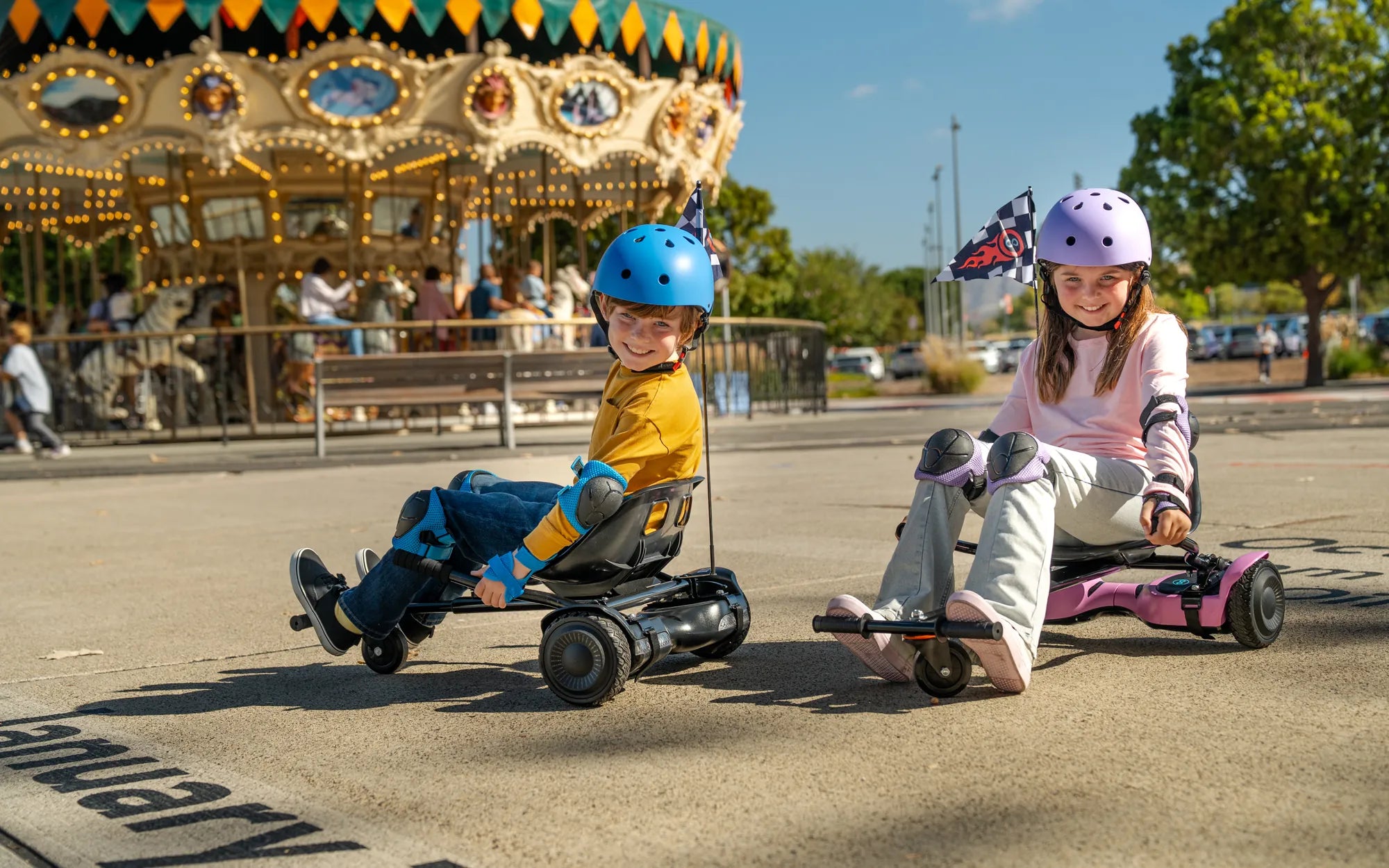
Imagine the sight of a 1-year-old gliding effortlessly on a hoverboard—adorable, thrilling, but also alarming. While hoverboards are popular among older kids and teens, the idea of a toddler riding one raises serious safety questions. Is it ever safe for a 1-year-old to ride a hoverboard? What are the risks, and how can parents ensure their child's well-being? This article dives deep into the topic, offering insights and guidance for cautious parents.
Understanding the Risks of a 1-Year-Old Riding a Hoverboard
Hoverboards are self-balancing scooters that require coordination, balance, and quick reflexes—skills most 1-year-olds simply don't possess. At this age, children are still developing motor skills, and their bones are fragile. A fall from a hoverboard could result in serious injuries, including fractures, head trauma, or even long-term developmental setbacks.
Physical Development Concerns
A 1-year-old's body is not built for the demands of hoverboard riding. Their muscles, joints, and bones are still developing, and the sudden movements or falls associated with hoverboards could cause harm. Pediatricians often warn against exposing young children to activities that exceed their physical capabilities.
Cognitive and Motor Skill Limitations
At 1 year old, children are just beginning to walk and explore their surroundings. Their ability to judge distances, react to obstacles, or control speed is extremely limited. A hoverboard's unpredictability makes it a dangerous choice for toddlers.
Safety Precautions for Parents
If parents still choose to introduce a hoverboard to their 1-year-old, extreme caution is necessary. Here are some safety measures to consider:
- Supervision is non-negotiable: Never leave a child unattended on a hoverboard, even for a second.
- Use safety gear: Helmets, knee pads, and elbow pads can reduce injury risks.
- Choose low-speed models: Some hoverboards have speed limiters—opt for the slowest setting.
- Practice in a safe environment: Avoid uneven surfaces, stairs, or areas with traffic.
Alternatives to Hoverboards for Toddlers
Instead of a hoverboard, consider safer alternatives that promote balance and coordination without the risks:
- Push toys: These help toddlers practice walking and stability.
- Ride-on toys: Low-to-the-ground, non-motorized options are much safer.
- Balance bikes: Designed for young children, these build motor skills safely.
Expert Opinions on Toddlers and Hoverboards
Pediatricians and child safety experts overwhelmingly advise against hoverboards for 1-year-olds. The American Academy of Pediatrics (AAP) recommends waiting until a child is at least 5 or 6 years old before introducing such devices. The risks far outweigh any perceived benefits at this young age.
Legal and Manufacturer Warnings
Most hoverboard manufacturers explicitly state that their products are not intended for children under a certain age—often 8 or older. Ignoring these warnings could void warranties and even lead to legal liability if an accident occurs.
Parental Responsibility and Decision-Making
As a parent, your child's safety should always come first. While it might be tempting to let a 1-year-old try a hoverboard for fun or social media content, the potential consequences are severe. Weigh the risks carefully and prioritize activities that align with your child's developmental stage.
Seeing a 1-year-old on a hoverboard might seem cute, but the dangers are real. From physical injuries to developmental risks, the stakes are too high to ignore. Instead of rushing into advanced gadgets, focus on age-appropriate toys that nurture growth safely. Your child's well-being is worth far more than a fleeting moment of excitement.
Things to Do on Your Hoverboard: Fun and Creative Ways to Ride
Hoverboard How Do They Work: The Science Behind Self-Balancing Scooters