



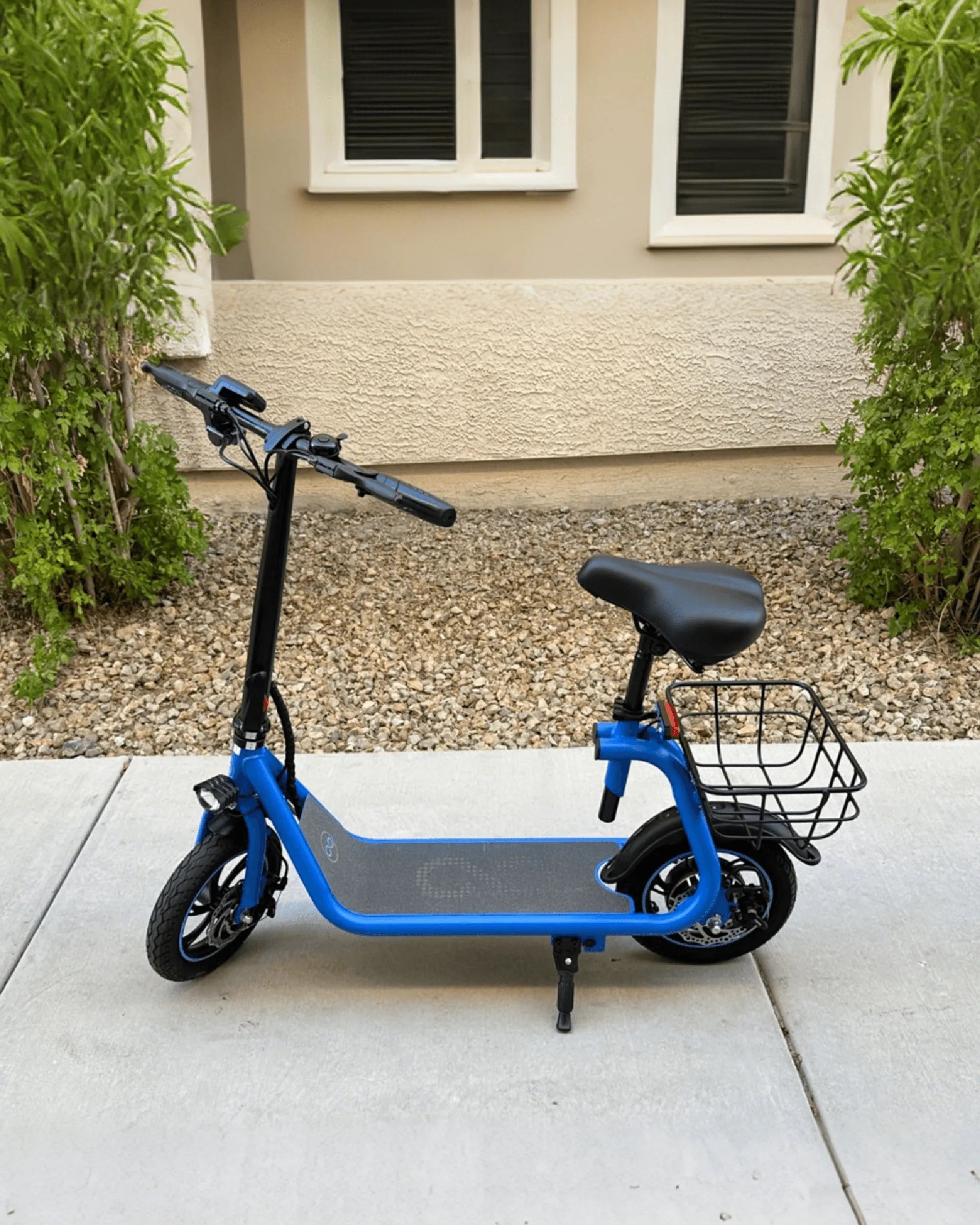
Introduction to 27.5" E-Bike Tires
Choosing the right tires is the single most impactful upgrade you can make to your electric bike's performance, safety, and comfort. Among the popular sizes, 27.5-inch tires—often referred to by their traditional designation, 650b—have emerged as a dominant and versatile choice for modern e-bikes. This size strikes a critical balance between the agile, quick-accelerating 26-inch wheel and the smooth, obstacle-crushing 29-inch wheel.
For e-bike riders, this balance is particularly valuable. The 27.5" diameter offers a blend of maneuverability and stability that perfectly complements the added weight and torque of an electric motor. Whether you're navigating city streets, cruising on gravel paths, or tackling moderate trails, 27.5 ebike tires provide a confident and efficient platform. This guide will dissect everything you need to know, from tire anatomy and terrain-specific treads to durability demands and maintenance essentials, empowering you to make the optimal choice for your rides.
The Anatomy of a 27.5" E-Bike Tire: Key Features Explained
A 27.5" e-bike tire is more than just its diameter. Its performance is dictated by a combination of width, tread pattern, casing construction, and rubber compound. Understanding these elements is crucial for selecting a tire that matches your riding style and the demands of electric assist.
The most visible feature is the tread pattern, which ranges from nearly slick to aggressively knobby. This pattern is your first point of contact with the ground and determines traction, rolling resistance, and noise. Beneath the tread lies the casing, typically defined by its Threads Per Inch (TPI). A higher TPI (e.g., 120) often indicates a more supple, lighter, and puncture-prone casing that offers better ride quality. A lower TPI (e.g., 60) denotes a thicker, heavier, and more durable casing better suited for rugged e-bike use.
The rubber compound is equally important. A softer compound provides superior grip, especially in wet or loose conditions, but wears faster. A harder compound offers longer life and lower rolling resistance but may sacrifice ultimate traction. Many e-bike specific tires use dual-compound designs, with a harder center for longevity and softer shoulders for cornering grip.
Finally, modern e-bike tires almost universally adopt Tubeless Ready (TR) or tubeless designs. This system eliminates the inner tube, allowing you to run lower pressures for increased comfort and traction while dramatically reducing the risk of pinch flats. For e-bikes, which are heavier and often ridden more aggressively, the benefits of tubeless setups—including the use of sealant to plug small punctures—are significant.
Tread Patterns and Their Terrain Applications
Tread design is your tire's language with the terrain. For urban commuting and pavement riding, slick or semi-slick patterns with minimal tread are ideal. They offer the lowest rolling resistance, translating to higher efficiency and longer range from your e-bike's battery. A smooth center ridge with slight siping (small grooves) provides ample wet-weather grip.
All-round or light trail patterns feature small, closely spaced knobs across the tire. These are perfect for mixed-surface riders who transition from pavement to hardpack gravel, dirt paths, or forest trails. They balance reasonable speed on pavement with confident traction off it, making them a versatile choice for adventure and hybrid e-bikes.
For aggressive trail and enduro e-biking, large, widely spaced knobs with pronounced shoulder blocks are necessary. These "knobby" tires dig into loose dirt, mud, and rocky terrain to provide maximum braking and climbing traction. The open spacing helps shed mud, but the aggressive tread creates noticeable drag and noise on pavement.
Tire Width: Finding the Sweet Spot for Your Ride
Width is a primary determinant of ride character. 27.5 ebike tires commonly range from 2.1 inches to 2.8 inches or more. Narrower tires (2.1" - 2.3") excel on pavement and hardpack. They cut through the air and surface with less resistance, promoting efficiency and speed. They also tend to be lighter and offer more precise, quick handling.
Mid-width tires (2.4" - 2.6") represent the current sweet spot for many e-mountain and adventure bikes. This width provides a substantial contact patch for improved cornering and braking traction. It also allows for lower air pressures, which increases comfort by absorbing vibrations and small bumps, a major benefit given the higher speeds of e-bikes.
Wider tires (2.8" and above) venture into "plus" sizing. These offer maximum traction, cushioning, and stability, making them feel like a suspension system themselves. They are fantastic for technical terrain, sand, and snow. However, they are heavier, create more drag, and require a frame and fork specifically designed to accommodate their bulk.
Why 27.5" Tires are a Perfect Match for Electric Bikes
The 27.5" wheel size possesses inherent qualities that synergize exceptionally well with the unique characteristics of electric bicycles. First, the wheel strength and durability are paramount. A 27.5" wheel, when built with quality components, is incredibly robust. The shorter spokes (compared to a 29er) and strong wheel build better handle the additional stresses from the e-bike's weight—which includes the motor, battery, and often a cargo load—and the instant torque delivered by the motor, especially from a stop.
Second, the geometry and handling profile are ideal. E-bikes are inherently heavier, which can make very large 29-inch wheels feel somewhat ponderous in tight, slow-speed maneuvers. The 27.5" size offers quicker, more intuitive steering and easier acceleration, making urban navigation and technical trail riding feel more manageable. This agility does not come at the cost of high-speed stability, which remains excellent.
Finally, the compliance and comfort offered by a modern 27.5" tire setup are significant. The ability to run a wider tire at lower pressures means the tire itself acts as a primary suspension element. This soaks up road chatter and trail imperfections, reducing rider fatigue and protecting both the bike frame and its electronic components from excessive vibration—a key consideration for the longevity of an e-bike's sensitive systems.
Data-Driven Comparison: 27.5" vs. Other Common E-Bike Tire Sizes
To make an informed choice, it's essential to understand how 27.5" (650b) tires compare to the traditional 26" and the larger 29" (700c/29er) standards in the context of e-biking. The following table breaks down the key performance attributes.
| Attribute | 26" Wheels | 27.5" (650b) Wheels | 29" Wheels |
|---|---|---|---|
| Acceleration & Agility | Excellent. Lightest weight, fastest spin-up. Most nimble handling. | Very Good. Strong balance of quick acceleration and stable handling. | Good. Heavier, slower to accelerate but maintains momentum well. |
| Maneuverability | Best for tight, technical turns and low-speed control. | Excellent. Highly responsive while remaining predictable. | Good. Requires more input for sharp turns; feels planted at speed. |
| Rolling Efficiency | Good. Lower inertia means more effort to maintain high speed. | Very Good. Excellent compromise between inertia and overcoming rotational mass. | Best. Largest diameter rolls over obstacles easiest, maintaining speed. |
| Obstacle Roll-Over | Fair. Smaller wheel gets "hung up" on roots and rocks more easily. | Very Good. Noticeably better than 26", slightly less than 29". | Best. Large diameter smoothes out trail chatter and rolls over big obstacles. |
| Frame Compatibility & Fit | Allows for very compact, strong frames. Easy to fit large suspension. | Balances frame size and wheel fit. Allows for modern, progressive geometry. | Requires larger frame triangles. Can limit suspension travel or frame size options. |
| Ideal E-Bike Use Case | Compact cargo bikes, older MTB-based e-bikes, bikes where ultra-agility is key. | All-Rounder: Trail e-MTBs, urban commuters, adventure/gravel e-bikes. | Cross-country e-MTBs, e-gravel bikes focused on high-speed efficiency over distance. |
This comparison shows that 27.5 ebike tires occupy a versatile middle ground. They mitigate the primary weakness of 26" wheels (poor roll-over) while offering more agility and a stronger wheel build than 29" wheels—traits that are highly advantageous for the dynamic and often load-bearing nature of electric biking.
Selecting the Right 27.5" Tires for Your Gyroor E-Bike
Choosing the perfect 27.5" tire for your Gyroor e-bike starts with understanding your primary riding style and checking your bike's specifications. First, identify your current tire size, which is embossed on the sidewall (e.g., "27.5 x 2.4"). This tells you the diameter and width your frame and fork are designed to accommodate. While you can often vary width slightly, exceeding the manufacturer's recommended clearance can cause rubbing and safety issues.
For urban and commuter-focused Gyroor e-bikes, prioritize tires with a smooth or lightly treaded centerline for efficiency. Look for models with integrated puncture protection belts, such as those made with Kevlar or other high-density materials. These are essential for reliable daily transportation. A reflective sidewall strip is a valuable safety feature for night riding.
If your Gyroor is a hardtail or full-suspension e-mountain bike designed for trail use, your focus shifts to traction and durability. Select a tire with an aggressive, terrain-appropriate tread and a robust casing (often labeled "DH" or "Enduro") to withstand rocks, roots, and higher speeds. A Tubeless Ready setup is highly recommended for this application to prevent flats and allow pressure tuning.
Always ensure compatibility with any installed fenders or mudguards. A tire that is too wide or has aggressive knobs can contact the fender, especially under load or suspension compression. When in doubt, consult Gyroor's official specifications for your model or reach out to their support team for guidance on maximum tire clearance.
The Importance of Durability and Puncture Protection
Durability isn't just a convenience for e-bikes; it's a critical safety and performance factor. The combination of higher average speeds, greater overall weight (bike + rider + cargo), and instant motor torque places extraordinary stress on tires. A tire designed for a traditional bicycle may wear out prematurely or fail under e-bike use.
This is why seeking out e-bike specific or "E-MTB rated" tires is wise. These tires are engineered with reinforced casings, stronger sidewalls, and often more robust bead hooks to handle the extra forces. They frequently incorporate multiple layers of puncture protection under the tread, dramatically reducing the chance of a roadside failure.
Brands like Gyroor understand this demand, equipping their e-bikes with tires that match the vehicle's capability. When it's time to replace, opting for a tire with a similar or higher durability rating ensures your bike continues to perform safely and reliably. The investment in a quality, durable 27.5" e-bike tire pays dividends in reduced downtime, fewer repairs, and increased riding confidence.
Maintenance and Safety Tips for Your E-Bike Tires
Proper tire maintenance is non-negotiable for safe and enjoyable e-biking. Your routine should start with weekly pressure checks. Use a reliable floor pump with an accurate gauge. The correct PSI is a range, not a single number; consult your tire's sidewall for the manufacturer's maximum and then adjust based on your weight and conditions. Lower pressure (towards the minimum) for more traction and comfort on trails; higher pressure for efficiency and to avoid pinch flats on pavement.
Conduct a visual inspection before every ride. Look for cuts, gashes, embedded debris (like glass or thorns), and abnormal wear patterns. Check the sidewalls for cracks or bulges. On a tubeless setup, listen for the sound of sealant sloshing; if it's silent, it may be time to add more. Worn tread, especially a squared-off center, significantly reduces wet-weather grip and is a clear sign the tire needs replacement.
For tubeless tires, refresh the sealant every 3-6 months. Sealant dries out over time, losing its ability to seal punctures. When installing new tires, ensure the bead is seated evenly all around the rim on both sides. An uneven seat can cause a wobbly, dangerous ride. After installation, inflate the tire to the recommended pressure and listen for the distinctive "pop" or "snap" as the bead locks into place.
Finally, balance your need for traction with rolling resistance. Running a knobby mountain tire at high pressure on pavement will wear the knobs down quickly and offer a harsh, noisy ride. Conversely, a slick tire on a muddy trail is dangerous. Having a dedicated tire set for your primary riding style, or choosing a true all-rounder, is the best practice.
Frequently Asked Questions (FAQ)
Q1: Can I put 27.5" tires on a bike that came with 26" wheels?
A: Generally, no. The wheel diameter is different, and a 27.5" tire will not fit on a 26" rim. Furthermore, the frame and fork of a 26" bike are not designed for the larger diameter, almost certainly resulting in the tire contacting the frame or brakes, which is unsafe. The entire wheel (rim, hub, spokes) must be built for the 27.5" standard.
Q2: What is the ideal PSI for my 27.5" x 2.4" commuter tire?
A: There's no single ideal PSI, as it depends on your weight and load. Start with the range printed on the tire's sidewall (e.g., 35-65 PSI). For a solo rider on pavement, aim for the higher end of that range (e.g., 50-60 PSI) for efficiency. If carrying cargo or riding on rough surfaces, you might drop to 40-50 PSI for more comfort and traction. Experiment within the safe range to find what feels best.
Q3: How often should I check my e-bike tire pressure?
A: For optimal performance and safety, check your tire pressure before every significant ride, or at minimum once a week with regular use. Tires naturally lose 1-5 PSI per week. E-bikes are more sensitive to under-inflation due to their weight, which can lead to pinch flats, rim damage, and poor handling.
Q4: Do I need special tires for my fat tire e-bike?
A: Yes, fat tire e-bikes use a completely different category of tire and rim. They are typically 26" x 4.0" or larger. The rims are much wider, and the tires are designed for extremely low pressures (5-15 PSI). Standard 27.5" tires are not compatible with fat bike rims or frames.
Q5: What does "Tubeless Ready" (TR) mean, and is it worth it for my e-bike?
A: A Tubeless Ready tire and rim are designed to create an airtight seal without an inner tube, using liquid sealant instead. For e-bikes, it is often worth the setup. Benefits include the ability to run lower pressures for better traction/comfort, near-elimination of pinch flats, and the sealant's ability to automatically plug small punctures. It requires specific rims, valves, and sealant.
Conclusion: Rolling Forward with Confidence
The 27.5" wheel and tire platform has earned its place as a modern standard for electric bicycles by delivering a nearly perfect compromise of agility, strength, and comfort. By understanding the interplay of width, tread, and construction, you can transform your e-bike's character to excel in your preferred environment. Whether you seek the efficiency of a slick urban tire or the tenacious grip of a trail knobby, the robust 27.5 ebike tire ecosystem has an optimal solution.
Prioritizing durability and proper maintenance is not just about longevity; it's the foundation of safe riding at electric-assisted speeds. Your tires are your only connection to the ground, making them the most critical safety component on your bike. Use this guide to make an informed decision, ensuring every journey on your Gyroor e-bike is powered by confidence, control, and reliability. Ready to explore new terrain or perfect your daily commute? The right set of 27.5" tires is your first step.
Explore Gyroor's range of high-performance e-bikes, engineered with durable components like robust 27.5" wheel systems, and find the perfect model for your next adventure. Browse the full Gyroor collection at gyroorboard.com.
Best Ebike for Snow: The Ultimate Guide to Winter-Ready Electric Bikes
How Many Miles Can an Ebike Go: The Definitive Range Guide