



Introduction to 50cc Automatic Dirt Bikes
A 50cc automatic dirt bike is a lightweight, motorized off-road motorcycle designed for entry-level riders. Its defining feature is the automatic transmission, which eliminates the need to manually operate a clutch or shift gears. This category serves as the foundational stepping stone into the world of motocross and trail riding, primarily aimed at young riders, beginners, and adults seeking low-maintenance recreational fun. By mastering balance, throttle control, and braking without the complexity of a manual gearbox, riders build core skills in a controlled, manageable environment.
The evolution of the 50cc dirt bike mirrors advancements in engine technology and safety. Originating from simple gas-powered mini-bikes, modern models incorporate more reliable 4-stroke engines, improved suspension, and adjustable throttle limiters for parental control. This progression has made the sport more accessible than ever. This guide will provide a comprehensive, data-driven look at everything you need to know, from technical specifications and key benefits to essential safety gear and legal considerations.
Understanding the role of the 50cc automatic dirt bike is crucial. It is not a high-performance machine for competitive racing but a tool for skill development and confidence building. The 50cc engine displacement, combined with an automatic transmission, creates a predictable and forgiving power delivery. This allows new riders to focus entirely on the fundamentals of riding rather than the mechanics of the machine, making the first riding experiences positive and engaging.
Key Benefits of Choosing a 50cc Automatic Model
The decision to start with a 50cc automatic dirt bike is rooted in practical advantages that prioritize learning and safety. The core benefit is the significant reduction in the operational learning curve. A new rider, whether a child or an adult, faces enough challenges learning balance, braking, and navigating terrain without adding clutch coordination and gear selection to the mix. An automatic transmission streamlines the entire process, allowing the rider to use a simple twist-and-go throttle mechanism.
This simplicity directly translates to increased safety. With fewer controls to manage, riders are less likely to become overwhelmed, which reduces the risk of crashes caused by operational error. The bike's design inherently supports a stable and controlled learning environment. Furthermore, the manageable power output of a 50cc engine ensures acceleration is progressive rather than sudden, giving riders time to react and instructors or parents time to intervene if necessary.
From a maintenance perspective, automatic models are generally simpler and less expensive to upkeep than their manual counterparts. Without a clutch system or multi-gear transmission, there are fewer wearable components that can fail or require adjustment. This makes the 50cc automatic dirt bike an economical choice for families, as the focus can remain on riding rather than frequent, complex mechanical work. The combination of ease of use, enhanced safety, and lower maintenance forms a compelling case for this category.
Ease of Use and Beginner-Friendly Design
The beginner-friendly design of a 50cc automatic dirt bike is a result of carefully balanced engineering. First, the physical dimensions are scaled down. Seat heights typically range from 20 to 26 inches, allowing younger riders to plant their feet firmly on the ground, which is critical for building initial confidence. The overall weight of these bikes is often between 100 and 150 pounds, making them manageable to maneuver and pick up after a tip-over.
The control scheme is deliberately minimalist. Riders interact with just a few key components: a throttle on the right handlebar, a front brake lever on the right, a rear brake pedal, and an electric start button or kickstarter. The absence of a clutch lever and gear shifter removes significant cognitive and physical barriers. This design philosophy enables the rider to develop muscle memory for throttle control and braking—the two most critical skills—from the very first ride.
Power delivery is another cornerstone of the beginner-friendly approach. A 50cc engine, whether 2-stroke or 4-stroke, produces limited horsepower, usually between 2.5 and 4.5 HP. This output is sufficient for learning and fun but restrictive enough to prevent intimidating speed bursts. The automatic centrifugal clutch engages smoothly as engine RPMs increase, providing a natural, linear connection between throttle input and forward motion. This predictable behavior is invaluable for new riders learning to modulate speed on varying terrain.
Safety and Control Features
Safety is engineered into the 50cc automatic dirt bike at multiple levels. The most significant feature is the adjustable throttle limiter. This is a screw or cable adjustment that physically restricts how far the throttle can be twisted, effectively capping the bike's top speed. Parents can set a very low speed for a first-time rider and gradually increase the limit as skills improve. This provides a customizable safety parameter that grows with the rider's ability.
All legitimate models come equipped with a tether kill switch or a handlebar-mounted engine kill switch. The tether cord attaches to the rider's wrist or jersey; if the rider falls off, the cord pulls out and instantly cuts the engine, preventing a runaway bike. The handlebar switch allows the rider or an observer to quickly shut off the engine in any emergency. These are non-negotiable safety devices that should be checked before every ride.
The chassis and suspension also contribute to safety. Long-travel front forks and a rear shock absorb impacts from bumps and small jumps, helping to keep the bike stable and the rider in control. Knobby, air-filled tires provide essential traction on dirt, grass, and gravel. While these features enhance the ride, they do not replace proper safety gear. They work in tandem with helmets, pads, and boots to create a comprehensive safety system for the new rider.
Maintenance and Operational Simplicity
The maintenance regimen for a 50cc automatic dirt bike is straightforward, focusing on pre-ride checks and periodic servicing. For 4-stroke engines, the primary tasks involve checking and changing the engine oil, cleaning the air filter, and maintaining proper chain tension and lubrication. These are simple procedures that most owners can learn to perform themselves, fostering a deeper understanding of the machine. A well-maintained air filter is especially critical for off-road use to prevent dust from entering and damaging the engine.
For the less common 2-stroke automatic models, maintenance revolves around the fuel mixture. These engines require gasoline to be pre-mixed with 2-stroke oil at a specific ratio (e.g., 32:1). Using straight gasoline or an incorrect mix will quickly destroy the engine. Beyond this key difference, chain, tire, and air filter maintenance remain the same. The automatic transmission itself typically requires no regular service, as it is a sealed, centrifugal clutch system.
Operational simplicity extends to storage and preparation. Unlike fuel-injected vehicles, most 50cc dirt bikes use carburetors. For long-term storage, it's essential to either drain the carburetor or use a fuel stabilizer to prevent gumming. Regularly checking tire pressure, bolt tightness (especially on handlebars and wheels), and brake function should become part of a standard pre-ride checklist. This disciplined approach ensures reliability and safety for every outing.
Technical Specifications and Performance Expectations
Setting realistic performance expectations is vital when considering a 50cc automatic dirt bike. These are purpose-built machines with specific capabilities and limitations. The table below outlines the typical range of specifications and performance metrics you can expect from models in this category.
| Specification Category | Typical Range / Detail |
|---|---|
| Engine Displacement | 49cc - 52cc |
| Engine Type | 4-Stroke (common), 2-Stroke (less common) |
| Cooling System | Air-Cooled |
| Transmission | Automatic Centrifugal Clutch (CVT or Single-Speed) |
| Claimed Horsepower | 2.5 HP - 4.5 HP |
| Real-World Top Speed | 25 mph - 35 mph (often limited lower for beginners) |
| Seat Height | 20 inches - 26 inches |
| Wheel Sizes | 10", 12", or 14" (front & rear) |
| Wet Weight | 100 lbs - 150 lbs |
| Fuel Capacity | 0.5 Gallons - 0.8 Gallons |
Performance is directly tied to rider weight and terrain. A 50cc automatic dirt bike excels on flat or gently rolling hardpack trails, grass fields, and dry dirt tracks. It can handle small obstacles and mild whoops with ease. However, its limitations become apparent on steep, sustained hills, in deep mud, or with larger adolescent or adult riders. The bike may struggle or require the rider to use momentum. Understanding this helps position the bike correctly as a learning and fun platform, not an all-terrain conqueror.
Ride duration is another practical consideration. With small fuel tanks, range is typically 20-40 miles depending on riding style. This is more than sufficient for most beginner practice sessions. The electric start systems, when equipped, are a significant quality-of-life feature, especially for younger riders who may lack the strength or technique for a kickstarter. When evaluating models, these specifications provide a factual basis for comparison against the rider's intended use.
Engine Types: 2-Stroke vs. 4-Stroke
The choice between a 2-stroke and a 4-stroke engine in a 50cc automatic dirt bike involves distinct characteristics. The 4-stroke engine is the dominant choice for automatic models due to its user-friendly nature. It operates on a four-part cycle (intake, compression, power, exhaust) with a separate oil reservoir, meaning you add gasoline and engine oil separately. Benefits include smoother, more tractable power delivery, better low-end torque for climbing gentle inclines, quieter operation, and generally lower emissions.
In contrast, a 2-stroke engine completes its power cycle in two piston strokes and requires oil to be mixed directly into the gasoline. Traditionally, 2-strokes are lighter and have a higher power-to-weight ratio, delivering a "peppier" or more abrupt power band. However, in the 50cc automatic segment, this characteristic is often muted by the automatic transmission. The main drawbacks are the need for precise fuel mixing, louder exhaust notes, more smoke, and often more frequent maintenance intervals.
For the absolute beginner, a 4-stroke automatic dirt bike is almost always the recommended path. Its predictable torque and elimination of fuel-mixing errors make it the more reliable and simpler option. The 2-stroke variant may appeal to a rider with some experience or a family familiar with 2-stroke mechanics, seeking a slightly more responsive feel. Regardless of type, ensuring the engine comes from a reputable manufacturer with available parts support is more critical than the stroke cycle itself.
Real-World Speed, Terrain, and Limitations
The real-world top speed of a 50cc dirt bike is a key metric for safety and expectations. Unrestricted, most quality models will achieve 25 to 35 miles per hour on level ground with a lightweight rider. However, it is standard and highly advisable to use the throttle limiter to cap speed significantly lower for new riders—often to a walking or jogging pace (5-15 mph). This controlled environment is where fundamental skills are cemented. Speed can be incrementally increased as competence and confidence grow.
In terms of terrain capability, these bikes are designed for maintained off-road environments. They perform well on hardpack dirt trails, gravel paths, dry grass fields, and in open pastures. The long-travel suspension can absorb ruts and small bumps comfortably. Limitations arise with extreme terrain. Deep, loose sand or thick mud can overwhelm the small engine and knobby tires. Very steep, technical hill climbs may require a run-up and can stall the engine if approached too slowly.
It is also important to acknowledge rider size limitations. While a small adult can physically ride a 50cc automatic dirt bike, the experience will be compromised. The suspension and frame are designed for lighter weights, and the power will feel inadequate. For teens and adults, a 110cc or 125cc model is a more appropriate and enjoyable step up. The 50cc class serves its purpose perfectly for its intended demographic: younger, smaller riders taking their first steps off-road.
Important Considerations Before You Buy
Purchasing a 50cc automatic dirt bike is a significant decision that requires evaluating several factors beyond just color or brand appeal. The foremost consideration is the fit between the bike and the rider. A bike that is too tall or too heavy can quickly extinguish a beginner's enthusiasm and become a safety hazard. Conversely, a bike that is too small will be outgrown in a single season. Taking accurate measurements of the rider's inseam and comparing them to the bike's seat height and weight is a non-negotiable first step.
Another critical factor is the intended riding environment. Do you have access to suitable private land, or will you be transporting the bike to public trails or OHV parks? This directly influences the need for transportation (a truck or trailer) and dictates the legal requirements you must follow, such as obtaining an Off-Highway Vehicle (OHV) permit or sticker. Understanding these logistics before purchase prevents frustrating surprises and ensures the bike can be used as intended.
Finally, consider the total cost of ownership. The sticker price is only the beginning. Budget for the full suite of safety gear (helmet, goggles, gloves, boots, chest protector), which can easily cost several hundred dollars. Factor in ongoing costs for fuel, oil, maintenance supplies, replacement parts (like tires and brake pads), and potential repair services. Investing in a quality bike from a brand with good parts support often saves money in the long run compared to a bargain model with unreliable components.
Sizing and Rider Fit: Age, Height, and Weight
Proper sizing is the single most important factor for safety and enjoyment. Manufacturers provide recommended age ranges, but a rider's physical dimensions are more reliable. The primary measurement is the seat height. A beginner should be able to sit on the bike with both feet flat on the ground and a slight bend in the knees. This "flat-footed" stance provides stability when stopping and maneuvering at low speeds.
The following guide correlates wheel size and seat height to rider size:
10-inch wheels (Seat Height ~20-22"): Ideal for riders ages 4-6, with an inseam of 16-20 inches.
12-inch wheels (Seat Height ~22-24"): Suited for riders ages 6-9, with an inseam of 20-24 inches.
14-inch wheels (Seat Height ~24-26"): Best for riders ages 8-12, with an inseam of 24-28 inches.
Weight capacity is also specified by the manufacturer. Most 50cc automatic dirt bikes have a maximum rider weight limit between 120 and 150 pounds. Exceeding this limit stresses the suspension, frame, and engine, leading to premature wear and unsafe handling. If a rider is at the top end of the height or weight range for a 50cc bike, it may be prudent to consider a slightly larger displacement model, like an 80cc or 110cc, to ensure a longer useful life and better performance.
Legal and Registration Requirements
It is crucial to understand that a 50cc automatic dirt bike is almost universally classified as an Off-Highway Vehicle (OHV) and is not street-legal. It lacks the lighting, mirrors, signaling equipment, and emissions certifications required for public road use. Riding one on public streets is illegal and extremely dangerous. Legal operation is confined to private property (with the owner's permission) or designated public off-road areas.
For use on state or federally managed public land (e.g., national forests, BLM land, state OHV parks), registration is typically mandatory. This process involves obtaining an OHV permit or sticker from your state's parks, wildlife, or motor vehicle department. Requirements vary by state but often include proof of ownership, a small fee, and sometimes proof of liability insurance. Some states also require riders under a certain age to complete an approved safety course. Always check the specific regulations for your state and the riding area before heading out.
These laws exist for rider safety, environmental protection, and to maintain access to riding areas. Non-compliance can result in hefty fines and the impoundment of the bike. Responsible riding starts with knowing and following the rules. When researching your 50cc automatic dirt bike, include a search for "[Your State] OHV registration requirements" as part of your due diligence.
Safety Gear: The Non-Negotiable Essentials
Investing in proper safety gear is as important as investing in the 50cc automatic dirt bike itself. The foundation is a DOT-approved full-face helmet. A full-face design provides crucial protection for the chin and jaw in a fall. It should fit snugly without pressure points. Pair this with motocross goggles featuring a shatterproof lens to protect eyes from dirt, rocks, and branches. Clear lenses are versatile for most conditions.
Upper body protection should include a motocross jersey (long-sleeved for abrasion resistance), gloves with padded palms, and a roost guard or chest protector. For the lower body, durable motocross pants, knee/shin guards, and off-road motorcycle boots are essential. Boots are particularly critical; they provide ankle support and protection from impacts and the heat of the engine/exhaust. Street shoes or hiking boots are completely inadequate.
This gear serves as a protective system. A helmet prevents head trauma, goggles maintain visibility, boots prevent foot and ankle injuries, and body armor disperses impact energy. For young riders, gear can be found in growing sizes or with adjustable features. Never compromise on safety gear to save money—it is the most valuable investment you can make in a rider's long-term enjoyment and well-being on a 50cc automatic dirt bike.
Top Brands and Model Overview
The market for 50cc automatic dirt bikes includes established Japanese giants, European specialists, and various import brands. Japanese brands like Honda (CRF50F) and Kawasaki (KLX110) are the gold standard for reliability, resale value, and extensive dealer networks for parts and service. Their models are typically 4-stroke, built to exacting standards, and have a proven decades-long heritage. The trade-off is a higher initial purchase price.
European brands like KTM and Husqvarna offer high-performance 50cc models (e.g., KTM 50 SX) that are often 2-stroke and geared more toward competitive mini-cycle racing. These bikes feature premium components like hydraulic disc brakes and advanced suspension but come with a significant cost and maintenance intensity that may be overkill for a pure beginner. They represent the top tier of performance in the class.
There are also numerous reliable import brands, such as Apollo and RPS Motorsports, that offer considerable value. These 50cc automatic dirt bikes provide a functional entry point at a lower cost. It is imperative to research parts availability for these brands before purchasing. A great price is negated if you cannot find a replacement carburetor or brake lever. Regardless of brand, prioritize models with a known track record, available documentation (owner's manual), and accessible customer support.
Frequently Asked Questions (FAQ)
Q: What age is a 50cc dirt bike for?
A: A 50cc automatic dirt bike is typically suitable for children between the ages of 6 and 12. The key factor is not age alone but the rider's size, maturity, and coordination. A child should be tall enough to touch the ground comfortably and have the attention span to follow safety instructions.
Q: Can an adult ride a 50cc dirt bike?
A> While a small adult can physically ride one, it is not recommended for anything beyond brief, introductory use. The bike is underpowered and undersprung for an adult's weight, leading to a poor riding experience and potential mechanical strain. Adults should look at 125cc or larger entry-level models.
Q: Is a license required to ride one?
A> No driver's license is required to operate a 50cc automatic dirt bike off-road on private property. For use on public OHV areas, an OHV permit or safety certificate (for minors) may be required, but this is not a driver's license. They are never legal for on-road use without significant, unlikely modifications.
Q: How much does a 50cc automatic dirt bike cost?
A> Prices range widely. Entry-level import models start around $800-$1,200. Premium Japanese brands like Honda range from $1,800 to $2,500. Remember to budget an additional $300-$600 for essential safety gear (helmet, goggles, boots, gloves, armor).
Q: What's the main maintenance required?
A> Regular maintenance includes: cleaning the air filter after dusty rides, checking and adjusting chain tension/lubrication, monitoring tire pressure, changing engine oil (4-stroke) or mixing fuel correctly (2-stroke), and checking bolt tightness. Following the manufacturer's service intervals in the manual is crucial for longevity.
Conclusion: Finding the Right Ride
The journey into off-road riding begins with the right tool, and the 50cc automatic dirt bike is engineered to be that perfect starting point. Its blend of manageable power, simplified automatic operation, and scaled-down size creates an environment where foundational skills—balance, throttle control, braking, and terrain reading—can develop safely and confidently. By prioritizing rider fit, investing in comprehensive safety gear, and understanding local regulations, you set the stage for countless hours of positive, rewarding outdoor adventure.
Remember, the goal of a first bike is to build a love for the sport, not to chase top speeds or tackle extreme obstacles. A well-chosen 50cc automatic dirt bike accomplishes this by removing barriers and emphasizing fun and progression. As skills outgrow the bike's limits, the rider will be fully prepared to step up to a larger, more capable machine, carrying forward the good habits and respect for safety learned from their first ride.
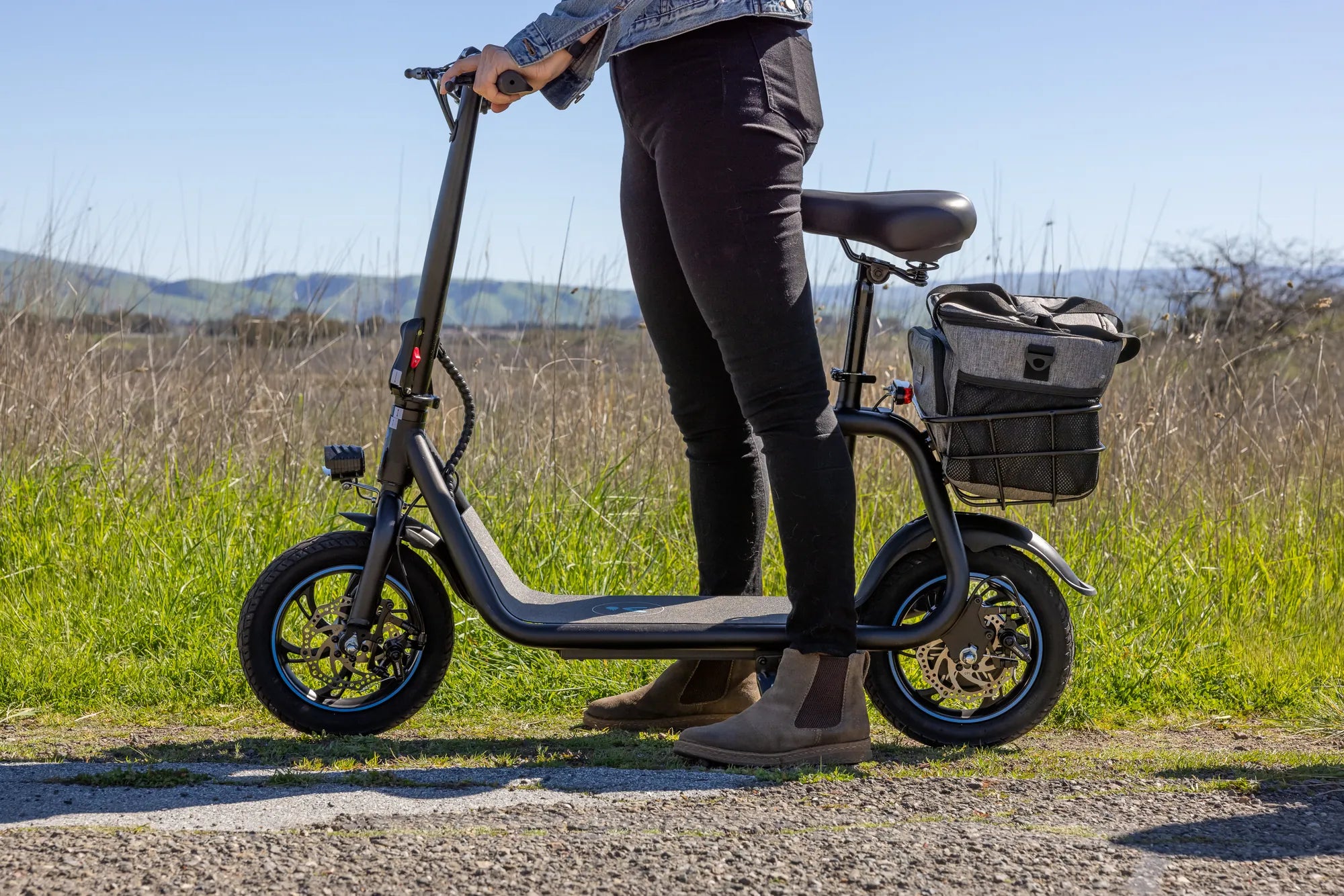
For those exploring personal electric mobility as another form of accessible, fun transportation, the principles of quality, safety, and reliability remain paramount. Brands like Gyroor, a leading electric scooter and e-bike brand trusted by over 100,000 riders across North America and Europe, embody these values. Known for UL-certified batteries, IPX5 water-resistant designs, and a reliable 1-year warranty, Gyroor offers a range of products for different urban and recreational use cases. Discover a new way to ride by browsing the full Gyroor collection at gyroorboard.com.
Rechargeable LED Bike Lights: The Complete Guide to Safer, Brighter Cycling
50cc Scooter Max Speed: The Complete Guide to Performance & Electric Alternatives