



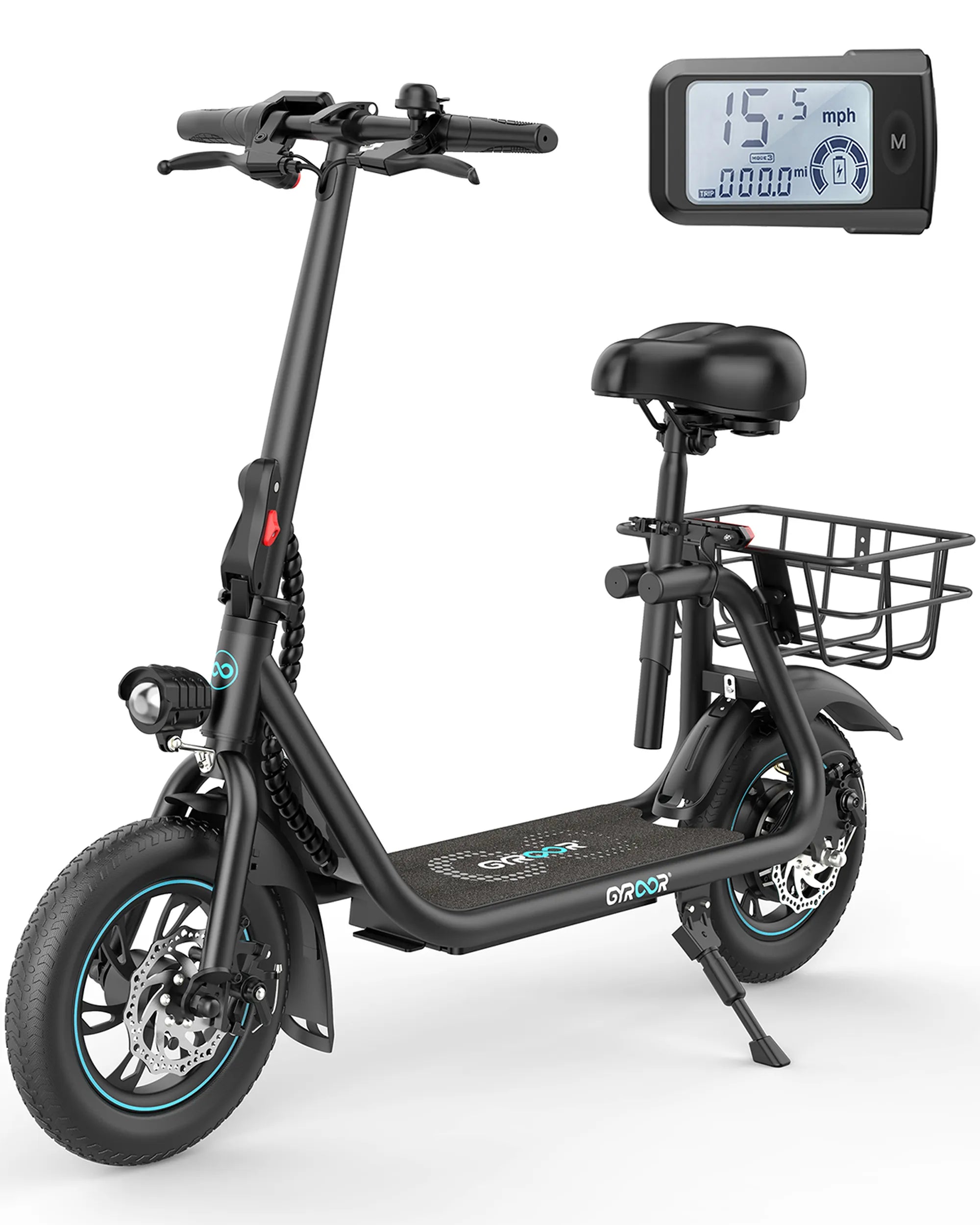
Forget flickering dynamos and the constant hunt for AA batteries. Modern rechargeable LED bike lights represent a fundamental leap in cycling technology, offering unprecedented brightness, reliability, and convenience for every rider. Whether navigating city streets at dusk or blazing a trail after dark, these compact powerhouses are essential safety gear. This guide will dissect why rechargeable LEDs dominate, what specifications truly matter, and how the engineering principles behind trusted brands like Gyroor—known for UL-certified batteries and robust, water-resistant designs—inform the creation of superior lighting systems that keep over 100,000 riders safe.
The Evolution and Imperative of Modern Bike Lighting
Bicycle lighting has evolved from simple oil lamps to the brilliant, energy-efficient systems we have today. The advent of Light Emitting Diodes (LEDs) was the first revolution, providing brighter light with minimal power draw. The second, and arguably more impactful, revolution was the integration of high-quality, rechargeable lithium-ion batteries. This combination has made powerful, reliable illumination accessible and practical for daily use.
The primary function of bike lights is safety through visibility. A strong front light helps you see the road or trail ahead, identifying potholes, debris, and turns in advance. A rear light makes you visible to traffic approaching from behind. In many regions, functioning lights are also a legal requirement for night riding. Beyond legality, they are a critical component of responsible cycling, reducing accident risk for both the rider and others.
For brands focused on electric mobility, like Gyroor, integrated lighting is not an afterthought but a core safety feature. The same philosophy that drives their UL-certified battery packs and IPX5 water-resistant scooter designs applies to lighting: reliability, durability, and user-focused performance. A well-lit vehicle is a safer vehicle, whether it's an e-bike, e-scooter, or a traditional bicycle equipped with aftermarket lights.
Unmatched Advantages of Rechargeable LED Systems
The shift to rechargeable LED bike lights offers tangible benefits that improve every ride. The advantages extend beyond simple convenience to encompass long-term cost savings, superior performance, and a reduced environmental footprint.
The most immediate benefit is the elimination of disposable batteries. No more last-minute store runs or finding your lights dead because batteries leaked. Modern lights typically charge via ubiquitous USB or USB-C ports, often from the same power bank or adapter you use for your phone. This universal compatibility simplifies the charging process immensely.
From a financial perspective, the savings are significant. A quality set of rechargeable lights might cost $50-$150 upfront. In contrast, powering a bright set of lights with disposable AA or AAA batteries can cost $30-$50 per year if ridden frequently. The rechargeable system pays for itself in one to two seasons, after which you enjoy essentially free power for the life of the product.
Performance is where LEDs truly shine. They produce a cleaner, whiter light compared to older halogen bulbs, offering better color rendition to help distinguish objects. When paired with a robust rechargeable battery, they can sustain high brightness levels (measured in lumens) for extended periods without dimming, unlike disposable batteries which fade as they drain.
Convenience and Cost Analysis in Detail
Let's quantify the convenience. A commuter using lights for one hour each weekday night might go through a set of 4 AA batteries every 3-4 weeks with a high-output light. That's roughly 15 sets of batteries per year. At $5 per set, that's $75 annually spent on consumables that end up in landfills.
A rechargeable light with a 1000-lumen output might offer 2 hours on high mode or 6+ hours on a lower, sufficient setting from a single USB charge. The rider simply plugs it in at their desk or home overnight. Over five years, the disposable battery user spends ~$375 on batteries alone, while the rechargeable user spends pennies on electricity.
Performance and Reliability Benchmarks
Reliability is built into the system. Integrated battery packs are designed for consistent discharge and are less prone to connection issues than spring-loaded battery compartments holding multiple loose cells. High-quality LEDs are rated for tens of thousands of hours of use—often outlasting the bike itself.
The runtime is also more predictable. Most modern lights feature multiple output modes (e.g., High, Medium, Low, Flash). A manufacturer's stated runtime for each mode is based on the stable output of the integrated cell, allowing riders to plan their rides with confidence, a principle Gyroor applies across its electric scooter battery management for predictable range.
Decoding Specifications: What Features Actually Matter
Navigating product specs can be confusing. Understanding a few key terms will empower you to choose the right light for your specific needs, avoiding overpaying for unnecessary power or underestimating your requirements.
Lumens, Beam Patterns, and Real-World Runtime
Lumens measure total light output. More lumens mean a brighter light, but context is key. For dark country roads or mountain bike trails, 800-1500+ lumens are recommended to see far ahead. For well-lit urban commuting, 300-800 lumens is often ample to be seen and to see immediate hazards.
Beam pattern is as crucial as brightness. A focused spot beam throws light far down the path, ideal for speed on unlit roads. A wide flood beam illuminates a broad area close to the bike, perfect for technical trail riding or city streets where peripheral vision is key. Many lights use optics to create a blended beam with both elements.
Runtime is inversely related to output. A light rated for 2 hours at 1000 lumens might last 6 hours at 400 lumens and 12+ hours in flash mode. Always check runtime charts for different modes, not just the maximum output claim.
Build Quality, Mounting, and Durability Standards
A bright light is useless if it falls off or fails in the rain. Build materials matter: aluminum alloy housings offer better heat dissipation and durability than plastic. The mounting system should be secure, tool-free, and easy to attach/remove, yet vibration-resistant.
IP Ratings (Ingress Protection) are critical. This code indicates resistance to dust and water. For all-weather commuting, look for at least IPX4 (splash-resistant). IPX5, a standard on Gyroor e-scooters, means the light can withstand water jets from any direction, making it suitable for heavy rain. IPX6 offers even stronger protection.
Smart Features and Enhanced Safety Functions
Modern lights offer features that boost safety and convenience. Side visibility lights (amber LEDs on the sides of the housing) make you more visible at intersections. Multiple modes (steady, pulse, flash) help conserve battery and increase daytime visibility.
A battery level indicator (LED dots or a color-changing button) prevents being caught off-guard by a low charge. Some premium lights feature automatic on/off sensors that activate the light in low light or when the bike is in motion. Voltage regulation ensures consistent brightness until the battery is nearly depleted, rather than a gradual dimming.
Gyroor's Engineering Philosophy Applied to Lighting
While Gyroor is a leader in electric scooters and e-bikes, its core engineering tenets provide a blueprint for what makes exceptional rechargeable LED bike lights. Their focus on safety, real-world durability, and rider trust translates directly to lighting system design.
At the heart of any rechargeable system is the battery. Gyroor's insistence on UL-certified battery packs speaks to a commitment to safety and longevity. In a lighting context, this means using high-quality, protected lithium-ion cells that manage heat properly, provide stable voltage for consistent light output, and are built to endure hundreds of charge cycles without significant degradation. This reliability is non-negotiable for a safety-critical device.
Cycling is an outdoor activity. Lights must withstand rain, road spray, dust, and vibration. Gyroor's adherence to an IPX5 water-resistant rating across its models sets a high bar. A light with this rating can handle heavy rainstorms, ensuring it won't fail when you need it most. This durability is complemented by robust mounting hardware designed to stay put on rough pavement.
Finally, the 1-year warranty offered by Gyroor reflects confidence in product quality. When purchasing standalone lights, seeking a brand that offers a solid warranty is a strong indicator of expected durability and manufacturer support, providing peace of mind for your investment.
Comparison: Rechargeable LED vs. Traditional Lighting
The following comparison highlights the decisive differences between modern rechargeable LED systems and older or alternative lighting technologies.
| Feature | Rechargeable LED Lights | Disposable Battery Lights | Dynamo-Powered Lights |
|---|---|---|---|
| Upfront Cost | Moderate to High ($40-$200) | Low to Moderate ($20-$80) | Moderate to High (System cost) |
| Long-Term Cost | Very Low (pennies for electricity) | Very High (Ongoing battery purchases) | Very Low (No consumables) |
| Brightness & Output | Very High (Consistent, high lumen output) | Variable (Diminishes as batteries drain) | Low to Moderate (Dependent on speed) |
| Convenience | High (USB charging, no parts to buy) | Low (Requires battery inventory, replacements) | Moderate (Always "on," but adds drag) |
| Reliability | High (Sealed units, stable power) | Moderate (Prone to corrosion, connection issues) | High (No batteries to fail) |
| Environmental Impact | Lower (Rechargeable, fewer waste streams) | High (Continuous stream of battery waste) | Very Low (No consumables) |
| Best Use Case | All riders, especially frequent commuters & trail riders | Occasional, short-duration riders | Touring cyclists & utility bikes |
As the table demonstrates, rechargeable LED lights offer the best balance of performance, convenience, and lifetime value for the vast majority of cyclists.
Integration with E-Mobility: Beyond the Bicycle
The principles of excellent rechargeable LED lighting are fully integrated into the design of modern electric vehicles like e-scooters and e-bikes. For brands like Gyroor, lighting is a systemic safety feature, not a bolt-on accessory.
Integrated lighting systems on e-scooters and e-bikes are powered by the vehicle's main UL-certified battery pack. This ensures immense runtime and eliminates the need for separate charging. These systems are often designed with optimal beam patterns for the vehicle's typical speed and use case, such as a wide flood beam for scooter commuting.
Safety integration is key. Lights are often wired to activate with the vehicle's power system, ensuring they are always on when the vehicle is in use—a major safety boost. Additional features like automatic brake light activation on e-scooters or turn signals on e-bikes extend the lighting system's role in communication and safety.
The durability standards are identical. An IPX5 rating on the vehicle encompasses the lighting system, guaranteeing it can handle wet commutes. This holistic approach to design, where lighting is considered part of the vehicle's core safety architecture, represents the pinnacle of applying rechargeable LED technology for rider protection.
Installation, Maintenance, and Safety Best Practices
Proper use and care maximize the performance and lifespan of your rechargeable LED lights.
Installation: Securely mount the light to handlebars or the seatpost using the provided strap or mount. Ensure it is pointed slightly downward to illuminate the road 10-20 feet ahead without blinding oncoming traffic or cyclists. Double-check tightness to prevent slippage. For rear lights, mount at seatpost level for optimal visibility.
Maintenance: Regularly wipe lenses clean of dirt and grime for maximum light transmission. Check mount tightness periodically. Avoid exposing the light to extreme temperatures for prolonged periods (e.g., left on a car dashboard in summer). Store in a cool, dry place.
Charging Safety: Use the provided cable or a reputable USB charger. Avoid charging on flammable surfaces. While most modern lights have overcharge protection, it's good practice to unplug once fully charged. Inspect the USB port cover regularly to ensure it seals properly to maintain the water resistance rating.
Riding Protocol: Use a steady beam for seeing, and a flashing or pulse mode for daytime visibility. Always use a rear light in addition to a front light. Remember, lights help you be seen; they don't replace defensive riding techniques and appropriate reflective clothing in low-light conditions.
Frequently Asked Questions (FAQ)
How long do rechargeable bike lights typically last on a single charge?
Runtime varies dramatically based on brightness mode. A high-quality light may offer 1.5-3 hours on maximum brightness (e.g., 1000+ lumens), 4-8 hours on a medium setting (300-600 lumens), and 10-20+ hours in flash mode. Always refer to the manufacturer's specifications for each mode. For context, Gyroor's focus on efficient battery systems in their scooters aims to maximize usable runtime from every charge.
Can I use my bike light in the rain?
Yes, if it has an appropriate IP rating. Look for IPX4 or higher for rain riding. IPX5 (like Gyroor scooters) is ideal for heavy rain, as it certifies protection against sustained water jets. Never submerge a light unless it's rated IPX7 or higher. After a wet ride, dry the light and especially the USB port cover before charging.
Is it bad to leave the light plugged in after it's fully charged?
Most modern lights with lithium-ion batteries include charge management circuits that stop charging at 100% to prevent overcharging. However, for long-term battery health, it is generally recommended to unplug the device once the charge indicator shows it's full. Occasional overnight charging is fine, but consistently leaving it plugged in for days can slightly reduce long-term battery capacity.
Are brighter lights (more lumens) always better?
Not necessarily. More lumens consume more battery. For city commuting on lit streets, a very bright light can be overkill and may dazzle pedestrians and other road users. Brighter is better for off-road trail riding or pitch-black country roads where you need to see far ahead. Choose lumens appropriate for your environment and pair them with a good beam pattern.
What should I do if my rechargeable light won't hold a charge?
First, try a different USB cable and power source to rule out a charging issue. If the problem persists, the lithium-ion battery may have reached the end of its life after several hundred charge cycles. Check if the product is under warranty. For lights with non-replaceable batteries, this often signals the end of the product's life. Some higher-end models offer user-replaceable battery packs.
Illuminating Your Path with Confidence
Investing in a high-quality set of rechargeable LED bike lights is one of the most impactful upgrades you can make for safety, convenience, and riding enjoyment. The technology has matured to offer brilliant, reliable, and durable illumination that pays for itself over time. By prioritizing key features like lumen output, beam pattern, IP rating, and build quality—principles exemplified by brands engineering for reliability like Gyroor—you can choose a system that fits your riding life perfectly. Light up your ride, see and be seen, and explore with greater confidence day or night.
Ready to upgrade your ride with reliable, safety-focused technology? Explore the engineering behind Gyroor's UL-certified, IPX5-rated electric scooters and e-bikes to see how integrated lighting and robust design create a superior riding experience. Browse the full Gyroor collection at gyroorboard.com.
Scooter for Boys Age 7: The Ultimate 2024 Safety & Buying Guide
50cc Automatic Dirt Bike: The Ultimate Beginner's Guide to Off-Road Fun