



Introduction: Redefining Independence with the 700 lb Mobility Scooter
For individuals requiring robust support, a 700 lb mobility scooter is not merely a vehicle; it is a gateway to regained independence and confidence. This guide cuts through the marketing to deliver a factual, engineering-focused analysis of these heavy-duty machines. We will explore what a 700-pound combined weight capacity truly means, who benefits most, and the critical specifications that separate a reliable workhorse from an underperforming model. You will learn how to evaluate motor power, battery range, and safety systems to make an informed investment in your mobility.
Understanding the 700 lb Capacity: What It Really Means for You
The 700 lb rating is a combined weight capacity, encompassing the user's weight plus any cargo, such as groceries, oxygen tanks, or personal items. This figure is the maximum safe operational limit set by the manufacturer after rigorous stress testing. Exceeding this limit can compromise the structural integrity of the frame, overload the motor and brakes, and drastically reduce battery life, creating significant safety hazards.
It is crucial to distinguish this from the vehicle's own weight, which typically ranges from 150 to 300 pounds for scooters in this class. A higher capacity directly correlates with enhanced stability. The engineering required to support 700 pounds necessitates a wider wheelbase, a lower center of gravity, and reinforced components, all contributing to a more secure and planted feel, especially during turns or on uneven surfaces.
Key Components Built for Strength
The capability to handle 700 pounds is achieved through specific heavy-duty engineering. The frame is often constructed from reinforced, aircraft-grade aluminum or steel, designed to resist flexing and torsion. The motor is a high-torque unit, typically ranging from 800 to 1200 watts, providing the necessary power to move the load efficiently, especially on inclines.
Suspension systems are upgraded beyond basic coil springs to include hydraulic or pneumatic shock absorbers, smoothing out bumps and reducing strain on the frame and rider. Finally, the drive train—including gears, axles, and bearings—is built to commercial-grade standards to withstand the constant high-stress operation, ensuring longevity and consistent performance where it matters most.
Top Use Cases & Benefits: Who Needs a 700 lb Mobility Scooter?
The primary user for a 700 lb mobility scooter is a plus-sized individual seeking a safe, stable, and dignified mobility solution. However, the use cases extend beyond user weight alone. This capacity is ideal for anyone whose daily routine involves carrying substantial cargo, whether for work, shopping, or medical needs. The overarching benefit is the elimination of weight-related anxiety, allowing users to focus on their activities rather than their equipment's limits.
These scooters provide unparalleled stability due to their robust construction. This translates to increased confidence when navigating outdoor terrain like park paths, gravel driveways, or slightly sloped ramps. The ability to safely carry cargo means fewer trips, greater self-sufficiency, and the freedom to participate more fully in community life without logistical constraints.
For Active Lifestyles and Errands
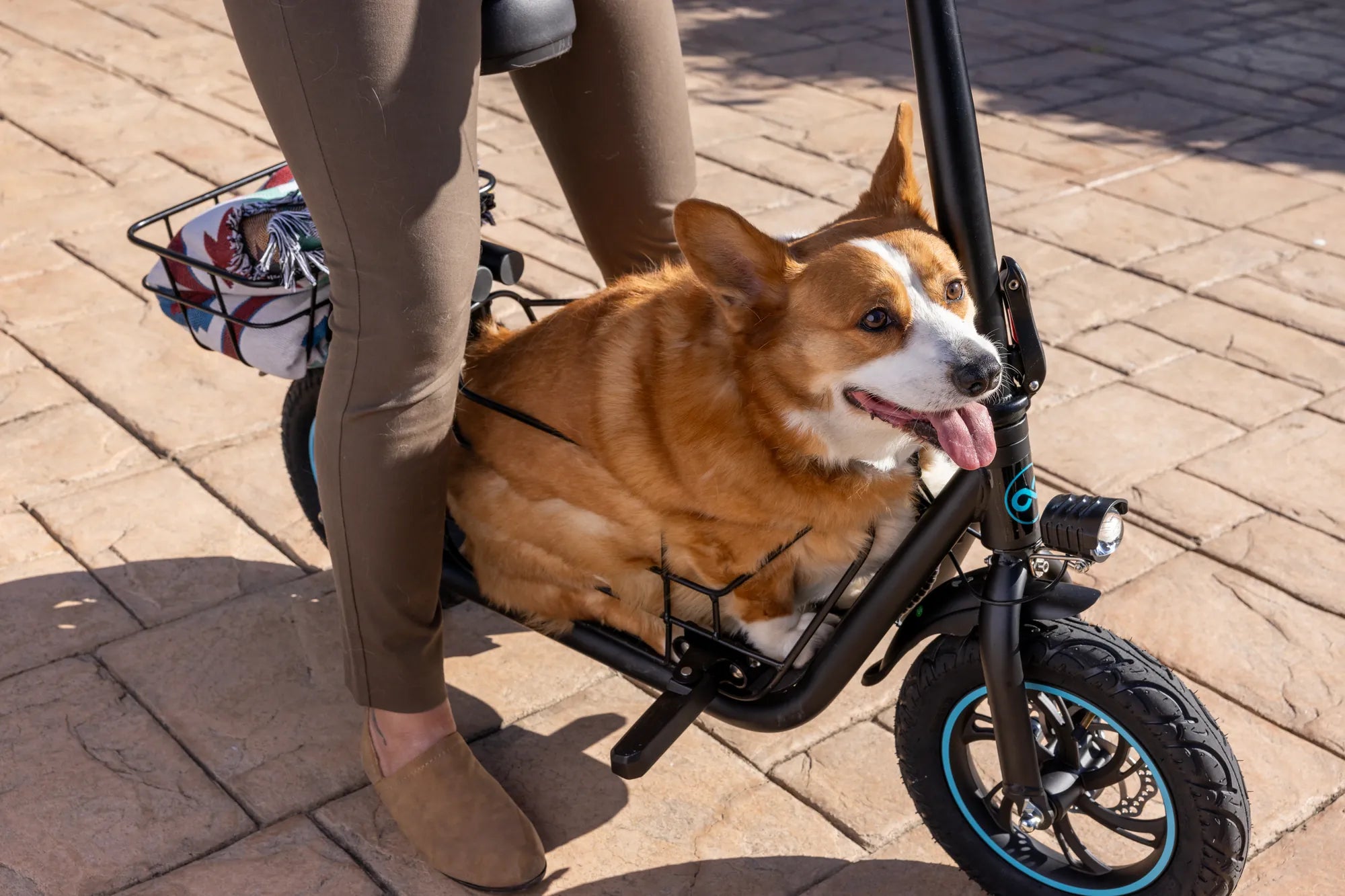
For active users, a 700 lb capacity scooter supports a full day of errands and activities. You can load a week's worth of groceries, a small pet carrier, or a picnic basket without a second thought. The robust build allows for longer trips to community events, farmers' markets, or nature trails, with the power and battery life to match. This capacity turns the scooter from a simple mobility aid into a versatile tool for daily living.
For Bariatric Care and Rehabilitation
In clinical and home-care settings, these scooters are essential for bariatric patient mobility and rehabilitation. They provide a safe platform that accommodates patients with higher weight profiles, supporting their dignity and encouraging movement. The stability is critical for physical therapy, allowing patients to rebuild strength and confidence. The durability ensures the scooter can withstand frequent use in care facilities, making it a sound long-term investment for both individuals and institutions.
Critical Features to Compare When Shopping
Selecting a 700 lb mobility scooter requires a methodical comparison of specifications. Price alone is a poor indicator of quality or suitability. You must evaluate a combination of performance metrics, safety features, and build quality to find a model that matches your specific lifestyle and environment. The following checklist provides a framework for direct comparison between different brands and models.
Motor Power & Terrain Performance
Motor power, measured in watts (W), is the engine of your scooter. For a 700 lb capacity, a minimum of 800W is recommended, with 1000W or higher being ideal for handling hills or rougher terrain. Torque is equally important—it's the rotational force that gets a heavy load moving from a stop and powers up inclines. A scooter with high torque will perform better on a 10-degree hill than one with just high wattage and low torque. Always check the manufacturer's stated maximum incline grade, which should be at least 10-12 degrees for true all-terrain capability.
Battery Range & Real-World Usage
Battery range is the most variable specification. The advertised range is usually based on optimal conditions: a lightweight rider on flat, smooth pavement. With a 700 lb load, real-world range can be 30-50% less. Focus on the battery's voltage (V) and amp-hour (Ah) rating. A common configuration is a 48V 30Ah battery. Higher Ah means more energy storage and potentially longer range. Calculate your daily distance needs and choose a scooter with a range that exceeds that by at least 50% to account for weight, terrain, and battery aging.
Safety and Stability Specifications
Safety is non-negotiable. Essential features include a wide wheelbase (the distance between the front and rear axles) for stability, and anti-tip wheels at the rear to prevent backward tipping on inclines. Lighting should be comprehensive: bright LED headlights, taillights, brake lights, and turn signals for visibility. Braking systems should be electromagnetic (regenerative) combined with mechanical disc or drum brakes for fail-safe stopping power. Finally, a secure, swivel-locking mechanism on the seat is vital to prevent accidental movement while seated or transferring.
Introducing the Gyroor Tank Series: Engineered for Maximum Capacity & Confidence
Gyroor applies its expertise in durable personal electric transport to the mobility sector with the Tank Series, engineered specifically for high-capacity needs. Trusted by over 100,000 riders for reliability, Gyroor's approach focuses on integrating certified safety components, weather-resistant design, and robust support into a scooter built for real-world demands. The Tank Series exemplifies how heavy-duty engineering can provide both power and peace of mind.
Built to Gyroor's High Standards: UL-Certified & Water-Resistant
At the core of the Tank Series is the UL 2271 certified lithium-ion battery pack. This certification involves stringent testing for electrical, mechanical, and environmental safety, significantly reducing fire risk—a critical consideration for any mobility device used daily in the home. Furthermore, the scooter features an IPX5 water-resistant rating, meaning it can withstand sustained water jets from any direction. This allows for use in light rain or on damp surfaces, protecting the electrical systems and ensuring reliability in various weather conditions.
Warranty and Support You Can Rely On
Investing in a high-capacity mobility scooter is a significant decision. Gyroor supports this investment with a comprehensive 1-year warranty covering the frame, motor, battery, and electronic components. This warranty is backed by accessible customer support, providing assistance with assembly, troubleshooting, and parts. This commitment to post-purchase support is essential, ensuring your scooter remains a dependable tool for independence long after the initial purchase.
Comparison Table: Key Specifications for Heavy-Duty Scooters
| Feature | Entry-Level Heavy-Duty | Mid-Range (e.g., Gyroor Tank Series Benchmark) | Premium Commercial-Grade |
|---|---|---|---|
| Weight Capacity | 400 - 550 lbs | 700 lbs | 750+ lbs |
| Motor Power | 500 - 800W | 1000W High-Torque | 1200W+ Dual Motor |
| Max Incline | 8-10 degrees | 12-15 degrees | 15+ degrees |
| Battery (Typical) | 48V 20Ah | 48V 30Ah (UL-Certified) | 48V 40Ah+ |
| Estimated Real-World Range* | 10-15 miles | 18-25 miles | 25-35 miles |
| Key Safety Features | Basic lights, mechanical brakes | Full LED lighting, electromagnetic + disc brakes, anti-tip wheels, IPX5 rating | Advanced stability control, full suspension, commercial-grade brakes |
| Warranty | 90 days - 6 months (limited) | 1-Year Comprehensive | 2+ Years |
*Range estimates are for a ~700 lb combined load and will vary based on terrain, speed, and temperature.
Frequently Asked Questions (FAQ)
Q1: Is a special license or registration required for a 700 lb capacity scooter?
No, a driver's license or vehicle registration is typically not required for personal mobility scooters, regardless of weight capacity. They are classified as "Electric Mobility Devices" or similar under most local and federal regulations in the US and Canada. However, they must be operated on sidewalks or pathways where possible, not on public roads designed for automotive traffic. Always check your specific municipal bylaws for any local restrictions.
Q2: How does the weight capacity affect the scooter's maximum speed and range?
Weight has a direct and significant impact. A scooter loaded to its 700 lb capacity will have a lower top speed and a much shorter range than one carrying a 200 lb load. The motor must work harder, drawing more current from the battery. While top speed might be reduced by 15-25%, range can be reduced by 30-50% compared to the manufacturer's optimal-condition rating. Always plan your battery needs based on your specific weight and typical travel distance.
Q3: Can these scooters be used indoors, in stores, or on public transport?
Yes, but with important considerations. Their wider base for stability may make them less maneuverable in very tight, crowded indoor spaces compared to smaller scooters. Always check the scooter's turning radius and overall dimensions. Most are designed to fit through standard doorway widths (32+ inches). For public transport, check the ramp weight limits and dimensions of local buses or trains; the scooter's weight and size may require use of a designated securement area.
Q4: What is the process for assembly, maintenance, and potential repairs?
Most scooters arrive 85-90% assembled, requiring attachment of the front basket, mirrors, and sometimes the seat. Basic tools are included. Regular maintenance includes checking tire pressure (for pneumatic tires), cleaning terminals, and ensuring all bolts are tight. For repairs, choose a brand with accessible customer support and available parts. Gyroor, for instance, provides support for troubleshooting and can ship replacement parts, with many common repairs being manageable at home with guidance.
Q5: How do I safely transport a scooter of this size and weight?
Transporting a 700 lb capacity scooter usually requires a wheelchair-accessible vehicle (like a van with a ramp or lift) or a trailer. The scooter itself often weighs 250-300 lbs, making it impossible for one person to lift. Many models are designed to be partially disassembled (seat and battery removed) to reduce weight for loading, and some offer a freewheel mode to allow them to be rolled when powered off. Always use appropriate tie-down straps to secure the scooter during transport.
Conclusion: Investing in Freedom, Safety, and Peace of Mind
Choosing a 700 lb mobility scooter is a decisive investment in your autonomy, safety, and quality of life. It represents a commitment to durable engineering that can reliably support an active lifestyle. The key is to prioritize verified safety certifications like UL for the battery, robust construction with a wide wheelbase, and a motor with sufficient torque for your environment. Equally important is selecting a brand that stands behind its product with a strong warranty and responsive support, ensuring your freedom is built on a foundation of reliability. For those seeking this blend of power, safety, and trusted engineering, exploring dedicated heavy-duty solutions is the next logical step.
Discover the engineering built for your confidence. Browse the full Gyroor collection, including robust mobility solutions designed with certified safety and durability, at gyroorboard.com.
Comfortable Commuter Bike: The Ultimate Guide to Pain-Free Urban Riding
Comfortable Commuter Bike: The Ultimate Guide to Pain-Free Urban Riding