



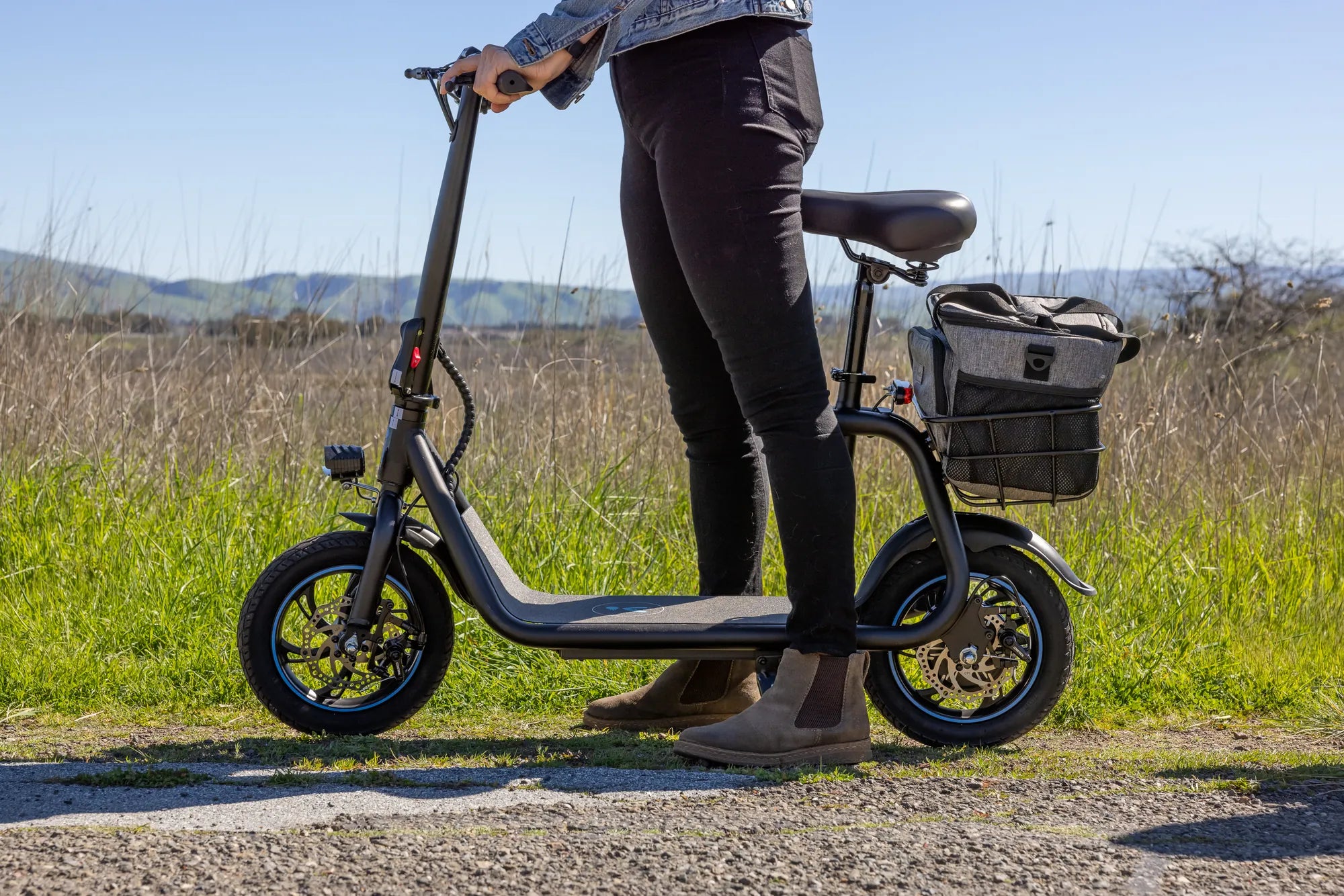
Introduction: Redefining the Daily Journey with a Comfortable Commuter Bike
Forget everything you think you know about commuting by bicycle. A truly comfortable commuter bike is not defined by a simple padded seat; it's a holistic machine engineered to make your daily travel effortless, enjoyable, and sustainable. This guide delves deep into the anatomy of comfort, moving beyond marketing buzzwords to the tangible features that reduce physical strain and mental stress. You will learn how specific design choices in geometry, suspension, and power delivery directly impact your well-being on the road. We'll analyze why a comfortable commuter bike is an investment in your daily quality of life, turning a chore into a cherished part of your day.
The modern comfortable commuter bike, especially in the electric category, solves the traditional trade-offs between speed, effort, and ease. It's about arriving at your destination feeling refreshed, not fatigued. This requires a synergy of components working in concert. From the moment you step onto the frame to the final pedal assist as you glide up a hill, every element should contribute to a seamless experience. Understanding these elements empowers you to choose a bike that fits not just your route, but your body and lifestyle.
Comfort is inherently data-driven. It's measured in millimeters of suspension travel, degrees of seat tube angle, inches of tire width, and years of warranty coverage. This guide provides that data, breaking down complex engineering concepts into actionable insights. Whether you're navigating potholed city streets, bridge gratings, or gentle bike trails, the right comfortable commuter bike absorbs the imperfections of the urban landscape. Let's explore how to find a machine that makes every mile a pleasure.
The Engineering of Ease: Core Pillars of a Comfortable Commuter Bike
Comfort on two wheels is a science. It stems from several interconnected systems designed to protect the rider from vibration, impact, and repetitive strain. A bike that excels in one area but fails in another will ultimately disappoint. The most comfortable commuter bike balances these pillars to create a unified, smooth ride. The primary contributors are frame geometry, suspension dampening, tire compliance, and component ergonomics. Ignoring any one of these can lead to discomfort that accumulates over time, shortening your ride and your enthusiasm.
Think of your body as the sensor. Discomfort signals poor design: a numb wrist indicates improper handlebar alignment or lack of suspension; a sore back points to an overly aggressive riding position; fatigue in your legs and core can come from a bike that's unstable or requires constant micro-corrections. A well-engineered comfortable commuter bike addresses these feedback points proactively. It creates a stable, predictable platform that allows you to relax and enjoy the journey, not fight the machine beneath you. This engineering focus is what separates a genuine commuting tool from a recreational toy adapted for daily use.
Frame Geometry: The Foundation of Your Riding Posture
Frame geometry is the blueprint for comfort. It determines your riding posture, which is the single most important factor in long-term comfort. An upright, or "relaxed," geometry is paramount for a comfortable commuter bike. This position places your spine in a natural, supported alignment, with your head up for visibility and your arms slightly bent to absorb shock. Key measurements include a tall head tube (raising the handlebars), a shorter reach (bringing the handlebars closer), and a slacker seat tube angle.
Compare this to a road bike's aggressive geometry, which forces you into a forward-leaning, aerodynamic tuck. While efficient for speed, this posture places sustained pressure on your lower back, neck, wrists, and shoulders—a recipe for pain on a 30-minute commute. Many modern comfortable commuter bikes, including e-bikes, also feature step-through or low-step frames. These designs eliminate the need to swing your leg high over a top tube, making mounting and dismounting effortless in street clothes, which is a critical aspect of practical, everyday comfort.
Suspension Systems: Taming the Urban Jungle
The urban environment is a minefield of vibrations and impacts: potholes, cracked pavement, railroad tracks, and curb transitions. A suspension system is your primary defense. For a comfortable commuter bike, a front suspension fork with 50-80mm of travel is often the ideal compromise. It effectively isolates your hands, arms, and upper body from high-frequency buzz and sharp impacts, significantly reducing muscle fatigue and joint stress.
Full-suspension systems (with a rear shock) are generally overkill for paved commutes, adding weight, cost, and maintenance complexity while introducing pedaling inefficiency (bob). The front fork does the heavy lifting for comfort. Look for forks with a lockout feature, allowing you to rigidly lock the suspension on perfectly smooth pavement or during steep climbs to maximize efficiency, then unlock it for the rough sections. This versatility is a hallmark of a thoughtfully designed comfortable commuter bike.
Tire Choice: Your First Line of Defense
Tires are your bike's primary suspension. The trend toward wider tires is a major boon for comfort. A comfortable commuter bike typically rolls on tires between 1.75" and 2.4" wide. The larger air volume in a wider tire acts as a cushion, absorbing small bumps and road textures at lower, more forgiving pressures (e.g., 30-50 PSI). This creates a supple, dampened ride quality that rigid, high-pressure skinny tires cannot match.
Beyond width, seek out tires with a puncture-resistant belt (like Kevlar or a high-density rubber compound) and a smooth or lightly treaded centerline for low rolling resistance on pavement. The combination of width, appropriate pressure, and puncture protection means you enjoy a plush ride without the constant worry of flats—a significant mental comfort. This simple upgrade is one of the most effective ways to enhance any comfortable commuter bike.
Ergonomics and Adjustability: The Personal Touch
Comfort is personal. A high-quality, supportive saddle is non-negotiable. Look for a design with a wider rear platform to support your sit bones and a central cutout or channel to relieve soft-tissue pressure. Ergonomic handlebar grips that support the natural curve of your palm prevent numbness in the ulnar nerve. Crucially, the bike must offer a good range of adjustability.
A seat post with ample height adjustment and an adjustable stem (angling and length) allows you to fine-tune the fit to your unique body dimensions. This micro-adjustment capability transforms a good comfortable commuter bike into a great one, ensuring the machine conforms to you, not the other way around. Many premium e-bikes now integrate these ergonomic components as standard, recognizing their vital role in rider satisfaction.
Gyroor E-Bikes: Where Comfort Engineering Meets Daily Reliability
Gyroor's approach to the comfortable commuter bike is holistic, building comfort into the DNA of its e-bikes through thoughtful design and proven technology. As a brand trusted by over 100,000 riders, Gyroor understands that comfort extends beyond the physical ride to include peace of mind and long-term reliability. Each model is engineered to deliver a natural, effortless feel that makes commuting a genuine pleasure, not just a means of transport. This philosophy is evident in every aspect, from the initial frame design to the final quality checks.
The core of Gyroor's comfort proposition is an integrated system. The frames are designed with stable, upright geometries that promote a relaxed posture. They are paired with comfort-optimized components like suspension forks and wide, stable tires right out of the box. This eliminates the need for immediate aftermarket upgrades to achieve a basic level of ride quality. The brand's commitment to using UL-certified battery packs in all its models is a foundational comfort feature—it means safe, predictable power delivery and freedom from worry about battery-related issues, which is a profound psychological comfort for daily riders.
Seamless Power: The Cadence-Sensing Advantage
A jarring, unpredictable motor can ruin an otherwise comfortable ride. Gyroor e-bikes utilize responsive cadence-sensing pedal assist systems. This technology provides smooth, intuitive power that amplifies your pedaling effort without lag or sudden surges. You get a natural feeling of strength, as if you have a perpetual tailwind, which drastically reduces physical exertion and mental fatigue on hills and during acceleration from stops.
This smooth delivery is complemented by intuitive control interfaces. Clear, backlit displays show essential information at a glance, and easily accessible controls allow you to change assist levels without taking your eyes off the road. This integration ensures that the technology serves the ride, enhancing comfort rather than complicating it. The result is a comfortable commuter bike that feels like an extension of yourself, responding predictably to your inputs.
Built for the Real World: Safety as the Ultimate Comfort
True comfort is impossible without confidence. Gyroor builds this confidence through robust safety and durability features. The IPX5 water-resistant rating is a prime example. It allows you to ride confidently in light rain or through urban puddles without anxiety about electrical system damage. This feature directly contributes to commuting reliability, ensuring your comfortable commuter bike is ready to go regardless of the weather.
Furthermore, the reliable 1-year comprehensive warranty, backed by accessible customer support, provides a long-term safety net. Knowing that you have prompt assistance for any unforeseen issues eliminates a major source of stress for owners. This combination of weather resistance, battery safety, and strong warranty support means the comfort of a Gyroor e-bike isn't just about the ride today—it's about dependable, worry-free transportation for years to come.
Data-Driven Comparison: The Cost of Comfort
To understand the value proposition of a well-equipped comfortable commuter bike, it's helpful to compare the experience and long-term costs against a basic, no-frills model. The table below contrasts key features and their impact on your daily commute and total cost of ownership.
| Feature | Basic Budget E-Bike | Comfort-Optimized E-Bike (e.g., Gyroor) | Impact on Commute & Cost |
|---|---|---|---|
| Frame Geometry | Generic, often adapted from MTB; can be awkward or aggressive. | Purpose-designed for upright, relaxed commuting posture. | Basic bike may cause back/wrist pain. Comfort bike reduces fatigue, enabling longer, more enjoyable rides. |
| Suspension | Rigid fork (none). | Front suspension fork with 50-80mm travel. | Rigid fork transmits all road vibration to rider, causing fatigue. Suspension smooths out bumps, protecting joints and improving control. |
| Tires | Narrow (1.95"), basic rubber, high PSI required. | Wider (2.1"+), puncture-resistant, run at lower PSI for cushioning. | Basic tires are harsh and prone to flats (incurring repair $/time). Comfort tires provide a plush ride and greater reliability. |
| Battery & Warranty | Generic battery, 90-day or limited warranty. | UL-certified battery, 1-year comprehensive warranty. | Basic bike has higher risk of premature battery failure (high replacement cost). Comfort bike offers safety, longevity, and peace of mind. |
| Water Resistance | Minimal or unspecified. | IPX5 rating for electrical components. | Basic bike is vulnerable to rain, limiting usability. Comfort bike offers all-weather confidence and durability. |
| Total Cost of Ownership | Lower upfront cost. | Higher upfront investment. | Basic bike often requires costly comfort upgrades (saddle, tires, suspension seatpost) and has higher risk of major repair costs. Comfort bike is a complete, reliable package from day one. |
This comparison illustrates that the initial price tag is only part of the story. A comfortable commuter bike designed with quality components and thoughtful engineering provides a superior daily experience and often proves more economical over a 2-3 year period when factoring in upgrades, repairs, and replacement parts for a cheaper model.
Essential Accessories to Amplify Your Commuting Comfort
Even the most comfortable commuter bike can be enhanced with strategic accessories. These add-ons address specific pain points and environmental challenges, tailoring the bike perfectly to your individual commute. Investing in a few key items can elevate your ride from great to exceptional, providing convenience and protection that integrates seamlessly with your e-bike's built-in features.
First, consider your contact points. An aftermarket ergonomic saddle, selected for your specific sit bone width, can be a transformative upgrade. Pair this with high-quality, ergonomic lock-on grips for ultimate hand comfort. For practical comfort, full-coverage fenders (front and rear) are indispensable. They keep you clean and dry from road spray, making your ride more pleasant and your work clothes presentable. A sturdy rear rack and pannier system is far more comfortable than a backpack, moving the load off your back and onto the bike for better balance and cooler riding.
Integrated, high-output lighting is a safety and comfort necessity for commuting in low-light conditions. A bright headlight and a flashing taillight ensure you are seen. Finally, a simple yet effective comfort upgrade is a suspension seatpost. These posts incorporate a small spring or elastomer that provides 30-50mm of vertical compliance, effectively acting as a mini rear suspension specifically for your seat. When combined with a front suspension fork and wide tires, it creates a remarkably isolated and plush ride quality on any comfortable commuter bike.
Frequently Asked Questions: Comfortable Commuter E-Bikes
Q: Is a front suspension fork really necessary for paved city commuting?
A: While you can commute without one, a front suspension fork is one of the most impactful comfort upgrades you can make. Pavement is rarely perfectly smooth. A fork absorbs the constant small vibrations from rough asphalt, expansion joints, and cracks, as well as the larger impacts from potholes and curbs. This dramatically reduces fatigue in your hands, wrists, arms, and shoulders over a daily ride. For a truly comfortable commuter bike, it is a highly recommended, if not essential, feature.
Q: How much does the warranty contribute to a comfortable ownership experience?
A: Immensely. Comfort is not just about the immediate ride feel; it's about long-term peace of mind. Gyroor's 1-year comprehensive warranty on the bike, motor, and UL-certified battery means you are protected against manufacturing defects. This eliminates the stress and potential financial burden of major unexpected repairs. Knowing you have reliable support allows you to enjoy your bike fully, which is a critical component of overall comfort and satisfaction.
Q: I'm between sizes on a bike chart. Should I size up or down for comfort?
A: For a comfortable commuter bike focused on an upright posture, it is generally advisable to err on the side of the smaller frame if you are truly between sizes. A slightly smaller frame is easier to adjust to a comfortable, relaxed position by raising the seat post and using a taller handlebar stem. A frame that is too large can force you into an overstretched, uncomfortable reach that is difficult to correct. Always consult the specific geometry and, when possible, test ride.
Q: Can a comfortable commuter bike also handle light gravel or packed trails?
A> Absolutely. In fact, the comfort-focused features of wider tires and front suspension make many commuter e-bikes excellent for mixed-surface adventures. Tires in the 2.0" to 2.4" range at moderate pressure provide ample traction and cushion on hard-packed gravel, dirt paths, or crushed limestone trails. This versatility adds to the bike's utility and enjoyment, allowing you to take scenic detours off the main roads.
Q: How does the weight of an e-bike affect comfort, especially when the motor is off?
A> E-bikes are heavier due to the motor and battery, typically 50-70 lbs. This weight contributes to a stable, planted feel at speed, which can be comforting. However, when the motor is off (e.g., if the battery dies), the extra weight makes pedaling significantly harder. This underscores the importance of the reliable, UL-certified battery systems used by brands like Gyroor. The comfort of an e-bike is dependent on its assist; therefore, battery quality and management are paramount to the consistent comfortable experience.
Conclusion: Transform Your Commute into a Daily Highlight
Choosing the right comfortable commuter bike is one of the most impactful decisions you can make for your daily routine. It's an investment that pays dividends in physical health, mental well-being, and financial savings. By prioritizing an upright geometry, effective suspension, supportive tires, and ergonomic components, you select a machine designed for the reality of urban travel. A bike that absorbs stress, not creates it.
Brands like Gyroor demonstrate that this comfort is achievable through integrated engineering, where safety features like water resistance and certified batteries provide the confidence that lets you relax and enjoy the ride. The data is clear: the slightly higher initial investment in a quality, comfort-optimized e-bike translates to a vastly better daily experience and lower long-term costs. Your commute doesn't have to be a grind to be endured; it can be the most enjoyable part of your day. The journey toward a more comfortable, sustainable, and joyful lifestyle begins with the right machine beneath you.
Ready to experience the difference a truly comfortable commuter bike can make? Explore the full range of thoughtfully designed Gyroor e-bikes, engineered for reliability and rider comfort. Browse the full Gyroor collection at gyroorboard.com and find the perfect model to redefine your daily travel.
700 lb Mobility Scooter: The Ultimate Guide to Heavy-Duty Mobility
700 lb Mobility Scooter: The Ultimate Guide to Heavy-Duty Mobility