



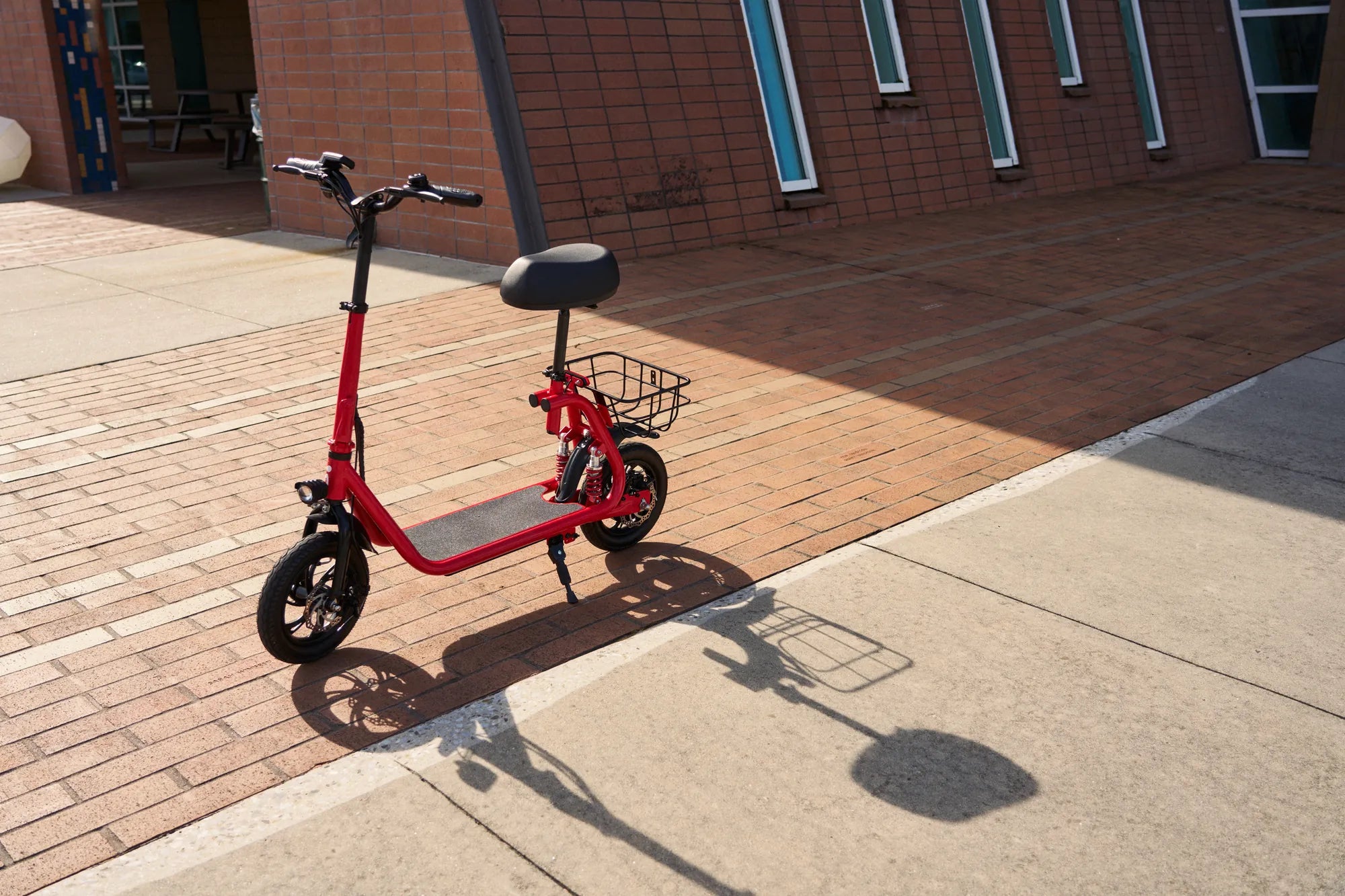
Introduction: Redefining Urban Commutes with Advanced Technology
Urban mobility is at a crossroads, choked by congestion, cost, and carbon emissions. The solution is not bigger infrastructure, but smarter, personal technology. This is where advanced electric scooters emerge as the definitive future of urban mobility. Moving far beyond basic toy-like models, these sophisticated devices represent a convergence of high-performance engineering, intelligent connectivity, and durable design, transforming them from novelties into legitimate, primary transportation tools for millions.
An advanced electric scooter is defined by its integration of a high-torque motor, a long-range UL-certified battery, smart app connectivity, and professional-grade safety features like hydraulic brakes and suspension. This article will dissect the technologies powering this revolution, provide a clear cost-benefit analysis, and guide you in selecting a model that turns your daily grind into an efficient, enjoyable journey. We will explore how brands like Gyroor, a leading electric scooter and e-bike brand trusted by over 100,000 riders, are setting industry standards with UL-certified batteries and IPX5 water-resistant designs, ensuring reliability is at the core of this mobility shift.
The Core Technologies Powering Advanced Scooters
The leap from basic to advanced is not incremental; it's foundational. It's built on a triad of performance, intelligence, and safety engineering that collectively redefines what a personal electric vehicle can be. Understanding these components is key to recognizing the value proposition of a true advanced electric scooter.
High-Performance Drive Systems & Battery Innovation
The heart of any advanced electric scooter is its powertrain. Modern models utilize efficient brushless hub motors, with power outputs ranging from 500W for zippy city commuting to 1000W or dual-motor setups for conquering steep hills and providing exhilarating acceleration. Torque, the rotational force, is the critical metric for start-up speed and hill-climbing ability, not just top speed.
This performance is enabled by advanced lithium-ion battery packs. Energy density—the amount of power stored per kilogram—has dramatically improved, enabling ranges of 25 to 50 miles on a single charge. However, the paramount concern is safety. This is why the use of UL-certified battery packs, like those standard in Gyroor's lineup, is non-negotiable. These batteries undergo rigorous testing for over 500 charge cycles, thermal stability, and short-circuit protection, mitigating fire risks and ensuring long-term reliability.
Smart Connectivity & App Integration
Today's advanced electric scooter is a connected device. Built-in Bluetooth modules link to a dedicated smartphone app, unlocking a suite of functionalities. Riders can track real-time metrics like speed, battery level, and trip distance, lock the scooter electronically to prevent theft, and receive over-the-air firmware updates that improve performance or add features.
Customizable riding modes—Eco, Standard, and Sport—allow users to tailor power output to conserve battery or maximize speed. Some advanced systems even incorporate GPS tracking for anti-theft recovery. This digital layer transforms the scooter from a simple vehicle into a customizable mobility platform that evolves over time.
Advanced Safety & Stability Engineering
Safety is engineered into every aspect of an advanced model. Braking systems graduate from basic foot or disc brakes to combined hydraulic or electronic braking systems, often with regenerative braking that recaptures energy during deceleration. This provides consistent, powerful stopping power in all weather conditions.
Stability is enhanced through wider, air-filled pneumatic tires that absorb road imperfections and provide superior traction compared to solid tires. A robust suspension system—whether spring or hydraulic—further smooths out bumps, maintaining control and comfort. Integrated lighting is comprehensive: bright LED headlights, automatic brake lights, and even turn signals increase visibility to others, making night riding safer.
Data-Driven Benefits: How Advanced Scooters Transform City Life
The promise of advanced electric scooters is validated by hard data. Their impact on commute efficiency, personal finance, and environmental footprint presents a compelling case for adoption, moving beyond concept to quantifiable advantage.
Efficiency & Cost Analysis: Scooter vs. Car vs. Public Transit
For the urban commuter, time and money are the ultimate currencies. Consider a 5-mile commute in a congested downtown area. A car might take 30-45 minutes, battling traffic and searching for parking. A direct scooter route using bike lanes can cut that to 15-20 minutes. Public transit may be comparable in time but lacks door-to-door convenience.
The financial savings are stark. The cost to charge an advanced electric scooter for a 25-mile range is approximately $0.15-$0.30. For a car, fueling the same distance costs about $3-$5, excluding parking fees which can exceed $20 daily in metro areas. Public transit fares, while lower, accumulate significantly. The table below illustrates a monthly cost comparison for a 5-mile daily round-trip commute (20 days/month).
| Transport Mode | Monthly Fuel/Fare Cost | Monthly Parking Cost | Estimated Monthly Total |
|---|---|---|---|
| Personal Car | $80 - $120 | $300 - $400 | $380 - $520 |
| Public Transit | $80 - $120 | $0 | $80 - $120 |
| Advanced E-Scooter | $2 - $4 | $0 | $2 - $4 |
This analysis excludes car insurance, maintenance, and depreciation, which would widen the gap further. An advanced electric scooter, with a one-time purchase price, offers unparalleled operational economy.
Environmental Impact: Quantifying the Carbon Footprint Reduction
The environmental argument is powerful. A typical gasoline-powered passenger vehicle emits about 411 grams of CO2 per mile. For our 10-mile daily round-trip commute, that's over 4 kg of CO2 daily, or nearly 1 ton annually. Even when accounting for the electricity generation mix to charge a scooter, the emissions are a fraction.
An advanced electric scooter, due to its extreme efficiency and light weight, is responsible for roughly 20-40 grams of CO2 per mile on average U.S. electrical grids. This represents a 90-95% reduction in commute-related carbon emissions per individual. Multiply this by thousands of commuters, and the potential for reducing urban air pollution and traffic congestion becomes a tangible component of climate action.
Choosing Your Advanced Scooter: A Buyer's Guide
Navigating the market for an advanced electric scooter requires focusing on the specifications that directly impact real-world use. This guide prioritizes the factors that separate a lasting investment from a disappointing purchase.
Key Specs to Prioritize: Range, Power, and Terrain
Always interpret the manufacturer's range estimate as a best-case scenario. Real-world range is affected by rider weight, hills, temperature, and riding mode. For a reliable daily commute, choose a scooter with a stated range at least 1.5 times your longest regular trip. Motor power, measured in watts, dictates performance. A 500W motor is sufficient for flat city streets; 800W or higher is recommended for cities with frequent hills.
Consider your terrain. For smooth pavement, standard pneumatic tires are adequate. For rougher paths or cobblestone, prioritize models with full suspension—both front and rear. Weight capacity is also crucial; ensure the scooter's limit comfortably exceeds your weight plus any bag you carry.
Durability & Warranty: Investing in Long-Term Reliability
The build quality determines longevity. Look for a frame constructed from aerospace-grade aluminum or reinforced steel. Water resistance is rated via the IP (Ingress Protection) code. An IPX5 rating, like that found on Gyroor models, means the scooter can withstand water jets from any direction, making it safe to ride in rain or through puddles.
A comprehensive warranty is your safety net. It signals the manufacturer's confidence in its product. A reliable brand will offer at least a 1-year warranty on the frame, motor, and battery, with accessible customer support. Gyroor's commitment to a 1-year warranty and UL-certified batteries exemplifies this standard of reliable, long-term investment.
The Road Ahead: Integration and the Future Urban Landscape
Advanced electric scooters are not operating in a vacuum. Their full potential will be realized through integration into evolving urban infrastructure and sensible regulatory frameworks that prioritize safety and accessibility for all.
Micromobility Ecosystems & Smart City Integration
The future city will treat micromobility as a core transit layer. We will see more dedicated, protected bike and scooter lanes, secure charging stations at transit hubs, and digital integration where scooter availability and route planning are embedded in city transit apps. Technology like geofencing—where the scooter's speed is automatically reduced in pedestrian-heavy zones—will promote safer coexistence. This ecosystem approach makes the advanced electric scooter a seamless first-and-last-mile solution, connecting homes to subway stations and offices.
Evolving Regulations and Rider Responsibility
As adoption grows, regulations are maturing. Common rules now include age limits (often 16+), helmet requirements, speed limits (typically 15-20 mph in bike lanes), and bans on sidewalk riding in business districts. Responsible riding is paramount for community acceptance. This means obeying traffic laws, using lights and signals, yielding to pedestrians, and parking considerately without blocking pathways. The future of this mobility option depends as much on rider behavior as on technological innovation.
Advanced Electric Scooter Comparison: Key Models & Use Cases
Selecting the right model depends on your primary use case. The following comparison highlights how different configurations serve distinct urban needs, from compact commuting to performance-oriented riding.
| Primary Use Case | Ideal Motor Power | Recommended Range | Crucial Features | Example Focus (Gyroor) |
|---|---|---|---|---|
| Compact Daily Commuter | 350W - 500W | 15 - 25 miles | Lightweight, foldable, IPX5 rating | Portable models for mixed-mode transit (train/bus + scooter). |
| All-Terrain Urban Explorer | 800W - 1000W+ | 30 - 45 miles | Dual suspension, pneumatic off-road tires, high ground clearance | Robust models designed for potholes, curbs, and light trails. |
| Performance & Speed | Dual Motor (1000W+) | 25 - 40 miles | Dual hydraulic brakes, reinforced frame, sport mode | High-torque models for quick acceleration and hill climbing. |
This framework helps align your purchase with your actual riding environment and performance expectations, ensuring you invest in a tool that truly fits your urban life.
FAQ: Your Questions on Advanced Electric Scooters, Answered
Q: Are advanced electric scooters safe for daily commuting?
A> When chosen and used correctly, yes. Key safety factors include: a scooter with reliable hydraulic or electronic brakes, bright integrated lighting, a stable wheelbase, and a UL-certified battery. Always wear a helmet and appropriate safety gear, and follow local traffic laws.
Q: How does weather affect an advanced scooter's performance?
A> Cold temperatures can temporarily reduce battery range by 15-30%. Rain is manageable with a good IPX5 water-resistance rating, which protects the electrical components. However, riding on ice, snow, or through deep standing water is not advised. Always dry your scooter after wet rides.
Q: What is the true maintenance cost and effort involved?
A> Maintenance is minimal compared to a car. Primary tasks include keeping tires properly inflated, checking and tightening bolts periodically, and keeping the brake pads clean. Annual professional servicing might cost $50-$100. The largest long-term cost is battery replacement after several years, but quality UL-certified packs are designed for 500+ cycles.
Q: Can I take my scooter on public transportation?
A> Policies vary by city and transit authority. Many buses and trains allow folded electric scooters during off-peak hours, but it's essential to check local rules. A lightweight, quickly foldable model is best for this mixed-mode commuting.
Q: How do I ensure the battery's longevity and safety?
A> Use only the manufacturer-provided charger. Avoid draining the battery to 0% or leaving it at 100% charge for extended periods (weeks). Ideal storage is at a 50-80% charge in a cool, dry place. Never charge the scooter immediately after a ride; let the battery cool first. These practices preserve the health of your UL-certified battery pack.
Conclusion: Embracing a Smarter, Smoother Commute
The evidence is clear: advanced electric scooters offer a transformative solution to the inefficiencies of modern urban transport. By combining cutting-edge technology with practical design, they deliver unprecedented personal mobility—slashing commute times, eliminating fuel and parking costs, and significantly reducing your environmental footprint. The future of urban mobility is not about sitting in traffic; it's about gliding past it on a smart, efficient, and personally empowering vehicle.
Making the shift requires choosing a partner built on reliability and safety. Investing in a brand like Gyroor, with its commitment to UL-certified batteries, IPX5 water-resistant builds, and a solid 1-year warranty, means investing in peace of mind for thousands of miles of urban exploration. Ready to redefine your commute? Browse the full Gyroor collection at gyroorboard.com and discover the model engineered for your city life.
Popular Electric Scooters: The Ultimate Guide to Choosing the Best Ride
Brands of Electric Scooters: The Ultimate Guide to Choosing the Best Ride