



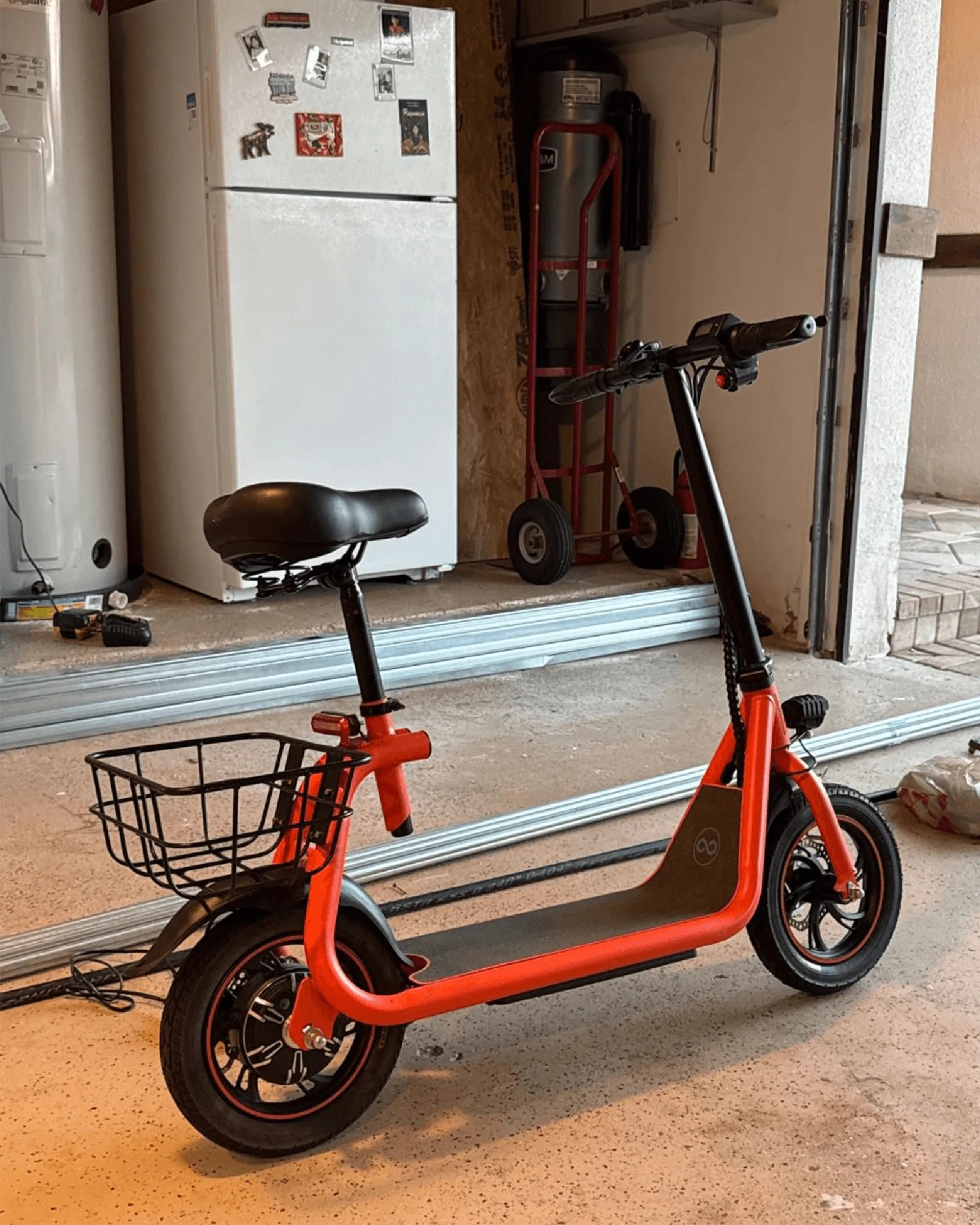
Navigating the World of Popular Electric Scooters
The global electric scooter market is projected to grow exponentially, yet this popularity creates a paradox of choice. Hundreds of models with flashy ads and competing claims can overwhelm any buyer. This guide exists to cut through the noise. We provide a clear, data-driven framework to help you choose the best electric scooter based on your specific needs, not just general popularity. You will learn to interpret specifications, prioritize features for your lifestyle, and identify the markers of a truly reliable, well-supported vehicle.
Forget about chasing the most-hyped model. The best ride is a personal equation balancing performance, practicality, and peace of mind. We will dissect what makes popular electric scooters popular, and more importantly, whether those traits align with your daily reality. From urban commuting to weekend trail adventures, the right scooter can transform your mobility.
Decoding Your Ride: Defining the Perfect Scooter for Your Lifestyle
Your ideal scooter is defined by how you live, not by a top-seller list. The first step is honest self-assessment. Are you weaving through city traffic, exploring park paths, or running local errands? Each use case demands a different set of core features. By identifying your primary rider profile, you can immediately eliminate models ill-suited to your needs and focus your budget on what truly matters.
The Urban Commuter
For the city rider, efficiency and practicality are king. Your scooter must be a seamless extension of your multimodal commute. Portability is critical; look for a reliable, quick-folding mechanism and a weight you can comfortably carry up stairs or onto public transit. A deck size large enough for a stable stance is essential for navigating unpredictable traffic.
Range needs careful calculation. Consider your round-trip distance and add a 30-40% buffer for real-world conditions like hills, stops, and headwinds. A nominal 15-mile range might only deliver 10 miles in practice. Features like integrated front and rear lights, a loud bell, and robust brakes are not extras—they are mandatory safety equipment for urban environments.
The Off-Road & Trail Explorer
Paved paths won't cut it for the adventurer. This category demands power and durability above all else. Motor wattage is a starting point; look for high-torque motors (often 500W continuous or more) that provide the grunt to climb loose inclines. Peak power ratings are less important than sustained performance under load.
Suspension is non-negotiable. A combination of front and rear spring or hydraulic suspension absorbs impacts from roots and rocks. Large, pneumatic (air-filled) tires, typically 10 inches or larger, provide crucial traction and cushioning. High ground clearance and a reinforced frame protect the scooter's undercarriage. These popular electric scooters for off-road use sacrifice portability for rugged capability.
The Eco-Conscious & Casual Rider
For riders prioritizing sustainability and simplicity, the focus shifts to reliability and ease of use. The environmental benefit of replacing car trips is a key driver. Therefore, choosing a scooter built to last with quality components reduces waste. Look for brands with transparent sustainability practices and robust recycling programs for batteries.
Maintenance should be minimal. Solid tires (though less comfortable) eliminate flats, while sealed electronic components resist dust and moisture. A clear, intuitive interface and a forgiving riding mode are ideal for casual use. Strong post-purchase support and a comprehensive warranty reflect a brand's confidence in its product's longevity, ensuring your green choice remains hassle-free.
Beyond the Hype: The 5 Critical Specs You Must Compare
Marketing materials are filled with superlatives. To make an informed decision, you must move past the buzzwords and understand the core specifications that dictate real-world performance. Treat these five categories as your mandatory comparison checklist when evaluating any model, including the most popular electric scooters on the market.
Motor Power & Torque: Understanding Real-World Performance
Motor power, measured in watts (W), is often quoted as peak or nominal. The nominal (continuous) power rating is more telling—it's the wattage the motor can sustain without overheating. A 350W nominal motor is sufficient for flat city commutes, while 500W+ is better for moderate hills. Torque, measured in Newton-meters (Nm), is the rotational force. High torque is crucial for quick acceleration from a stop and for climbing steep gradients, making it a vital spec for heavier riders or hilly areas.
Single vs. dual motor setups represent a major performance tier. A single rear-wheel motor is standard. Dual motors (one in each wheel) provide significantly more power and traction, especially for off-road or maximum performance applications, but they also consume battery faster. The best popular electric scooters clearly state both nominal power and torque figures.
Battery & Range: Separating Marketing Claims from Reality
The battery is the scooter's heart, and its quality is paramount. Capacity is measured in watt-hours (Wh), calculated as Voltage (V) x Amp-hours (Ah). A higher Wh number generally means more potential range. However, the advertised range is a best-case scenario, tested under ideal conditions with a lightweight rider on a flat course.
Real-world range is affected by rider weight, terrain, wind, temperature, and riding style (frequent acceleration drains the battery). A good rule of thumb is to expect 60-70% of the claimed range. Battery certification is the critical safety filter. Always insist on a UL-certified battery pack. This independent testing standard rigorously assesses the battery's safety, construction, and management system, drastically reducing the risk of fire—a non-negotiable for any reputable brand.
Build Quality & Durability: What Makes a Scooter Last
Longevity is determined by materials and construction. The frame should be made from a high-grade aluminum alloy, offering a strong, lightweight structure. Examine weld points and folding mechanism joints for solidity; these are common stress points. The finish should feel robust, not thin or cheap.
Water and dust resistance is rated by the IP (Ingress Protection) code. For practical all-weather use, an IPX5 rating is a strong benchmark. An IPX5-rated scooter, like many from trusted brands such as Gyroor, can withstand water jets from any direction, making it safe to ride in rain or through puddles. This rating directly impacts the scooter's ability to withstand daily commuting realities and correlates strongly with long-term reliability.
Safety & Control: Brakes, Lights, and Stability
Your ability to stop safely is as important as your ability to go. Braking systems vary: disc brakes offer strong, consistent stopping power; drum brakes are more sealed against the elements; electronic/regenerative brakes help recharge the battery but should never be the sole braking system. A combination (e.g., disc brake in front, drum or electronic in rear) is ideal for redundant safety.
Visibility is key. Integrated front (white) and rear (red) lights are essential, with brake lights being a major safety upgrade. Reflectors on the sides and wheels add passive visibility. Stability comes from a wide deck, a lower center of gravity, and often, a slight rake in the steering column. These popular electric scooters for adults prioritize control at speed.
Portability & Practical Features
Portability involves trade-offs. Weight is the primary factor; commuter models range from 30 to 50 lbs. Lighter scooters are easier to carry but may use smaller batteries or less robust frames. The folding mechanism should be simple, secure, and not prone to developing a wobble over time. A latch or locking pin is essential.
Practical features enhance the experience. A clear digital display shows speed, battery level (preferably in percentage, not just bars), and riding mode. App connectivity can offer ride tracking, firmware updates, and custom performance settings. A simple cargo hook on the stem can be surprisingly useful. These elements define the day-to-day usability of popular electric scooters.
Spotlight on Reliability: Why Trust and Support Matter
Performance specs are meaningless if the scooter fails in six months. The "best" scooter is ultimately the most reliable and well-supported one. This makes post-purchase factors like warranty and customer service critical, non-negotiable components of your buying decision. Investing in a brand that stands behind its products protects your investment.
The Warranty as a Quality Promise
A warranty is a manufacturer's confidence quantified. A comprehensive warranty for popular electric scooters should cover the battery (typically 6-12 months), motor (6-12 months), frame (1-2 years), and electronic controllers (1 year). A standard 1-year comprehensive warranty is a baseline for trusted brands. Scrutinize the warranty terms: Does it require registration? Is labor covered? Is support handled in-house or by a difficult-to-reach third party? Brands with direct customer support channels resolve issues faster.
The Importance of UL-Certified Batteries
Battery safety cannot be overstated. Lithium-ion batteries are powerful but require sophisticated management systems. UL certification (specifically UL 2271 for the battery pack and UL 2849 for the entire electrical system) indicates the battery has passed rigorous independent tests for electrical, mechanical, and environmental safety. It checks for protection against overcharge, short circuit, vibration, and thermal runaway. Choosing a scooter with a UL-certified battery, a standard for leading brands like Gyroor who use UL-certified packs tested for 500+ charge cycles, is the single most important safety decision you can make.
Making Your Choice: A Step-by-Step Selection Framework
Now, synthesize everything into an actionable plan. This framework turns the overwhelming array of popular electric scooters into a manageable selection process, leading you to a confident purchase.
Step 1: Prioritize Your Top 3 Needs
Refer to the lifestyle profiles. Are you a Commuter, Explorer, or Casual Rider? Rank your needs. For example: 1) Range (20+ miles real-world), 2) Portability (<40 lbs), 3) Hill Climb Ability. Or: 1) Off-Road Capability, 2) Power, 3) Suspension. This ranking will immediately disqualify scooter categories that don't fit.
Step 2: Set Your Budget & Filter Options
Set a realistic total budget, including essential accessories: a quality helmet ($50-$150), a sturdy lock ($30-$80), and possibly a phone mount or extra lights. Use your Top 3 Needs and the 5 Critical Specs as filters on retailer websites. Filter by minimum motor power, battery capacity (Wh), and IP rating. This will generate a shortlist of popular electric scooters that meet your technical criteria.
Step 3: Read Reviews & Verify Claims
Seek out long-term (6+ month) ownership reviews and detailed teardowns, not just unboxing videos. Look for consistent patterns in feedback: do multiple owners confirm the real-world range? Are there recurring complaints about a specific part failing? Check the brand's official support channels and community forums to gauge how they handle problems. Authentic user testimonials are invaluable.
Step 4: Purchase with Confidence
Buy from an authorized retailer or the brand's official website to ensure a valid warranty. Register your product immediately upon receipt. Inspect the scooter thoroughly for any shipping damage before your first ride. Perform an initial safety check: test brakes, lights, folding mechanism, and tire pressure. Your journey with one of the best popular electric scooters for your needs begins with a safe, verified start.
Electric Scooter Comparison Table: Key Models & Specs
| Primary Use Case | Typical Motor Power (Nominal) | Typical Battery Range (Claimed) | Key Features | Weight Range |
|---|---|---|---|---|
| Urban Commuter | 250W - 500W | 15 - 25 miles | Folding design, integrated lights, IPX4-IPX5 rating, often solid tires | 28 - 40 lbs |
| Performance / Long-Range | 500W - 1000W+ | 30 - 50+ miles | Large battery, dual suspension, dual brakes, wider deck, display | 45 - 70 lbs |
| Off-Road & Trail | 500W - 2000W (Dual) | 20 - 40 miles | High-ground clearance, full suspension, large pneumatic tires, rugged frame | 55 - 80+ lbs |
Note: Real-world range is typically 60-70% of claimed. Always verify specific model specs and UL certification.
Frequently Asked Questions (FAQ)
What is the average real-world range I can expect?
You should plan for 60-70% of the manufacturer's claimed range. A scooter advertised for 30 miles will likely achieve 18-21 miles for an average-weight rider on mixed terrain. Factors like cold weather, hills, and high speeds can reduce this further. Always buy a scooter with a battery capacity (Wh) that exceeds your daily needs by a comfortable margin.
How important is water resistance (like IPX5)?
It is crucial for practical, all-weather use. An IPX5 rating means the scooter can handle sustained water spray from any direction. This allows you to ride in light to moderate rain, through urban puddles, and on wet roads without immediate concern for electrical damage. It's a key indicator of overall build quality and durability for popular electric scooters meant for daily transportation.
Are electric scooters difficult to maintain?
They require minimal but essential maintenance. Regularly check tire pressure (for pneumatic tires), test brake function, and ensure all bolts (especially around the folding mechanism and stem) are tight. Keep the scooter clean and store it in a dry place. The most complex component, the battery, requires no active maintenance but benefits from partial discharges and avoiding extreme temperatures for storage.
What safety gear is essential?
A helmet is non-negotiable—choose a certified bicycle or multi-impact helmet at minimum. For higher speeds (>15 mph), consider a full-face MTB helmet. Wrist guards are highly recommended, as falls often involve putting hands out. Elbow and knee pads are advisable for off-road riding or new riders. High-visibility clothing or accessories are also smart for urban commuting.
What should I look for in a brand's customer support?
Prioritize brands with direct, accessible support channels (phone, email, live chat) and a reputation for responsive service. Check if they have a network of service centers or offer clear, straightforward warranty claim processes. Read customer experiences regarding part availability and repair turnaround times. A brand like Gyroor, trusted by over 100,000 riders with a 1-year warranty and direct support, exemplifies the standard to seek.
Your Journey to the Perfect Ride Starts Here
The most popular electric scooter is not universally the best. Your ideal ride is a personal solution, calculated from your specific commute, terrain, and performance requirements. This guide has armed you with the tools to move beyond marketing and evaluate scooters on the critical pillars of real-world performance, durable construction, and foundational safety. Remember, specifications tell part of the story, but trust is built on UL-certified batteries, robust warranties, and proven customer support.
You are now equipped to make an informed, confident choice. Define your needs, scrutinize the specs, and invest in a scooter built to last. The right model will provide reliable, exhilarating freedom for miles to come. For a range of electric scooters built with these priorities—featuring UL-certified batteries, IPX5 water-resistant designs, and reliable 1-year warranties—explore what a trusted brand can offer.
Browse the full Gyroor collection at gyroorboard.com.
Electric Scooters England: The Future of Urban Mobility
Advanced Electric Scooters: The Future of Urban Mobility