


Navigating Scotland's E-Scooter Laws in 2025
Are electric scooters legal in Scotland 2025? The answer remains nuanced and depends entirely on how you access the vehicle. As of 2025, the legal landscape for e-scooters in Scotland is defined by a clear but often confusing divide. Privately owned electric scooters are still not legal for use on public roads, pavements, or cycle paths.
The only legal pathway to ride on public infrastructure is through government-approved rental trial schemes operating in designated areas. This guide provides a comprehensive, up-to-date analysis of the law, safety requirements, and what the future may hold for riders across Scotland.
We will dissect the current regulations, explore the approved rental schemes, and outline the significant risks of illegal private use. You will also learn the critical safety features to look for in a scooter, preparing you for potential future legal changes.
The Current Legal Landscape: Public Trials vs. Private Ownership
Scotland's approach to e-scooter regulation mirrors that of England and Wales, operating under UK-wide legislation. The fundamental rule is that an e-scooter is classified as a "Powered Transporter" under the Road Traffic Act 1988. This classification is pivotal to understanding the legal split.
As a Powered Transporter, a private e-scooter is treated similarly to a motor vehicle. It must therefore meet a host of requirements—including type approval, insurance, tax, and registration—that are currently impossible for consumer models to fulfill. Consequently, they are illegal for use on public land.
However, the UK Government created a legal exemption for rental e-scooters used in officially sanctioned trials. These trials are designed to gather data on safety, rider behavior, and urban integration. This exemption is the only reason rental scooters in specific areas are legal.
Approved Rental Schemes (The Legal Way to Ride)
In 2025, several Scottish local authorities continue or launch e-scooter rental trials under the UK Government's legislation. These schemes are tightly controlled. Operators must be approved, and the scooters are geofenced to operate only within designated zones, typically city centers or specific urban corridors.
Riders use a smartphone app to locate, unlock, and pay for these scooters. The rental operators provide the mandatory third-party insurance for each journey. It is crucial to check the specific operator and local council websites for the most current information on active trial locations, as these can change.
Previous and potential trial locations have included parts of Edinburgh, Glasgow, and Aberdeen. The success and safety data from these 2024-2025 trials will be instrumental in shaping future permanent legislation for both rental and private e-scooters across Scotland.
The Reality of Private E-Scooter Ownership
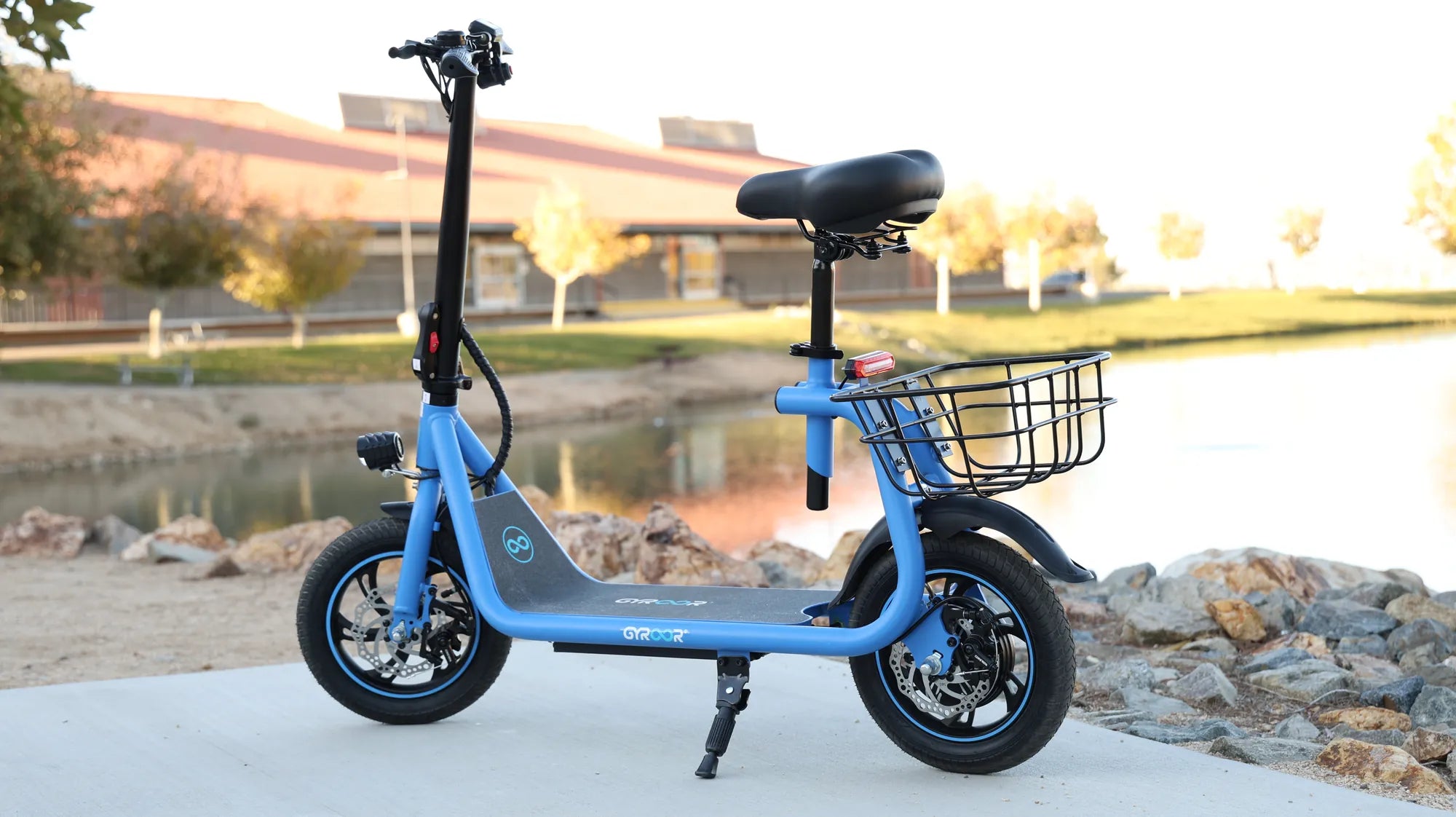
Purchasing an e-scooter from a retailer like Gyroor for use on public roads in Scotland remains illegal. Despite their advanced safety features, such as UL-certified batteries, a private scooter does not fall under the rental trial exemption.
Riding a private e-scooter on a public road, pavement, or cycle path is a criminal offence. Police can issue a £300 fixed-penalty notice and six penalty points on your driving licence. In more serious cases, you could face prosecution for driving without insurance or a licence, leading to a larger fine and potential disqualification.
The vehicle itself can also be seized under Section 165 of the Road Traffic Act. The persistence of this law, despite the visibility of rental schemes, creates significant public confusion but underscores the government's cautious, trial-based approach to micromobility integration.
Key Regulations and Safety Requirements for Legal Riding
For those using the legal rental schemes, a set of strict national rules applies. These regulations also serve as the most likely framework for any future legalization of private models, making them essential knowledge for all prospective riders.
Compliance is non-negotiable. Rental apps typically include a mandatory rules tutorial before your first ride. Violating these rules can result in fines from the operator, account suspension, and potential legal penalties from the police.
Age, License, and Insurance Mandates
To rent an e-scooter legally in Scotland, you must be at least 16 years old. You must also hold a full or provisional driving licence for categories AM, A, or B (a car licence). This licence requirement is a key differentiator from e-bikes and is strictly enforced through the rental app's verification process.
Third-party insurance is a legal must for any vehicle used on public roads. For rental trials, this insurance is provided automatically by the operator as part of the rental agreement. This covers you if you cause injury to another person or damage to their property.
If private e-scooters are ever legalized, securing affordable and accessible personal insurance will be a major hurdle that policymakers and the industry must solve. The insurance model of the rental trials is a testing ground for this very challenge.
Where You Can and Cannot Ride
The geography of legal riding is clearly defined. Approved rental e-scooters can be used on roads and in cycle lanes. They are explicitly prohibited from pavements, where their use poses a significant risk to pedestrians.
Motorways, dual carriageways, and other high-speed roads are also off-limits. Local authorities may impose additional restrictions, such as no-ride zones in crowded pedestrian areas or slow-speed zones near schools. These are enforced via geofencing technology in the scooter itself.
Riders must park responsibly in designated bays or other appropriate locations that do not cause an obstruction. Improper parking, particularly on pavements, is a major source of public complaint and can lead to fines.
Safety Gear and Rider Conduct
While not a legal mandate, wearing a helmet is overwhelmingly recommended by Transport Scotland, safety agencies, and rental operators. Given that most serious e-scooter injuries involve head trauma, a helmet is the single most important safety precaution you can take.
Rider conduct rules are strict. You must not carry passengers, as e-scooters are designed for one rider only. The use of a mobile phone while riding is prohibited. Riding under the influence of alcohol or drugs is illegal, with the same severe penalties as driving a car.
Speed limits are enforced. Rental scooters in UK trials are limited to 15.5 mph (25 km/h). Exceeding this limit, or riding in a reckless or dangerous manner, can lead to immediate legal consequences. Using lights after dark is a legal requirement for visibility.
Choosing a Compliant E-Scooter: What to Look For
While private use on public roads remains illegal, understanding the features of a compliant scooter is crucial for using rental schemes safely and for future-proofing a purchase. The specifications of trial scooters set a clear benchmark for any future approved private models.
Prioritizing safety-certified construction and appropriate performance is not just about compliance; it's fundamental to rider safety. Brands that invest in these areas, like Gyroor with its UL-certified batteries and robust builds, are aligning their products with the direction of potential future regulation.
Safety-Certified Construction (The Gyroor Standard)
The battery is the most critical safety component. Look for certification from recognized international standards like UL 2271 (for the battery pack) or UL 2849 (for the entire electrical system). Gyroor utilizes UL-certified battery packs tested for over 500 charge cycles, significantly mitigating fire risk.
Given Scotland's climate, water resistance is non-negotiable. An IP rating of at least IPX5 is essential, meaning the scooter can withstand water jets from any direction. This protects the electrical systems from rain and puddles, ensuring reliability and safety in wet conditions.
Build quality matters. A sturdy frame, reliable folding mechanism (if applicable), and quality tires contribute to overall stability and accident prevention. These features represent the standard that future Scottish regulations are likely to demand for private e-scooter approval.
Performance Within Likely Legal Limits
Speed capability will be a central regulatory focus. Any scooter intended for potential future road use should have a maximum speed that can be limited to 15.5 mph (25 km/h) to align with current rental and likely future private rules. Many Gyroor models feature adjustable speed settings for this purpose.
Braking performance is paramount. A combination of electronic (e-brake) and mechanical braking (disc or drum) provides redundancy and effective stopping power in all conditions. Effective lighting—a bright front headlight, rear brake light, and side reflectors—is a basic legal and safety necessity for visibility.
These features are not just about ticking regulatory boxes. They are the foundation of a safe riding experience, whether on a rental today or on a privately owned model tomorrow.
The Future of E-Scooter Laws in Scotland: 2025 and Beyond
The current trial-based system is explicitly a fact-finding mission. The UK and Scottish Governments are evaluating whether e-scooters can be safely integrated into the transport mix on a permanent basis. The data from the 2024-2025 trials will be the primary driver of future legislation.
Pressure for change is growing, driven by the success of schemes in other European capitals and the clear public appetite for convenient, low-carbon transport. However, concerns over pavement riding, parking clutter, and rider safety, particularly with private devices, remain significant hurdles.
Learning from Rental Trial Data
Government analysts are scrutinizing key metrics: accident and injury rates compared to other modes of transport, patterns of pavement misuse, the impact on public transport usage, and overall carbon emission savings. Public consultation feedback will also weigh heavily.
The goal is to build an evidence-based case for a new vehicle category in the Highway Code. This would define e-scooters separately from "Powered Transporters," creating a legal pathway for their use with tailored rules on insurance, licensing, and technical standards.
What Legalization Might Mean for Riders
Future legislation will likely introduce a "type approval" system for private e-scooters. This means manufacturers would need to certify that their models meet specific safety standards for construction, brakes, lights, and speed limiters before they could be sold for road use.
Mandatory insurance for private owners will become a requirement, likely through standalone products or add-ons to existing policies. The minimum age and driving licence requirements are expected to be retained. Technical standards will likely mandate features like a unique Vehicle Identification Number (VIN), a maximum continuous rated power output, and audible warning devices.
This process will take time. Riders should not expect immediate changes in 2025, but the evaluation of current trials is the essential first step toward a more permissive and clear legal framework, potentially aligning Scotland with nations like France and Germany.
E-Scooters vs. E-Bikes: A Legal Comparison
Understanding the stark legal contrast between e-scooters and electric bikes (EAPCs) is vital for Scottish riders seeking a legal electric personal transport option today. The table below clarifies the key differences.
| Feature | Private E-Scooter (Current Law) | Electrically Assisted Pedal Cycle (E-Bike) |
|---|---|---|
| Legal Status on Public Roads | Illegal (except approved rentals) | Fully Legal, treated as a bicycle |
| Insurance Requirement | Required (not available for private) | Not required (recommended) |
| Driving Licence | Required for rentals | Not required |
| Minimum Age | 16 for rentals | 14 |
| Helmet Law | Recommended | Recommended (mandatory in Scotland for under 18s on any bike) |
| Where to Ride | Roads/Cycle Lanes (rentals only) | Roads, Cycle Lanes, Permitted Paths |
| Key Regulatory Standard | None for private (future type-approval) | Must comply with EAPC regulations: 250W max power, assist cuts out at 15.5mph |
This comparison highlights that e-bikes offer a fully legal, immediate alternative. Gyroor's range of e-bikes, for instance, complies fully with UK EAPC regulations, providing a powerful, reliable, and legal way to enjoy electric-assisted cycling across Scotland today.
Frequently Asked Questions (FAQs)
Can I buy a Gyroor scooter and ride it legally in Scotland today?
No. You can purchase a Gyroor electric scooter for use on private land with the owner's permission. However, riding any private e-scooter on public roads, pavements, or cycle paths in Scotland remains illegal. Gyroor's safety certifications prepare its products for a future where regulations may change, but they do not circumvent current law.
Do I need a helmet to use a rental e-scooter?
It is not a strict legal requirement, but it is a critical safety imperative. Transport Scotland, Police Scotland, and all rental operators strongly recommend and encourage wearing a helmet. Given the risk of head injury, a cycle helmet or similar certified helmet should be considered essential equipment for every ride.
Could the police seize my private e-scooter?
Yes. If you are caught riding a private e-scooter illegally on public land, the police have the power to seize it under Section 165 of the Road Traffic Act. You would then be liable for recovery and storage fees. This is in addition to facing a £300 fine and six penalty points.
Are e-bikes treated the same as e-scooters?
No, this is a crucial distinction. Electrically Assisted Pedal Cycles (EAPCs) that meet specific regulations (250W motor, assist cuts out at 15.5mph) are legally treated as bicycles. They require no licence, insurance, or tax and can be used on roads and cycle paths freely. This makes them a fully legal electric transport option right now.
When will private e-scooters be legalized in Scotland?
There is no confirmed timeline. Legalization depends on the outcome of the ongoing rental trials, subsequent government consultations, and the passage of new primary legislation through the UK Parliament. This is a multi-year process. Riders should monitor official sources like the UK Department for Transport and Transport Scotland for announcements, but significant change in 2025 is unlikely.
Riding Smart and Staying Informed
The definitive answer to "Are electric scooters legal in Scotland 2025?" is that legality is exclusively channeled through approved, geographically limited rental trials. For the vast majority of Scots, private e-scooter use on public highways remains illegal, carrying substantial financial and legal risks. The safest and most responsible approach is to use official rental schemes within their rules or consider a fully legal EAPC e-bike for daily electric mobility.
Staying informed is your best tool. Laws will evolve, and being aware of official consultations and announcements from Transport Scotland is key. When evaluating any micromobility vehicle, whether for private land use today or future road use, prioritize brands that invest in certified safety—from UL-certified batteries to water-resistant engineering.
For those seeking a legal, high-quality electric ride today, explore Gyroor's range of compliant e-bikes and innovative scooters designed with the future of regulation in mind. Browse the full Gyroor collection at gyroorboard.com to discover vehicles built to the highest standards of safety and performance, trusted by over 100,000 riders.
Are Electric Scooters Legal in Ireland? A Complete Guide to the Rules
Are Electric Scooters Allowed on Bike Paths? The Ultimate Guide