



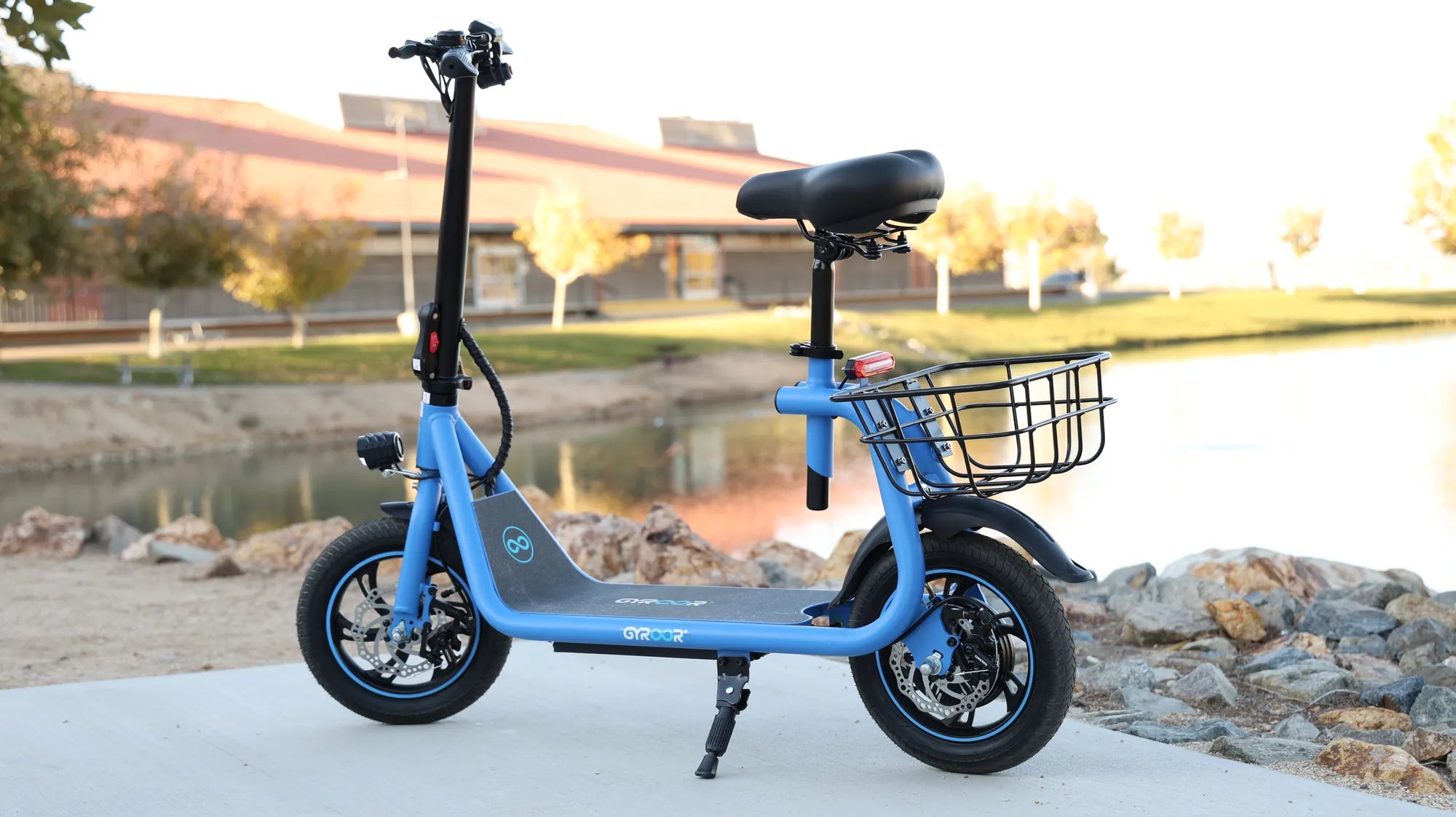
Forget the balancing act. A battery powered adult tricycle offers a fundamentally different proposition: stable, motor-assisted transportation that opens up new possibilities for independence and practical travel. Whether you're a senior seeking a confidence-boosting ride, someone with mobility or balance concerns, or simply a pragmatic individual looking for a car-alternative for groceries and leisure, this guide delivers the comprehensive insights you need. We will dissect the core advantages, decode technical specifications, and provide a clear framework for selecting a reliable electric trike that matches your lifestyle and terrain.
Introduction to Battery-Powered Adult Tricycles
A battery powered adult tricycle, often called an electric trike or e-trike, integrates a battery-powered electric motor with a stable three-wheeled bicycle frame. Its core purpose is to provide assisted propulsion, reducing physical strain while offering unparalleled stability compared to two-wheeled e-bikes or scooters. This design directly addresses the needs of a broad audience who prioritize safety and utility over sporty performance.
The primary user base includes seniors who value the security of not having to balance at stops, individuals managing conditions that affect coordination or stamina, and eco-conscious commuters seeking a practical vehicle for last-mile trips and errand running. The electric assist acts as a customizable boost, flattening hills and extending range without eliminating the option for gentle, health-promoting pedaling.
Modern electric trikes are engineered for real-world use. They feature step-through frames for easy mounting, integrated cargo baskets or racks, and user-friendly controls. Unlike a moped or scooter, they typically allow for pedal-only, motor-only (throttle), or pedal-assist operation, providing maximum flexibility. This versatility makes the battery powered adult tricycle a uniquely accessible gateway to electric personal mobility.
The Core Advantages: Why Choose an Electric Trike?
Choosing a battery powered adult tricycle over a traditional bicycle or standard e-bike is a decision driven by specific, practical benefits. The advantages extend beyond mere transportation to enhance quality of life, promote activity, and provide genuine utility. The three-wheeled design is not a limitation but the foundation of its core value proposition: stable, stress-free mobility.
First, the electric motor eliminates barriers like steep inclines, long distances, and headwinds. This makes trips feasible and enjoyable rather than daunting. Second, the inherent stability allows riders to focus on their surroundings and destination, not on balancing. Finally, the utility capacity transforms the trike from a recreational vehicle into a legitimate tool for reducing car dependency for local shopping and chores.
Unmatched Stability and Safety
The three-point contact with the ground is the most significant safety feature. It completely eliminates the need to balance, which is a common point of anxiety and risk, especially at low speeds or when coming to a stop. This makes starting and stopping effortless and safe, even on uneven surfaces.
This design also results in a lower center of gravity compared to upright bicycles, further enhancing stability, particularly when carrying cargo. For riders with conditions like arthritis, vertigo, or recovering from injury, this stability is not a luxury but a prerequisite for cycling confidence. It allows them to enjoy the outdoors and active travel without the fear of falling associated with two-wheeled options.
Effortless Commuting and Errand Running
The combination of electric power and cargo capacity makes the electric trike a potent errand-running machine. The motor provides consistent assistance, ensuring you arrive at your destination without being sweaty or fatigued, whether you're heading to a meeting or the farmer's market.
Most models come equipped with large rear baskets, front racks, or even lockable storage boxes capable of carrying multiple bags of groceries, a small pet carrier, or a week's worth of packages. This practical utility directly replaces short car trips, saving on fuel and parking hassles while providing fresh air and light activity. It's a seamless integration of sustainable transport into daily life.
Promoting Active, Accessible Mobility
Contrary to the assumption that it eliminates exercise, a battery powered adult tricycle promotes accessible activity. The pedal-assist function allows riders to choose their level of exertion. You can pedal lightly with a significant boost on hills or provide most of the power yourself with just a hint of motor aid.
This encourages regular, low-impact cardiovascular exercise that is gentle on joints. It enables individuals to gradually build fitness and range at their own pace, which is crucial for long-term health maintenance and rehabilitation. The trike becomes a tool for maintaining mobility and independence, offering both physical and mental health benefits by facilitating outdoor engagement and social connection.
Key Features to Evaluate Before You Buy
Selecting the right battery powered adult tricycle requires careful evaluation of several technical and practical features. This is an investment in personal mobility, and understanding these specifications ensures you choose a model that meets your specific needs for performance, range, and durability. A data-driven approach prevents disappointment and ensures long-term satisfaction.
Key evaluation points include motor power for your local terrain, battery capacity for your desired range, and the overall build quality to support your weight plus cargo. Ignoring any of these factors can lead to underperformance or premature wear. The following breakdown provides a clear checklist for comparing models across different brands and price points.
Motor Power and Performance (250W vs. 500W vs. 750W)
Motor wattage (W) is a primary indicator of a trike's power and hill-climbing ability. A 250W motor is suitable for flat to gently rolling terrain and lighter riders, typically offering adequate assist for casual use. A 500W motor provides noticeably more torque, making it a versatile choice for moderate hills, heavier riders, or those carrying significant cargo.
A 750W motor delivers robust power for steep, sustained inclines and offers higher top speeds (though often electronically limited to comply with local regulations, commonly 20 mph for Class 2 devices). It's essential to match motor power to your weight and the steepest hill on your regular route. Insufficient power will drain the battery quickly and provide a poor riding experience.
Battery Range, Safety, and Charging
Manufacturer range claims (e.g., "up to 40 miles") are best-case estimates. Real-world range is affected by rider weight, cargo, terrain, wind, assist level, and tire pressure. A practical rule is to expect 60-70% of the claimed range for mixed-use riding. For reliable daily use, choose a model whose *realistic* range exceeds your longest planned trip.
Battery safety is paramount. Insist on models using **UL-certified battery packs**, which have undergone rigorous testing for electrical, mechanical, and fire safety. These batteries, like those used by Gyroor, are engineered for 500+ charge cycles while maintaining safety integrity. Charging time typically ranges from 4 to 8 hours for a full charge from empty, and it's safest to charge in a dry, indoor area away from flammable materials.
Build Quality, Load Capacity, and Warranty
Frame material impacts weight and durability. Aluminum frames are lighter and rust-resistant, while steel frames are extremely robust but heavier. Check the maximum gross weight capacity, which includes the rider, cargo, and any accessories. Exceeding this limit stresses the frame, motor, and brakes, leading to safety risks and premature failure.
A comprehensive warranty is a non-negotiable indicator of a manufacturer's confidence in their product. Look for a clear **1-year warranty** that covers the motor, battery, controller, and frame against manufacturing defects. This provides essential peace of mind and protects your investment. Brands like Gyroor back their electric trikes with such coverage, reflecting their commitment to quality and customer support.
Gyroor's Approach to Reliable Electric Trikes
As a leading electric mobility brand trusted by over 100,000 riders, Gyroor applies its engineering philosophy directly to the battery powered adult tricycle category. The focus is on delivering reliability, safety, and user-friendly design—core principles that address the primary concerns of trike shoppers. This approach translates into specific features that enhance the ownership experience from day one.
By prioritizing certified components and thoughtful design, Gyroor positions its trikes as dependable tools for daily life rather than novelty items. This reliability is crucial for a vehicle often used by those who depend on it for essential errands and maintaining an active lifestyle. The brand's established presence in North America and Europe also ensures accessible parts and support.
Engineered for Safety and All-Weather Reliability
Safety begins with the battery. Gyroor equips its models with **UL-certified battery packs**, a critical differentiator that mitigates fire risk and ensures long-term performance stability. Furthermore, key electrical components are housed within an **IPX5 water-resistant design**. This rating means the trike can withstand water jets from any direction, protecting it from rain, puddles, and cleaning, which is essential for a vehicle used daily in various weather conditions.
This combination of certified safety and environmental protection means riders can depend on their trike consistently. It reduces anxiety about component failure and extends the vehicle's operational lifespan, ensuring it remains a reliable asset for years.
Designed for Real-World Comfort and Utility
Gyroor's design choices prioritize ease of use and practicality. Expect features like a low step-through frame for effortless mounting and dismounting, an adjustable ergonomic seat, and intuitive handlebar controls for the motor and integrated lighting. Powerful LED headlights and brake lights ensure visibility during dawn, dusk, or night riding.
Utility is built-in, with robust rear cargo racks and often a front basket as standard equipment. The design considers the entire journey—from loading bags securely to navigating traffic safely and parking stably. This holistic approach to the user experience is what separates a well-engineered electric trike from a basic motorized frame.
Making the Right Choice: A Practical Buyer's Guide
Armed with knowledge of features and specifications, the final step is a systematic selection process. This buyer's guide helps you translate your personal needs into a precise set of requirements, narrowing the market to a few suitable models. The goal is to make a confident, informed purchase that aligns with your budget and lifestyle.
Start by honestly assessing how and where you'll ride. Then, match technical specs to those needs. Finally, consider the less tangible but equally important factors of test rides and post-purchase support. Following this structured approach minimizes the risk of buying an electric trike that is either over-spec'd for your needs or, more problematically, underpowered and incapable.
Assess Your Primary Use Case
Ask specific questions: Will you ride primarily on paved bike paths, neighborhood streets, or packed gravel trails? What is the single heaviest load of groceries or cargo you anticipate carrying? What is the longest round-trip distance you plan to undertake without an opportunity to recharge? Be realistic.
Also, consider storage and access. Where will you park and charge the trike? Do you need to navigate it through a standard doorway or into an elevator? Measuring your storage space and the trike's dimensions (especially width) is a crucial, often overlooked step.
Match Specifications to Your Needs
Use the following decision matrix to translate your use case into technical requirements:
| Primary Use & Terrain | Recommended Motor | Recommended Realistic Range | Key Feature Focus |
|---|---|---|---|
| Flat urban errands, light loads | 250W - 350W | 15+ miles | Comfort, basket size, ease of mounting |
| Suburban areas with moderate hills, regular cargo | 500W | 25+ miles | Torque for hills, robust rack, brighter lights |
| Hilly terrain, heavier rider/cargo, longer commutes | 750W | 35+ miles | High torque, hydraulic brakes, premium battery |
The Importance of Test Rides and Support
If possible, test ride a similar model. Feel the seating position, test the assist levels, and practice maneuvering. The ergonomics and "feel" are subjective but vital for long-term enjoyment. Pay attention to the smoothness of the motor engagement and the responsiveness of the brakes.
Finally, choose a brand with accessible, responsive customer support. Questions about assembly, operation, or troubleshooting will arise. A brand that offers clear manuals, video guides, and responsive service channels (like Gyroor's US-based support) provides invaluable peace of mind, ensuring your electric trike remains a source of freedom, not frustration.
Frequently Asked Questions (FAQ)
Q1: Do I need a license or insurance to ride an electric adult trike?
In most jurisdictions in the US and Canada, electric bicycles and trikes with a top motor-assisted speed of 20 mph (Class 2) or 28 mph (Class 3) do not require a driver's license, vehicle registration, or mandatory insurance when operated as a bicycle. However, laws vary by state, province, and locality. Always check your local regulations before riding.
Q2: How far can I realistically expect to travel on a single charge?
As a conservative estimate, plan for 60-70% of the manufacturer's advertised maximum range. If a trike claims "40 miles," a realistic range for mixed use (some hills, medium assist level) is 25-30 miles. Factors that reduce range include higher assist levels, hills, headwinds, heavier loads, and under-inflated tires.
Q3: Can I still pedal it if the battery runs out?
Yes. A battery powered adult tricycle functions as a heavy but functional traditional trike when the battery is depleted. The motor typically adds some resistance when off, but pedaling is entirely possible. It's wise to maintain a charge level that ensures you have assist for challenging parts of your return journey.
Q4: Where is it legal to ride? (Sidewalks, bike lanes, roads?)
Laws vary, but generally, electric trikes should follow the same rules as bicycles. They are typically permitted in bike lanes and on roads. Riding on sidewalks is often prohibited for adult electric vehicles, as they can pose a hazard to pedestrians. Always prioritize bike lanes or the right side of the road, obey traffic signals, and use lights at night.
Q5: What is the typical maintenance required?
Regular maintenance is similar to a bicycle: keep tires properly inflated, periodically check and tighten bolts (especially on cargo racks), lubricate the chain if equipped, and ensure brakes are functioning correctly. The electrical system requires minimal maintenance but should be kept clean and dry. Have a professional bike mechanic perform an annual check-up, specifically inspecting the motor hub and electrical connections.
Conclusion: Embracing a New Era of Personal Mobility
The battery powered adult tricycle represents a significant evolution in accessible, sustainable transportation. It is more than a vehicle; it's a tool for reclaiming independence, integrating gentle exercise into daily routines, and making practical, car-free trips not just possible but enjoyable. By providing stability, power, and utility, it removes the barriers that prevent many from cycling.
The key to a positive experience lies in selecting a well-engineered model from a reputable brand that prioritizes safety certifications like UL standards, offers robust construction, and stands behind its product with a solid warranty. This investment pays dividends in freedom, health, and practical savings. The open path, the loaded cargo basket, and the confidence to explore your community await.
Ready to experience stable, electric freedom? Explore a range of thoughtfully engineered electric mobility solutions designed for reliability and everyday use. Browse the full Gyroor collection at gyroorboard.com to find the model that empowers your journey.
5000 Watt E Bike: The Ultimate Guide to Extreme Power & Performance
600 Dollar E Bike: The Complete Guide to Value, Features & Smart Buying