



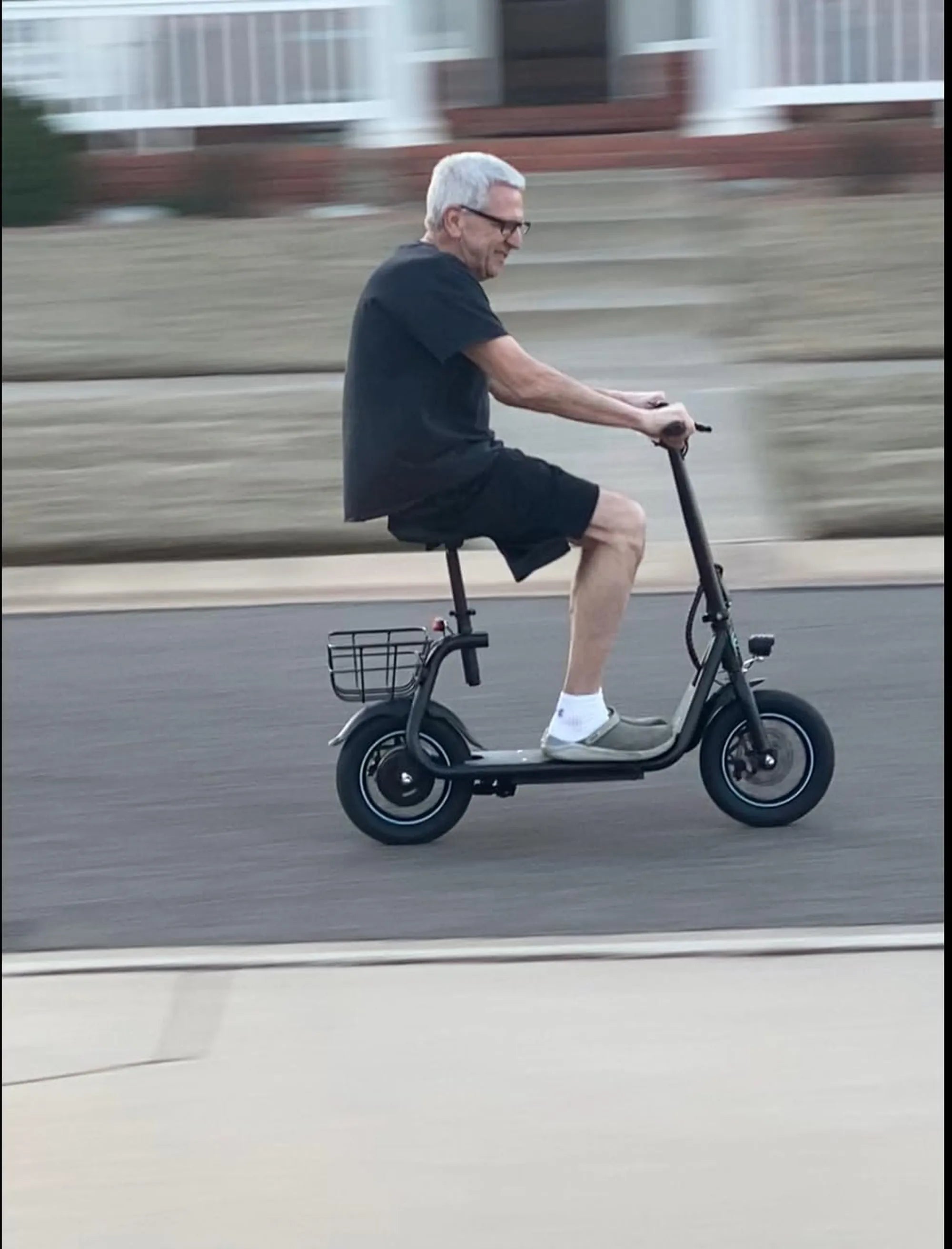
Your First Commuter Bike – A Smart Start to Two-Wheeled Travel
Stuck in traffic, circling for parking, and watching transit fares climb? A beginner commuter bike offers a powerful escape. It’s not just a purchase; it’s an investment in a faster, healthier, and more enjoyable daily routine.
Choosing the right first bike is critical. The wrong choice can lead to frustration, discomfort, and a bike that gathers dust. This guide will help you navigate the key features, compare your options, and build the confidence to start riding. We’ll focus on what makes a great beginner commuter bike: reliability, ease of use, and a design that gets you riding consistently.
For over 100,000 riders across North America and Europe, the journey began with understanding these fundamentals. Let’s start yours.
What Makes a Great Beginner Commuter Bike? Key Features Decoded
A perfect beginner commuter bike removes barriers. It should feel intuitive from the first ride and reliable for the thousandth. Prioritize these core characteristics over flashy specs or extreme performance.
The goal is a bike that you look forward to riding, rain or shine. It should transform your commute from a chore into a highlight of your day. We’ll decode the specs that matter most.
Stability and Comfort are King
For a beginner, confidence comes from feeling planted. Look for a frame with an upright geometry. This position keeps your head up to see traffic and reduces strain on your back and wrists.
Wheel size significantly impacts stability. Most modern commuter bikes use 700c or 27.5-inch wheels. They roll smoothly over pavement cracks and maintain momentum better than smaller wheels. A wider tire (around 35-45mm) provides more cushion and grip.
Don’t underestimate the saddle. A well-padded, appropriately wide seat designed for upright riding is essential. Many beginner commuter bike models come with a comfort-focused saddle, but it’s often the first upgrade riders make.
Simple and Intuitive Controls
Complexity is the enemy of a good beginner experience. For gearing, internal hub gears are a superb choice for a beginner commuter bike. They are sealed from the elements, require minimal adjustment, and allow you to shift even when stopped.
Brakes are your most important safety feature. Disc brakes—mechanical or hydraulic—offer consistent, powerful stopping in all weather conditions. This reliability is non-negotiable for daily, year-round commuting.
For electric models, the control interface should be clear and simple. A central display showing speed, battery level, and assist mode, with easy-to-reach buttons, prevents distraction while riding.
The Electric Edge: Why an E-Bike is a Brilliant First Choice
An electric commuter bike is arguably the best beginner commuter bike. It lowers the barrier to entry dramatically. Pedal assist makes hills disappear and longer distances feel short, eliminating the fear of arriving sweaty or exhausted.
This assist builds confidence. You can keep pace with traffic more easily and recover from stops without strenuous effort. It turns a potentially daunting commute into an enjoyable, empowering experience. For a beginner, this is transformative.
Brands like Gyroor design e-bikes with this philosophy. Their models feature UL-certified battery packs for safety, intuitive pedal-assist systems, and IPX5 water-resistant designs, making them a reliable partner from day one.
Navigating Your Options: A Side-by-Side Look at Commuter Bike Types
Understanding the landscape helps you match a bike to your specific commute. The core decision for many beginners today is between a traditional hybrid and an electric commuter bike. Let’s compare them head-to-head.
| Feature | Traditional Hybrid Bike | Electric Commuter Bike |
|---|---|---|
| Cost (Initial) | Lower upfront investment. | Higher initial purchase price. |
| Effort Required | 100% rider-powered; fitness required. | Motor-assisted; reduces physical exertion by 50-300%. |
| Hill Performance | Challenging; requires gearing and leg strength. | Effortless; motor provides boost on inclines. |
| Max Practical Range | 10-15 miles for a casual rider. | 20-50+ miles on a single charge (varies by model). |
| Maintenance | Standard bike maintenance (chain, brakes, tires). | Standard bike maintenance plus battery/electrical system care. |
| Best For | Short, flat commutes; riders seeking a workout. | Longer commutes, hilly terrain, riders wanting a sweat-free arrival, or those building fitness gradually. |
This comparison shows the electric commuter bike as a high-utility tool. It expands what’s possible for a beginner, making a wider range of commutes feasible and enjoyable from the start.
Why Gyroor's Design Philosophy Aligns with Beginner Needs
The table highlights needs like reliability, ease of use, and safety. Gyroor’s product development directly addresses these points for a beginner commuter bike seeker.
UL-certified batteries aren’t just a spec; they are a fundamental safety promise for a new rider learning to charge and care for their bike. The IPX5 water-resistant rating means an unexpected rain shower isn’t a crisis, just a slightly wetter ride.
Most importantly, the comprehensive 1-year warranty provides a safety net. As you learn the nuances of your new electric commuter bike, you have the peace of mind that the manufacturer supports your journey.
The Gyroor Commuter Collection: Finding Your Perfect Match
With a clear understanding of what matters, let’s explore how specific models cater to different beginner profiles. Gyroor’s lineup is built around core commuter needs.
For the Value-Conscious City Navigator
If your commute is relatively flat and under 10 miles, a model like the Gyroor C1 series is an ideal beginner commuter bike. It features a lightweight aluminum frame, a sufficient 350W motor for zipping through city streets, and a battery that delivers reliable range for most urban errands and commutes.
The focus is on essential, reliable performance. It includes features like a bright headlight, rear reflector, and intuitive controls. This bike covers 90% of a typical city rider’s needs without complexity or excess cost, making it a fantastic first electric commuter bike.
For the Rider Tackling Hills and Longer Distances
For those with a challenging route or a longer journey, a step-up model like the Gyroor C3 is the answer. It boasts a more powerful 500W motor that laughs at steep hills. The larger capacity battery extends your potential range significantly, eliminating range anxiety.
Additional features like a front suspension fork smooth out rough roads, and integrated cargo racks add practicality. This is the “effortless commuter” category, designed to make any commute feel easy and accessible for a beginner.
Safety and Accessories: Building Your Commuter Kit
The bike is just the start. The right accessories are non-negotiable for a safe, practical commute. Consider this your starter kit:
- Helmet: This is non-negotiable. Choose a well-ventilated, properly fitting bike helmet.
- Lights: A powerful front headlight and a solid rear taillight are essential for being seen, even during daytime.
- Lock: Invest in a high-quality U-lock or heavy-duty chain lock. Secure both the frame and a wheel.
- Fenders: Keep water and road spray off you and your bike. Full-coverage fenders are a commuter’s best friend.
- Rack and Panniers: Free your back from a sweaty backpack. A rear rack and pannier bags make carrying a laptop, clothes, and groceries easy.
Your First Weeks: A Beginner’s Roadmap to Confident Commuting
The first few rides set the tone. This practical roadmap will build your skills and confidence systematically.
Pre-Ride Checklist and Basic Maintenance
Develop a quick 60-second habit before every ride. Check tire pressure (use a gauge), test your front and rear brakes, ensure your battery is charged, and verify your lights are working. This simple routine prevents most common issues.
Basic maintenance is easy. Keep your chain clean and lubricated every few weeks. Wipe down the bike after wet rides. Learn how to fix a flat tire—it’s an invaluable skill. For your electric commuter bike, follow the manufacturer’s guidelines for battery care, like avoiding full discharges in extreme temperatures.
Planning Your First Route and Building Confidence
Don’t commute on your first ride. Start on a weekend. Find a quiet street, empty parking lot, or local bike path. Practice starting, stopping, shifting gears, and using the pedal assist at its lowest setting.
For your first actual commute, use apps like Google Maps (set to “Bicycling”) or Komoot to find the most bike-friendly route, which is often different from your driving route. It might be longer but will be safer and less stressful. Start with a shorter version if possible.
Understanding Local Regulations and Etiquette
Know the rules. In most areas, Class 1 and 2 e-bikes (like most Gyroor models) are allowed anywhere a regular bicycle is permitted. Obey all traffic laws: stop at signs and lights, signal your turns, and ride predictably.
Etiquette matters. Don’t pass other cyclists too closely on paths. Use your bell or voice to alert pedestrians. Riding predictably is the key to safety. You are part of the traffic ecosystem.
Frequently Asked Questions (FAQ) for the First-Time Buyer
Q: How far can I really go on a single charge?
A: Manufacturer range estimates are based on ideal conditions. Real-world range depends on rider weight, terrain, wind, tire pressure, and assist level. A good rule for a beginner commuter bike is to take the stated range and plan for 70-80% of that. For a Gyroor model with a 40-mile estimate, plan a 25-30 mile commute to have a safe buffer. Always charge after use.
Q: Is it difficult to learn to ride an electric bike?
A: If you can ride a regular bicycle, you can ride an electric commuter bike. The pedal-assist system is intuitive—you pedal, and the motor seamlessly adds power. Start on the lowest assist setting in a safe area to get used to the gentle push. The learning curve is minutes, not days.
Q: What happens if I have a problem with my bike?
A: This is where choosing a brand with strong support is crucial. Gyroor offers a 1-year comprehensive warranty on the frame, motor, battery, and electronics. Their customer support team can help troubleshoot issues and facilitate repairs or parts replacement. Always register your product and keep your proof of purchase.
Q: Are electric commuter bikes heavy?
A: Yes, they are heavier than traditional bikes due to the motor and battery. Most weigh between 45-65 lbs. However, the motor completely negates this weight when you’re riding. You only feel it when lifting or carrying the bike. Many models, including Gyroor’s, use lightweight aluminum frames to minimize this.
Q: Do I need a special license or insurance?
A: In the vast majority of the US and Europe, Class 1 and 2 e-bikes (pedal-assist up to 20 mph) are regulated just like bicycles. No license, registration, or insurance is required. Always check your specific state or local laws, as a few municipalities have additional regulations.
The Road Ahead Starts with the Right Bike
Choosing your first beginner commuter bike is the first pedal stroke toward a more liberated daily life. The best choice is the one that removes obstacles—hills, distance, sweat, anxiety—and adds pure joy to the journey.
It’s an investment in a sustainable, efficient, and healthier future. A well-built, reliable electric commuter bike from a trusted brand like Gyroor isn’t just a vehicle; it’s a key that unlocks your city in a new way. Imagine your first stress-free, car-free commute: the breeze, the movement, the time reclaimed.
Your new routine is waiting. Explore the full range of purpose-built electric commuter bikes designed for real riders and real cities. Browse the full Gyroor collection and start your journey at gyroorboard.com.
Big Wheel Scooter for 10 Year Old: The Ultimate Guide to Safety & Adventure
City Commuter E-Bike: The Ultimate Guide to Urban Electric Transportation